


What You Should Know Before Moving into a Sober Living House
June 5, 2025

Leaving a rehab center can feel like a huge step. Many people want to stay on the right path but are unsure how to do that once treatment ends. The idea of going back to full independence can be stressful and overwhelming.
It is easy to fall into old habits that can lead to relapse without the right support. You might feel unprepared to manage daily responsibilities while staying focused on recovery. This can create anxiety and cause you to lose progress that you worked so hard to make.
It is where Sober living homes offer a safe and structured way to transition into everyday life. They give you the support you need while helping you grow more independent.
This guide will help you make the right decision for your recovery journey.
What Is a Sober Living Home?

A sober living home is a residence for people recovering from substance use disorders. These homes help individuals reintegrate into daily life and also provide
- Accountability
- Structure
- Peer support
A sober living house encourages more independence while still setting clear expectations and responsibilities. Some houses cater to specific groups such as men, women or mothers with children to better meet unique recovery needs.
How do Sober Living Homes operate?
Residents of sober living homes are expected to follow community rules that reinforce sobriety and healthy habits. These rules include:
- Maintaining sobriety
- Participating in house chores
- Attending support meetings
- Contributing financially through rent or living expenses
Residents often engage in 12 step programs or part time work or school. This gradual return to routine life helps people regain confidence and develop the tools to remain sober outside a treatment environment.
Different Types of Sober Living Environments
Primarily there are two main types of sober homes:
1. Treatment Linked Sober Living Homes
Some sober homes are affiliated with luxury rehab programs in South Florida. These homes typically require residents to attend outpatient or intensive outpatient therapy. The clinical support, along with the sober stability of the home, provides a strong foundation for continued growth.

2. Independent Residential Sober Living
Privately operated sober living homes may not be tied to a specific rehab center. Instead, experienced managers and peer leaders oversee the household. Residents in these homes often make collective decisions and hold one another accountable. These environments offer a sense of autonomy while preserving structure.
Services You Can Expect in Sober Living
Sober homes are more than just a place to stay. They provide tools to help residents rebuild their lives and stay on the path to sobriety. Here is what most homes include:
- 12 Step Programs & Therapy: Regular attendance in recovery meetings, therapy sessions and relapse prevention programs is typically required.
- Basic Living Assistance: Most homes coordinate grocery runs, and transportation and help with job searching or educational opportunities.
- Peer Support: Living with others in recovery fosters a shared sense of responsibility and motivation.
- Aftercare Planning: Many homes assist residents in developing relapse prevention strategies and creating personal support networks.
Sober living homes in Delray Beach often combine these services with a focus on community and make it easier for individuals to build a sober lifestyle with a strong foundation.
Common Rules in Sober Living Homes
Sober living homes are designed to promote recovery by providing a stable and supportive environment. These homes have clear rules that everyone must follow to protect that environment and help every resident succeed. Most homes enforce similar expectations that create structure, while the specific policies can vary from one house to another.
1. No Drugs or Alcohol
Residents in the sober living homes are strictly prohibited from using drugs or alcohol at any time. This have the set rule that help protects the safety and sobriety of the entire household. Some homes may allow prescribed medications but these must be approved and monitored to avoid any kind of misuse. This rule ensures that everyone remains focused on recovery without risking relapse.
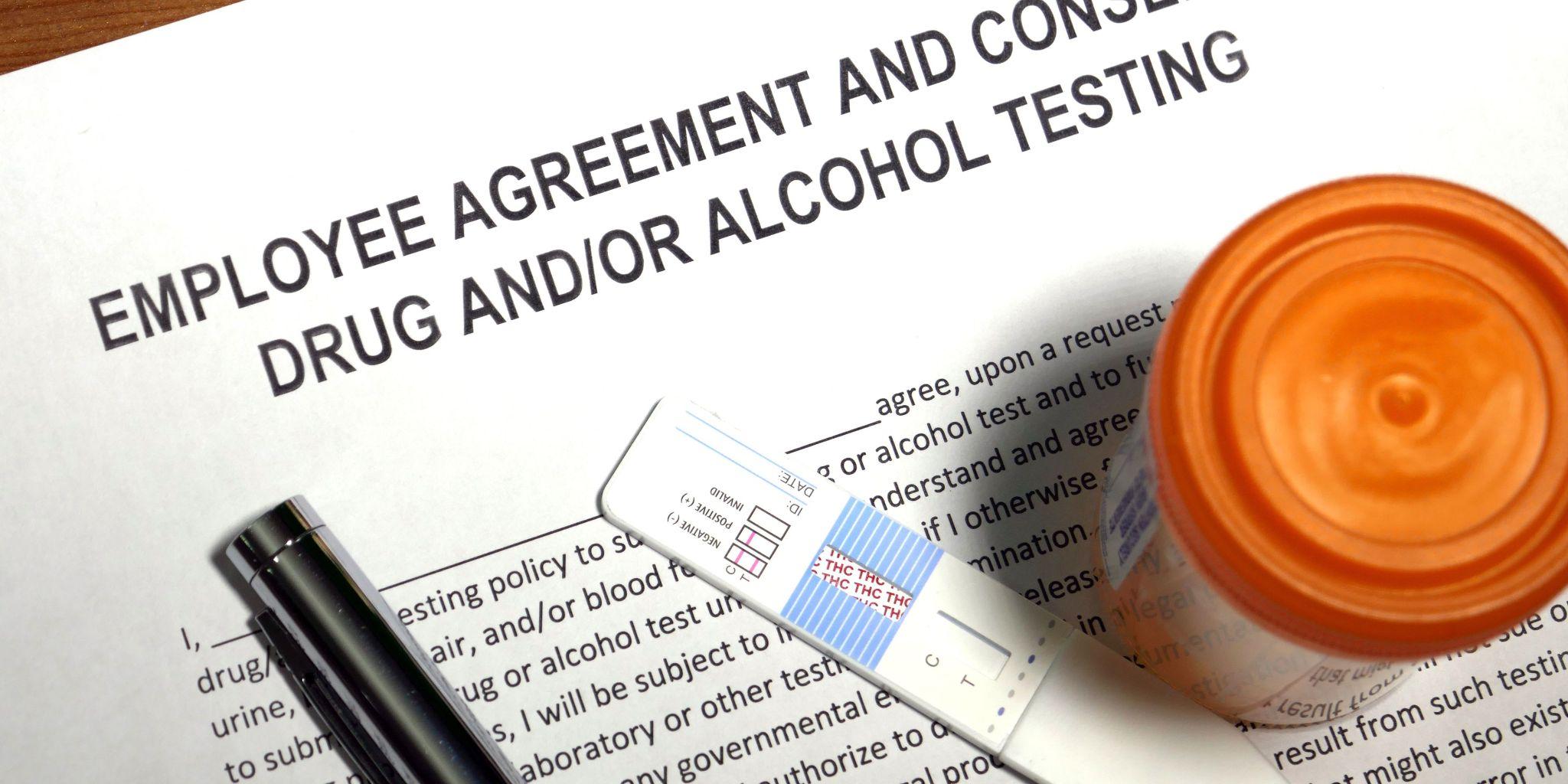
2. Random Drug and Alcohol Testing
Residents in these homes are subject to random drug and alcohol screenings to maintain a sober environment. These tests help reinforce accountability and trust within the home. They also provide early intervention if someone is struggling. It is widely known that the testing is a possibility to encourage residents to stay committed to their recovery plans.
3. Curfews
Most sober living homes have a curfew that help them to stop from getting into risky situations that could lead to relapse. These curfews also encourage healthy routines and make sure that the residents know where they are supposed to be. Getting back home on time shows respect for the house rules and helps keep things peaceful and secure.
4. Rent and Personal Expenses
Residents are responsible for paying rent and buying their own food, hygiene products, and other daily necessities. This responsibility prepares them for financial independence after leaving the home. Managing bills, planning grocery lists and sticking to a budget are essential life skills that support long-term recovery.
5. Household Chores
Everyone in the home is expected to contribute by doing chores like
- Cleaning
- Cooking
- Maintaining shared spaces.
These tasks teach discipline and cooperation. They also help residents take pride in their living space and feel part of a team, which can strengthen bonds within the home.
6. Group Meetings
Regular house meetings are a great way to talk about issues, offer support and keep everyone in the loop. These meetings get people talking and let residents sort out any problems in a respectful way. They also help everyone to keep on track with shared goals and make sure the group is held accountable.

7. Mandatory Support Meetings
You will usually have to take part in recovery support groups or therapy sessions. These meetings help residents to look after their mental and emotional health. It is really important to keep going to recovery programmes if you want to stay sober and be healthy.
Choosing the Right Sober Living Home
Every recovery journey is different, so choosing the right environment matters. Consider these factors when selecting a sober home:
- Does the home have rules that align with your recovery goals?
- Are there therapy or outpatient programs available?
- What is the level of independence and structure?
- Is there peer support and a sense of community?
- Are you looking for a setting connected to a luxury rehab South Florida location?
Take time to research and ask questions. If you want a high-quality recovery experience in a beautiful setting, Delray Beach sober living homes are a great place to start. They offer the perfect blend of structure, support and independence to help you rebuild your life on your terms. Visit Rocklay to explore a trusted and well supported recovery environment.
Start your journey to health and comfort at Rocklay Sober Living Homes in Florida. Search us on Google to begin today.
Contact us now >> 561-917-8355


