


First 30 Days in Sober Living: What to Expect
June 12, 2025
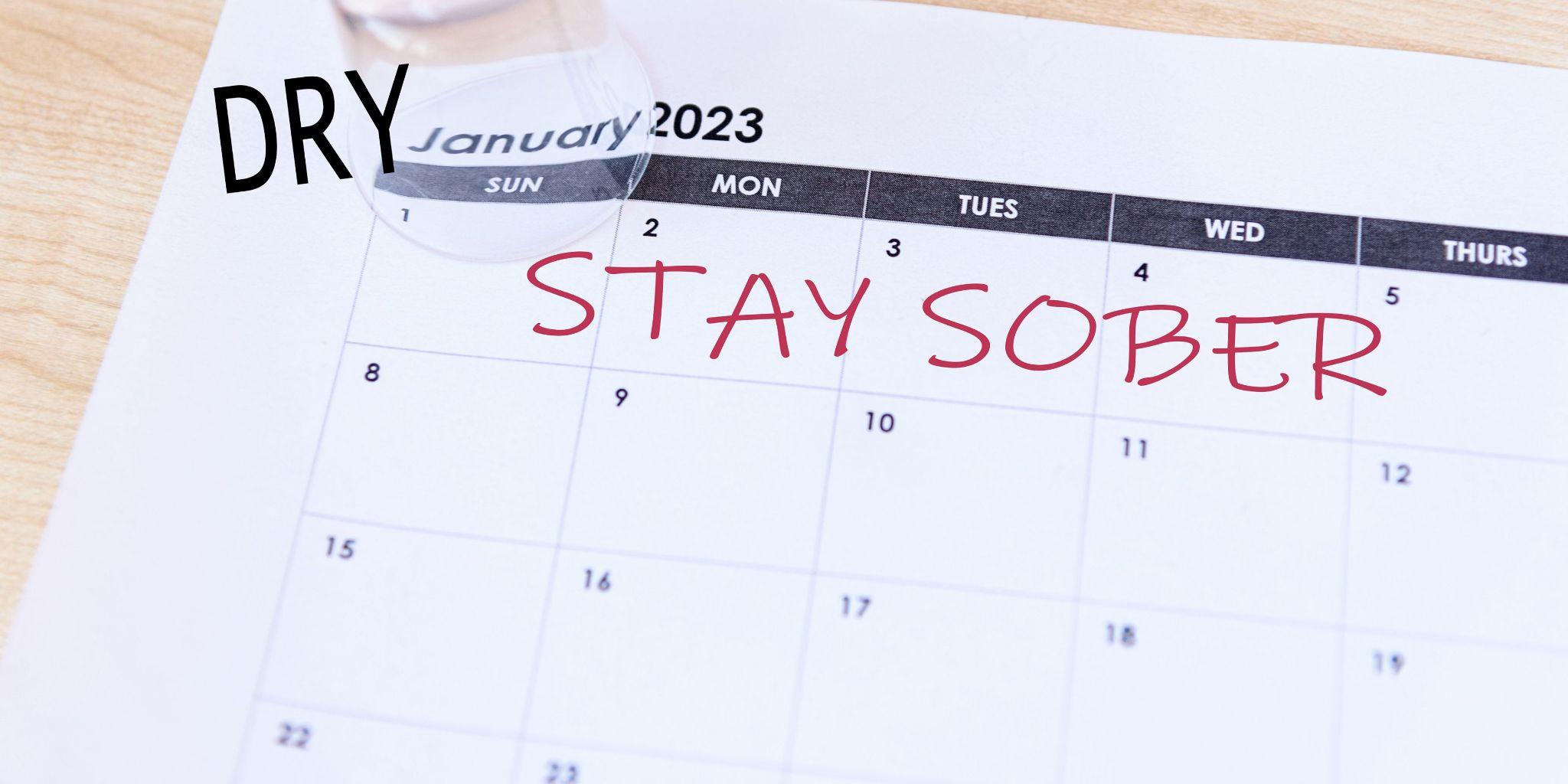
When you question your drinking, you probably compare yourself to others who drink more than you. This may make you feel safe enough to keep going. But that small voice inside you keeps returning and it reminds you that something does not feel right. That voice is often the one leading people to explore sober living.
Most drinkers ask themselves the wrong question. Instead of asking, is my drinking bad enough to stop? We need to ask, Does drinking make my life better? If you are reading this, then you are probably seeking something better. Choosing to enter sober living is a brave and life changing decision. And your first 30 days will lay the groundwork for healing and a new way of living.
In this guide, we will walk you through what you can expect in the first month inside a sober living home.
What are the “30 Days Sober” Benefits?
Here is what to expect, what to focus on, and how a sober living home helps guide you toward a sober lifestyle rooted in purpose, clarity, and community.
The Mental Clarity of Sobriety
Your mind slowly starts to clear when alcohol or drugs leave your life. Even moderate alcohol use affects memory, decision making and focus. These effects can be even stronger for those who have lived with addiction.
Your brain starts to heal once you begin living sober. You begin to think more clearly and you see situations more realistically. This clear thinking helps you understand your emotions and take back control of your future.

Finding Freedom in Responsibility
Living in a sober living home gives structure without pressure. This type of setting supports people who want to take back their freedom while still having support and guidance. Alcohol or drugs may have controlled your time in the past. Sobriety gives you back the power to make choices that match your goals.
Making your own decisions again is a key part of sober life recovery. This freedom comes with responsibility and learning to own your decisions helps you grow stronger.
A New Sense of Purpose
Addiction often pulls people away from what gives life meaning. Jobs, relationships, goals, and dreams tend to disappear. Many people feel lost at first in early sobriety.
You may notice something powerful but once you begin focusing on your healing and your values come into focus again. You begin to explore what truly brings joy. The feeling of purpose and fulfillment slowly returns when you begin to achieve small goals again.
What Happens in the First 30 Days?
The first 30 days without substances are filled with both emotional and physical changes. It may be overwhelming at first, especially because substances have numbed your feelings for so long. You may feel anger, sadness, fear or even grief as you separate from your past life. However, you may also feel relief and hope as you enter a sober community that understands your path.
Physically, your body begins to adjust. Once detox is complete, your sleep improves, your energy returns, and the fog in your brain starts to lift. After a few weeks, most people notice they feel more like themselves again.

Important Sober Living Home Requirements.
Sober living homes support residents by setting up helpful requirements that encourage healing. These may include:
- Daily routines that provide structure
- House meetings that build accountability
- Curfews and drug testing to support safety
- Involvement in 12-step programs or other recovery groups
- Participation in household chores to build community
These sober living home requirements help replace old, unhealthy habits with healthy patterns that support long term success.
Managing Withdrawal and Mood Swings
Withdrawal symptoms vary for everyone, but they are a normal part of the early stages of sobriety. You may experience sleep problems, irritability, cravings and mood changes. Your emotions may shift quickly. You might feel hopeful one moment and overwhelmed the next.
To manage these symptoms, it is important to:
- Maintain a steady sleep and eating routine
- Practice light exercise or stretching
- Use mindfulness techniques to stay grounded
- Reach out to staff or peers when you need support
- Avoid caffeine or other stimulants that increase anxiety
Understanding that mood swings are temporary can help you stay focused and patient with yourself.

Creating New Coping Strategies
Many people turn to drugs or alcohol because of stress, trauma, or boredom. Recovery means finding new ways to cope. The first 30 days are the perfect time to start developing tools that help you manage life without falling back on old habits.
Here are some healthy ways to cope:
- Revisit hobbies that once brought you joy
- Spend time outdoors or connect with nature
- Write in a journal or explore your feelings through art
- Talk to others in the sober community
- Take walks, stretch, or practice yoga
- Learn to identify your triggers and name them without acting on them
Each time you choose a healthy coping tool, you make it easier to stay sober the next time.
The Power of Support
You do not have to do this alone but surround yourself with others who understand your goals is one of the most important parts of building a sober lifestyle. The support you build now will help keep you steady in hard moments.
You remind yourself and others that recovery is real and possible when you talk about your fears, frustrations or victories.

Cravings Are Normal,But Temporary
As you move through the third and fourth weeks of sobriety, cravings may appear. These cravings happen because your brain still remembers the old reward system. However, cravings fade over time and do not last forever.
When you feel the urge to use, try these strategies:
- Distract yourself with a task or walk
- Call a sober friend or sponsor
- Remind yourself why you started this journey
- Reflect on the harm substances caused in the past
- Avoid places and situations that trigger you
Every time you overcome a craving, you become stronger and more confident in your sober lifestyle.
Structure Builds Strength
Structure helps you build a life that supports sobriety. This means waking up at the same time each day, eating well, making time for exercise and setting daily goals. Even small routines like making your bed or journaling each morning can have a big impact.
When your day has a clear structure, you are less likely to make impulsive decisions. You feel in control of your time. You begin to trust yourself again.

Caring for Your Body and Mind
Proper nutrition and regular exercise are essential for your recovery of your body. Eating balanced meals helps improve energy and mood. Taking care of your health shows respect for your body and strengthens your commitment to a sober lifestyle.
Final Thoughts:
Recovery does not end after 30 days but it is only the beginning. Every step forward builds your confidence and every challenge you face prepares you for the next one. Living a sober life means choosing peace, health and purpose over chaos.
If you are ready to begin your journey, know that you are not alone. A strong sober community, supportive peers, and a safe, structured environment can make all the difference.
Visit Rocklay to learn more about how to start your path to sober life recovery. This is where your new beginning can take shape.
Start your journey to health and comfort at Rocklay Sober Living Homes in Florida. Search us on Google to begin today.
Contact us now >> 561-917-8355


