


Sober Living Communities: A Smart Step Toward Lasting Sobriety
August 12, 2025

Leaving rehab can be a challenging decision for people as they readjust to a new lifestyle and find new friends. This means the recovery is not over when your treatment is over. Even though you are committed to staying sober, thoughts of returning to your old environment can trigger anxiety and relapse.
Many people in early recovery struggle to maintain sobriety with the help of a structured support system. The risk of falling back into addiction is high without the right guidance.
It is where sober living communities can be a powerful tool that can make a difference. These structured and substance-free environments provide
- Peer support
- Accountability
- Stability
In this post, we will explore how sober living homes can be a valuable tool that can help you in your lasting recovery.
What Is a Sober Living Community?
A sober living community is the traditional living space for people who want to transition back into the community. This place is a shared, alcohol and drug-free living environment that is designed to support people who want to recover from addiction. These homes do not provide medical treatment or counselling, unlike inpatient rehab centers.
- Residents here:
- Follow house rules
- Maintain sobriety
- Attending support meetings
- Participating in chores
- Respecting curfews
This environment helps encourage people with accountability and routine for lasting recovery. Sober living communities help people transition back into everyday life after intensive treatment and provide a stable and supportive environment.
The Key Benefits of Sober Living Communities
The key purpose of sober living communities is to bridge the gap between rehab and everyday life. These communities provide many game-changer benefits. Here are some of them.

1. Substance Free Environment:
One of the most significant risks after rehab is returning to environments where drugs or alcohol are present. Sober Living Communities provide a strict no-substance policy. This helps to create a safe space where triggers and temptations are minimized. Living in an alcohol and drug-free home is essential to focus on healing and rebuilding your life.
2. Structure and Routine
Structure and routine are important components of the recovery. When someone struggles with addiction, their daily habits break down. This can lead to missed responsibilities and loss of purpose. Addiction often disrupts the routine and responsibilities. Sober living communities help residents to reestablish through daily chores and meeting attendance.
A structured routine helps residents to gain control of their lives and guides them to be productive and live a sober life.
3. Peer Support and Accountability
When you live with others who share similar recovery goals, it creates an environment where support is constant and meaningful. When individuals in recovery live together, they form a bond that is based on understanding and shared challenges. The connection provides them strength and helps residents make them feel that they are not alone. They can openly share stories and stay committed to sobriety.
The sense of community also plays a key role in reducing loneliness. Isolation often leads people back to substance use because they feel disconnected.
4. Transition Between Rehab and Independent Life.
Completing a rehab program is a major milestone in the recovery journey. Going straight back into everyday life environment can be stressful, chaotic or filled with triggers.
That is where sober living communities play a critical role. These homes serve as a structured and supportive bridge between the highly controlled environment of rehab and the complete independence of daily life.
Individuals in sober living are given the space and support to practice what they have learned in treatment in a real-world setting.
5. Opportunities to Build Life Skills
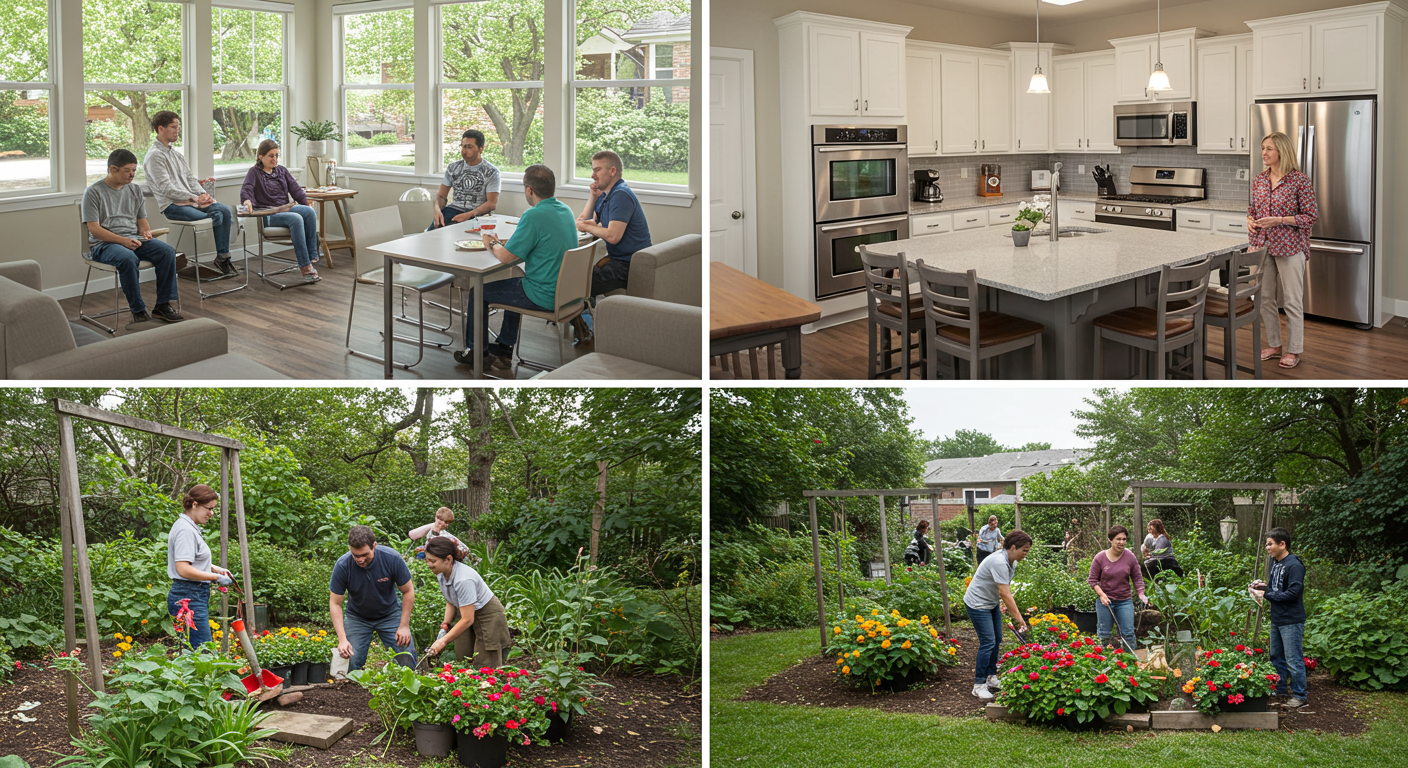
Sober living communities also offer residents valuable opportunities to develop life skills that are essential for recovery and independent living. Many individuals who struggle with addiction find that their ability to manage everyday responsibilities has been disrupted or never fully developed. Sober living programs recognize this gap and aim to equip residents with the practical tools they need to build a stable and fulfilling life.
Life skills training often includes basic yet critical areas such as budgeting and managing personal finances. Residents learn how to plan their expenses and avoid financial stress that can trigger relapse.
Gaining employment not only restores financial independence but also boosts self esteem and provides structure. These activities help residents gain confidence in their ability to function independently. The learning of these life skills helps the residents with greater freedom and self-sufficiency.
6. Improved Mental Health
Sober living homes do far more than simply provide a substance-free environment. Helping build these habits is essential not only for maintaining sobriety but also for fostering emotional stability and overall well being.
Many sober living communities integrate a holistic approach to healing, which is deeply emotional and even spiritual. Here is how these homes help residents build healthy habits that support lasting change:
- Therapy and Support Groups
- Exercise and Physical Wellness
- Mindfulness and Stress Reduction
- Structured Routine
- Balanced Nutrition
Who Should Consider Sober Living?
Sober living is not just for one type of person. It is ideal for:
- Individuals fresh out of inpatient rehab
- Those without a stable or sober home environment
- People struggling with relapse after outpatient treatment
- Young adults who need maturity and structure
- Professionals seeking recovery with privacy and support
Sober living can offer the tools and stability you need to succeed if you are early in your recovery or just looking for a stronger support system.

Conclusion:
Recovery is not a destination, but it is a journey filled with both progress and challenges. The true transformation in sobriety often begins in the quiet moments, and that is where sober living communities can help you.
The key to lasting recovery is not doing it alone but finding a place where you can grow and start again with strength and purpose.
Connect with us if someone you know or in your family is looking for the path to sobriety. Our Sober living home offers transformative recovery to those who are looking for a new beginning.
Start your journey to health and comfort at Rocklay Sober Living Homes in Florida. Search us on Google to begin today.
Contact us now >> 561-917-8355


