


Practical Strategies to Stay Sober After Leaving a Jewish Sober Living Home
August 14, 2025
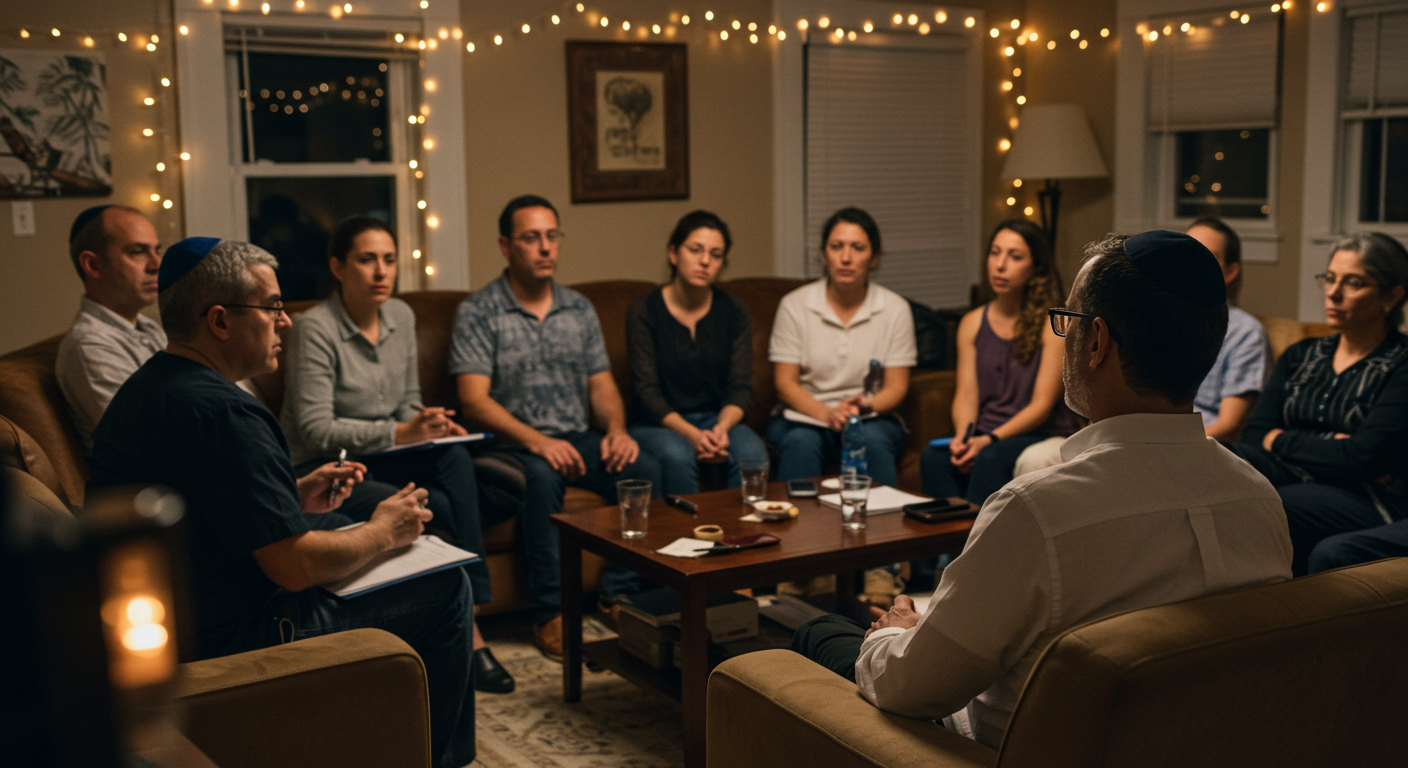
You need to keep one important thing: change is not an event, but instead it is a process that can be very slow. The improvements that you take can be best achieved with the help of small steps of careful planning. So, if you are someone who is leaving the Jewish sober living home you can feel challenging and exciting.
You have already made progress in your recovery and you want to start building a new life in a structured environment. This is a crucial step that can bring risk and opportunities.
Connect with Rocklay to stay sober in a Jewish sober program in Florida.
This guide will help you find some the challenges that you might face when you leave a sober living home.
But first, let us find out
What is Sobriety?
A sober person is one who is not under the influence of any drug or alcohol. Many 12 step organizations define sobriety as complete abstinence, which means you never take the drug again.
However, other definitions often emphasize the recovery process and developing coping skills and routines that promote long term health and wellness.
Though the setbacks are common while complete abstinence is the ultimate goal, it is believed that up to 80% of individuals who achieve long term sobriety have experienced at least one relapse.
Some people in recovery go through numerous setbacks before experiencing long lasting healing. Avoiding relapse takes more than determination, despite the best efforts of the person. So if you are someone who is moving out of a Jewish sober living home, here are some key strategies that you can adopt to stay sober.
Understand the New Stage of Recovery
When you leave a sober living home then you move from a highly supportive environment into one where you must take more responsibility for your life. This is a positive stage because it helps you regain independence and a time when old habits and temptations can return.
You need to remember that recovery does not end when you leave sober living but the process continues every day and if you keep a clear plan in place. It means that you can protect yourself and continue to grow stronger.
You can connect with us for Jewish traditional mental health housing recovery program that provides kosher meals and respects Jewish traditions. Call us to know more.
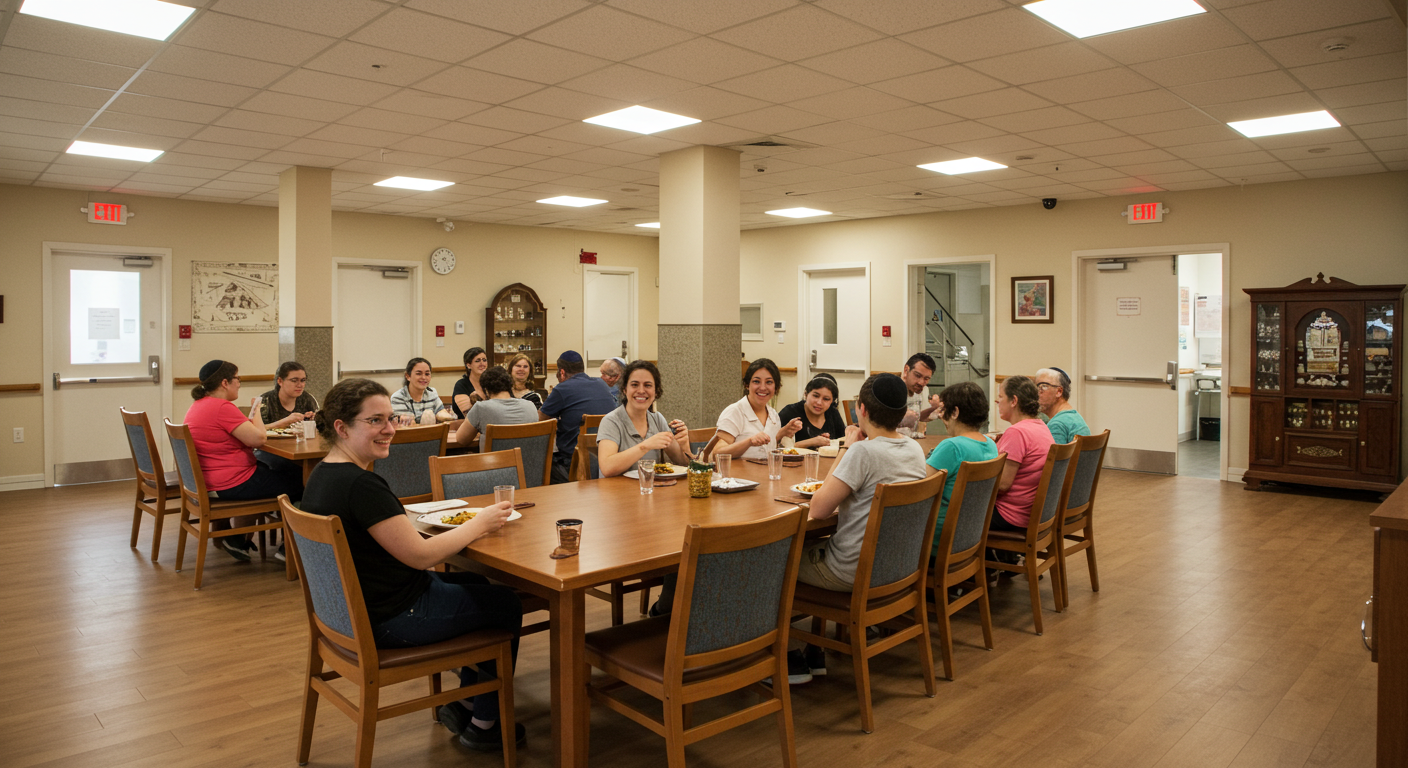
Identify and Manage Your Triggers
One important skill you should carry forward is the ability to identify your triggers. Triggers are situations or places that make you think about using alcohol or drugs again.
- Stress work
- problems financial worries
- Relationship conflicts are common triggers
Seeing friends who still use substances or visiting places linked to your past can also cause cravings.
Once you know what your triggers are you can prepare. If a social event might tempt you to drink you can choose not to go. You can also attend with a trusted friend who will support you and if stress is a trigger, you can use healthy coping methods such as exercise or meditation.
Recognize Early Signs of Relapse
Relapse does not usually happen suddenly but it often begins with small changes in your thinking. These changes can include negative thoughts loss of motivation or avoiding supportive people. Spending time in risky environments is also a sign.
If you learn to see these early warning signs you can act before the problem grows. You might choose to attend a support group talk to a mentor or see your therapist. Acting early can stop a small problem from becoming a full relapse.
Build a Healthy and Supportive Routine
A daily routine gives your life structure and stability. When you leave sober living you may lose the set schedule that once guided you. It is easier to return to unhealthy patterns without structure.
You can create a morning routine that starts your day well, which includes healthy activities such as
- Eating a good breakfast
- Doing light exercise
- Reading something inspiring
Plan your work hours and make time for hobbies or learning new skills. A strong schedule helps you focus on your goals and reduces boredom which can sometimes lead to risky behavior.
Focus on Your Physical and Emotional Health
Long term sobriety depends on more than avoiding substances. You also need to take care of your body and mind. This means eating healthy meals exercising often and getting enough sleep. Good physical health supports emotional stability and this makes it easier to handle challenges without harmful coping methods.

You can try activities like
- Hiking
- Swimming
- Yoga
- Daily walks
These activities reduce stress and improve mood. You can also practice mindfulness by meditating or journaling so you can process your feelings in a healthy way.
Build a Strong Support Network
You need people who understand your journey and who will encourage you when you face challenges. Support can come from family close friends recovery groups or a mentor.
If you find it hard to meet new people you can join community activities or volunteer work. When you surround yourself with positive people you are more likely to stay focused on your recovery. Strong relationships also reduce feelings of isolation which can sometimes lead to relapse.
Celebrate Your Milestones
Recovery is a long journey that is why it is important to recognize every step you take. It could be thirty days without using substances or a full year of sobriety and every achievement matters.
You can celebrate in ways that are healthy. You might take a trip buy something you have wanted for a while or spend the day doing something you love. These celebrations remind you why you chose recovery and help you stay motivated.
Planning for Emergencies and Building Resilience
Staying sober means building resilience for challenges that life will bring. This is similar to how a community uses disaster recovery consulting services to prepare for unexpected events. Planning ahead gives you strength when hard times arrive.
In business an emergency management consultant helps create systems that protect people and resources. In your personal life you can do the same by creating systems that protect your sobriety. This could include a list of people to call when you feel at risk grounding exercises to reduce stress or activities that help you regain balance.

You feel more secure and confident in your recovery when you prepare for difficult moments.
Taking the Next Step in Your Journey
Leaving sober living is not the end of your recovery story but it is the beginning of a new stage where you can use the tools you learned in real life. If you stay aware of your triggers build a strong support network and care for your health you give yourself the best chance for lasting success.
Life outside sober living gives you freedom and responsibility. You can create a future that is healthy and stable with the right mindset and strong strategies. Visit rocklay.com for more recovery guidance and resources.
Your sobriety is worth protecting every day. The choices you make now will shape the life you enjoy tomorrow.


