


Jewish Drug Rehab Program: How Faith-Aligned Care Pairs with Jewish Sober Living
September 25, 2025
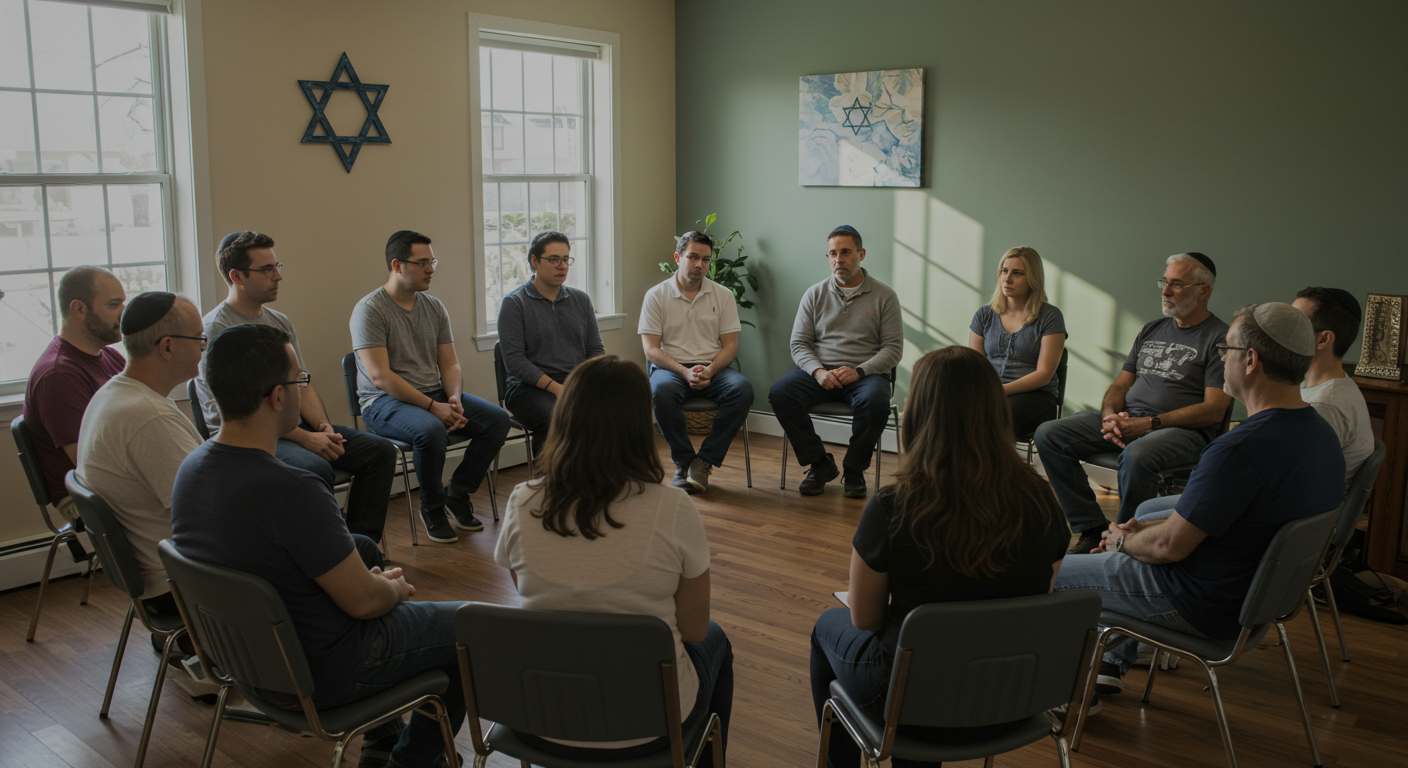
A Jewish drug rehab program integrates evidence-based treatment with Jewish values so clinical work and observance move in the same direction rather than in conflict. Early recovery carries high relapse risk, with widely reported ranges of 40 to 60 percent, which is why pairing treatment with structured housing helps turn gains into daily stability. This is where Jewish sober living adds routine, accountability, and community anchors after discharge.
What a Jewish Drug Rehab Program Includes
Clinically Guided Care with Jewish Values
A Jewish drug rehab program starts with thorough assessment, individualized treatment planning, and coordinated case management to match real needs with the right level of care. Core services typically include individual and group therapy, family sessions when appropriate, relapse prevention, skills coaching, dual-diagnosis support for co-occurring conditions, and clear outcome tracking to measure progress.
Spiritual supports such as brief learning modules, guided prayer options, or chaplain access complement therapy without replacing clinical care, which reduces friction between observance and recovery tasks. Programs that communicate expectations clearly on scheduling, boundaries, and participation tend to see stronger engagement compared to generic models of care.
Kosher and Observance Within Treatment
Keeping kashrut simple is essential for focus and follow-through. Effective programs provide kosher kitchens, supervised sourcing and labeling, and a predictable meal routine. Schedule sensitivity for Shabbat and holidays, along with access to prayer and community contacts, helps residents practice in alignment with tradition while maintaining therapeutic momentum.
This clarity lowers avoidable stress, supports attendance, and strengthens trust in the process across diverse levels of observance found in Jewish rehab.
Step-down Support: Jewish Sober Living
Structure, Peer Accountability, and Daily Routines
After formal care, structure is the bridge to real-world stability. Strong homes set daily routines that typically include curfews, regular UA and BA testing, meeting attendance, chore systems, house meetings, and documented progress checks. Sponsor engagement, mentorship, and integration with local recovery groups maintain momentum between outpatient sessions. This rhythm preserves the benefits of clinical work while habits are still forming, a period when small frictions can escalate into setbacks.
Why Delray and Boynton Beach Work
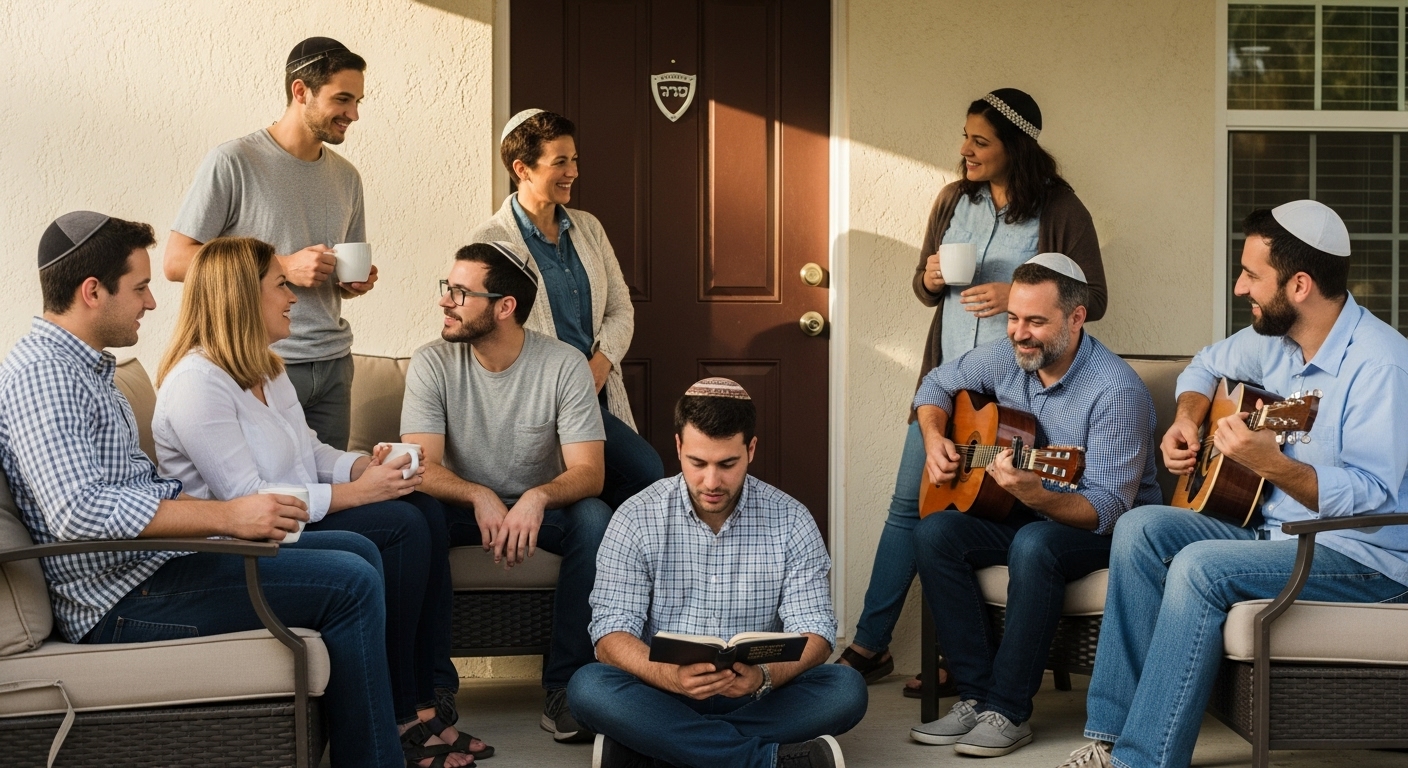
South Palm Beach County offers dense meeting networks, synagogue and JCC proximity, transportation convenience, and employment pipelines that reduce isolation and speed reintegration. Jewish sober living in Delray Beach places residents close to faith-aligned spaces and recovery communities that reinforce consistency.
Jewish sober living in Boynton Beach provides similar access within a slightly quieter environment, allowing residents to consolidate routines while staying connected to nearby resources. When supports are close and predictable, routines hold and relapse risk drops.
How Treatment and Housing Work Together
Coordinated Transitions and Continuity
The handoff matters. Effective teams align discharge planning, warm introductions to housing, proximity to outpatient providers, and practical logistics like calendars, rides, and meeting access. This coordination removes gaps that often derail early progress and keeps responsibilities visible and doable.
The result is a consistent weekly pattern of therapy, meetings, house responsibilities, and spiritual practice that leaves less room for uncertainty.
Tangible Outcomes of a Combined and Coordinated Path
When a Jewish drug rehab program is paired with structured housing, residents tend to stabilize sleep, nutrition, and routines faster, miss fewer appointments, and use relapse-prevention plans more reliably. This alignment also supports employment readiness through predictable schedules and community accountability.
Over time, small wins accumulate into durable habits, especially when weekly goals, sponsor check-ins, and house feedback loops are in place.
Choosing the Right Fit: Program and Housing Checklist
Program Essentials To Verify:
- Licensing and credentials across clinical leadership and staff
- Evidence-based methods such as CBT, DBT, and trauma-informed care
- Clear scope for dual-diagnosis support and family involvement
- Kosher standards and observance policies documented in writing
- Transparent outcomes reporting and ethical billing practices
- Realistic aftercare planning and alumni connection
Sober Living Criteria To Confirm
- Written kosher kitchen standards, labeling, and supervision
- House rules, testing cadence, curfews, visitor policies, and incident response plans
- Manager presence, safety measures, and alumni or community linkage
- Job search help, scheduling support, and reliable rides to meetings
- Proximity to meetings, providers, synagogues, and public transit for friction-light routines
Conclusion: Achieve Lasting Sobriety with Rocklay Recovery
A Jewish drug rehab program paired with Jewish sober living creates a faith-aligned continuum that blends clinical care, structure, and community for long-term stability. For those who prefer a quieter setting with similar access, Jewish sober living in Boynton Beach can offer a strong alternative.
For culturally aligned, structured sober living in South Palm Beach County, Rocklay Recovery provides values-driven residences designed to sustain growth while honoring tradition. Explore availability and next steps at Rocklay Recovery to move from early gains to lasting change.
FAQs
1. What’s the difference between a Jewish drug rehab program and Jewish sober living?
A Jewish drug rehab program delivers licensed clinical treatment and medical oversight, while sober living provides structured housing, peer accountability, and routines that help clinical gains transfer into everyday life.
2. Do programs and homes require full kosher and Shabbat observance?
Policies vary. The best approach is to request written kosher standards and observance expectations to ensure alignment with personal practice.
3. How long should someone remain in sober living after completing treatment?
Duration depends on stability and goals. Many residents stay until routines, sponsor engagement, and work or school milestones are consistent and sustainable.


