


Jewish Sober Living in Florida: Where Kosher Living Meets Lasting Sobriety
October 16, 2025
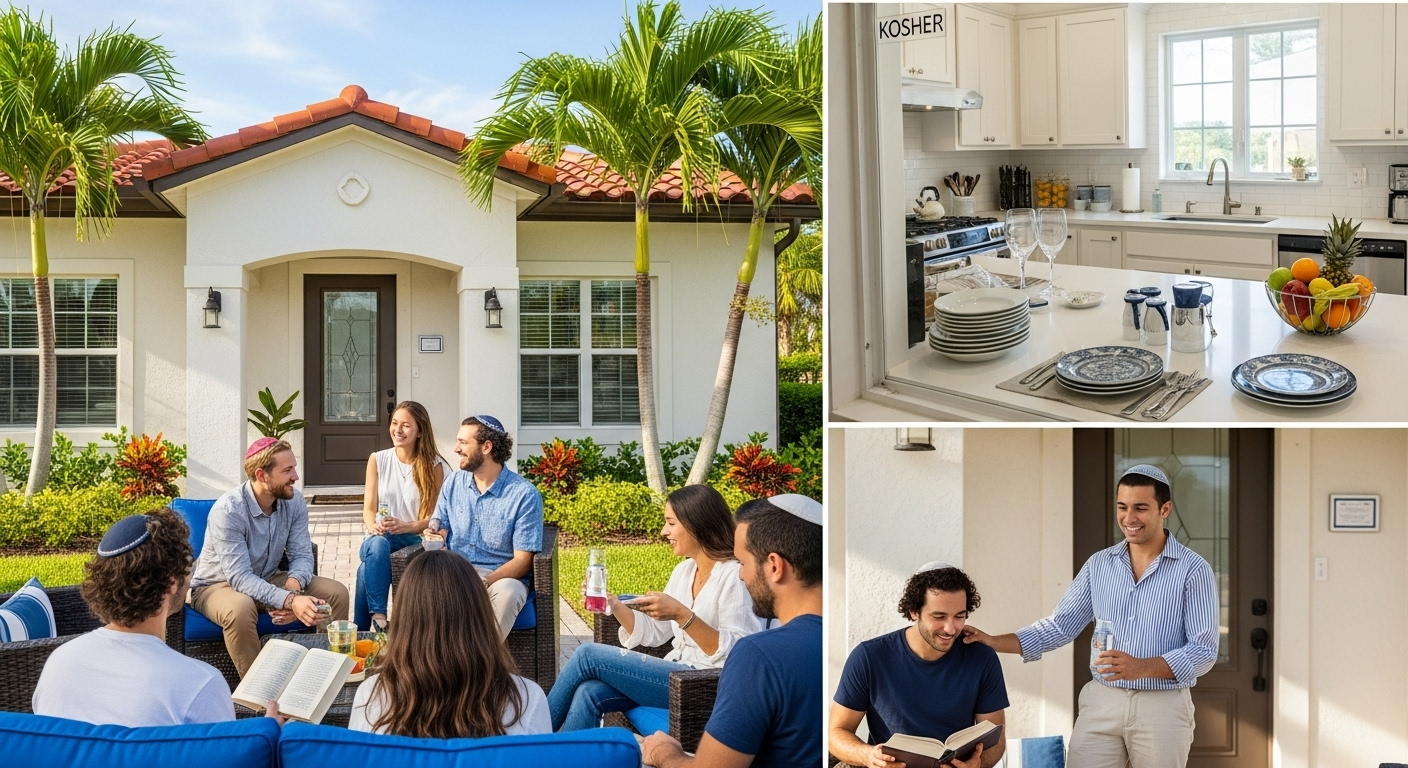
For anyone seeking authentic support along the path to recovery,Jewish sober living in Florida stands out. Here, layers of kosher observance, community belonging, and a reliably structured environment become the bedrock for rebuilding one’s life. Research summarized in a 2025 systematic review in PubMed underscores what many residents report: recovery housing, built on abstinence, increases rates of substance-free living, work participation, and emotional well-being when compared to regular aftercare settings.
Unlike impersonal facilities, Jewish sober living homes bridge clinical treatment and independent living with a blend of daily connection, spiritual practice, and true accountability.
What Jewish Sober Living Means
The Jewish sober living model moves beyond basic shelter. Each aspect such as kosher kitchens, Shabbat meals, and holiday accommodations, roots individuals in shared tradition and steady daily patterns.
Residents often benefit from:
- Consistent mealtimes where everyone participates in preparation, blessing, and cleanup
- Shared Shabbat dinners, bringing structure and camaraderie
- Mindful observance of holidays; homes adapt to varied traditions and families
- Built-in opportunities for daily prayer, meditation, and mitzvot
- Embedded mentorship from staff and peers that helps apply faith as strength in real-life moments
In Jewish rehab,spiritual mentorship joins forces with contemporary approaches like CBT or structured 12-step work, forming one clear path between values and recovery. Rituals help ground anxieties, while group process and professional guidance offer practical steps out of old impulses.
Why Jewish Sober Living in Boynton Beach and Delray Beach is Ideal
South Florida’s unique blend of Jewish traditions and thriving recovery networks creates a supportive landscape few regions match.
Jewish sober living in Boynton Beach and Jewish sober living in Delray Beach situate residents within walking distance of:
- Beaches and green spaces for recreation and reflection
- Synagogues and Jewish centers that offer events, prayer services, and holiday observances year-round
- Local recovery meetings (AA, NA, JACS, and Jewish-specific groups) that provide connection and varied support systems
- Community volunteer projects and Jewish addiction support groups, enriching the sense of purpose and helping residents practice giving back
- Parks and wellness centers to encourage activity, wellness, and socializing outside of risky environments
Through this rich tapestry, Jewish drug rehab program participants re-enter life surrounded by familiar foods, holidays, and values, but also fresh opportunities for employment, learning, and growth.
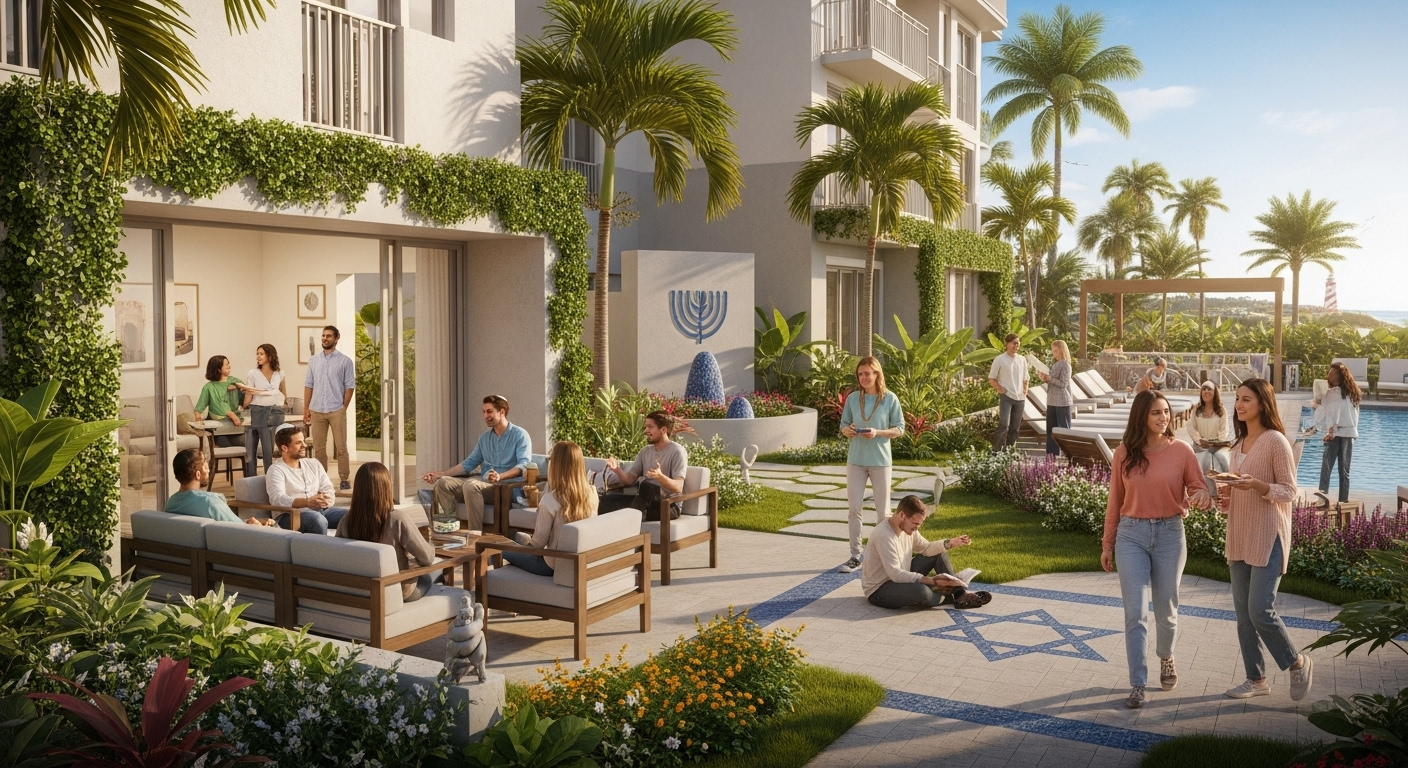
Kosher Living as a Recovery Framework
More than a dietary guideline, kosher living is the pulse of these homes.
Key practices include:
- Weekly planning for balanced kosher menus, often as a group
- Rotating shopping and kitchen duties, building routine and teamwork
- Setting aside time for thoughtful Shabbat preparations
- Using meal prep and cleanup as moments for mindfulness or conversation
- Journaling gratitude or struggles tied to meals and spiritual practices
Some find that the rituals of lighting candles before Shabbat, reciting blessings, or joining in group mitzvot do not just fill time, they anchor emotions, act as guardrails in moments of temptation, and transform meals into meditative junctures in both hard and hopeful weeks.
Program Features to Look For
When choosing a Jewish sober living, specifics matter. Favor homes that offer:
- Separate men’s and women’s residences, providing both privacy and mutual respect
- Transparent policies on relapse, safety, and expectations
- Kosher certification and clear standards in the kitchen
- Accessible locations near cultural, employment, and spiritual hubs
- Regular transportation options for meetings, work, and events
- Proactive case management, therapy referrals, and recovery coaching
- Community involvement via volunteering or peer leadership
- Family education sessions, crucial for long-lasting change
Clinical + Spiritual Integration
Science and spirituality move forward as partners here. The best programs pair modern therapies like CBT, family systems counseling, and goal-setting groups with Jewish traditions that emphasize honesty, generosity, and returning from setbacks.
Peers and staff encourage family involvement, build up transparent communication, and help loved ones build resilience and healthy boundaries together. This emphasis on both healing the self and strengthening community connections consistently predicts more stable, thriving outcomes.
Daily Life and Community Rhythm
A day in one of these homes is marked by rhythm and purpose:
- Mornings begin with reflection, prayer, or a mindful meal
- Time is set aside for work or job search, often with support from staff
- Recovery meetings or house check-ins provide connection in the afternoon
- Shared responsibilities (meals, cleaning, shopping) encourage interdependence
- Evenings conclude with group study, volunteering, or personal reflection
- Holidays and Shabbat become authentic highlights, not hurdles
Residents often attend three or more community meetings per week and use South Florida’s sun-soaked parks and beaches for exercise or meditation. Volunteer efforts, such as helping with events or working with Jewish addiction support groups, cultivate both skills and a sense of purpose.
Why Research Supports This Approach
A systematic review in 2025 found recovery housing outperformed usual forms of continuing care. Outcomes included improved abstinence, greater work participation, and reduced criminal charges. The structure of these homes, particularly when combined with Jewish traditions has proven not only effective but cost-efficient, directly benefitting both individuals and broader communities.
Conclusion
Faith-anchored routines, cultural warmth, and compassionate peer support all join to create foundations for new strength. Jewish sober living in Florida is not simply a program; it is an opportunity to connect values, rituals, and meaningful achievement each and every week.
Rocklay Recovery is proud to provide gender-specific, kosher Jewish sober living in Florida, complete with professional case management, recovery coaches, and continued community support so residents confidently move from early sobriety to stable, independent lives.
Ready to take the next step with care that respects identity and recovery goals? Call Rocklay Recovery now to begin a personalized plan today.
FAQs
1. Is kosher food mandatory in Jewish sober living?
Most Jewish sober living homes maintain a kosher kitchen, using it as both a practical discipline and a comforting anchor for residents in recovery.
2. Can non-observant Jews benefit?
Programs welcome a wide spectrum of observance levels and focus on dignity, cultural understanding, and respect, meeting people where they are on their journey.
3. Do these homes coordinate therapy or meetings?
Quality programs routinely assist with connections to therapy, psychiatric clinicians, and community meetings.


