


Jewish Mental Health and Addiction Recovery: Understanding All Through a Faith-Centered Lens
January 2, 2026
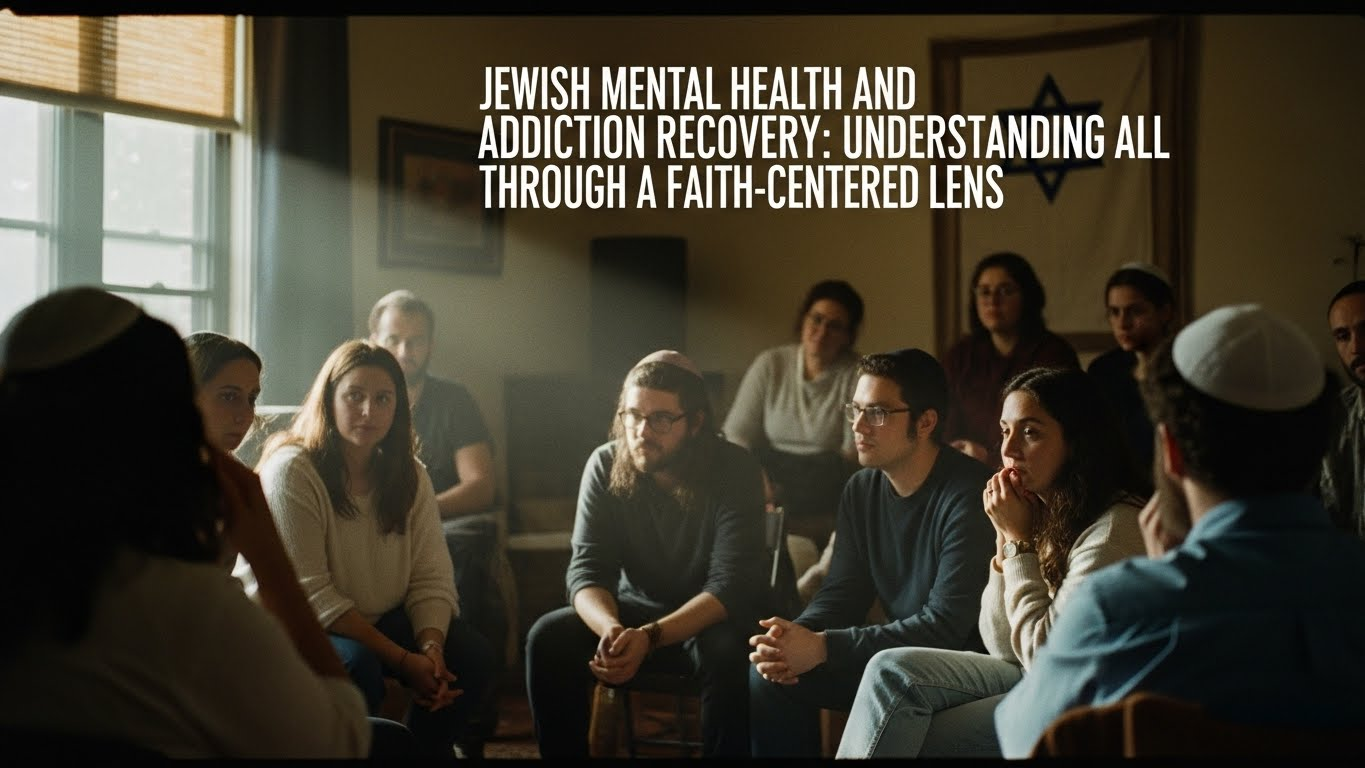
Recovery from addiction takes courage and honesty, and faith becomes a significant aspect of your life. Healing to many individuals who have ties to Jewish traditions will refer to restoring the values of community, self-introspection, and taking care of oneself and the mind. This method combines ethical care and spiritual counseling with quality treatment; thus, a Jewish mental health rehab will be both helpful and comfortable.
This course instead sees addiction or mental health struggles as an opportunity to grow and transform, instead of a failure. Grounded on the ancient Jewish beliefs of moderation and caring, recovery is not merely the cessation of bad habits, but an opportunity to reconstruct with a goal in mind. In this blog, we are going to discuss the importance of faith in mental health and addiction recovery, and how Jewish rehab and community-based support can really make a difference.
The Role of Faith in Addressing Mental Health and Addiction
When mental health issues and addiction get all knotted up, faith shows up like a steady hand on your shoulder. It sees you as one complete package-thoughts, physical self, and spirit-and mending one spot naturally bolsters the rest. From a Jewish angle, this makes the whole recovery feel like a soft comeback, loaded with quiet optimism and solid backbone.
These ideas and mainly the jewish and kosher drug rehab program shift the spotlight away from guilt and toward real progress, carving out room for changes that stick. Centers that build on this mix of counseling with everyday rituals that keep you rooted, lightening the load of those rough patches.
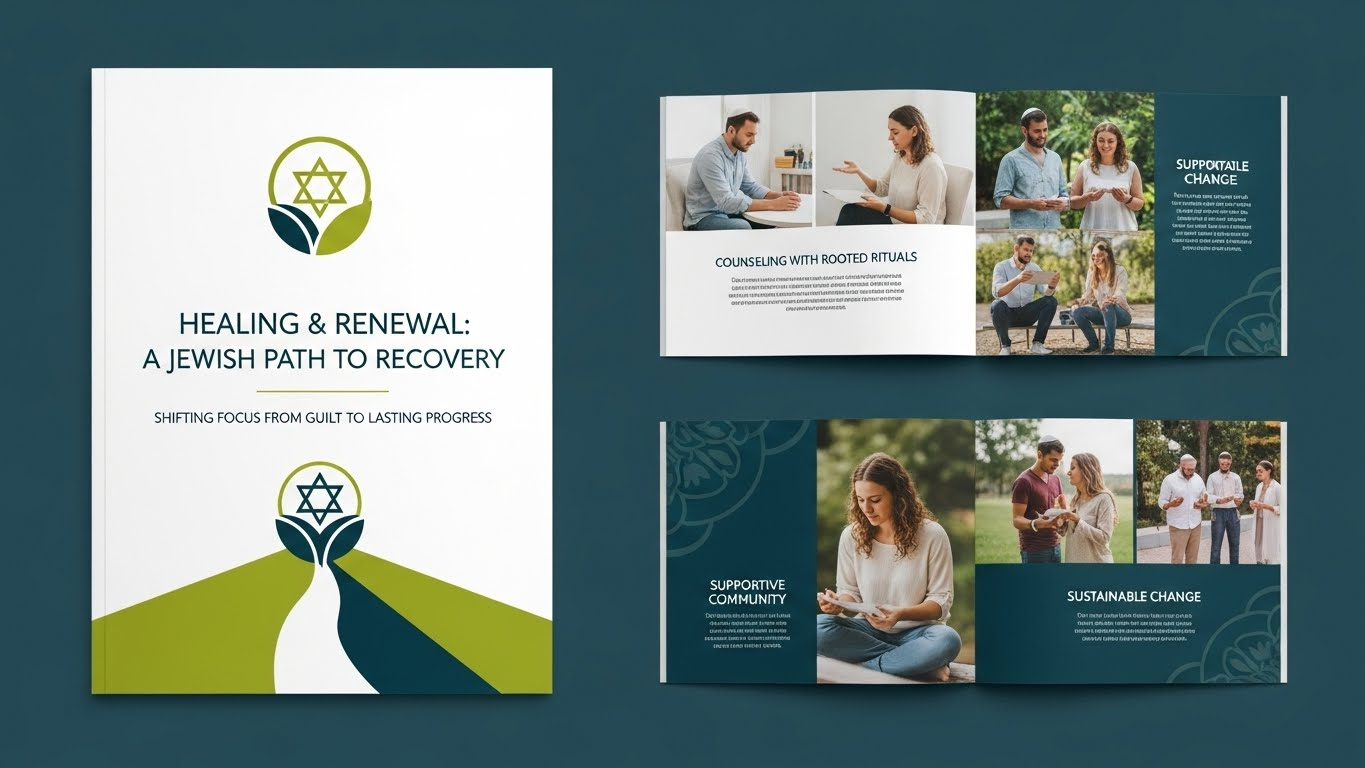
Here’s how faith really steps up in the mix:
- Building Inner Resilience: Simple Jewish habits, like saying a quick prayer each morning, set a calm pace that quiets the storm of urges, letting you step back and link up with your true self bit by bit.
- Fostering a Sense of Purpose: Lessons on giving thanks flip those tiny steps forward into nods at all the good stuff life drops in your lap, pushing you onward even if the road drags a little.
- Encouraging Self-Compassion: The whole teshuvah thing-about circling back-shows that stumbles are just the messy side of being human, not total busts, so you start easing up on yourself instead of piling on the criticism.
- Strengthening Emotional Tools: Chats drawing from Torah tales help sort through old wounds and feelings, handing you practical ways to tackle tension without falling back on what used to numb it out.
- Promoting Lasting Mindset Shifts: Tying clean living to spiritual steps gives your decisions a bigger “why” that feels right in your bones, turning the long haul into something that flows more than it fights.
Exploring Jewish Drug and Alcohol Rehab Options
Picking a treatment spot that clicks with your roots can change everything right from the jump. A Jewish drug and alcohol rehab keeps your customs right there with you, so the healing doesn’t force you to ditch what makes you, you. It layers in strong clinical work with those homey touches, from group meals to marking holidays together.
This setup cuts down on the worry of drifting from your background while everything shifts. Rather, it turns those familiar pieces into real energy for getting well, setting up a spot where you can zero in on the work ahead.
Let me lay out what makes these choices pop:
- Respect for Daily Rituals: These places set aside peaceful corners for prayers or a bit of reading, so you hold onto those soul-soothing routines even as therapy ramps up and days get full.
- Community-Focused Healing: Sitting in circles with folks who catch your nods to shared stories sparks fast connections, easing that alone feeling and opening doors to raw talks without extra backstories.
- Holistic Therapy Blends: Therapists fold in Jewish insights next to tried-and-true stuff like cognitive behavioral work, hitting both the nuts-and-bolts of habits and the bigger “what does it all mean” questions.
- Family Involvement with Care: Guided meetups help relatives wrap their heads around the process, pulling from ideas of mending to fix up bonds worn thin by hidden struggles or crossed wires.
- Personalized Aftercare Plans: Custom roadmaps come with regular touch-bases that nod to your beliefs, smoothing the handoff to daily life so it lands soft, not like a jolt.
The Importance of a Supportive Environment in Recovery
Once the heavy lifting of core treatment eases off, holding the line takes smart setup, and that’s where thoughtful housing fits right in. These spots hand you guardrails that feel flexible, not stiff, so you can try out fresh patterns in a cushioned space. Down in bright Florida spots, things like Jewish sober living in Delray Beach mix easy vibes with the flow of Jewish routines.
More than just a place to crash, these setups act like gentle ramps to everyday steadiness. They give you practice runs with a safety net, swapping solo worries for warm links.
What really powers these spaces boils down to a few standouts:
- Structured Daily Flow: Fixed slots for eating or coming together weave in patterns that crowd out disorder, freeing your mind from constant picks and leaving space for quiet mending.
- Peer Accountability Gently Done: Sharing space with path-walkers like you turns light check-ins into buddy chats, not bossy watches, growing faith through swapped tales, and those little high-fives.
- Kosher and Cultural Fit: Food whipped up with tradition in mind lifts a weight off, letting you settle in and chase forward motion without side-eyeing every bite.
- Access to Local Resources: Being near temples or circles keeps your spiritual pulse going strong, threading sobriety right into the neighborhood weave for that full-circle belonging.
- Focus on Emotional Safety: Ground rules that prize hearing each other out build a soft landing for old aches to rise and settle, free from fresh digs or side glances.
Closing Out:
Recovery through a Jewish lens offers more than sobriety; recovery can help you redefine your values and self-identity. The combination of faith and professional care makes the healing more stable and rooted.
When you are thinking of a Jewish mental health rehab or a Jewish and kosher drug rehab program, you can find the supportive services at such places as Rocklay Recovery in Delray Beach that will take care of you and your wellbeing, as well as your beliefs. Consulting us could be the solution to a better, more well-balanced future based on faith and stability. Visit our website and explore more about our recovery programs!
FAQ Section
Q1: How does Jewish faith support addiction recovery in daily life
Faith adds purpose, daily structure, and compassion, helping people heal mind, body, and spirit together with deep care.
Q2: Why choose a Jewish and kosher drug rehab program today now
It respects culture and diet while offering proven care, making recovery feel safe, familiar, and focused with true care.
Q3: What makes Jewish sober living in Delray Beach helpful more
It blends structure, community, and kosher living, so people practice sobriety with support and balance with steady help.


