


Why Jewish Sober Living in Florida Is Becoming a Preferred Path for Long-Term Recovery?
January 27, 2026
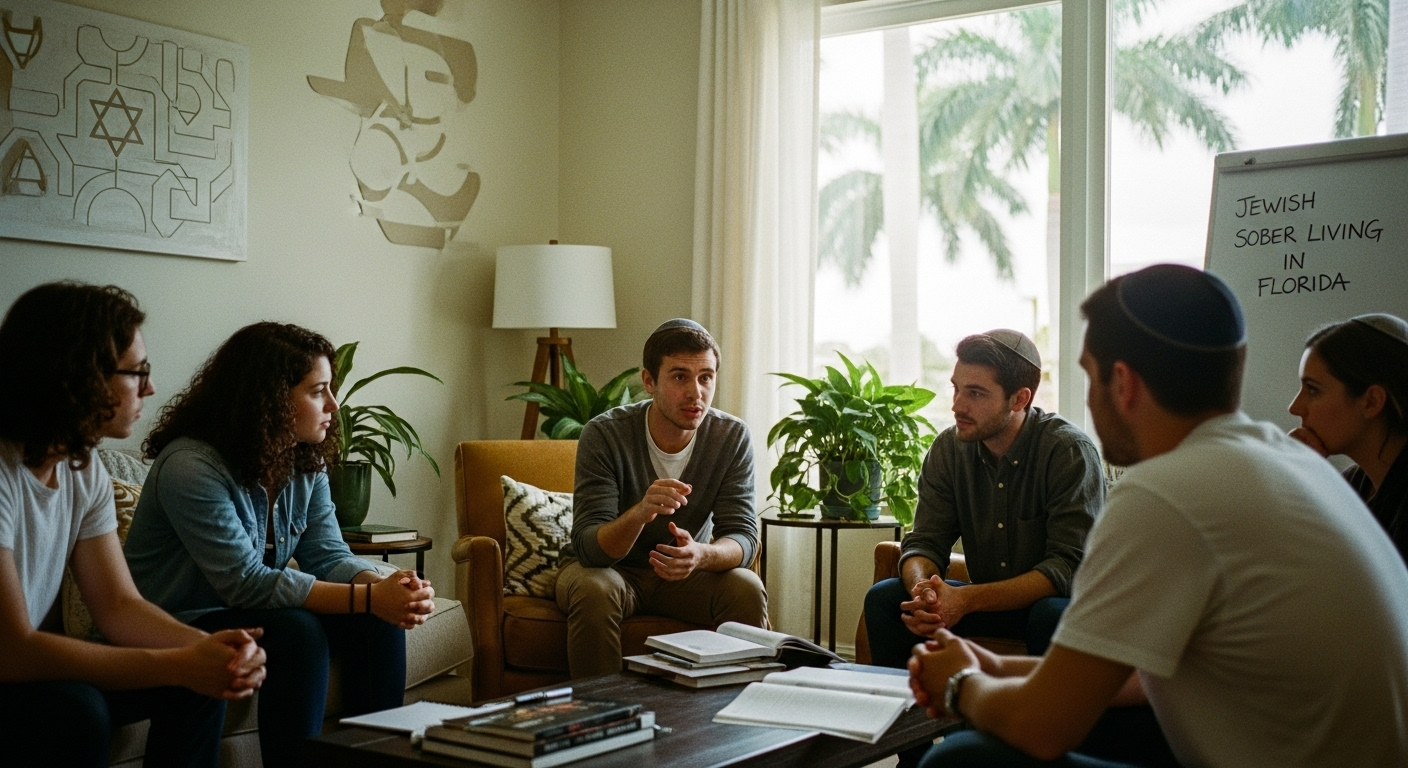
Ever felt like regular rehab leaves you hanging once the real-world kicks back in? Jewish sober living changes that. Just imagine, you’re stepping out of rehab, craving support, structure or something deeper than just staying sober. You want to be in a space where Shabbat dinners happen, kosher meals are the norm, and your faith isn’t an add-on-it’s the foundation. That’s exactly what’s drawing more folks to Jewish sober living in Florida .
It’s catching on because it blends solid recovery tools with Jewish life in a way that feels comforting and genuine. Kosher food on the table, time to observe Shabbat, friends who understand your background-these things make sticking with sobriety easier and more meaningful. In this blog post, we’ve covered why this approach is winning hearts for long-haul recovery. Read on to know.
The Rise of Kosher-Focused Recovery Homes in Florida!
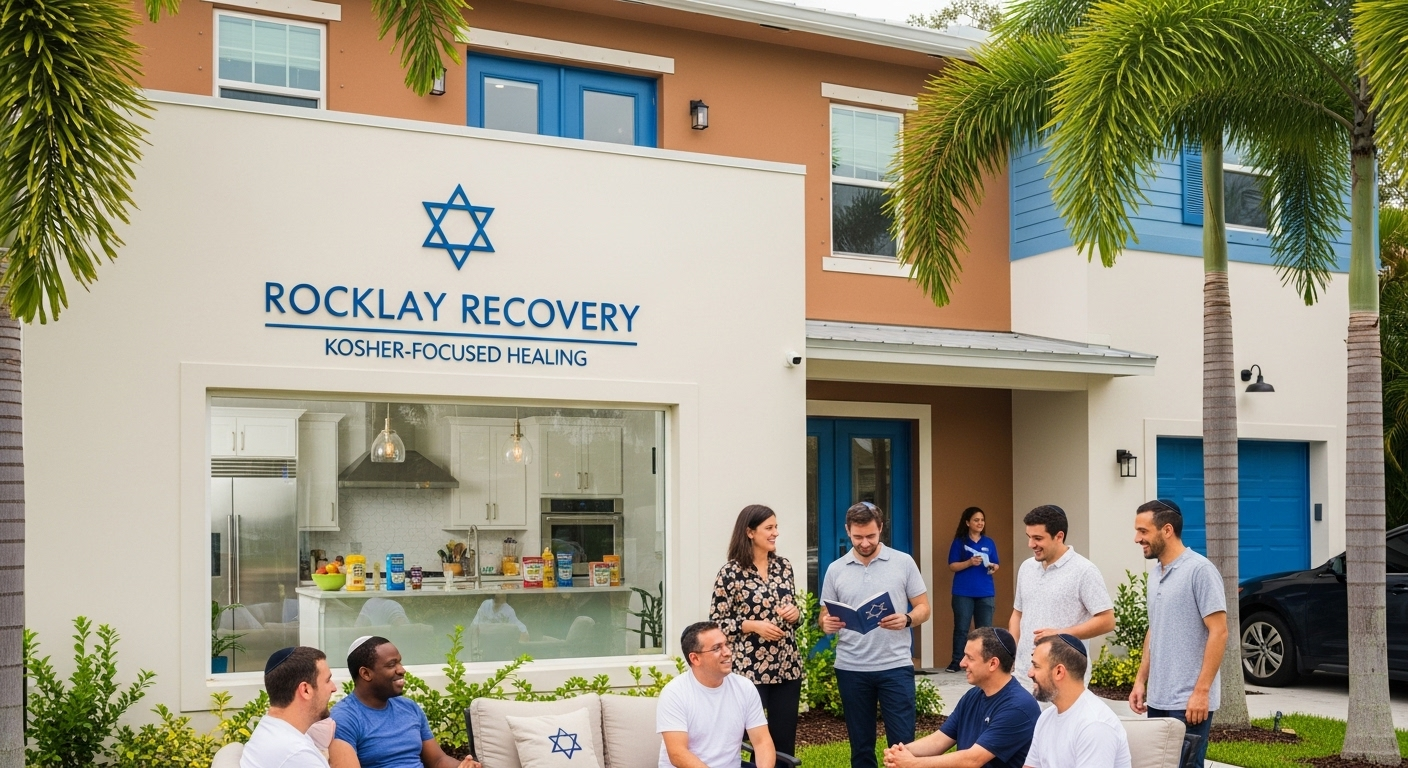
Florida’s recovery scene has been strong for years-great weather, lots of meetings, and a big sober crowd. Lately, though, kosher-focused homes are really taking off, especially around South Florida.
These places stand apart because they’re built for Jewish individuals or anyone who wants that cultural fit. Kosher meals aren’t an afterthought; they’re standard. Daily life weaves in Jewish values like gratitude and mindfulness. This is where Rocklay Sober Living comes in, with welcoming homes in Delray Beach, Boynton Beach, and other parts of Florida. They keep men’s and women’s houses separate for privacy and comfort, and everything feels serene yet structured.
Individuals prefer these places because the healing process will be more complete when the surrounding is in accordance with your traditions. Peer support with people who have had the same experience, as well as a feeling of belonging, comes in handy in those uncertain first days. No wonder more of them are going to this-it is recovery that does not interfere with your entire being.
Why Jewish Sober Living Is a Preferred Choice for Long-Term Recovery?
What draws people to Jewish sober living in Florida for the long game? It’s a smart mix of practical help and heartfelt connection.
- It Matches Faith and Culture Seamlessly- Traditions like keeping kosher and marking holidays aren’t extras-they’re built in. This alignment gives spiritual strength that makes sobriety feel natural instead of forced.
- Clear Daily Routines Keep You Steady- Structured days with meals, chores, meetings, and sober outings create healthy patterns. Accountability from housemates and staff who understand Jewish life helps you stay on track without feeling judged.
- True Peer Bonds Form Fast- Living with people from similar backgrounds means real talk and shared laughs over familiar things. Those connections turn into lasting support networks.
- Nourishes Body and Spirit Together- Good kosher food supports physical health, while Jewish teachings encourage reflection and thankfulness. It’s full-circle care that lifts mood and purpose.
- Perfect Bridge After Treatment – Coming from a Jewish Drug Rehab Program or Jewish rehab? These homes ease the transition with guidance, sober companions, and life skills, so independence doesn’t hit too hard.
- Comfortable and Inviting Setting- Serene houses, beach nearby for walks, luxury touches-the warm Florida vibe makes recovery feel hopeful instead of heavy.
All this adds up to a path that’s effective because it feels right.
Young Adults and Identity: How Jewish Sober Living in Florida Helps Rebuild Confidence and Purpose
For younger folks, addiction often messes with figuring out who you are. Jewish sober living in Florida gently helps put those pieces back together.
- Rediscovering Jewish Roots – Many step away from traditions during hard times. Here, simple acts like prayers or holiday prep bring back a sense of identity and connection.
- Confidence Grows Through Everyday Wins– Sticking to routines, helping out, showing up-these small successes stack up. Peers cheer you on, swapping old doubt for real pride.
- Purpose Starts to Take Shape – Once sober, there’s room to chase interests and goals. Jewish ideas about making the world better inspire giving back, turning recovery into something bigger.
- Handles the Extra Stuff– Anxiety, low mood, or other issues often tag along. The understanding atmosphere makes it easier to open up and get support that fits.
- Safe Space for Real Belonging – No pretending needed. Shared stories create trust and hope that keep you moving forward.
It’s about more than staying clean-it’s growing into who you want to be.
How to Choose a Jewish Sober Living Home in Florida?
Picking the right one? Here’s your no-fuss guide:
- Feel the Faith Fit: Kosher kitchen? Shabbat setup? Visit Jewish sober living in Boynton Beach to sense the real deal.
- Spot the Structure: Drug checks, routines, support? That’s your safety net.
- Location Perks: Near Delray Beach synagogues? Bonus for easy community ties.
- Hear Success Stories: Chat alumni-real tales beat promises.
- Check Extras: Therapy links, job help? Jewish Drug Rehab Program transitions shine here.
- Trust Your Gut: Tour, talk residents. If it clicks, go for it.
Bottom Line
Jewish sober living in Florida isn’t a trend-it’s a lifeline blending faith, friends, and fresh starts. From Boynton Beach energy to Delray Beach peace, it’s helping folks thrive long-term. Curious to know more? Rocklay Sober Living got the kosher comfort and crew to guide you – call us now to take the first step towards recovery.
FAQs
Q. What’s the difference between Jewish rehab and sober living?
A. Jewish Drug Rehab Program focuses on detox and therapy; sober living builds daily life skills post-rehab.
Q. Are these homes only for strict observers?
A. Nope-open to all Jews seeking support, from cultural to observant.
Q. Can I visit or tour before deciding?
A. Most places, including Rocklay Sober Living, offer consultations or visits to help you see if it’s right.
Q. How long do people usually stay?
A. It depends on your people needs-many use it as a few months’ bridge to independent living, with flexible support.


