


Why Seasonal Activities Matter in Transitioning from Jewish Drug Rehab?
January 29, 2026
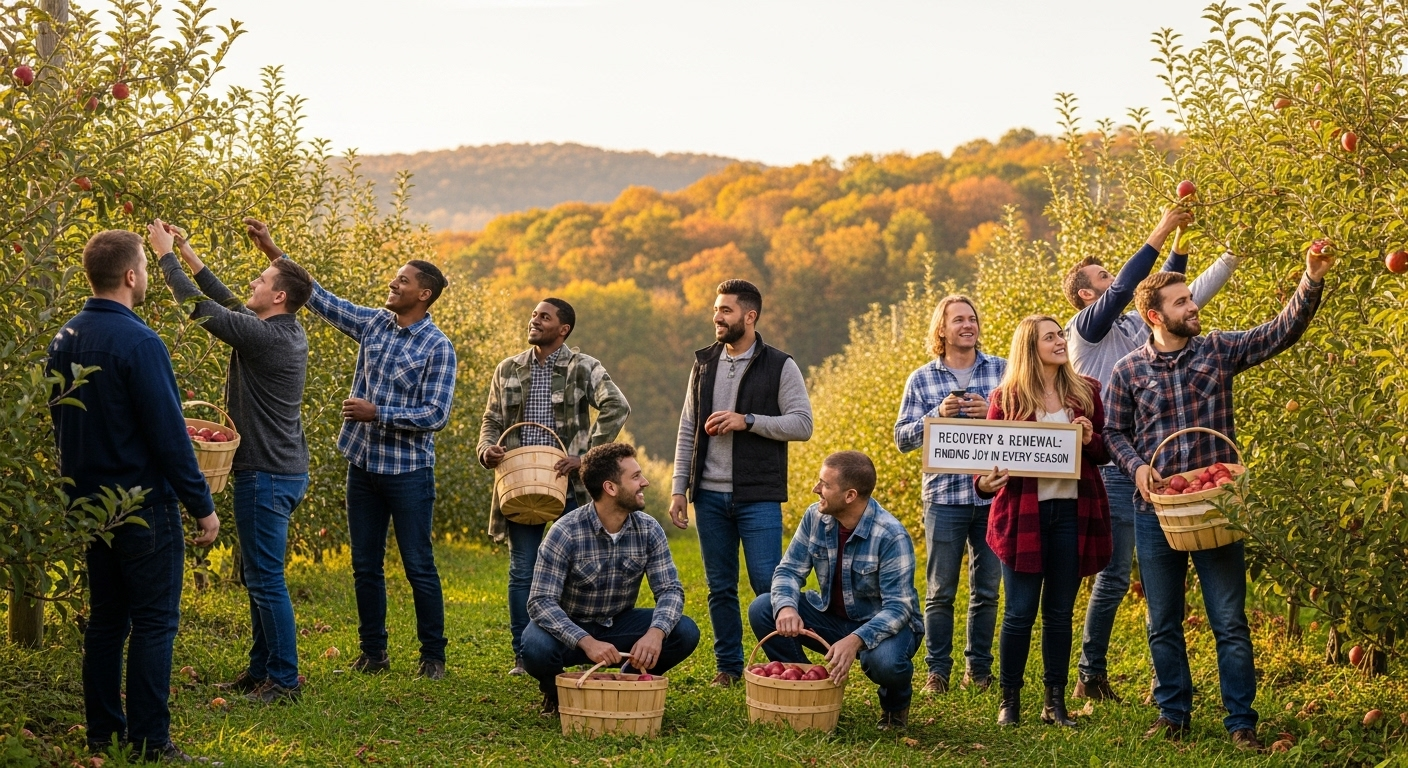
Seasonal activities can play a decisive role in the weeks and months after treatment, when structure decreases and everyday triggers return. After Jewish drug rehab, purposeful routines, such as outdoor exercise, community volunteering, and holiday-aware planning, help stabilize mood, strengthen coping skills, and reduce idle time that can lead to cravings. They also create healthy opportunities for connection while respecting religious practice and cultural priorities.
In places like Florida, year-round sunshine and accessible outdoor spaces can make it easier to maintain consistent, recovery-supportive habits without compromising identity.
Understanding the “Transition” In Recovery
Transition is generally defined as the process involving the time following a higher level of care (residential treatment, partial hospitalization, or intensive outpatient) when an individual returns to greater independence. Clinically, this stage often includes:
- Rebuilding daily routines.
- Strengthening coping skills in real environments.
- Reconnecting with family and community in healthier ways.
- Maintaining continuity of care (therapy, peer support, medication management when appropriate).
For Jewish patients, the transition can also include returning to religious rhythms, community expectations, and holiday-based gatherings where food, alcohol, and social pressure may be present. A culturally responsive Jewish rehab approach typically anticipates these factors and helps patients plan for them with practical tools.
The Science: Why Seasonal Activities Support Recovery?
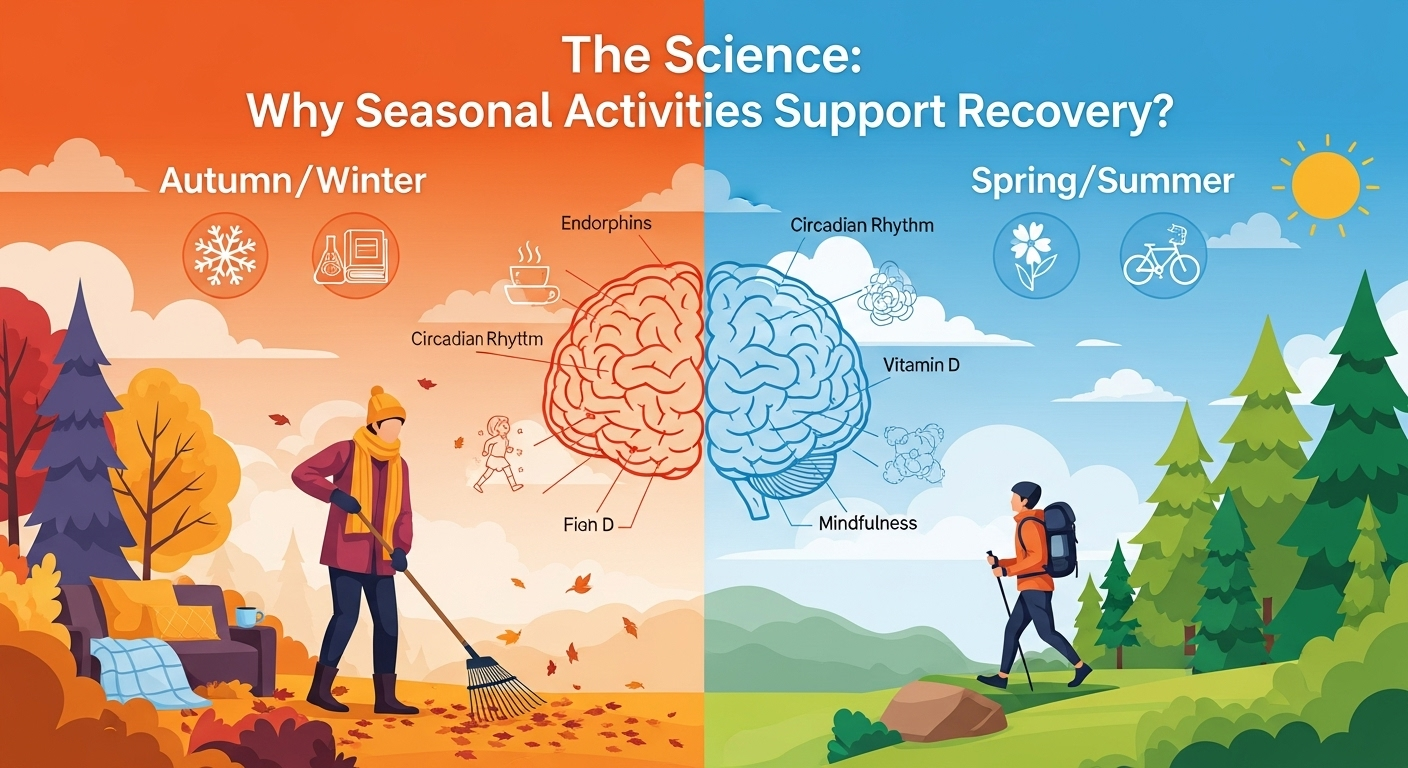
Seasonal activities can be more than “staying busy.” When selected intentionally, they support several evidence-informed recovery mechanisms.
Routine Protects the Recovery Brain
Early recovery benefits from consistency. Predictable activities reduce decision fatigue and help the brain re-learn steady reward from healthy behaviors rather than substances. A weekly schedule that includes movement, skill-building, and social connection can lower relapse vulnerability.
Movement Improves Mood and Stress Tolerance
Physical exercise and outdoor activity may help regulate dopamine, decrease anxiety symptoms and improve sleep quality. Even moderate exercise (walking, swimming, yoga) may serve to strengthen skills in tolerance to distress and give a healthy change of state when there are cravings.
Nature Exposure Can Reduce Stress Load
Outdoor activities are linked to elevated mood and lowered perceived stress by most individuals. This is important in the process of transition, as stress is a relapse driver that is prevalent. An unchanging routine, such as the morning sunlight exposure or beach walk on a weekly basis, can work as a stabilizer.
Seasonal Milestones Create “Anchors” For Goal-Setting
Change of work-week (new school years, holiday periods, summer timetables) is something that naturally prompts thinking and organizing. These milestones can be called on to make 30/60/90-day objectives, assess triggers, and incorporate supportive activities prior to high-risk episodes in recovery.
Why Florida’s Weather Can Be a Practical Advantage?
Florida’s climate is especially beneficial for patients who enjoy outdoor activities all year round. The higher temperatures and regular sunshine allow easier upkeep of activities to favor recovery, including:
- Regular morning walks for circadian rhythm support.
- Outdoor group meetings, volunteering, or community events.
- Water-based exercise that reduces joint strain.
- Wintertime routines without long interruptions from snow or extreme cold.
This consistency is not a cure, but it can remove a common barrier: when weather repeatedly disrupts healthy plans, people may revert to isolation, irregular sleep, and unstructured time. Florida’s relative predictability can make adherence to recovery routines simpler.
Cultural Continuity: Protecting Recovery without Sacrificing Identity
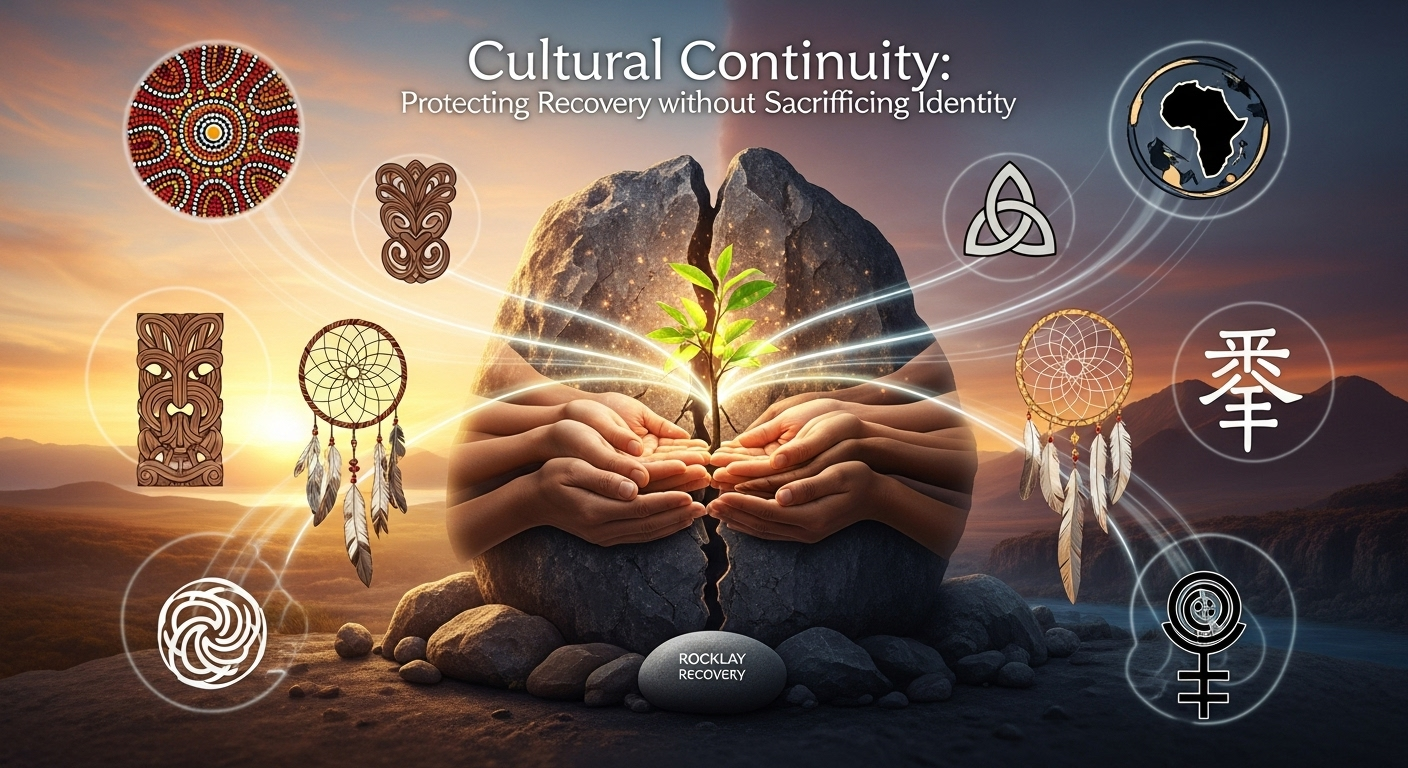
Transition is not only about avoiding substances; it is also about rebuilding a life worth protecting. For Jewish patients, identity, community, and religious practice can be central sources of meaning- important protective factors in relapse prevention.
A culturally responsive program may offer support such as:
- Shabbat-aware scheduling (so clinical and recovery routines do not clash unnecessarily).
- Access to prayer/meditation spaces and opportunities for spiritual practice.
- Coordination with community resources and sober supports.
- Family involvement that respects religious norms and communication styles.
For those who keep kosher, a Kosher drug rehab environment can reduce daily friction and help patients focus on treatment goals rather than constantly negotiating food access and religious accommodations. Likewise, a Jewish and Kosher drug rehab program can reduce “cultural strain,” which can otherwise become a quiet stressor during transition.
Seasonal Activities Through A Jewish Lens: Examples That Reinforce Recovery
Not every activity is equally helpful. The best seasonal activities are those that are values-aligned, socially supportive, and low risk.
Fall & Winter: Structure and Reflection
- Volunteering projects tied to community needs.
- Nature walks with reflective practices (gratitude journaling, mindful breathing).
- Skill-building classes that create weekly accountability.
Spring & Summer: Energy, Connection, and Relapse-Prevention Planning
- Outdoor fitness routines that replace old “weekend patterns.”
- Sober social events in daylight hours.
- Water activities that reduce stress and improve sleep.
Warmer seasons can increase social invitations and unstructured time. A plan that includes scheduled recovery meetings, sponsor check-ins, and pre-commitments (rides, exit strategies, supportive companions) can help patients enjoy the season without unnecessary risk.
Step-By-Step: A Seasonal Activity Transition Checklist (First 90 Days)
Use this checklist to build a practical plan that supports sobriety while protecting cultural and religious needs.
- Choose two “non-negotiable” weekly anchors
- Examples: one therapy session, two peer-support meetings, one family check-in, one Shabbat-friendly reflective practice.
- Add three movement slots you can sustain
- Aim for realistic commitments such as 20–30 minutes of walking 3 times per week.
- Identify seasonal triggers and write one response plan per trigger
- Examples: holiday meals, family conflict, travel, loneliness, financial stress, or workplace celebrations.
- Build a sober social calendar for the season
- Schedule at least two low-risk social activities per month (daytime, structured, with supportive people).
- Set food and practice supports in advance (if relevant)
- Confirm kosher access, plan grocery routines, and coordinate religious observance needs so daily life feels stable.
- Create a “weather-proof” backup routine
- If outdoor plans fall through, use an indoor substitute (home workout, museum visit, therapy workbook, online support meeting).
- Review the plan every two weeks with a clinician or sponsor
- Adjust based on cravings, mood, sleep, and real-life schedule constraints.
Final Words
Recovery from addiction is a very hard task in itself. Add to it the worry of leaving your religion behind during the process can lead to constant worry and stress. However, with Jewish drug rehab in Florida, you can ensure that your recovery is a blend of proven clinical recovery methods, all while following traditional Jewish values.
If you are looking for a transformative recovery residence after your recovery, check out Rocklay Recovery.
FAQs
How do seasonal activities reduce relapse risk during transition?
Seasonal routines reduce unstructured time, support sleep and mood regulation, and provide healthy social connection, three factors that commonly influence relapse vulnerability.
Why can Florida be helpful for maintaining recovery routines?
Florida’s milder winters and frequent sunshine can make it easier to maintain consistent outdoor movement, morning light exposure, and scheduled activities year-round.
What should observant patients look for in culturally responsive care?
Look for respectful scheduling around Shabbat and holidays, access to prayer/spiritual space, family-inclusive planning, and staff who understand how culture can affect stress and support.
Are outdoor activities enough to replace formal aftercare?
No. Outdoor activities can strengthen recovery, but they work best alongside structured aftercare such as therapy, peer support, and a relapse-prevention plan.
What if holidays and family gatherings are high-risk triggers?
Plan in advance: set time limits, bring a supportive person, arrange transportation, practice refusal scripts, and schedule a meeting or check-in before and after the event.


