


Faith, Food & Fellowship: How Kosher Living Strengthens Healing in Jewish Rehab Communities?
February 12, 2026
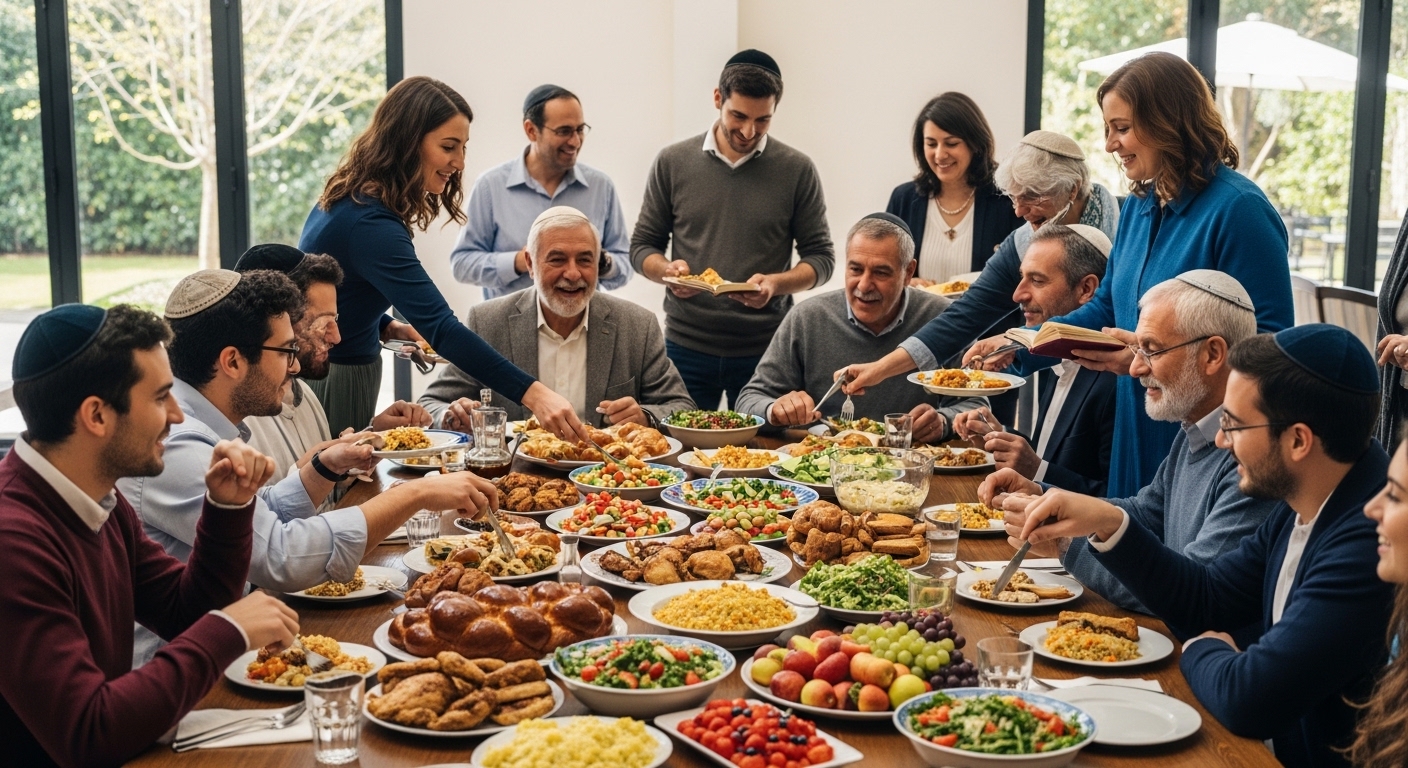
One of the, if not the biggest, challenges throughout the recovery process is modifying your behavior. Many might think that the only behavior that needs to change is substance consumption. However, recovery is never only about stopping a behavior. It is about changing your daily life in a way that supports stability, meaning, and connection. For many Jewish individuals and families, rebuilding naturally includes spiritual practices, community rhythms, and food traditions that have shaped identity for years. However, the challenge many faced in the past were the lack of recovery facilities that allowed recovery without compromising the beliefs.
A well-designed Jewish rehab setting can use those familiar anchors to reduce stress, strengthen trust, and make treatment feel safer and more personal. Kosher living, in particular, can turn everyday choices -meal timings, shopping, cooking, and blessings – into reliable, grounding routines that reinforce healing.
What “Kosher Living” Means In Treatment?
Kosher living in a clinical environment is not a single feature- it is a system. It can include kosher-certified food sourcing, separate preparation standards, Shabbat and holiday accommodations, and sensitivity to different levels of observance.
Just as importantly, it includes clinical flexibility. In Jewish law, preserving life and health is paramount, so treatment teams can collaborate with rabbinic guidance when medical needs and observance questions overlap.
Why Structure Supports Recovery?

Many people enter treatment after months or years of unpredictabilities that may include cravings, mood swings, disrupted sleep, strained relationships, and shame. Recovery improves when the day becomes predictable again.
Kosher practices add healthy structure without feeling forced. Consistent meals, prayers and taking time to take a break make it a habit to go slow, manage feelings and refocus on the mission. That predictability can be used in a Jewish drug and alcohol rehab setting to complement evidence-based care, such as CBT, trauma-informed care, relapse prevention planning, and medication management as needed.
Faith & Clinical Care: A Partnership, Not a Trade-Off
Some people worry that religious accommodations will replace clinical rigor, while others worry the opposite, that therapy will ignore spiritual needs. In a high-quality program, there is no need for the clients to choose one.
A Jewish and Kosher drug rehab program can integrate faith supports alongside licensed treatment. That may include optional prayer opportunities, access to a rabbi or chaplain, Torah study groups that focus on resilience and ethical growth, and culturally competent therapy that respects halacha and family dynamics, while still delivering medically supervised detox (when needed), psychiatric evaluation, and individualized treatment planning.
Food as a Therapeutic Tool, Not Just a Meal

Food affects the brain. While nutrition is not a standalone cure, steady intake of protein, fiber, and micronutrients supports energy, sleep quality, and mood regulation. These are the areas that often destabilize during early recovery.
Kosher meals can also reduce decision fatigue. When food options align with religious standards, clients spend less time scanning for “safe” choices and more time engaging with treatment. In a kosher mental health rehab setting, consistent meals and hydration can be a practical part of stabilizing anxiety, depression, or trauma symptoms.
Fellowship: Why Community Matters So Much?
Healing works best in relationships where there is safety, accountability and understanding. The barrier to opening up can be reduced with the help of a shared cultural context. A supportive community can be useful, particularly on topics that are sensitive, such as the issue of stigma, family pressure and fear of being judged by the community.
The Jewish community support may manifest in the form of simple things, like discussions in the communities which recognize the holidays, peer support, which is tolerant in the way it observes the traditions, and family programming that understands tradition about Shabbat dinners and lifecycle events. To most, that feeling of belonging will minimize isolation and enhance follow-through following discharge.
Common Ways Kosher Living Supports Healing
Here are practical mechanisms treatment teams often see:
- Reduced stress through culturally aligned routines and fewer daily conflicts about food and practice.
- Increased engagement when clients feel “seen” rather than having to explain the basics of Jewish life.
- Stronger identity and meaning, which supports motivation during cravings or low mood.
- Better continuity after discharge because routines learned in treatment translate to home life.
- More family involvement when the environment aligns with household standards.
These benefits can apply whether someone is seeking support for substance use, mental health, or both. Many clients need integrated care, and a kosher mental health rehab approach can coordinate therapy, psychiatry, and nutrition while respecting religious needs.
Checklist: Building a Kosher-Supportive Recovery Plan
Use this step-by-step checklist when evaluating options or preparing for admission:
- Confirm kosher standards in writing.
- Ask how the clinical team coordinates with religious support.
- Verify medical and psychiatric coverage.
- Review group programming for cultural competence.
- Discuss nutrition support.
- Clarify community expectations.
- Map aftercare before discharge.
This type of planning is useful whether you are comparing a Jewish drug and alcohol rehab center or considering a Jewish and Kosher drug rehab program that combines clinical intensity with religious structure.
Choosing the Right Fit: Questions that Reveal Quality
A program’s “kosher” label is not enough; you want to understand how it operates. Consider asking:
- Who oversees clinical care?
- How are co-occurring conditions treated?
- What does a typical day look like, and how are Shabbat and holidays handled?
- How are family members involved, and what education is offered to support recovery at home?
- What does aftercare include?
If you are specifically seeking Jewish rehab services, prioritize programs that can clearly explain both their clinical model and their kosher operations, without vague assurances.
Final Words
Recovery is a long process that many often associate with just leaving the substance behind. But in reality, there are so many aspects of recovery and the post-recovery process that many overlook. A Jewish rehab program will combine clinically-proven treatments, all while following traditional Jewish and Kosher practices to ensure that you don’t have to choose between your recovery and religion.
If you are looking to start your Jewish drug, alcohol or mental health recovery in South Florida, consider Rocklay Recovery
for proper guidance.
FAQs
Can kosher food alone treat addiction or mental health conditions?
No. Kosher living can support routines and comfort, but effective care still requires evidence-based clinical treatment.
Do programs accommodate different levels of Jewish observance?
Many do. Ask how they support varying practices around prayer, Shabbat, and holidays.
What if medical needs conflict with kosher rules?
Programs often coordinate with medical providers and rabbinic guidance; protecting health is the priority.
Is family involvement important in recovery?
Often yes. Family education and therapy can improve communication, boundaries, and long-term support.
How can I evaluate quality quickly?
Ask about licensed clinical leadership, detox/psychiatry availability, co-occurring treatment, kosher operations, and aftercare planning.
Key Takeaways
- Recovery Beyond Abstinence: Healing means reshaping daily life with stability, purpose, and connection, not just stopping substance use.
- Kosher as Structure: Kosher routines create predictable, grounding rhythms that reduce stress and support emotional regulation.
- Faith–Clinical Integration: Jewish rehab programs can honor religious practice while delivering evidence-based, medically supervised care.
- Food as Support: Consistent kosher nutrition helps stabilize mood, energy, and focus while reducing decision fatigue.
- Community & Belonging: Shared faith and culture foster trust, reduce isolation, and strengthen engagement during and after treatment


