


Sober Living in Boynton Beach: How to Rebuild Your Routine Without Returning to Old Habits
September 8, 2026
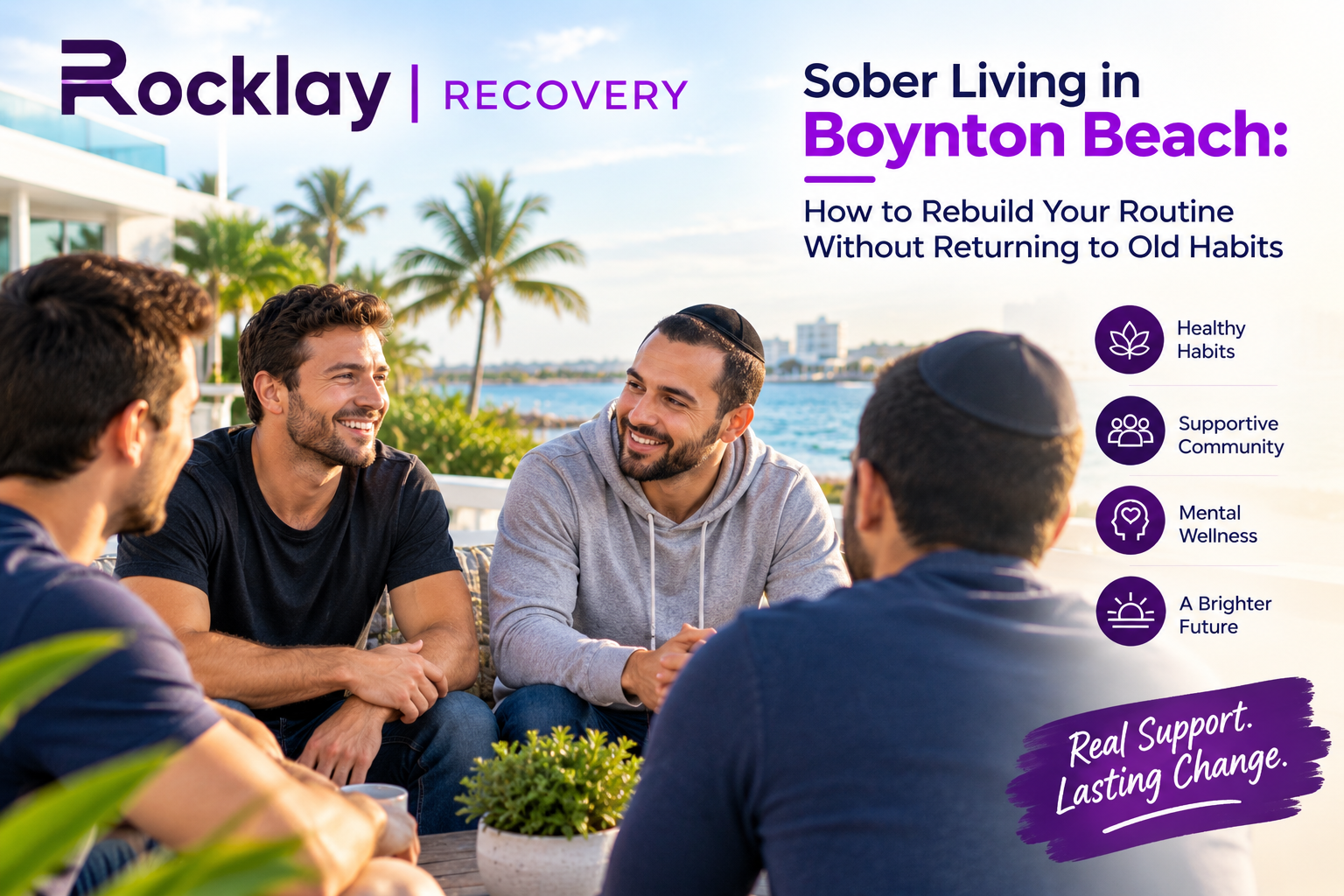
Leaving a residential clinic is a massive victory. But the real work starts the moment you walk out those doors. The heavily structured environment that kept everything safe and predictable is suddenly gone. Without it, slipping backward into destructive behavioral cycles is a very real threat. That is exactly where sober living in Boynton Beach changes the equation. It builds a necessary bridge between intense clinical care and everyday life.
Rebuilding a life means actively constructing fresh, healthy habits to overwrite the old ones. It takes daily grit. A solid community. A strategic approach to scheduling. The thing is, maintaining early recovery hinges entirely on routine. This blog will cover how to establish a structured schedule, manage environmental triggers, and leverage the local community to secure sustainable sobriety.
The Reality of Sober Living in Boynton Beach

Early recovery is incredibly fragile. Unfiltered freedom feels good at first. But freedom without a map is dangerous. Entering a structured home provides a critical safety net. One designed specifically to keep residents completely focused on their primary objective.
It is easy to underestimate how jarring the transition actually is. One day, nurses and therapists account for every hour. The next, you are staring at a completely blank calendar. That void is terrifying. A transitional home fills that void with purpose. It provides a daily rhythm that mimics the real world, but with protective guardrails firmly attached.
Free time is the enemy right now. Idle hours simply let the mind wander backward to dark places. Plus, heading straight back to old environments usually means confronting old triggers head-on.
- Immediate Accountability- Regular drug testing and strict curfew checks keep everyone honest.
- Built-in Fellowship- Living alongside others walking the exact same path builds an unspoken camaraderie.
- Gradual Reintegration- Returning to work or family life happens at a manageable pace.
- Resource Access- Direct connections to intensive outpatient programs ensure help is always available.
Focusing on addiction recovery routine building becomes infinitely easier when everyone inside the house shares the exact same goal.
Stepping Down to a Halfway House in Delray Beach
South Florida remains a massive hub for recovery. Moving from clinical care to a halfway house in Delray Beach or a nearby city closes the gap between medical supervision and total independence. It is a necessary stepping stone.
Did you know?
Studies consistently show that committing to at least 90 days in a structured recovery residence dramatically decreases relapse rates compared to returning directly home after treatment.
These residences demand real, tangible responsibility. Rent must be paid on time. Daily chores handled. Busy schedules managed. But all of this happens within a highly insulated environment.
- Shared Responsibilities- Chores teach crucial discipline and respect for communal spaces.
- Financial Independence- Managing a strict personal budget for groceries rebuilds vital life skills.
- Conflict Resolution- Living closely with roommates forces healthy communication.
- Structured Freedom- Residents still have the autonomy to make choices and face natural consequences.
Seeking out specific cultural foundations- like stepping down from a Jewish rehab–ensures individuals can easily maintain their spiritual practices during this fragile transition. And utilizing effective relapse prevention strategies in Florida provides the necessary armor against unexpected stress.
Step-by-Step: Crafting Daily Routines in Sober Living in South Florida

Routine eliminates decision fatigue. When the day is mapped out, there is far less room for impulsive choices. Here is exactly how to rebuild a bulletproof daily schedule while engaged in sober living in South Florida.
Step 1- Anchor the Morning
- Wake up at the exact same time every single day.
- Make the bed immediately to secure an instant sense of accomplishment.
- Incorporate mindfulness or prayer before ever looking at a smartphone.
Step 2- Lock in Non-Negotiable Responsibilities
- Block out exact hours for work, school, or intensive outpatient treatment. Protect these time blocks fiercely.
- Allocate specific windows for household chores and weekly grocery shopping.
Step 3- Prioritize Recovery Meetings
- Schedule support meetings just like mandatory medical appointments.
- Lean heavily on the Boynton Beach recovery community to find specific groups that resonate on a personal level.
Step 4- Schedule Physical Wellness
- Set aside 45 minutes for rigorous exercise or light stretching to release natural endorphins.
- Plan meals ahead of time to avoid poor nutritional choices that negatively affect mood.
Step 5- Establish an Evening Wind-Down
- Disconnect from televisions and glowing screens at least an hour before sleep.
- Reflect on the day through written journaling to unpack daily stressors.
- Aim for 7 to 9 hours of quality sleep so the brain can properly heal.
Identifying Triggers and Setting Boundaries
Relapse rarely happens in a sudden moment. It builds up slowly over time, usually through completely unmanaged triggers. Living in a structured environment helps identify these warning signs long before they lead to a physical slip.
Sometimes triggers are obvious. A text from an old dealer. Other times, they are incredibly subtle. A familiar smell on the breeze. Maintaining sobriety in halfway houses requires constant vigilance regarding emotional health and environmental awareness.
The thing is, ignoring a trigger gives it immense power. Acknowledging it out loud strips that power away immediately. That is a core lesson learned while experiencing sober living in Boynton Beach.
- HALT Method- Always pause and check if you are Hungry, Angry, Lonely, or Tired.
- People- Strictly avoid individuals who are still actively using or who dismiss the sober lifestyle.
- Places- Take alternate driving routes to avoid passing old hangouts or neighborhood liquor stores.
- Emotions- Severe stress and mundane boredom can easily trigger intense cravings out of nowhere.
Setting strict boundaries is difficult at first. Early recovery demands a somewhat selfish focus on personal well-being. People who knew you during active addiction often expect the old version to show up. When the new, sober version arrives, it makes them uncomfortable.
Here’s why protecting the daily routine always takes priority over pleasing others.
- Learn to Say No- Politely decline invitations to any social events where substances will be present.
- Limit Toxic Contact- Temporarily step back from family dynamics that cause severe anxiety. Trust your gut.
- Communicate Clearly- Tell loved ones exactly what is needed for support without leaving room for ambiguity.
Navigating Financial Independence Safely
Financial wreckage is a very common side effect of active addiction. Debt doesn’t vanish overnight. Creditors might still call. Rebuilding credit scores and managing a steady paycheck are massive stress inducers during the first year of recovery.
Sudden access to liquid cash can also act as a surprisingly powerful trigger. In the past, having a pocket full of cash meant one thing. Securing the next high. When you get that first paycheck in early recovery, the brain immediately associates the physical money with substance use. Rewiring that mental association takes time and repetition.
Relying on the structured support found in sober living in Florida helps residents slowly take back financial control- all without becoming entirely overwhelmed by the process.
- Create a Strict Budget- Track every single dollar coming in and going out.
- Automate Bills- Set up automatic payments for rent and utilities to ensure housing obligations are met first.
- Limit Liquid Cash- Keep money safely in a checking account. Carrying cash might trigger impulsive spending.
- Seek Financial Mentorship- Ask a financially stable peer for advice on tackling old debts systematically.
Addiction thrives in total isolation. Recovery thrives in community. Rebuilding a healthy routine must include honest connections with others walking the exact same path. Engaging heavily with aftercare programs for substance abuse keeps the mental focus razor-sharp. It actively prevents the dangerous drift toward long-term complacency.
Key Takeaways
- Structured routines actively eliminate the dangerous free time that often leads directly to a relapse.
- Choosing a structured residence ensures built-in accountability and immediate, round-the-clock peer support.
- Anchoring morning and evening habits sets a highly disciplined tone for the entire day.
- Identifying internal and external triggers early prevents minor emotional setbacks from becoming full relapses.
- Staying actively involved in the local recovery fellowship prevents the dangerous drift toward long-term complacency.
Final Words
Rebuilding a life requires much more than just stopping substance use. It demands total behavioral change from the ground up. Establishing non-negotiable daily routines is the single most effective way to prevent falling back into old, destructive cycles. Engaging fully with sober living in Boynton Beach gives people the necessary time, safe space, and community support to cement these new habits forever.
Ready to take the next step in securing a lasting recovery? Visit Rocklay Sober Living today to explore expert resources, find tailored housing options, and build the rock-solid foundation your future deserves.
FAQs About Sober Living in Boynton Beach
Q1: How long should someone stay in a transitional recovery residence?
Professionals strongly recommend a minimum stay of 90 days for the best long-term outcomes.
Q2: Can residents work or go to school while living in these homes?
Yes, reintegrating into work or educational programs is heavily encouraged and supported.
Q3: Are there strict rules to follow in a recovery house?
Residents must strictly adhere to curfews, mandatory drug testing, and regular household chores.
Q4: What happens if a resident breaks the sobriety rule?
To protect the household, staff typically remove the individual immediately and redirect them to higher-level clinical care.
Q5: Do these residences provide medical or clinical treatment?
No, they strictly provide supportive housing while residents attend external outpatient clinical programs.


