

Best Sober Living Homes in Florida: What to Look for Before You Choose!
June 8, 2026
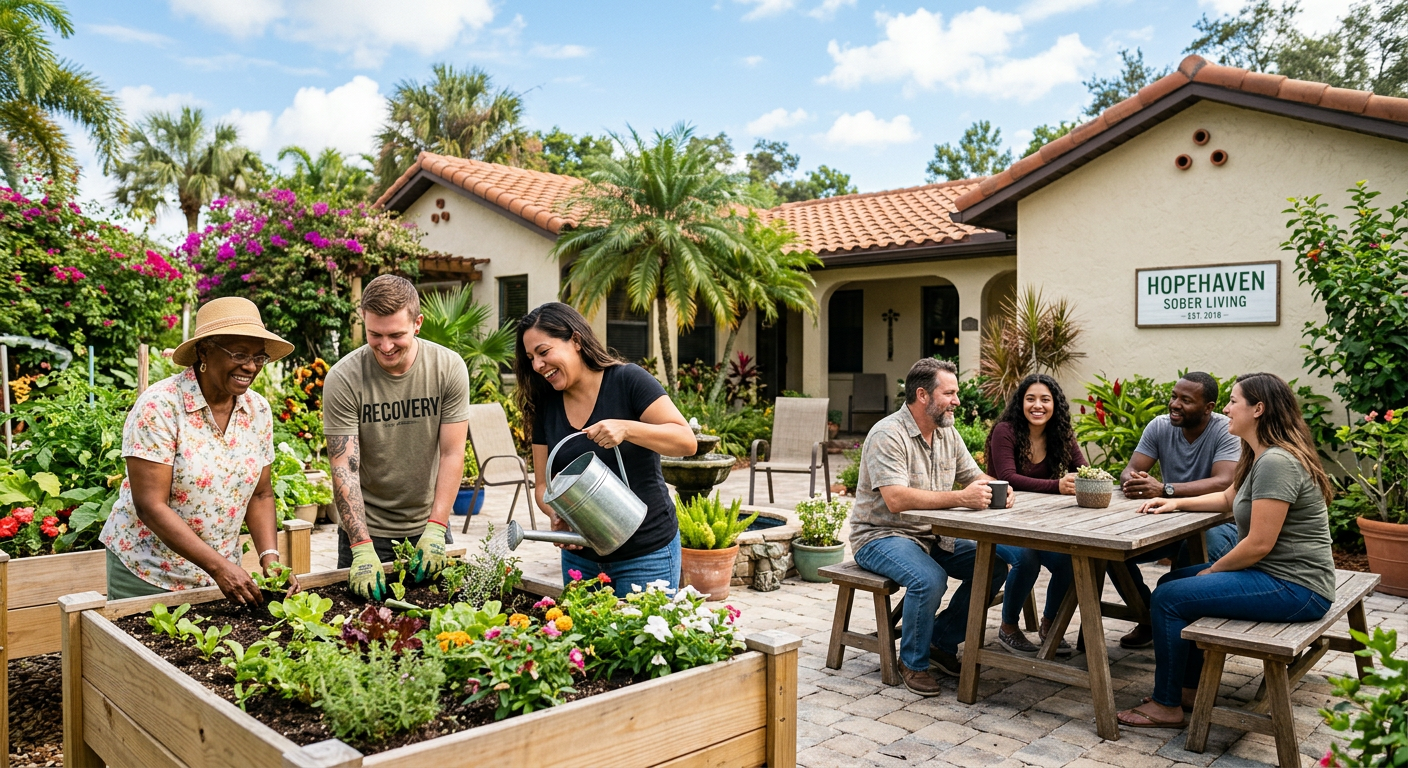
So, you (or someone you love) is ready to take the next step after treatment. That’s huge. But here’s the thing: choosing a sober living program isn’t easy. The right environment can be the difference between relapse and lasting recovery.
Florida, in particular, has a reputation for being a hub of recovery communities. From South Florida to the Gulf Coast, there are hundreds of sober living options. But not all of them are created equal. Some are genuinely transformative. Others? Not so much.
In this blog post, we’ve covered all about what to look for when choosing the right sober living program in Florida. Read on to know.
Why Choosing the Right Sober Living Home in Florida Matters
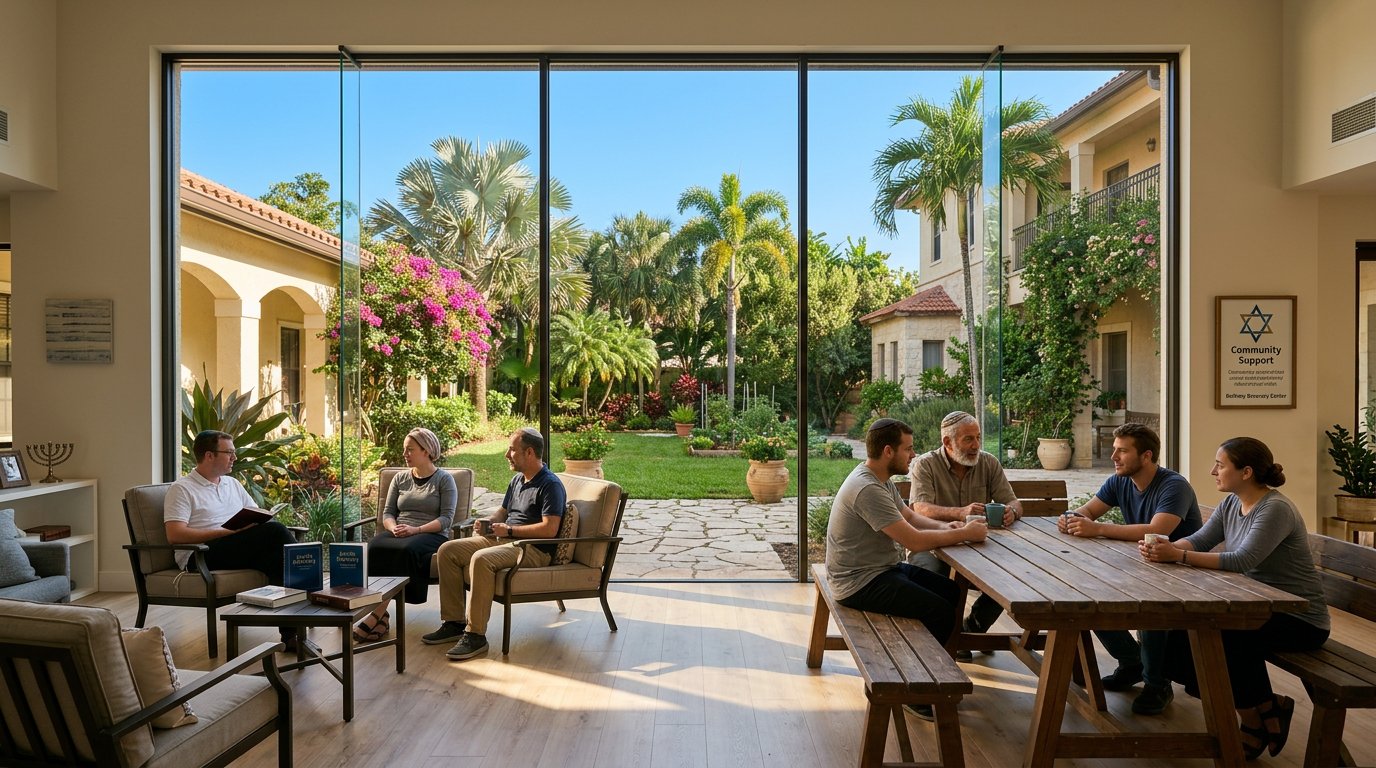
Florida has more recovery residences than almost any other state. That’s great in theory. In practice, it means you have to be a smart shopper. The move from rehab back into daily life is genuinely risky. Research shows people who step into structured sober living homes after treatment do significantly better long-term than those who go straight back to their old environment. The routine, the people around you, and the values of the place you land – they all matter. A lot.
If your faith or cultural identity is part of who you are, it matters even more. A home that gets that side of you isn’t a bonus feature. It’s part of what keeps you grounded.
Key Things to Look for in the Best Sober Living Homes in Florida
Most people look at price and location first. That’s fine – but it shouldn’t stop there. Here’s what actually separates a good home from the wrong one.
Proper Licensing and Certification
Florida regulates sober living homes through the Florida Association of Recovery Residences (FARR). A FARR-certified home has passed independent standards for safety, ethics, and quality of care. If a home can’t point to any certification, that’s a red flag.
Ask clearly:
- Are you FARR-certified or affiliated with a recognized body?
- Are your staff trained in addiction recovery?
- Who oversees the home’s operations?
Real Structure – Not Just Rules
Good sober living homes have a daily structure built in – morning routines, house meetings, check-ins, curfews. This isn’t about control. Routine is genuinely protective in early recovery. But there’s a difference between structure that supports you and rules that just stress you out.
Look for:
- Clear expectations shared from day one
- Regular group meetings (AA, NA, or SMART Recovery)
- A culture of accountability that doesn’t involve shame
- Encouragement to work, study, or pursue goals
Staff Who Actually Know What They’re Doing
A live-in house manager with real recovery experience – and proper training – matters far more than a polished website. Good staff are accessible, not just authority figures. If you’re looking for a Jewish sober program in Florida, you’ll also want to know whether the staff understands Jewish culture and tradition, not just acknowledges it exists.
A Community Worth Being Part Of
Peer support is one of the biggest factors in long-term sobriety. Talk to the residents if you can. Visit the house. See how people interact. A home where residents genuinely look out for each other is worth ten homes that look good on paper.
Healthy sober communities typically offer:
- Real friendships, not just housemates
- Mentorship from residents further along in recovery
- Sober social events and shared activities
- Recognition of personal milestones
Faith-Based and Culturally Specific Support
For people with Jewish backgrounds, Kosher Living Florida becomes more than a preference – it becomes part of how recovery actually works. When you don’t have to navigate unfamiliar food, customs, or a spiritual framework that feels foreign, you can put that energy toward healing.
Kosher drug rehab and Jewish rehab programs don’t impose religion on anyone. They make faith available as a tool – and for many people, it’s one of the most stabilizing tools there is.
What to look for in this kind of home:
- Fully kosher kitchen and meals
- Shabbat and holiday observance
- Access to Jewish clergy or a spiritual counselor
- A community that shares similar values and background
Location That Works for You
Being close to outpatient care, therapy, and recovery meetings matters. So does being far from the places and people connected to past use. Florida’s natural environment — sunshine, outdoor access, calm neighborhoods – can genuinely support mental health when the setting is right.
Honest, Upfront Pricing
No surprise fees. No vague answers. A trustworthy home tells you exactly what you’re paying, what’s covered, and what happens if things change. If a home gets evasive about money, take note.
Questions to Ask Before Choosing a Sober Living Home in Florida
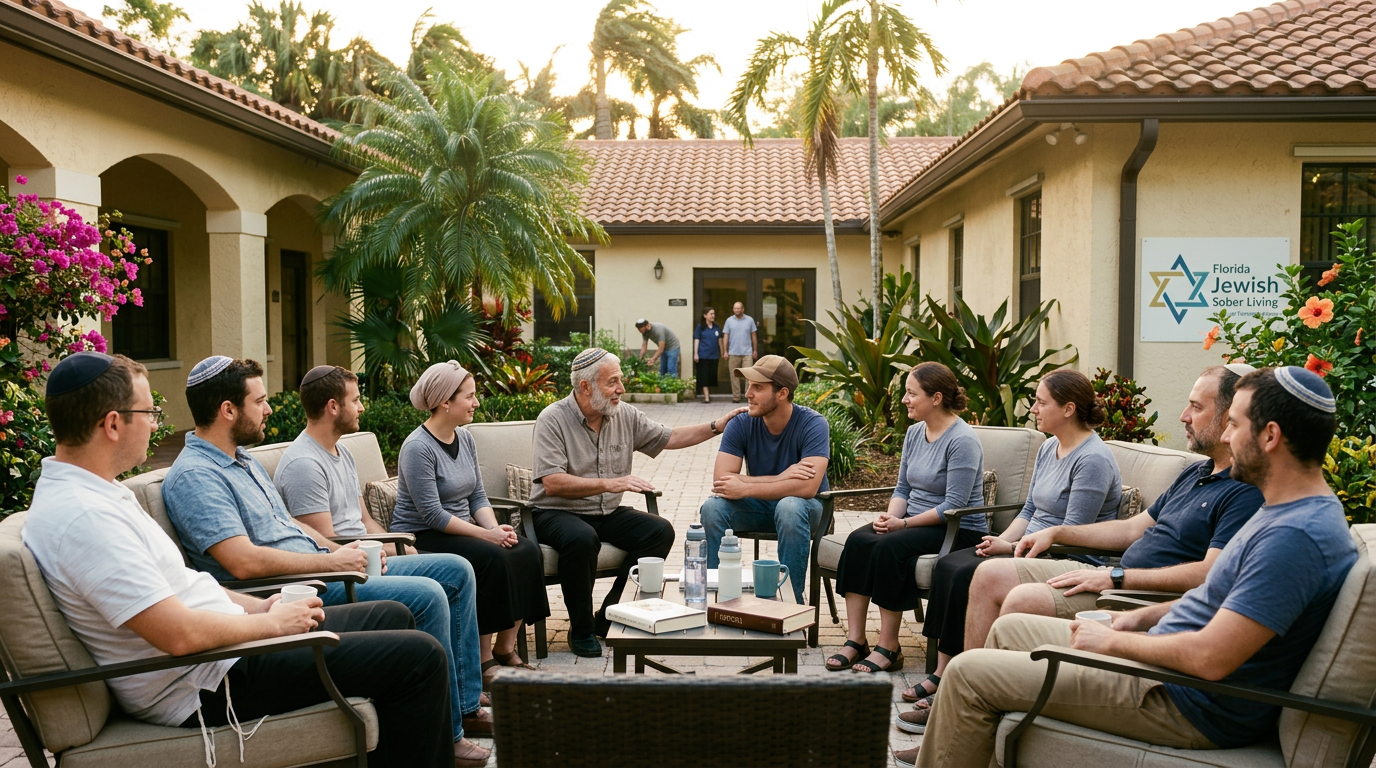
Don’t be nervous about asking direct questions. A good home will welcome them.
- Is this home FARR-certified or otherwise accredited?
- What does a normal day look like here?
- Are kosher meals or religious observances available?
- What happens if someone relapses — removal, support, or both?
- How are house managers chosen and trained?
- How long do most residents stay?
- Are there hidden fees or required add-ons?
- Is alumni support or case management available after leaving?
Why Rocklay Sober Living Is a Strong Choice for Sober Living in Florida?
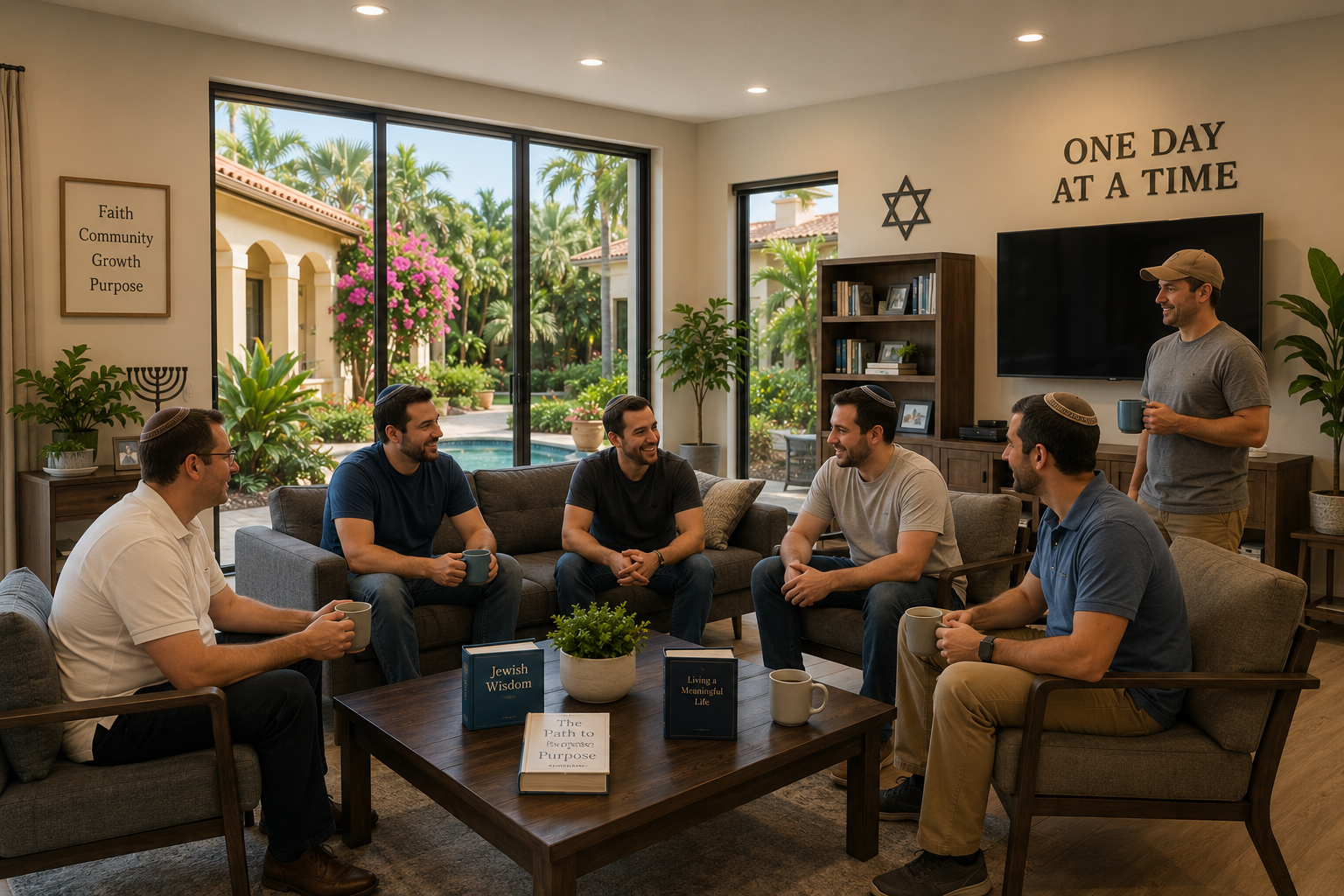
There are plenty of sober living homes in Florida that say the right things. Rocklay actually does them. It was built specifically for people who want recovery rooted in something real – including their Jewish identity. The faith isn’t decoration. It’s woven into how the place runs, how residents support each other, and how healing happens day to day.
What makes Rocklay different:
- Fully kosher environment – meals, kitchen, daily life
- Staff who genuinely understand Jewish culture and recovery
- Shabbat, holidays, and spiritual support are built into the routine
- Structure that feels human, not institutional
- A peer community that actually connects — and stays connected
- Real recovery tools paired with Jewish values
If you’ve been searching for sober living in Florida that doesn’t ask you to leave your identity at the door, this is worth a serious look.
Bottom Line
There are a lot of sober living homes in Florida. Most of them will give you a roof and some rules. The right one will give you a community, a routine, and a reason to keep going.
If faith and culture are part of your identity, don’t settle for a place that ignores that. Sober living in Florida that meets you where you actually are – culturally, spiritually, personally -isn’t a luxury.
It’s just smart recovery.
Visit in person. Ask the hard questions. And find a place that helps you build a life, not just avoid the old one.
FAQs
Q1. What is sober living in Florida?
It’s a structured home for people stepping out of rehab — more independence than a treatment center, but with accountability, peer support, and daily routine built in.
Q2. What is a Jewish sober program in Florida?
A recovery program that incorporates Jewish values, kosher living, Shabbat observance, and spiritual support — making it a culturally natural fit for Jewish individuals in recovery.
Q3. What does kosher drug rehab mean?
A rehab or sober living program that follows kosher dietary laws and integrates Jewish traditions into daily life and the recovery process.
Q4. How long do people stay in sober living homes in Florida?
Most stays range from 3 to 12 months, though many people choose to stay longer based on their personal progress and goals.
Q5. Does insurance cover sober living in Florida?
Usually not directly, though some associated outpatient programs may be covered. Always confirm costs with the home before committing.
Q6. How do I know if a sober living home is legitimate?
Look for FARR certification, transparent pricing, trained staff, and a willingness to let you visit and ask questions. Legit homes have nothing to hide.


