


Daily Structure in Jewish Sober Living Homes: What to Expect and Why It Matters
September 16, 2025
An apple a day keeps the doctor away. This popular phrase indicates that apples are good for one’s health, and highlights the importance of routinely eating them.
Often, individuals take the message from an apple a day health advice to eat more apples. However, perhaps the more important takeaway message is to eat nutritious foods in your daily routine.
Making the transition from the rehab to everyday life can overwhelm you. Many people think about what comes next and how they can stay on track after the recovery.
It is where jewish sober living homes play a crucial role by providing you with a safe and structured environment. One of the key times in sober living homes is the morning routine, and this routine will help you stay on track to keep your wellbeing at the forefront.
Your morning routine is a dedicated time to check in with yourself. It is time to assess your priorities and align your actions with your long-term vision.
The science of habits and creating daily routines
Human behavior is largely shaped by habits that often run on autopilot. Science shows that nearly 40% of our daily decisions are habitual rather than conscious. It means the routines we create play a powerful role in shaping our health and overall well-being.
Similarly, a wellness routine in the sober living home incorporates all healthy habits, such as sleep, meals, and self-care activities. The best routine will support you in the tough days and give you extra energy for the best days.
Equally important is starting small. Science shows that “tiny habits” compound over time. Committing to just five minutes of meditation or writing one sentence a day makes it easier for new behaviors to stick. Once consistency builds, our brain recognizes the reward, strengthening the cycle.
What is a Jewish sober living home?
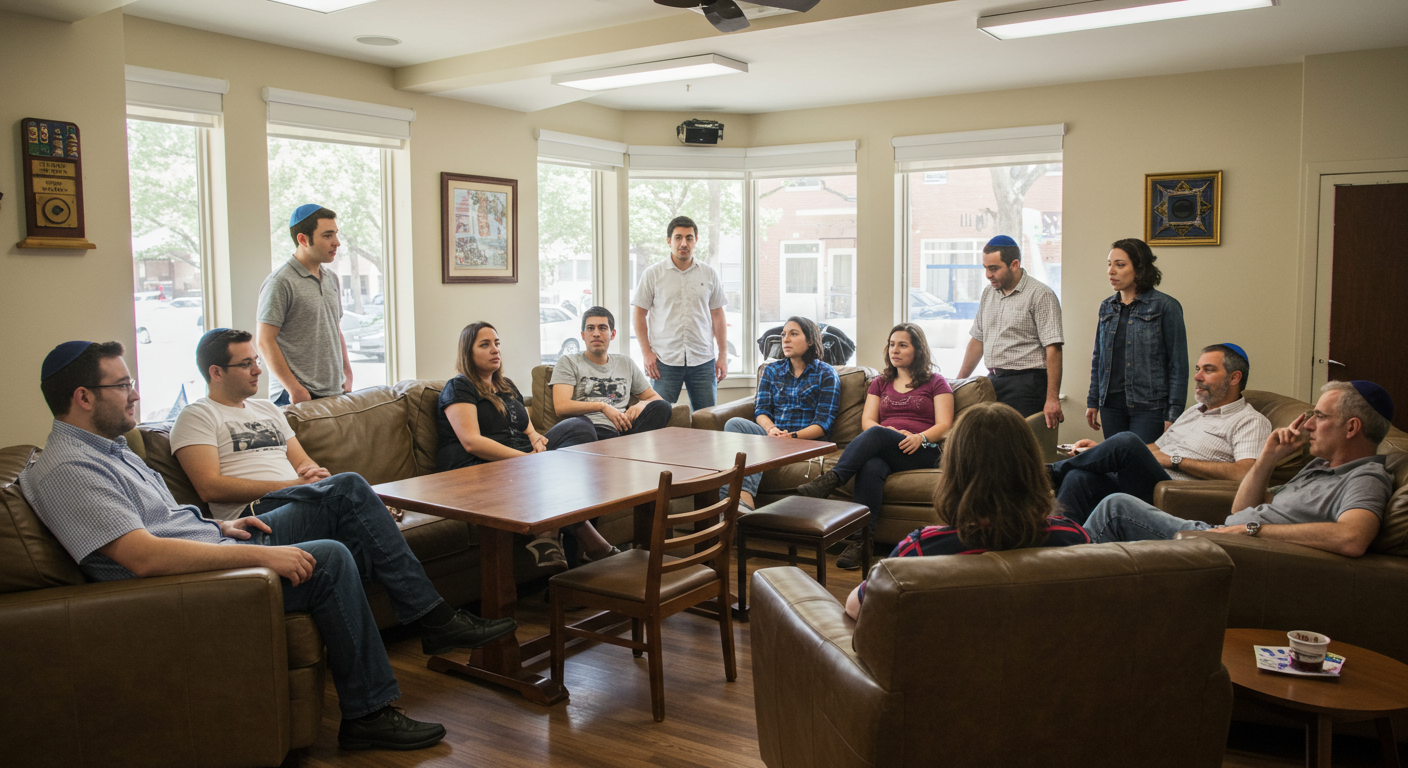
A jewish sober living home is a community-based residence for people who are in recovery from addiction. A treatment center focuses on therapy and medical support, while a sober living emphasizes accountability and practical life skills. These homes work as a bridge between inpatient rehab and full independence.
A treatment center’s focus on intensive therapy and stabilization, and a sober living center’s focus on practicing the skills needed to thrive in real life.
Daily Routines in Jewish Sober Living Homes

Rocklay recovery from addiction helps to build a lifestyle that supports long-term sobriety. One of the most effective ways to achieve this is through a daily structure. It is where sober living homes emphasize a consistent routine that gives residents a balance and purpose.
Every jewish sober living home operates differently, and most of them follow a structured support and growth program. The routine may seem ordinary at first glance, but it provides a foundation for a lasting recovery.
Starting the Day with Purpose:
Most jewish sober living homes expect residents to wake up at a routine time, usually in the morning. Any kind of addiction can disrupt the sleep cycle and lead to irregular routines. A consistent wake time helps the body’s internal clock to build healthier sleep patterns.
A morning routine may include simple practices like making a bed or engaging in a light exercise. These actions create a sense of accomplishment in the early days and help to build momentum. Morning becomes an opportunity to practice mindfulness and gratitude for many residents, which helps them to strengthen their emotional stability.
Doing House Chores:
Living in a sober living means that you share space with responsibilities. Daily chores such as
- Cleaning
- Cooking
- Doing laundry
- Maintaining outdoor areas
These are typically part of a daily schedule.
Doing chores may look like a small task, but it is a powerful tool in the recovery. Many individuals who enter sober living feel like it is a basic skill. But taking care of the living environment helps residents to build responsibility and accountability.
Chores also encourage teamwork. It creates a sense of fairness and community when everyone contributes. Residents begin to understand the importance of showing up not only for themselves but also for the group. This shared responsibility creates the reality of independent living and helps them prepare for life outside the home.
Group or Individual Meetings
Meetings are a big part of sober living routines. Residents may attend group sessions based on the house. These meetings provide a structured and safe place to share experiences, challenges, and victories. Open discussion helps residents to process their emotions and learn about coping strategies to hold each other accountable.
Individual therapy may also be part of the routine, which allows residents to work through personal issues such as trauma or mental health challenges. This blend of group support and individual guidance ensures residents address both the social and personal aspects of recovery.
Creating Purpose:

One of the key aspects of sober living is helping the residents to reintegrate into society. That is why many homes require individuals to work and be part of an active community. This part of the routine provides structure during the day and gives residents a sense of purpose.
Employment allows residents to gain financial independence and develop responsibility, and this might mean returning to a previous career.
Those who are not ready to work often take classes to complete their education or learning new skills. Volunteering is another valuable option as it helps residents reconnect with the community in meaningful ways.
Community Meals:
Community meals not only provide nourishment but also help to build community. Many homes require residents to share meals together at least once a day.
Eating together helps residents to be a part of a family. It also provides a natural environment, emotional support, and laughter. This creates a sense of belonging and a powerful antidote that can be experienced during the addiction.
These meals reinforce healthy habits and support physical and emotional health. Cooking together while sitting down for a meal strengthens the bond and provides a moment of calmness in busy days.
Conclusion:
It may not be easy to adjust to sober living routines. Some residents initially may resist waking up times and group meetings. Some may find the structure overwhelming after living a routine without rules.
Most sober living homes provide guidance and encouragement rather than strict punishment. Over time, residents may appreciate this sense of order and stability that a routine brings.
We need to remember that routines are flexible and a structured environment provides consistency and allows residents to personalize their schedules as they progress. A structure provides the foundation for a brighter future.


