


A Day in the Life of a Sober Living Home Resident
June 3, 2025
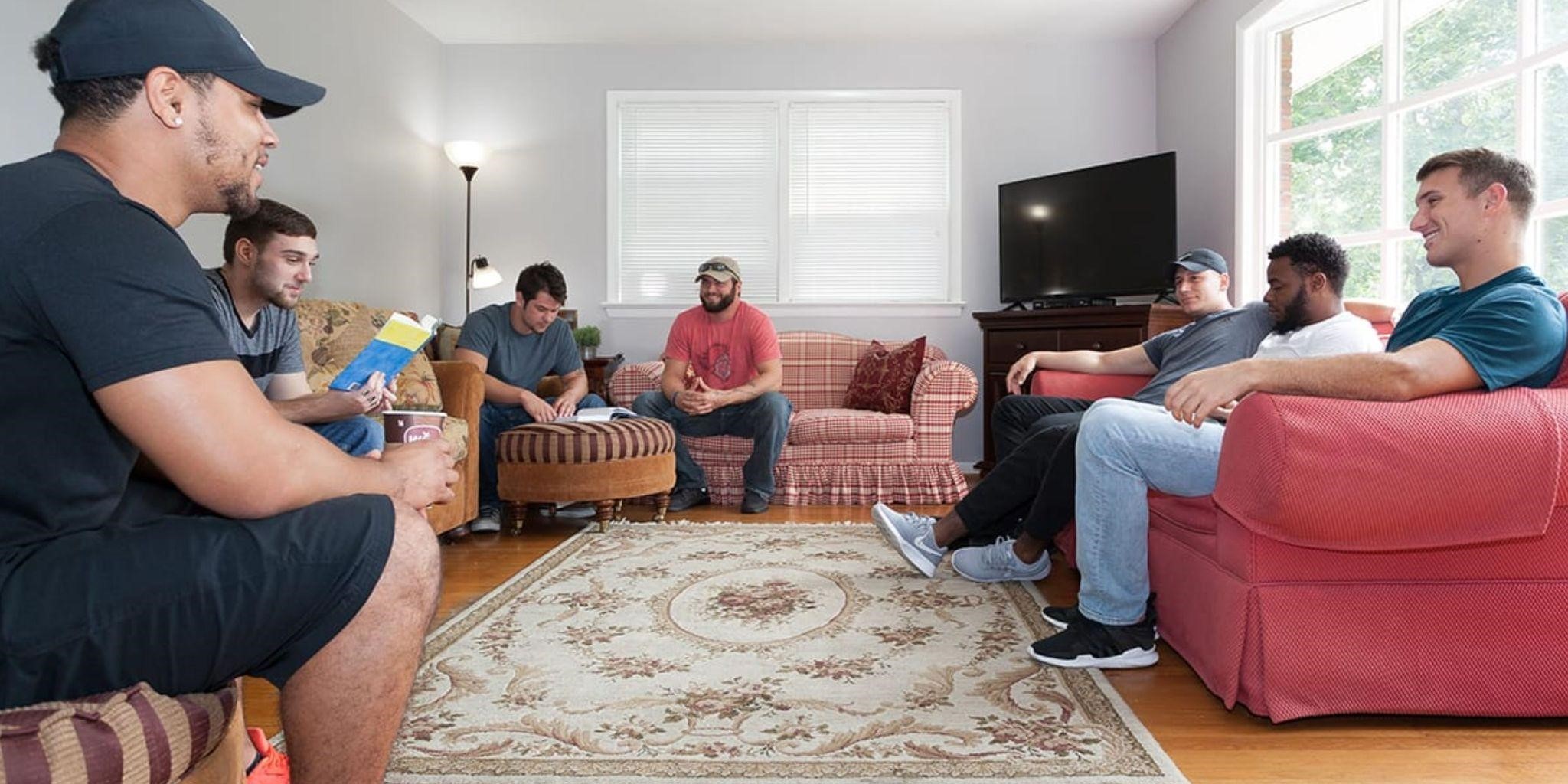
Leaving rehab is not the finish line but often the beginning of a new challenge. Many individuals in recovery struggle with the transition back to everyday life. This can be a challenging step if you are without structure and accountability.
There can be massively pressure to stay sober and also juggle responsibilities. It all may sometimes feel impossible without the right foundation. That is why many individuals feel stuck or hopeless during this critical stage.
This is where sober living homes make a life changing difference. They provide structure and a sense of purpose during the most vulnerable stage of recovery. These homes often have strict rules and guidelines, and they participate in group activities.
We will provide an inside look into the day-to-day life of a sober resident. If you are curious to know what happens in day to day activities in the sober living homes then keep reading. We will help you understand how real healing happens day by day.
Importance of Structure and Routine in Recovery

The most powerful tool in addiction recovery is not medication or therapy sessions, but it is structure. The lack of his lack of structure can create vulnerability and leave too much room for triggers and negative thoughts to take over.
That is where a structured routine helps eliminate that risk. It creates purpose and direction. Some of the common tasks in sober living homes are as follows:
- Waking up at the same time each morning
- Attend recovery meetings
- Doing assigned chores
Each scheduled activity adds stability. The repetition of healthy habits reinforces discipline and builds confidence. The structure is not just about staying busy. It is about staying grounded.
Are you looking for a place that combines comfort and clinical care for addiction recovery? Discover how luxury rehab in South Florida can transform your journey to sobriety at Rocklay.
Let us walk through what a typical day looks like for a resident in a sober living home.
1.Morning Routine
Wake up Time and Structure
Residents usually begin their day early. Most sober living homes set a standard wake up time that encourages discipline and helps structure the day. This habit also mirrors the real world responsibilities that residents will return to, such as jobs or school.
Wondering what makes a sober living home truly effective in Florida? See why residents trust Rocklay for top rated sober living in Florida.
Morning Meditation or Mindfulness Practices
Many residents start their day with a mindfulness practice after waking up. This could include meditation or deep breathing exercises. These short sessions help ground the mind and prepare individuals to approach the day with clarity and calm.

Chores and Shared Responsibilities
Each resident typically has assigned chores. These include
- Cleaning shared areas
- Doing laundry
- Helping with meals
Shared responsibilities teach teamwork and reinforce a sense of accountability. It also helps build a clean and peaceful living space that supports recovery.
Group Check ins or Accountability Meetings
Morning group meetings are common in many homes. This practice builds connection and trust among housemates and allows staff to offer support where it is needed.
2.Healthy Habits and Daily Wellness
Meal Planning and Communal Breakfast
Residents often prepare and share breakfast together after morning routines. Mealtimes become opportunities to build friendships and support one another. Meal planning is done together for the week ahead as it encourages healthy eating and responsibility.
Physical Exercise or Yoga
Exercise is a key part of recovery. Physical movement helps reduce stress and strengthen the body if it is a morning run or even a group yoga session. It all adds structure and purpose to the day.
Journaling or Gratitude Practice
Before leaving for the day or starting other activities, many residents spend time writing in journals or listing things they are grateful for. This habit can shift focus away from past pain and build a mindset of hope and progress.

Want a structured and supportive sober home in Delray Beach that feels like a fresh start? Explore trusted sober living options designed for lasting recovery.
3.Recovery Support Activities
Attending 12 Step or Recovery Meetings
Most sober homes require residents to go to recovery meetings. This could be a 12 step group or another type of program. These meetings provide support and keep residents focused on recovery.
One on One Counseling or Therapy Sessions
Some homes offer therapy or counseling sessions. These give residents a chance to reflect and heal. They also teach coping skills. Whether in a group or one on one, these sessions help with emotional recovery.
Life Skills Training
To prepare for life after sober living, residents learn life skills. These may include learning how to cook or manage money. They also learn how to get ready for job interviews. These skills help them feel more independent.
4.Social and Community Engagement
Building Relationships with Housemates
Living together helps residents form close bonds. Over time, these friendships become strong. Open talk and mutual respect help build trust and support.
Group Activities and Social Outings
Many sober homes plan group events. These may include movie nights or trips to the beach. Some residents take part in sports or hiking. These outings show that sober life can be fun and fulfilling.

Respecting House Rules and Boundaries
Each sober home has rules that everyone must follow. These rules protect the safety of all residents. They may include curfews or limits on visitors. Following these rules helps build respect and structure.
5.Employment or Education
Returning to Work or School
Many residents return to jobs or school while still in the home. This step is a big part of recovery. It also brings new challenges. Support from others helps during this time.
Job Hunting or Skill Building
Some residents are still looking for work. They may build resumes or practice interviews. Some homes offer workshops to build these skills.
Balancing Responsibilities with Recovery
Going back to work or school means learning how to stay balanced. Residents learn how to manage stress and use self care tools. These skills help them stay on track.
6.Afternoon Reflection and Recreation
Quiet Time for Reading or Personal Projects
After lunch or work, residents take time to relax. They may read recovery books or enjoy hobbies. This helps restore energy for the rest of the day.

Recreational Hobbies like Music, Art, or Sports
Creative hobbies are part of healing. Some residents play music or paint. Others take part in sports. These activities bring joy and reduce stress.
Outdoor Walks or Relaxation in Shared Spaces
Many residents enjoy nature walks or spend time in the yard. Being outdoors offers peace and brings a sense of calm.
7.Evening Routine
Group Dinner and Meal Prep
Evenings often begin with shared cooking. Eating dinner together helps residents feel connected. It also reinforces healthy habits.

House Meetings or Peer Support Discussions
After dinner, some homes hold house meetings. These talks help residents share how they feel and solve any problems. They also build stronger group ties.
Wind Down Practices Before Bedtime
Before going to bed, residents often follow calming routines. They may read or listen to soft music. A bedtime routine helps improve sleep and emotional balance.
Conclusion
Living in a sober home will help you learn how to live again with purpose and support. Each day has structure from start to finish. The morning routines build strength. The afternoon activities bring healing. The evening practices close the day with peace.
This kind of structure helps residents rebuild their lives with hope and self-respect. If you or someone you know is thinking about sober living, remember that this is not the end but a new beginning.
Start your journey to health and comfort at Rocklay Sober Living Homes in Florida. Search us on Google to begin today.
Contact us now >> 561-917-8355


