


What to Expect During Your First 30 Days in Sober Living Homes in Florida?
March 10, 2026

Starting sober is one thing; staying sober while rebuilding your day-to-day life is another. That’s where sober living homes in Florida can help- offering a supportive place to live while you practice real-world routines like work, meetings, and healthy boundaries.
During the first 30 days, you will find out more about the house rules, sharing of responsibilities and consistent drive towards consistency. You will also get to know about testing, how accountability works, and how to manage triggers without isolating.
In this blog, you will learn more about what your week-by-week expectations should be, plus practical tips to feel settled faster and make your first month count.
What “Sober Living” Usually Means In Practice?

A majority of sober living houses are drug and alcohol free homes that promote recovery through community, house policies and collective responsibility. They are usually used together with outpatient care, peer support sessions, and a personal recovery plan- not in place of clinical care when you need it.
Did you know – Many sober living houses use written agreements covering curfews, testing, and guest rules- reviewing these early reduces misunderstandings and helps you settle faster.
Sober Living Homes in Florida- What the First 30 Days Look Like

Days 1 To 3 – Move-In, Expectations & A “Reset”
The first few days usually focus on orientation and stability. Expect to-
- Review house rules
- Complete an intake process
- Get assigned basics like a bed space, storage area, and chore rotation
- Meet house leadership and roommates
It’s also normal to feel overstimulated- new people, new routines, and a different kind of accountability than you’re used to.
Days 4 To 7- Structure Kicks In

By the end of week one, the rhythm becomes clearer. Many homes require-
- Regular meeting attendance
- Random or scheduled drug/alcohol testing
- Participation in chores and shared cleaning standards
- A plan for work, job search, school, or outpatient appointments
If you’re in early recovery, this is often when cravings or anxiety flare up. The goal isn’t perfection- it’s learning what you do when you’re uncomfortable without numbing out.
Week 2- Building Routine Outside the House
Week two tends to shift from settling in to rebuilding life skills. You may start-
- Job searching with daily goals
- Setting consistent sleep/wake times and meal routines
- Getting a sponsor or strengthening other supports
- Scheduling outpatient therapy sessions if you’re in a sober living program that coordinates care
A common milestone here is learning how to manage downtime. Too much unplanned time can be risky, so residents often create a simple daily schedule and stick to it.
Week 3- Accountability Becomes More Personal
By week three, most people understand the rules. What changes is the internal buy-in.
- You start noticing patterns- who you avoid, what triggers you, when you isolate
- House feedback can feel more direct
- You may be trusted with more independence if you’ve been consistent
This is also when many residents learn the difference between privacy and isolation. You can keep boundaries while still staying connected.
Week 4- Stabilizing & Planning Your Next 60–90 Days
The last week of your first month usually focuses on sustainability-
- Refining your relapse prevention plan
- Creating financial stability
- Mapping a longer-term housing and treatment plan
- Setting measurable goals for month two
If you’re evaluating sober living homes in Florida, ask how they measure progress- Some emphasize meeting counts, others emphasize employment, clinical participation, or consistent house engagement.
Common Rules You’ll Likely Follow
Most homes keep rules simple and consistent to reduce chaos and conflict. Typical expectations include-
- Curfew and check-ins to support routine and safety
- Substance testing to protect the community
- Chore rotations to build responsibility and shared ownership
- Visitor policies to limit high-risk influences
- Zero-tolerance or step-based policies for use
One practical tip- request the rules in writing before move-in. Clear expectations early prevent stress later.
Rocklay Sober Living- How Support Is Structured?
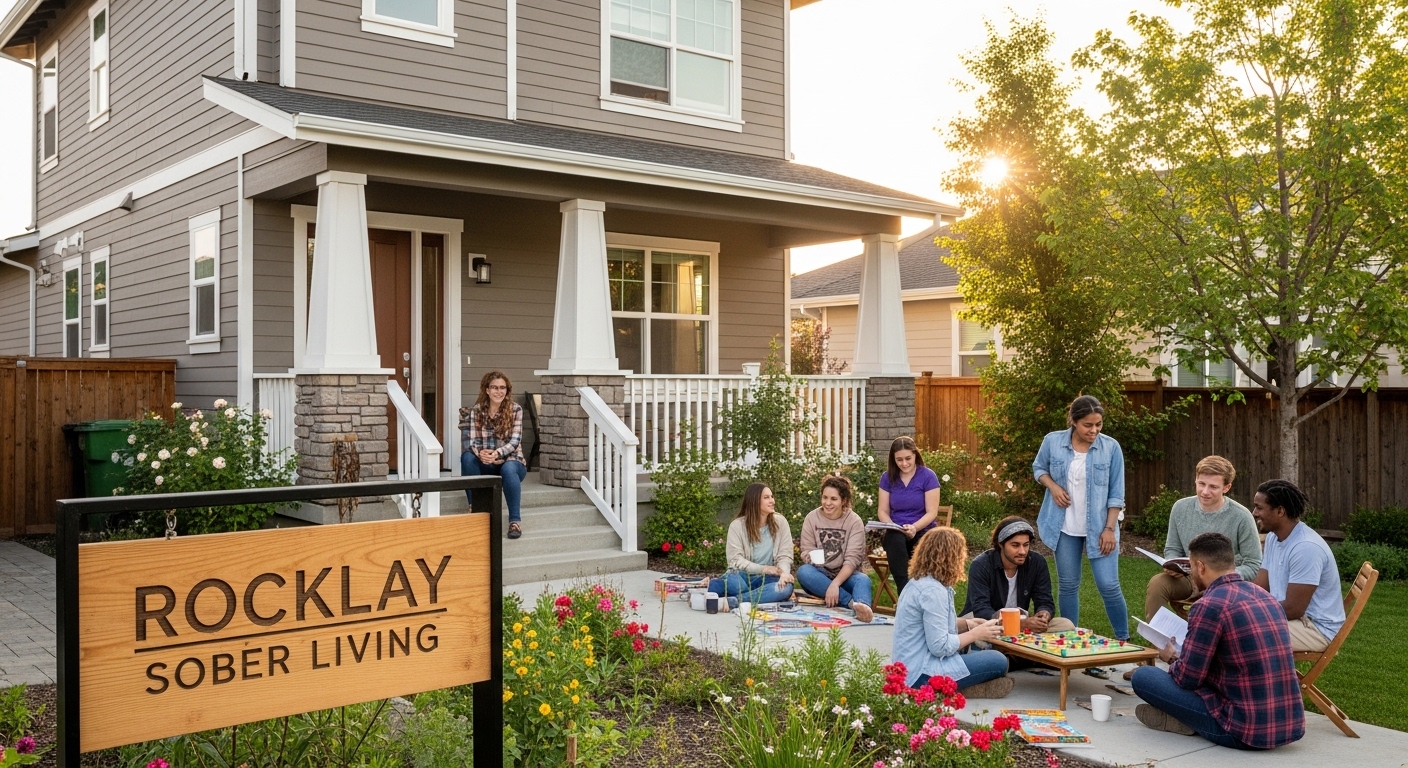
Every house has its own culture, but many Rocklay sober living residents look for a balance of independence and community accountability. In day-to-day terms, that often means-
- A consistent house routine
- Supportive peer accountability
- Guidance that complements outpatient care rather than competing with it
If you’re comparing options, ask how communication works- Who do you contact after hours, how conflicts are handled, and what happens if a resident is struggling but hasn’t relapsed.
What Daily Life Looks Like In Boynton Beach & Delray Beach?

If you’re considering sober living in Boynton Beach or sober living in Delray Beach, expect a lifestyle that often supports recovery through routine and access-
- Meeting availability
- Walkability or short drives to essentials
- Sunlight and outdoor activity opportunities that can help mood regulation
That said, location isn’t a treatment plan. The house structure, your supports, and your willingness to stay engaged matter more than the ZIP code.
Your First 30-Day Checklist
Use this as a practical “do the basics well” plan-
- Read the house rules on day one and ask questions immediately
- Save key contacts- house manager, sponsor/support person, therapist, crisis line.
- Set a simple daily schedule.
- Attend house meetings consistently and show up on time.
- Pick 2–3 reliable peers and build a connection.
- Track triggers for a week.
- Plan your transportation before it becomes urgent.
- Set a weekly budget so rent and essentials don’t become stress triggers.
- Keep a relapse prevention plan visible.
- Reassess at day 30.
Key Takeaways
- Routine– Structure reduces decision fatigue in early recovery
- Community– Peer accountability helps you stay honest when motivation dips
- Clarity– Written rules prevent confusion and conflict
- Consistency– Small daily actions beat big promises
- Planning– The first month should set up the next three months
Final Words
Your first month is less about feeling “fixed” and more about building repeatable habits- showing up, asking for help early, and practicing recovery in real situations. The best homes combine clear rules with real support, so you can grow into independence without losing accountability. By knowing what your expectations should be in the first month of recovery homes, you avoid uneasy surprises or let-downs from lofty expectations.
If you’re exploring sober living homes in Florida, Rocklay can help you understand what day-to-day life looks like, what the expectations are, and whether a placement in Boynton Beach or Delray Beach fits your next step.
FAQs on Sober Living Homes in Florida
How long do people usually stay in a sober living house?
Many residents stay 3–6 months, but the right length depends on stability, finances, and recovery supports.
Do sober living homes require meetings?
Most homes expect regular meeting attendance or structured recovery activities, especially during the first month.
Can I work while living in sober living?
Yes. Many homes encourage employment, school, or job searching as part of rebuilding routine and independence.
What happens if someone relapses?
Policies vary. Ask in advance whether relapse triggers discharge, a higher level of care referral, or a structured step-back plan.
Do I need outpatient treatment while in sober living?
Not always, but many people benefit from therapy or outpatient support alongside housing- especially in early recovery.


