


How Exercise Positively Impacts Addiction Recovery?
August 21, 2025

Sometimes your life may feel trapped by physical bars, but also by the invisible chains of addiction and mental health struggles.
Addiction and mental health issues create complex issues that may sometimes feel difficult to solve. But there is a powerful and readily available tool that breaks the chain and forges the path to recovery.
This tool is an exercise.
This is not about just hitting the gym but understanding the profound connection between physical activity and mental well-being.
Many Jewish individuals are in need of drug and alcohol rehab. Luckily, there are thousands of treatment options available. Connect with Rocklay to know more.
The interconnected nature of addiction and mental health
Addiction rarely exists in isolation but often connects with underlying mental health issues like depression, anxiety and bipolar disorder. An individual may turn to substances when they are trying to cope with their mental health conditions.
If someone is struggling with chronic anxiety, then this unease can lead them to seek relief in alcohol and drugs even though these may provide temporary relief, they may worsen the anxiety in the long run.
An individual may become trapped where they need substances to manage the anxiety. That is why you need to take care of the holistic approach that integrates mental health with addiction recovery. It is where exercise can be a powerful tool.
Ready to take the next step toward freedom from addiction? Check out how Rocklay’s Jewish sober living programs and see how faith and wellness can guide your recovery.
The powerful nature of the exercise
Exercise is a safe and effective tool that helps to address substance use and depression. Experts found that exercise can improve the brain chemicals and help make new connections. This helps patients in recovery who are diagnosed with depressive disorders.
Regular physical activity has shown reduced symptoms of depression and anxiety. This will help to attribute the release of endorphins, which are the natural mood boosters and way the brain adapts and changes.
Exercise can play a big role in addiction recovery and provide constructive outcomes for cravings. Exercise can help individuals with a sense of accomplishment to help them maintain sobriety.
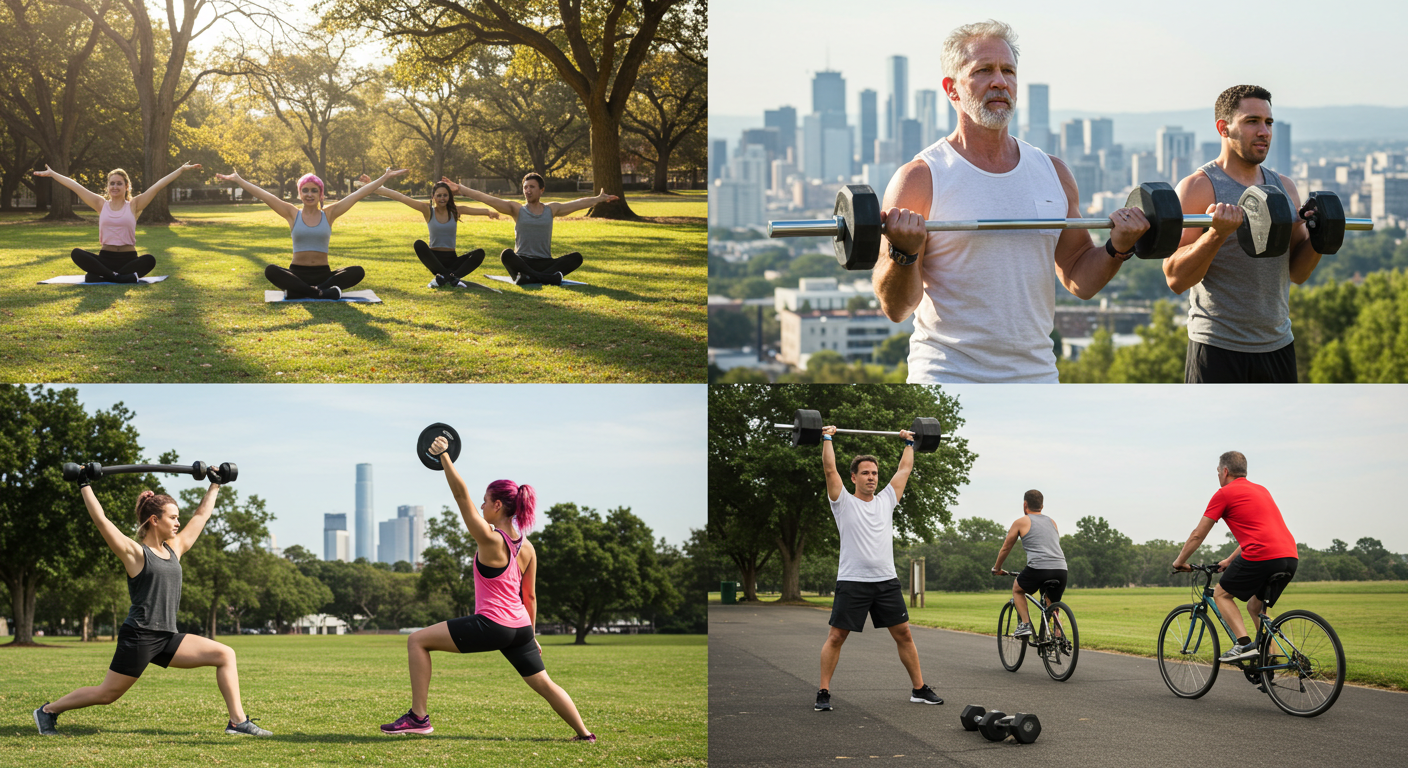
Benefits of Exercise
1. Improves mood and mental health
We all know that exercise can help you keep physically healthy, but it can also help you keep mentally fit.
Research shows that people who exercise have better mental and emotional well-being and reduce the risk of mental health issues.
Exercise may reduce the risk of developing mental health issues. It may also help to treat issues like anxiety and depression.
When people do exercise regularly, it gives them a big sense of well-being. They feel
- Energetic
- Sleep better
- Sharp Memories
- And feel relaxed about their lives.
Regular exercise can have a profound impact on depression. It relieves stress and helps you sleep better. The best part is that you don’t have to be a fitness freak, but a modest amount of exercise can help you in a big way.
Irrespective of age, you can learn to use exercise as a powerful tool that improves energy and helps you get more out of your life.
Any exercise can help you get good results. Activities like going to yoga, stretching and having a huge impact on the mind and body. Even doing housework like vacuuming, sweeping, and mopping can help you work out.
2.It improves Cognitive function:
Physical health is a strong modulator that induces structural and functional changes in the brain. Exercise can also help to prevent some age-related cognitive changes.
Scientific studies that use brain imaging show that physical activities help protect and improve brain health.
Aerobic fitness exercises slow the loss of brain tissue that comes with age and strengthen areas of the brain that control thinking skills. People who are more physically active can focus better and process information faster. It allows them to respond more effectively to challenges and perform tasks with greater success.
Regular exercise is one of the best ways to stay physically fit and a proven method to keep the brain sharp and protect it from cognitive decline.
Walking, cycling, or swimming with a balanced diet can help maintain brain health for years. The science is clear that movement fuels both body and mind.
Exercise is just one part of a stronger, healthier you. Let Rocklay’s Jewish sober living homes help you with the rest. Connect with us today.
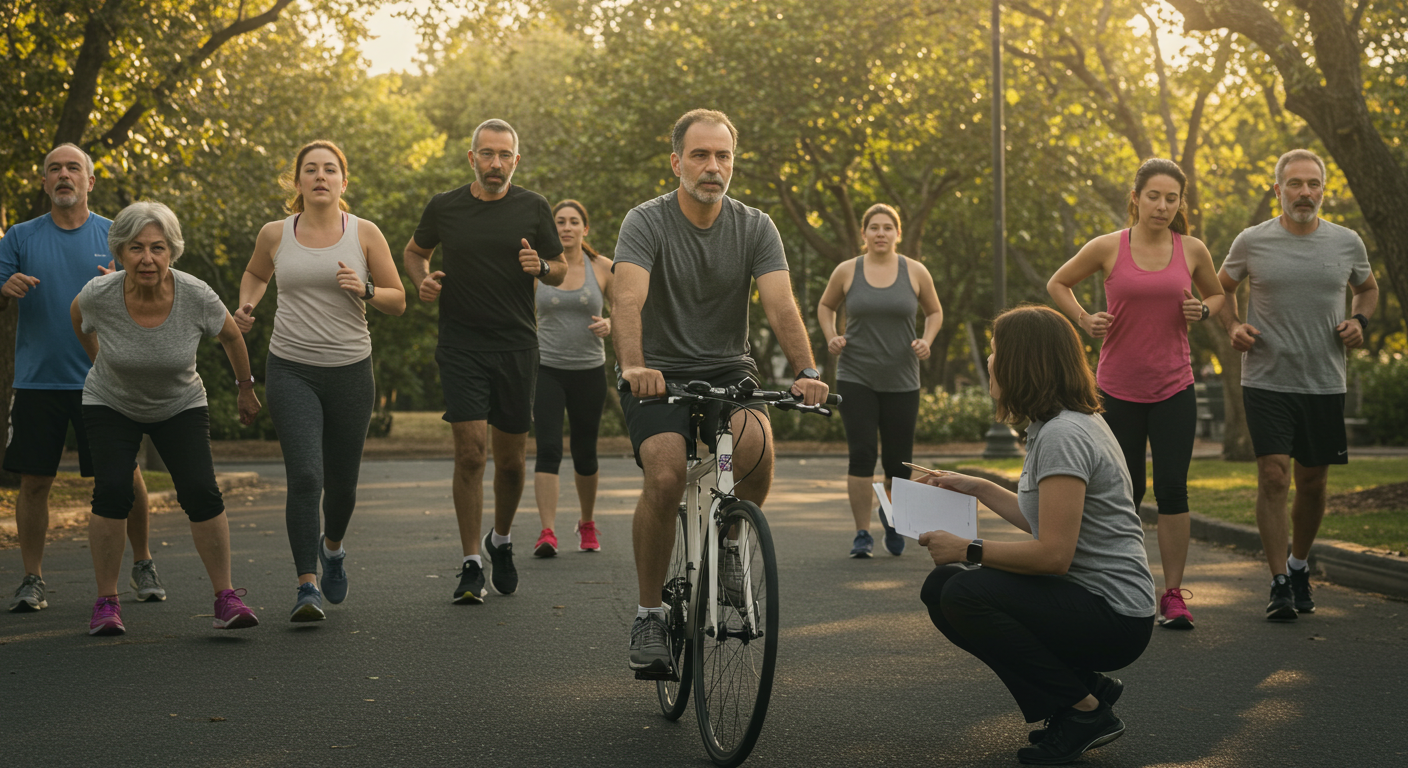
3. Relapse prevention
Physical exercise is best known to ease the withdrawal that could lead to relapse. Exercise can ease the psychological and physical symptoms that help in recovering from addiction.
Individuals in the recovery create a structured routine that fills the time with productive and healthy habits by doing exercises.
This not only helps to avoid triggers but also provides a sense of routine with healthy activities. It will not only help to avoid triggers but also provide a sense of purpose. Physical activity can help regulate sleep and reduce the chances of relapse.
4. Exercise boosts the immune system:
Exercise is a powerful tool that supports long-term recovery. It works on the mind and body to repair the damage caused by substance use. Recovery is a challenging journey that requires physical and emotional balance.
One of the biggest benefits of exercise is that it creates a mechanism that helps to deal with anxiety and depression.
Exercise triggers the endorphins and dopamine, which can naturally improve the mood.
Addiction disrupts the way the brain processes information. The physical improvements from exercise are equally valuable. Addiction can weaken the immune system and cause sleep problems. Exercise boosts circulation and promotes better sleep. These changes help the body heal faster and feel stronger.
5. Social support and community engagement
Participating in group exercises can provide you with an opportunity to connect with others who are on the same journey. These settings create a natural opportunity where you get the chance to interact with people who want to rebuild their lives after substance use.
The shared vision can lead to healthy and strong friendships that provide emotional support and understanding.
A supportive community also promotes accountability. When individuals commit to regular group sessions, they follow through because they expect their participation. The shared accountability can be a powerful motivational tool that helps in overall recovery goals.
It reinforces positive lifestyle choices and helps shift in a more productive direction.

How can Rockaly help you?
There are scientific studies that show that exercise can help reduce addictive behaviors.
But it works best when it is part of a complete and supportive treatment plan. That is where Rocklay can make a difference. Our Jewish sober living homes help you rebuild your physical health and find purpose in daily life.
Rocklay’s Jewish Sober living homes connect individuals and treatment options that integrate both mental health support and physical wellness strategies. Visit Rocklay to learn how they can help you take the next step towards a healthier and sober life.


