


How to Get Back on Track with Sobriety After a Relapse?
May 22, 2025
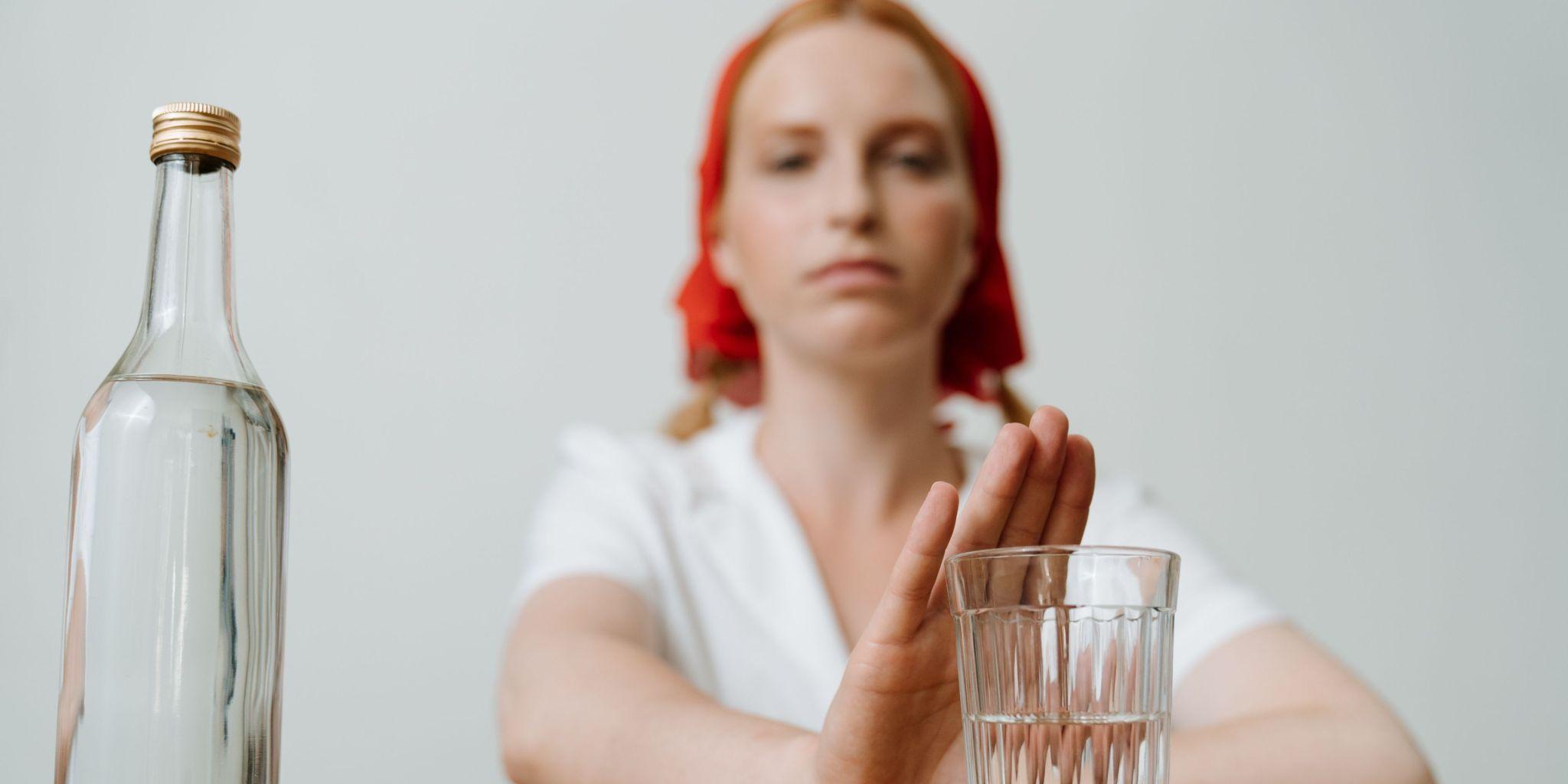
The term relapse traditionally has been associated with the addict and often seen as a setback. The addict steps off the path of recovery and steps back into addiction to cope with
- Negative states
- Painful emotions
- Difficult life situations
Emotional and physical triggers can sometimes reignite old habits and cause people to slip back into patterns they have worked hard to overcome Relapse. But they need to remember that sobriety requires constant attention and care.
Relapse is not a failure, but it is a chance to restart your recovery and get sober.
Understanding the signs of emotional relapse and taking proactive steps can help you regain control and move forward stronger than before.
In this guide, we will explore practical strategies to help you get back on the path to sobriety after a relapse and to empower you to rebuild and thrive.
What Is a Relapse in Sobriety

A relapse in sobriety happens when a person who has been staying away from things like
- Alcohol
- Drugs
- Gambling
To start using them again. It means that the person has returned to the old behavior they were trying to stop.
Relapse is not a sign that recovery has failed but often a sign that the person needs more support or a new plan. Many people go through one or more relapses before they reach long term sobriety.
Taking help after the relapse can lead to a stronger recovery and it is never too late to begin again.
Connect with us if you are looking for a safe and supportive sober living home in Florida where you can stay focused on your recovery journey.
7 Common Triggers That Can Lead to Addiction Relapse
Many people face triggers that can lead them back to old habits and these triggers may look different for everyone. However, some are very common and can be handled with the right steps.
1. HALT: Hungry, Angry, Lonely, Tired
HALT stands for four conditions that can lead to relapse. These are
- Hunger
- Anger
- Loneliness
- Tiredness
If you take care of your body and mind every day then you can reduce these risks.
Are you ready to take control of your recovery by managing triggers? Find strength and support in a Jewish sober living home that helps you stay on track every day.

2. Negative Emotions
Feelings like guilt, sadness or anger can be hard to deal with in recovery. These emotions are normal but they can be overwhelming. You need to learn how to manage them without turning to substances. It is better to talk to a trusted person or write in a journal can help.
3. Stressful Situations
Stress is a major trigger for many people. It can come from
- Work
- Family problems
- Sudden life changes
If you learn how to manage stress early then you can avoid relapse.
4. Illness and Mental Health
Pain or illness can affect your mood and your body. Mental health conditions like anxiety or depression also increase the risk of relapse. It is important to get treatment and to talk to doctors who understand your recovery.
5. Being Alone Too Often
Spending too much time alone can make you feel disconnected. You should try to stay active in a sober community. You can join support meetings or talk to people who understand your journey.

6. Relationships and Dating
New relationships can bring emotional stress. They may cause setbacks in early recovery. It is better to wait before starting a relationship so that you can focus on healing and self care.
7. More Pressure at Work
Success at work can feel good but more money or tasks can bring stress. You may feel pressure to perform. You need to watch your thoughts and stay focused on healthy choices how you react to success matters as much as how you handle challenges.
What to Do Right After a Relapse
A relapse can feel like a step backward but it does not mean that recovery has ended. The most important thing to do is to stay calm and avoid panic. What matters most in this situation is how you respond after the relapse.
How to Practice Self Compassion After a Setback
You need to make sure that you be kind to yourself after a relapse. You may feel disappointed but do not let any kind of harsh thoughts take over. Speak to yourself in the same way you would speak to a friend who is struggling. Remind yourself that your mistakes do not erase the progress you have already made. This can help you make stronger choices in the future.
Role of Sober Living Homes After Relapse

Sober living homes provide a safe and structured place to stay. These homes are for people who are committed to staying sober but who still need support. You can live with others who are also in recovery and this can help you stay focused. Daily routines and shared goals create a strong community. Living in a sober home can make it easier to adjust before returning to full independence.
Importance of Avoiding Shame and Guilt
Feeling ashamed or guilty can stop you from getting better and these can make you think you have failed. It is not true, and you have just hit a bump in the road. You need to focus on what you can do next rather than thinking about what went wrong. It is wise that you talk to someone whom you trust or reach out to a support group.
When to Consider Returning to Rehab
If you feel that you cannot stay sober on your own then it may be time to return to rehab. This is not a sign of failure but you are serious about your recovery. A rehab program can give you structure and support. It can also help you build new habits that will keep you strong. If cravings have become too hard to manage or if your mental health is slipping then rehab can be the right next step.
Outpatient vs Inpatient Treatment Options
There are two common paths for treatment. One is inpatient care which means you live at the facility and focus fully on recovery. The other is outpatient care which allows you to live at home and attend treatment during the day. Inpatient care can be helpful if you need a break from your current environment. Outpatient care works well if you have strong support at home. The choice depends on what you need most right now.

Keep Moving Forward
Recovery is a journey that takes time and strength. Every time you choose to keep going you show persistence. Even small steps forward deserve to be celebrated. A single day of sobriety is a victory and each sober day helps build the life you want. Keep moving ahead one step at a time because you are getting stronger every day.
Connect with us if you are looking for mental health housing that respects Jewish traditions and values. Our Jewish traditional mental health housing offers a supportive environment where individuals can heal while staying connected to their faith.
Start your journey to health and comfort at Rocklay Sober Living Homes in Florida. Search us on Google to begin today.
Contact us now >> 561-917-8355


