


Jewish Sober Living Programs in Florida: Kosher Structure, Warm Community & Real Results
March 2, 2026
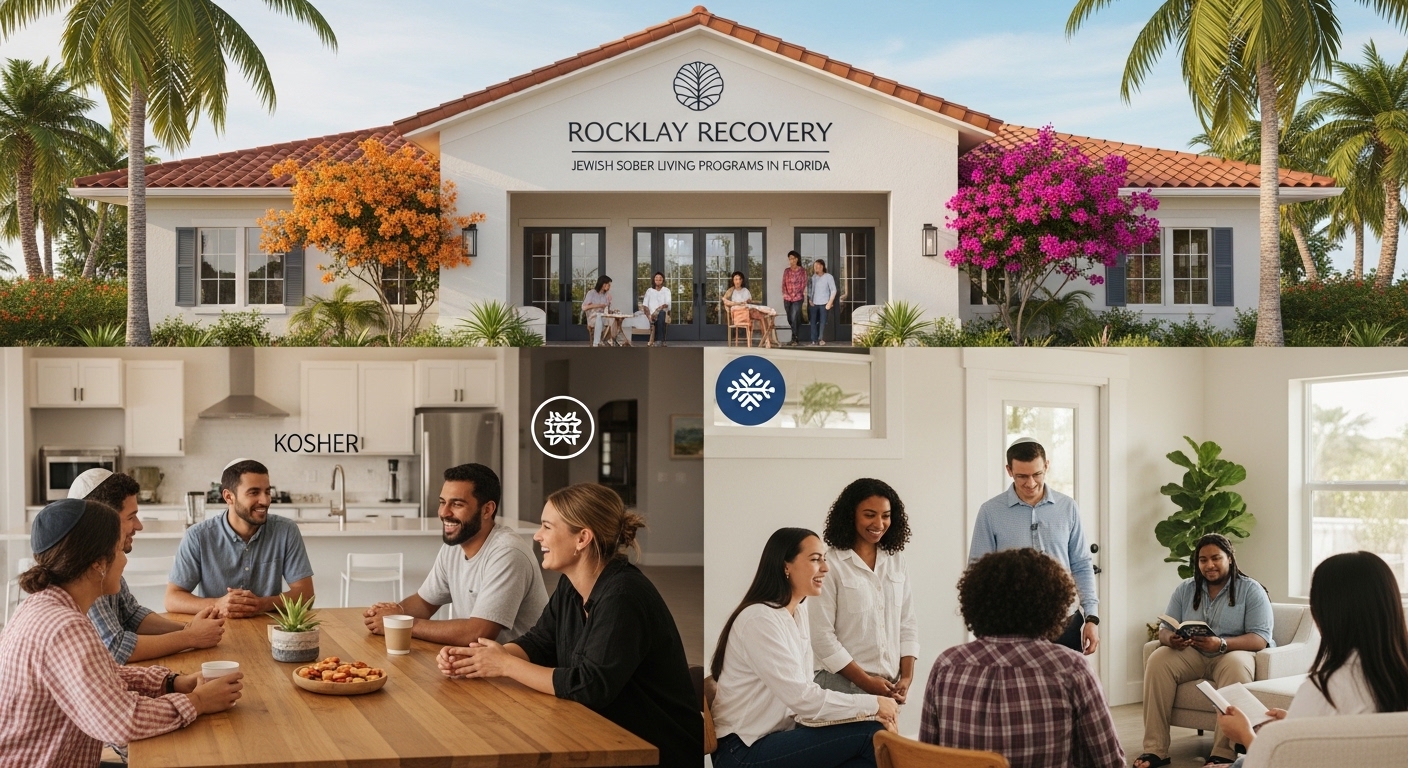
Early recovery is often hardest after formal treatment ends. Daily triggers return, schedules loosen, and support can feel less immediate.Jewish sober living programs in Florida are designed to bridge that gap with a stable, substance-free home, clear expectations, and culturally aligned routines that help residents stay consistent.
These residences are not a replacement for detox, inpatient care, or medical treatment. They work best as part of a larger plan that includes outpatient therapy, recovery meetings, and practical life rebuilding. In this blog, we will learn more about the key elements of Jewish sober living facilities in Florida. We will discuss what they are, why they matter and what they offer.
Jewish Sober Living Programs in Florida: What They Are & Who They Help?
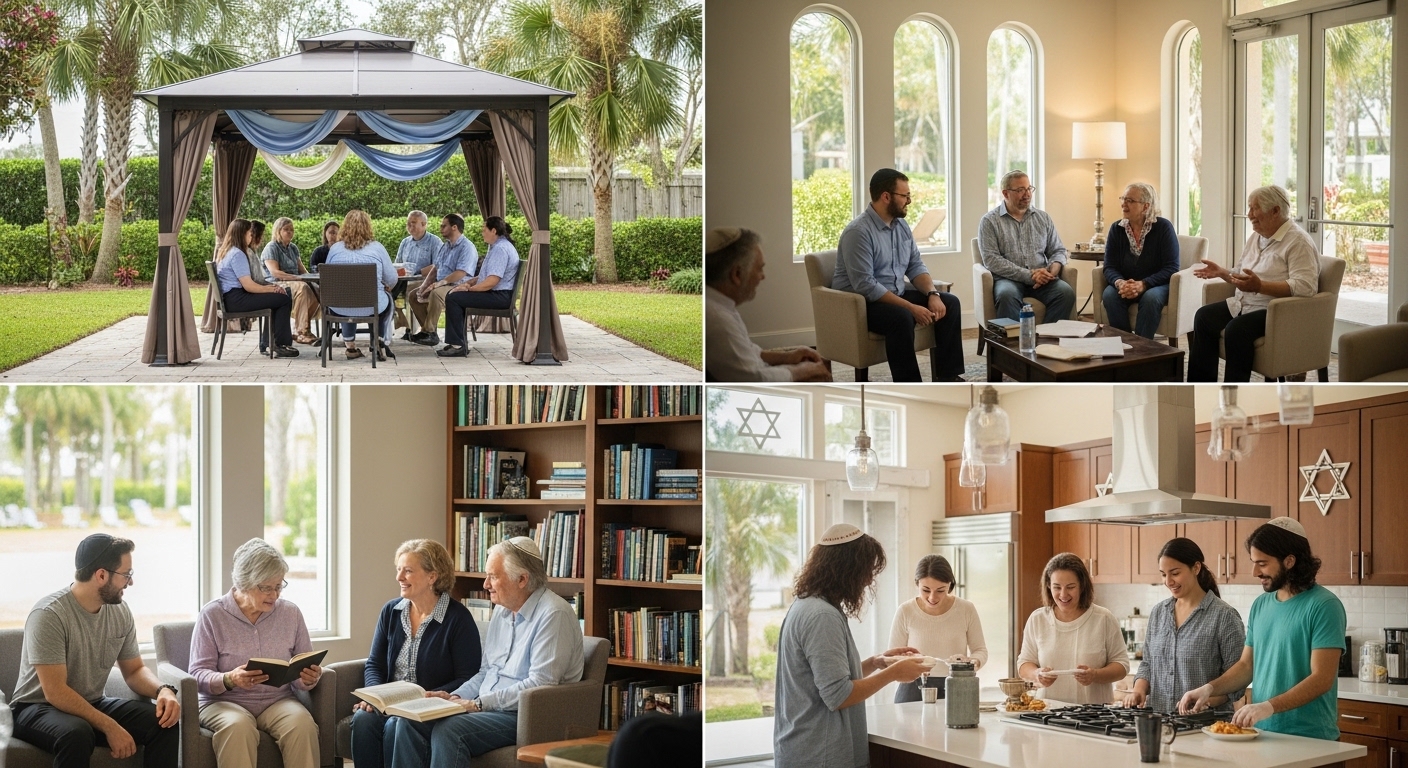
Jewish sober living programs in Florida are modeled after recovery homes. These houses are ideal for individuals who desire a sober lifestyle conforming to Jewish identity and, in most instances, kosher practices. The majority of residents come once they finish detox or a higher level of care, and sober living is used as their step-down during stabilization.
What Sober Living Provides
- A substance-free living environment with accountability
- House rules that reduce chaos and ambiguity
- Built-in peer support from others in recovery
- A routine that supports work, school, and treatment attendance
- Connections to local recovery and community resources
Who May Benefit the Most
- People transitioning out of residential treatment or partial hospitalization
- Individuals who relapse when living alone or returning to old environments
- Those who want recovery support without having to explain cultural needs daily
- People rebuilding family trust and personal responsibility over time
Kosher Drug Rehab & Sober Living- Why Kosher Structure Matters?
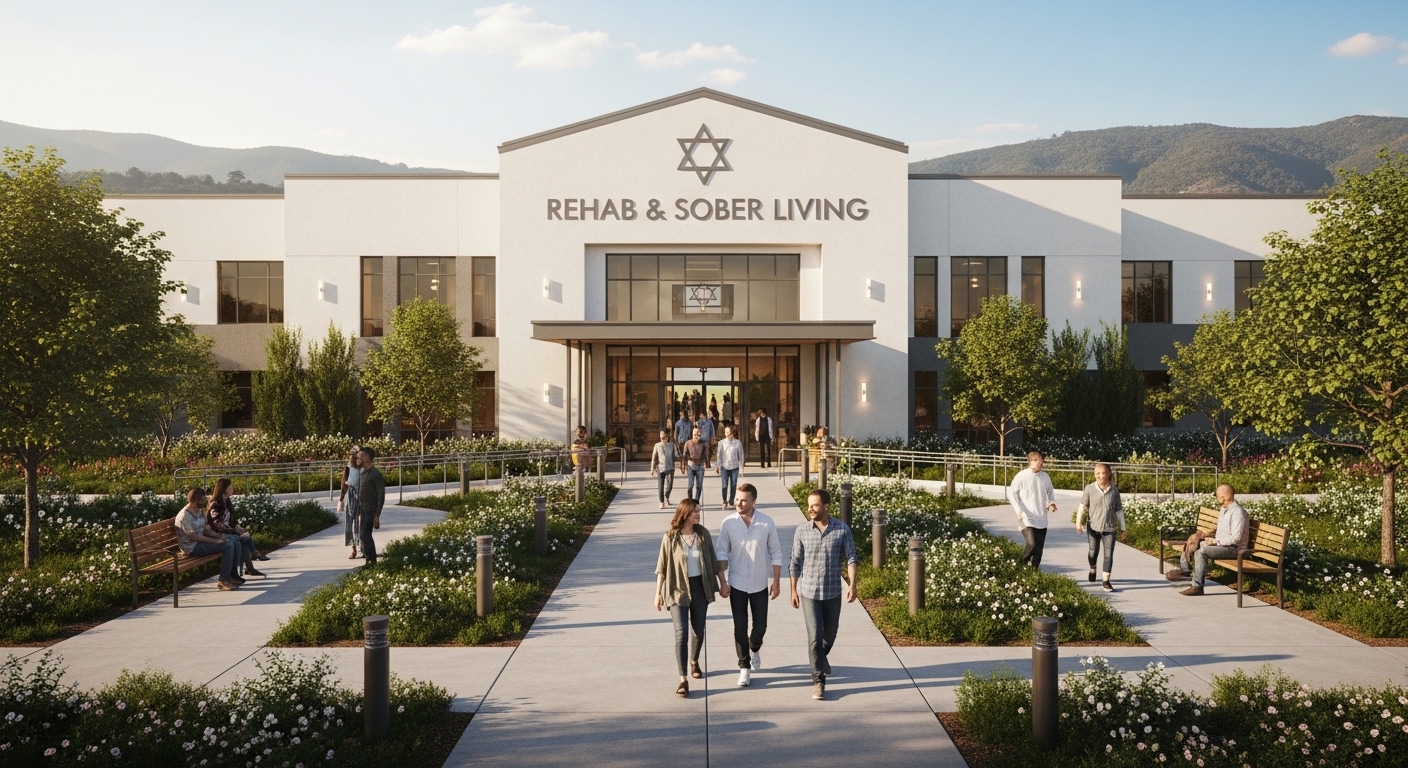
Kosher drug rehab principles, when extended into sober living, can remove common daily stress points and support consistency. For residents who keep kosher, food and kitchen practices are not minor details. When they are handled well, residents can focus more attention on recovery instead of logistics, uncertainty, or social friction.
In a well-run home, a kosher structure usually looks like-
What We Provide
- Clear guidance on food purchasing and storage.
- Practical kitchen standards that match the home’s level of observance.
- Shared space expectations that prevent misunderstandings.
- Thoughtful planning around Shabbat and holidays.
Did you know: Stable recovery housing is associated in broader addiction research with stronger continuity of care and improved long-term stability compared with unstable living situations?
Warm Community & Cultural Alignment in Jewish Rehab Pathways

A lot of individuals seek a Jewish rehab journey since society can diminish seclusion, enhance adherence, and make assistance more intimate. It will not aim to substitute clinical care for culture, but to make the chaos of the recovery environment easier to live in.
A healthy community-focused home often includes-
- Respectful house meetings that build accountability.
- A culture of responsibility, not judgement.
- Support for connecting with local Jewish community resources, if desired.
- House norms that discourage secrecy and encourage asking for help early.
A practical note for families- cultural alignment should never lower standards. Quality homes still require participation in treatment and recovery supports, and they have clear policies for safety, boundaries, and relapse response.
What High-Quality Sober Living Offers In Florida?

Florida has many sober living options, and quality varies widely. Focus on homes that can explain their policies clearly and show how they protect residents. Look for transparency, consistent supervision, and strong coordination with clinical care.
Strong programs typically offer-
- Written rules, resident agreements, and a documented grievance process
- Consistent drug and alcohol testing policies, plus clear consequences
- Safe medication storage procedures and visitor guidelines
- Trained house leadership and defined supervision coverage
- Coordination with outpatient providers, therapists, and case managers
- A plan for employment, education, transportation, and life skills
If you are comparing options, ask how the home tracks outcomes and how it handles setbacks. Homes that take safety seriously will have clear answers and documented procedures.
What Does A Typical Week Include?
While schedules vary, many homes use routines that reduce decision fatigue:
- House meetings and check-ins
- Chore rotations and shared space standards
- Required recovery activities, such as meetings or outpatient sessions
- Curfews and quiet hours that support sleep and stability
- Time blocks for work, school, job searching, or volunteering
How to Choose the Right Program?
Use this step-by-step checklist to evaluate options consistently.
- Confirm clinical fit – Verify that detox is completed if needed and that sober living matches the discharge plan from treatment.
- Ask about oversight – Clarify who manages the home, staff training, and whether they follow recognized recovery residence standards.
- Review safety policies – Ask about testing frequency, visitor rules, medication handling, and emergency procedures.
- Validate kosher operations – Understand how food is sourced, how the kitchen is managed, and how holidays are handled.
- Check treatment coordination – Confirm expectations for therapy, outpatient programming, and recovery meeting participation.
- Understand costs in writing – Request a full breakdown of rent, deposits, fees, and what is included.
- Ask about relapse response – A responsible home explains how it escalates care, protects other residents, and supports next steps.
Measuring Real Results & Protecting Resident Safety
Real results in sober living are often practical and measurable. Progress can include steady attendance at treatment, consistent routines, and fewer crisis events over time. Relapse can occur in recovery, but quality homes respond with structure, documentation, and a higher level of care when needed.
Outcome signals that matter-
- Length of stay aligned with a plan, not an abrupt exit.
- Employment or school participation and improved daily functioning.
- Ongoing outpatient engagement and recovery meeting consistency.
- Safer relationships, stronger boundaries, and improved family communication.
- Discharge planning that includes aftercare and housing stability.
Red flags to take seriously-
- Vague rules or inconsistent enforcement.
- Unclear pricing or pressure to commit quickly.
- Little coordination with licensed providers.
- Overcrowding, poor living conditions, or weak supervision.
- No clear protocol for relapse, safety incidents, or emergencies.
Jewish sober living programs in Florida work best when they combine cultural alignment with operational discipline and strong clinical connection.
Key Takeaways
- Structured housing – Clear routines reduce risk during early recovery.
- Kosher support – Practical consistency lowers daily friction.
- Community alignment – Belonging can reduce isolation and improve follow-through.
- Safety standards – Testing, supervision, and policies protect residents.
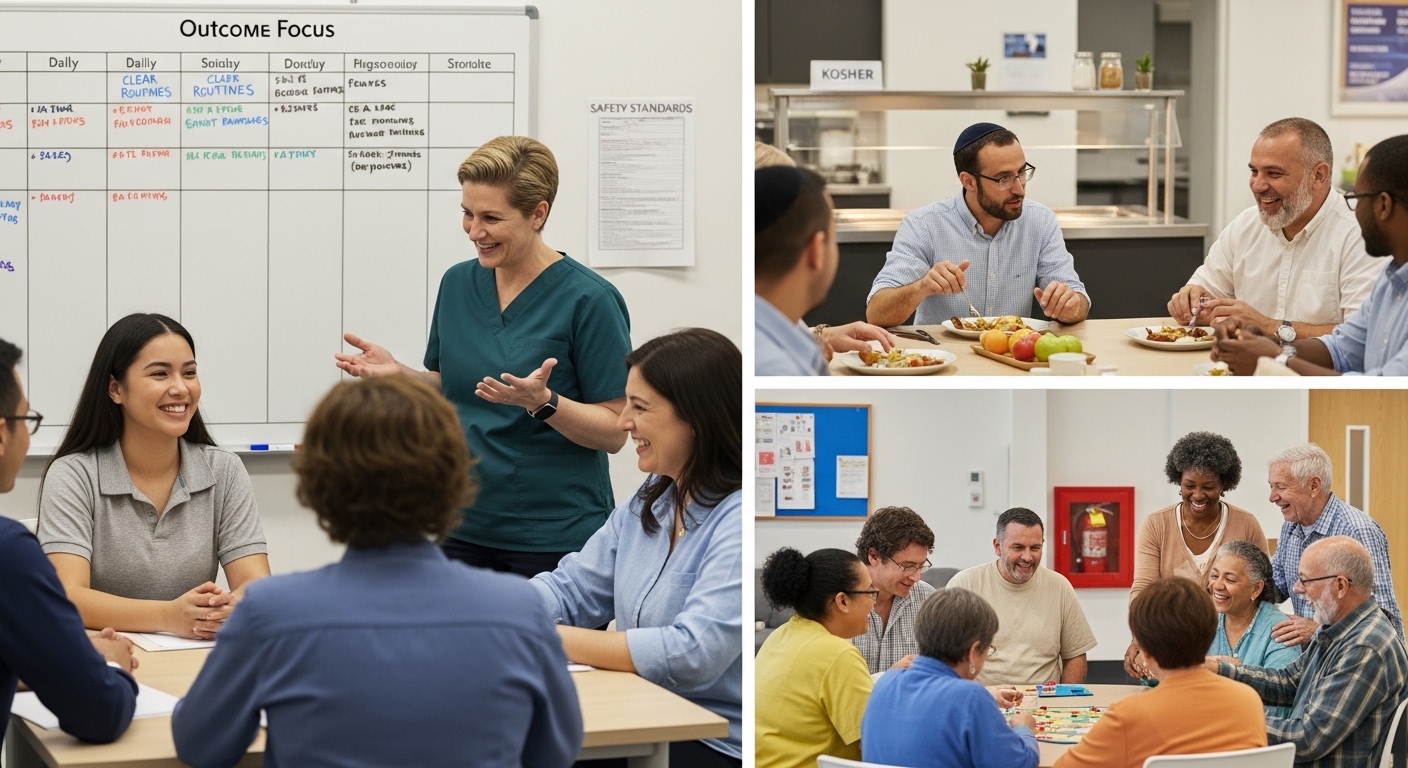
- Outcome focus – Progress is measured through stability, not promises.
Final Words
Jewish sober living programs in Florida can be effective because they pair accountability with a culturally supportive environment, helping residents stay consistent while rebuilding work, relationships, and daily habits.
If you are exploring options and want a clear way to compare homes, Rocklay Recovery can help you understand what to look for, what questions to ask, and how to identify a safe, well-run match for your needs. Take the next step in your sobriety journey and contact Rocklay Recovery today!
FAQs on Jewish Sober Living Programs in Florida
What is the difference between rehab and sober living?
Rehab provides clinical treatment, often including medical and therapeutic services. Sober living provides structured housing and accountability while you continue outpatient care and recovery supports.
Do Jewish sober living homes require religious observance?
Not always. Many support kosher living and Jewish routines without requiring full observance. Ask each home how it handles Shabbat, holidays, and community expectations.
How long should someone stay in sober living?
It depends on stability, relapse history, and the strength of the support system. Many people benefit from several months or longer, especially during the transition back to work and independent living.
Can residents work or attend school while living there?
Yes. Many homes encourage employment or education and may require structured daytime activity as part of stability and accountability.
How can I evaluate whether a home is reputable?
Request written rules, pricing, testing policies, supervision details, and how they coordinate with licensed clinical providers. A tour and a clear relapse response policy are also important indicators.


