


Jewish Sober Living in Florida: Post-Rehab Case Management That Honours Tradition
November 11, 2025
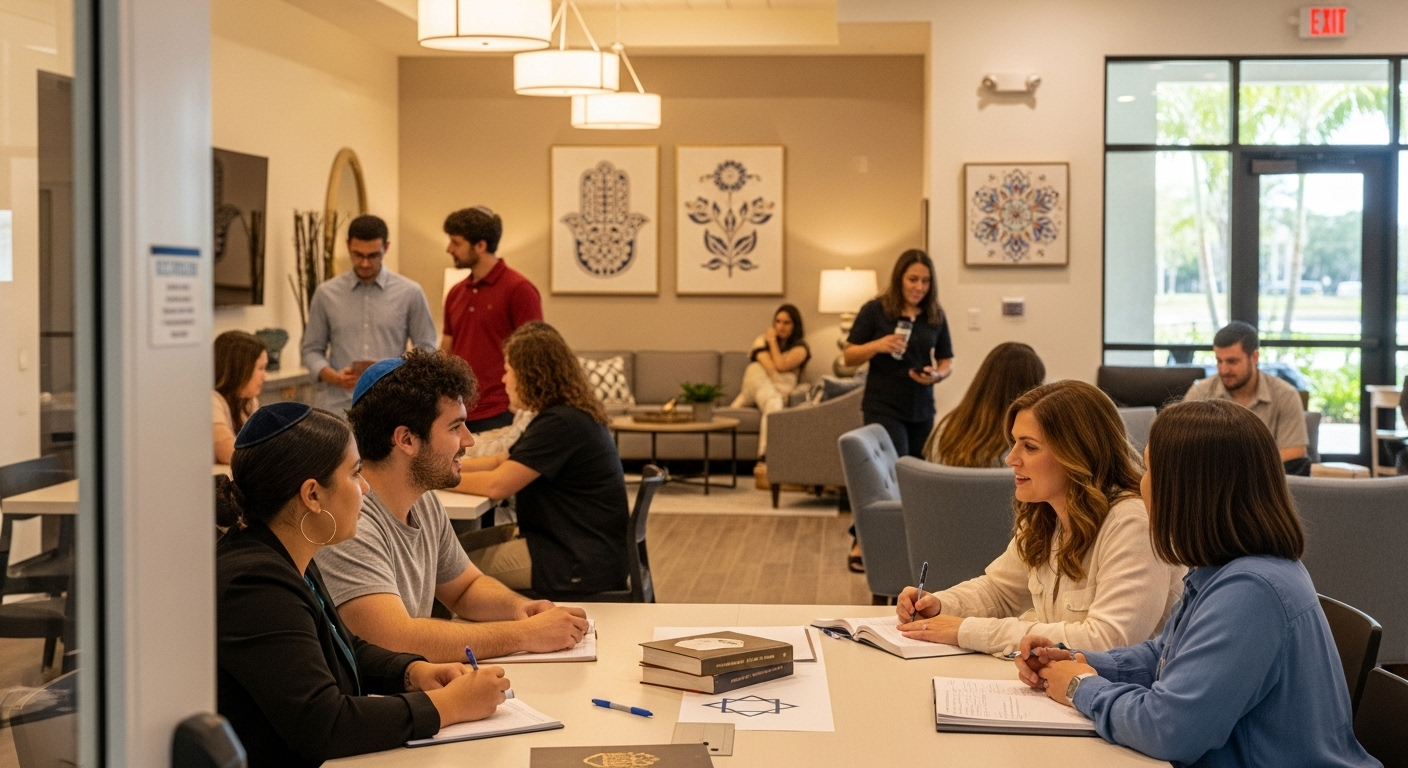
More people are seeking recovery options that honor their identity and faith. Jewish sober living in Florida offers a supportive bridge between rehab and independent life, pairing spiritual guidance with structured accountability. Aligning post rehab care with Jewish traditions and values allows residents to find safety, meaning and momentum in a setting built for sustained healing and community.
The Importance of Jewish Sober Living in Florida
Faith-informed environments can fuel lasting change because recovery is not only clinical, it is relational and spiritual.Jewish sober living in Florida connects residents to routine, purpose, and community, which reduces isolation and strengthens commitment to new habits. The state’s robust recovery infrastructure foster connection, while synagogues, service opportunities, and peer-led groups help residents practice newly learned skills in real life.
For many, combining therapy with spiritual practice feels natural and powerful. Residents who have tried standard care often report that faith context deepens motivation, and that participation in Jewish drug rehab alongside sober living increases confidence during the vulnerable early months.
What Makes Jewish Sober Living in Boynton Beach Unique
Boynton Beach blends coastal calm with access to care, jobs, and community. Jewish sober living in Boynton Beach benefits from nearby synagogues, daily minyan options, kosher markets, and volunteer programs that make service part of the week. Residents can maintain a Jewish lifestyle without friction, from candle lighting on Friday to community meals that reinforce connection and routine. The surrounding network supports:
- Regular prayer, learning, and mentorship
- Kosher shopping and Shabbat-friendly schedules
- Peer support groups and local therapists who understand faith-aligned goals
For those seeking kosher sober living homes in Palm Beach County, the area offers a practical path to stability with enough structure to prevent drift, and enough flexibility to grow socially, professionally, and spiritually. Many homes also coordinate Shabbat-friendly rehab housing details so residents can solely focus on recovery.
Inside a Jewish Drug Rehab Program
A strong Jewish drug rehab program integrates clinical excellence with tradition. Evidence-based therapy remains central, yet spiritual practice provides rhythm and meaning that can turn intention into daily action.
Core features often include:
- Integration of Torah learning with mindfulness and grounding skills
- Shabbat observance, holiday inclusion, and respectful scheduling
- Community mentorship, sponsorship, and Torah-based relapse prevention
- Psychoeducation, group therapy, and family involvement
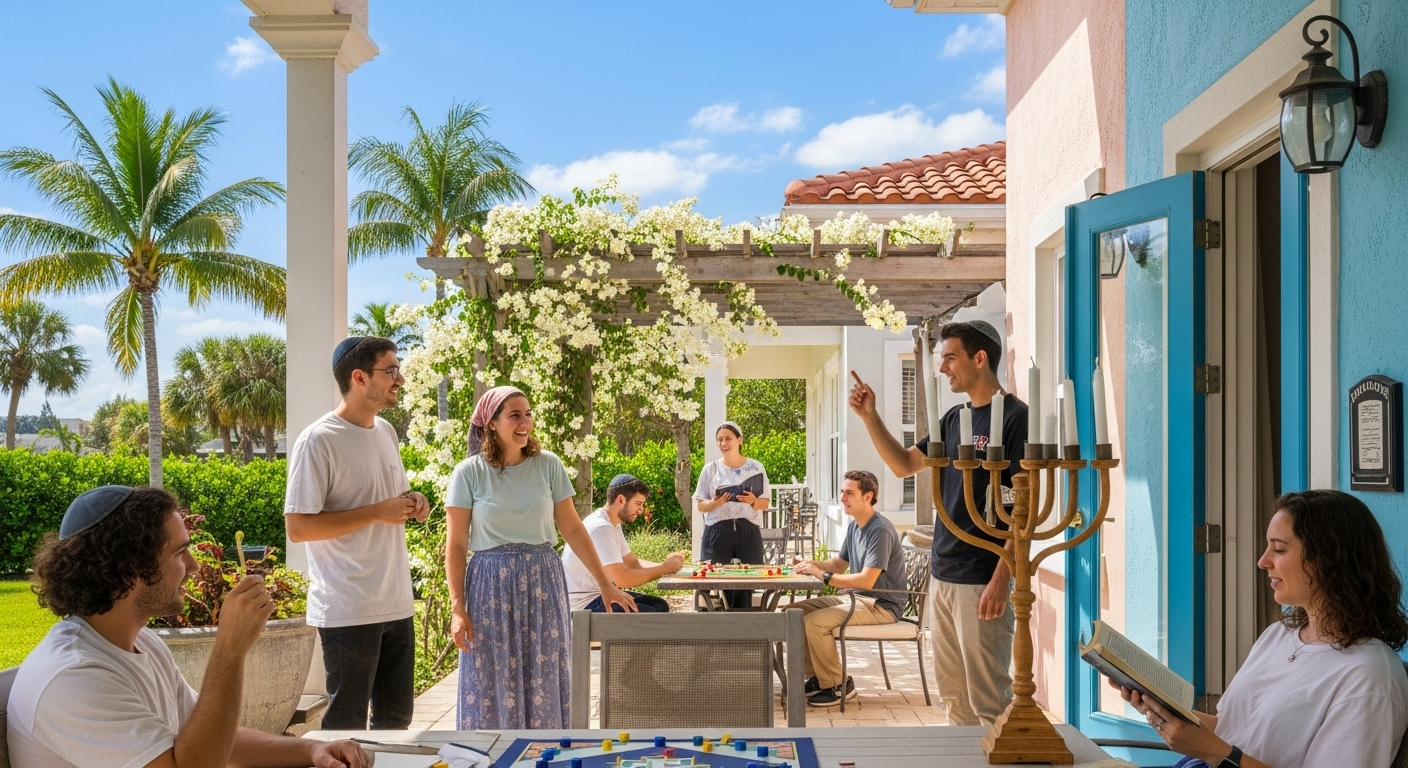
The best Jewish sober living programs balance licensed care with spiritual. Individual therapy addresses trauma, co-occurring disorders, and triggers, while group work fuels accountability and shared wisdom. When a Jewish drug rehab pairs DBT or CBT with guided text study, prayer, and service, people report greater clarity and cohesion.
Rehearsing coping skills in a faith context makes it easier to use them under stress, which is why a well-structured Jewish drug rehab program often leads to smoother transitions into sober housing and work.
Post-Rehab Case Management That Respects Tradition
The handoff from inpatient care to community living is where many relapses occur, which is why case management matters. Effective plans coordinate therapy sessions, psychiatric follow-up, community meetings, and spiritual support. Residents benefit from weekly check-ins, goal setting, and gentle accountability that covers life skills, employment steps, and sober social planning.
In a Jewish rehab setting, coordinators also map out Shabbat observance, holiday calendars, and access to rabbis or mentors who can advise on sensitive decisions.
Helpful elements include:
- A written relapse prevention plan tied to triggers, travel, and holidays
- Scheduling that honors prayer, learning, and community meals
- Skill-building for work search, budgeting, and time management
- Streamlined communication among therapists, mentors, and residents
When aftercare aligns with faith practices, people spend less energy negotiating identity and more energy executing their plan.
That is the quiet advantage of faith-aligned case management in Florida.
How Jewish Values Strengthen Long-Term Recovery
Teshuvah teaches that change is possible and actionable. Tikkun Olam reframes sobriety as service, turning recovery into contribution. Daily prayer and study build mindfulness and gratitude, two antidotes to impulsivity and shame.
Within community, accountability becomes mutual care, not punishment. Over time, these values shape a durable identity: a person in recovery who lives with purpose, humility, and hope. Residents often find that volunteer work, learning with a chavruta, and celebrating milestones with community make sober life not only stable, but meaningful. These practices complement therapy and medications, and they keep the recovery narrative forward-looking.
Jewish sober living in Florida works best when values are lived weekly, not discussed once. Set intentions on Sunday, prepare for Shabbat by Thursday, reflect and reset each weekend. Momentum follows rhythm, and rhythm follows values.

Conclusion
If you want recovery that honors tradition and the unique identity of each individual, Jewish sober living in Florida provides structure, identity, and community that lasts. Choose a path that respects tradition while equipping you with modern clinical tools.
Rocklay Recovery specializes in Jewish-focused sober living, aftercare, and case management in Boynton Beach, offering a compassionate, accountable path forward grounded in faith and evidence-based care.
Ready to rebuild your life with faith, purpose, and community? Contact Rocklay Recovery today and take the first confident step toward lasting sobriety.
FAQs
1. How does Jewish sober living differ from traditional sober living homes?
It blends clinical structure with Jewish practices like Shabbat, learning, and mentorship, so residents keep faith central while building skills, accountability, and sober routines.
2. Why is Boynton Beach an ideal location for Jewish recovery programs?
It offers community, synagogues, kosher resources, and strong clinical providers in a calm setting, which supports consistency, connection, and employment opportunities.
3. Can someone who isn’t strictly observant benefit from a Jewish drug rehab program?
Yes. Programs welcome various levels of observance and focus on values, structure, and support, tailoring spiritual involvement to each person’s comfort and goals.


