


Prayer, Purpose, Progress: Daily Spiritual Practices to Follow in a Jewish Sober Living Center
December 18, 2025
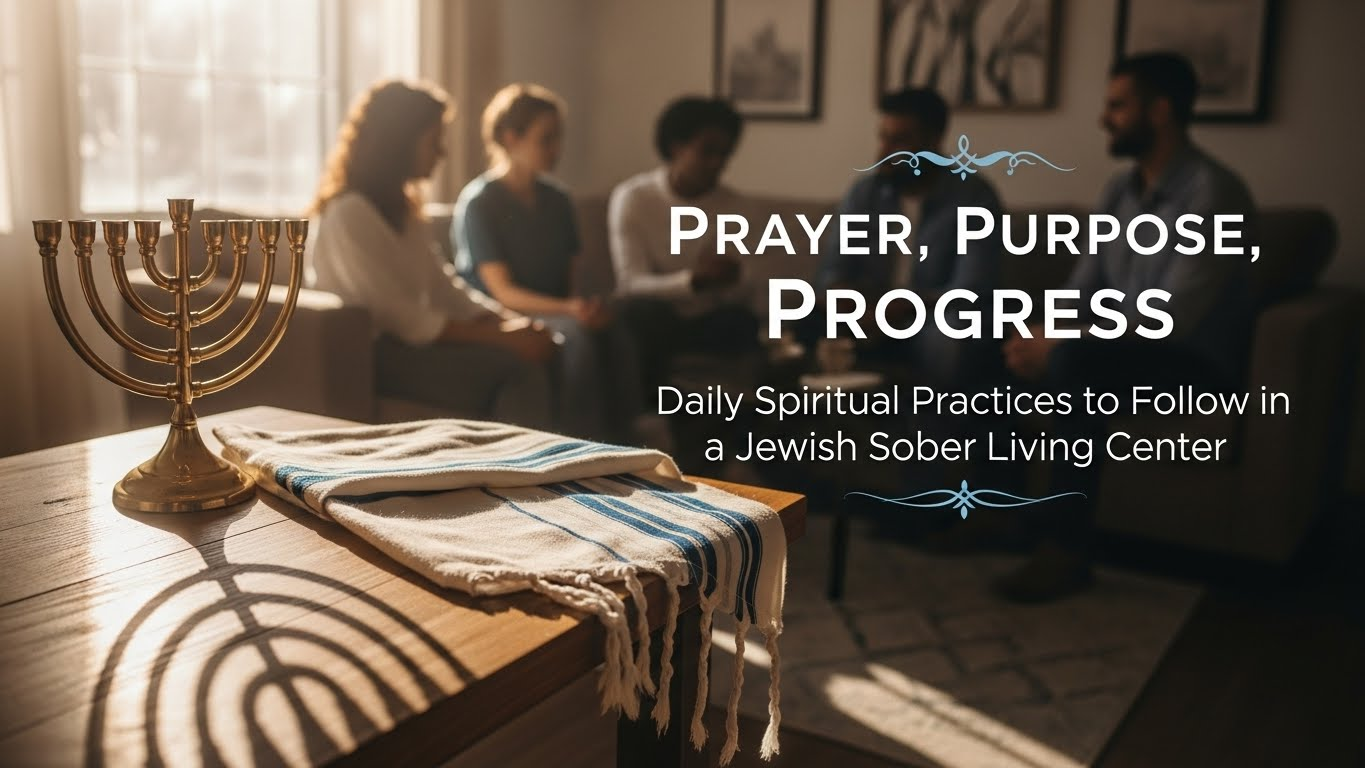
Recovery is not only about putting substances aside. It also involves rebuilding life with meaning, connection, and spiritual grounding. In a Jewish Sober Living Center, daily spiritual practices help turn that hope into a steady and repeatable routine.
Jewish prayer, learning and community can support long-term sobriety and emotional healing in a very practical way. Anyone exploring Jewish sober living in Florida can use these practices to imagine what a spiritually centered day in recovery may look like.
Why Daily Spiritual Practices Matter in a Jewish Sober Living Center
The Intersection of Judaism And Addiction Recovery
Judaism speaks directly to growth, repair, and fresh starts. The concept of teshuvah, often translated as repentance or return, closely reflects the journey of recovery. In a well-run Jewish Sober Living Center, teshuvah is not limited to the High Holidays; it becomes a daily way of living.
Regular spiritual discipline can:
- Lower relapse risk by giving structure and meaning to each day.
- Shift focus from shame toward responsibility and repair.
- Build resilience through prayer, reflection and self-review.
- Create a sense of belonging inside a Jewish recovery community.
- Offer a spiritual map where setbacks become part of growth, not the final word.
People who have completed Jewish rehab often find that a spiritually aligned sober home allows inner work to deepen instead of pause.
Daily Spiritual Practices to Follow in a Jewish Sober Living Center
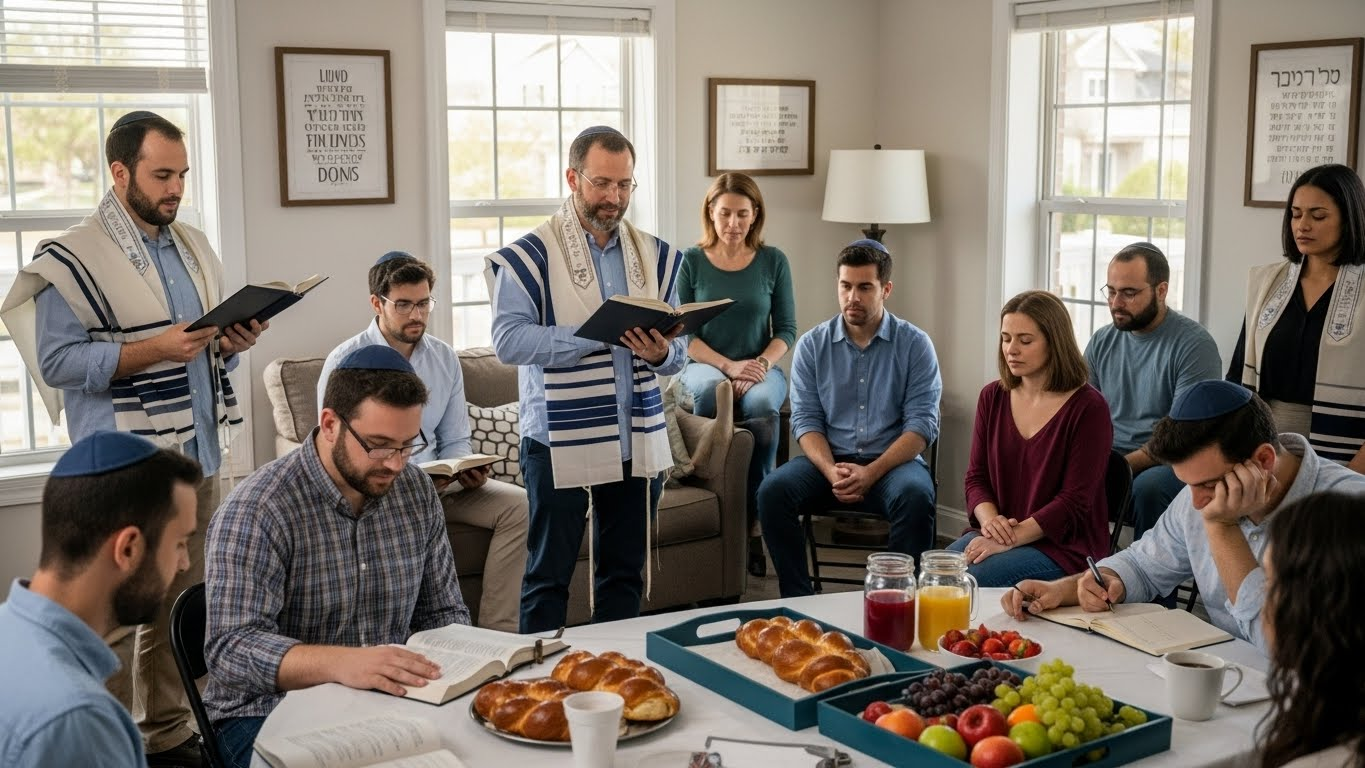
A strong Jewish Sober Living Center does not treat spirituality as an optional extra. Spiritual practices appear throughout the day so that prayer and purpose guide mornings, afternoons and evenings.
Morning Rituals: Starting the Day with Intention in Recovery
Daily Shacharit Prayer for Gratitude and Clarity
Morning can feel vulnerable in early recovery. Cravings, anxiety, or low mood may surface as soon as a person wakes up. Incorporating Shacharit, the traditional morning service, helps residents begin the day oriented toward Hashem and their deepest values.
Practical elements might include:
- A brief, structured Shacharit in a shared space.
- Time to sit quietly and consider the meaning of the words.
- Intention-setting that links the prayer to real recovery goals, such as honesty, outreach, or group participation.
Many who seek faith-based addiction recovery for Jews discover that a consistent morning prayer routine becomes the anchor for the rest of the day.
Modeh Ani And Journaling for Sobriety Affirmations
Modeh Ani, a short prayer said upon waking, thanks God for returning the soul. In recovery, this simple moment can gain new depth.
Residents can:
- Recite Modeh Ani slowly, acknowledging the gift of another sober day.
- Spend 5 to 10 minutes journaling, focusing on:
- One point of gratitude in sobriety
- One challenge that needs attention
- One clear intention for the next 24 hours
Over time, this blend of Jewish ritual and reflective writing creates a personalized set of spiritual tools tied to sobriety milestones.
Afternoon Practices: Building Resilience Through Study and Reflection
Torah Study Sessions for Wisdom and Strength
Afternoons in a Jewish sober living environment often include Torah learning. Prior study experience is not required. Thoughtful programs meet residents at many levels and choose texts that speak about struggle, courage, responsibility, and hope.
Benefits for emotional regulation include:
- Language and stories for complex feelings.
- Role models in Jewish texts who fail, learn, and rise again.
- A mental focus that calms racing thoughts.
- New ways to reframe painful experiences through a spiritual lens.
- Stronger identity and self-worth as part of a long Jewish story.
Torah-based addiction recovery sessions help residents connect their sobriety to something spiritually and historically larger than themselves.
Hitbodedut: Personal Meditation for Inner Peace
Hitbodedut, taught by Rebbe Nachman of Breslov, involves speaking openly to God in one’s own words. In a Jewish sober living environment, this practice can be adapted for modern recovery.
Residents might:
- Take a walk or find a quiet corner each day.
- Speak honestly to God about cravings, anger, fear, or loneliness.
- Ask directly for help coping with specific triggers or temptations.
Formal liturgy has great value; personal, unscripted conversation with God gives residents a private space to process feelings that may feel difficult to share in group settings at first.
Evening Wind-Down: Nurturing the Soul Before Rest

Maariv Prayer and Shema Recitation
Evening naturally invites review of the day. Maariv, the nighttime service, together with the Shema, allows residents to hand over their worries before sleep.
A simple evening routine can include:
- A short Maariv service that recognizes God’s presence even in darker moments.
- Quiet recitation of Shema, focusing on trust and protection.
- A brief personal inventory that notes where values were honored and where change is needed tomorrow.
Quality sleep is vital in recovery, and a calm, prayerful wind-down supports the nervous system in settling.
Chesed Acts and Community Sharing
Jewish tradition lifts up chesed, or loving-kindness, as a central value. Inside a Jewish sober living community, this value appears in small, daily acts such as:
- Checking on a housemate who struggled during the day.
- Helping with cooking or cleanup in a kosher sober living environment.
- Sharing gratitude or a small victory during an evening circle.
These simple gestures create connection and help residents experience themselves as contributors, not only as patients or clients.
Unique Advantages of Jewish Sober Living in Florida
Jewish sober living in Florida offers a mix of practical and spiritual strengths that many families deliberately seek:
- Access to a growing network of Jewish addiction recovery programs.
- Proximity to synagogues, rabbis, and community resources that understand recovery needs.
- A climate that supports outdoor walks, group gatherings, and meditation throughout the year.
- A developing hub of Jewish sober living in Boynton Beach and nearby areas, which deepens peer support and a sense of belonging.
Within this setting, Jewish sober living in Florida can blend Jewish life, clinical support, and spiritual practice into a unified recovery experience.
Conclusion: Integrate Faith and Recovery for Lasting Sobriety
Daily prayer, study, reflection and acts of kindness do more than fill time. These practices shape identity, stabilize emotions and offer genuine hope that long-term recovery inside a Jewish Sober Living Center is possible.
Rocklay Recovery in Boynton Beach provides Jewish sober living in Florida that combines evidence-based care with authentic Jewish spiritual practice after Jewish rehab. Those who feel ready for a faith-centered next step can visit https://rocklay.com/ and take a courageous move toward a sober, spiritually grounded future.


