

The Role of Jewish Traditions in Keeping Your Sobriety Strong
December 17, 2024
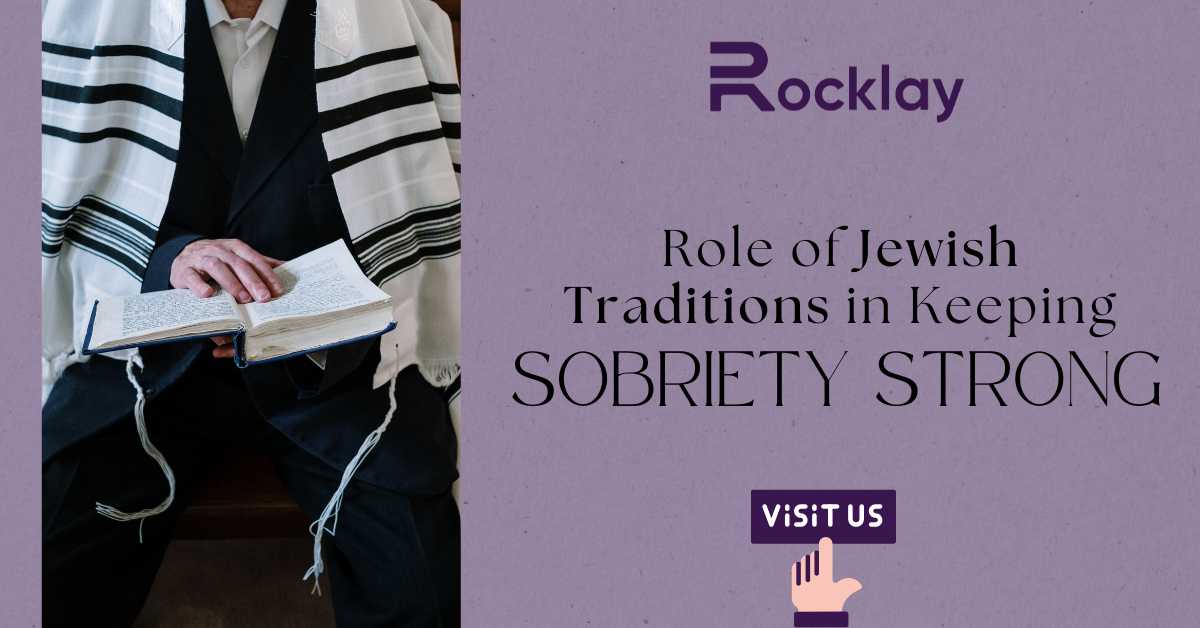
Around 14 million people worldwide practice Judaism. Jews believe that there is only one God who created the universe and that God controls the universe (monotheism). Judaism is a religion that believes God made a contract with the children of Israel. Judaism emphasizes following the laws of God and connecting with God, values that also form the foundation of Jewish sober living , promoting a life of faith, discipline, and purpose.
Since the Bible, different Jewish groups have interpreted the rules for how Jews should live in different ways. However, generally, Judaism is seen as the ancestor of Christianity. Jewish people do not believe that Jesus was the son of God or that God is three beings. They focus on how to live according to the laws of God.
Judaism and Substance Abuse
Some Jewish people believe that individuals in their faith cannot suffer from addiction. Although wine is used in Jewish ceremonies and rituals, the community often views addiction negatively. Orthodox Jews, in particular, follow very strict traditional values and separate themselves from behaviors they believe are harmful.

There are some myths about substance use in the Jewish community that contribute to stigma. These include ideas that Jewish people cannot experience addiction or that only those who have strayed from their faith develop these issues. Some also believe that substance misuse is a moral failing or that Orthodox Jews do not drink alcohol or use drugs.
Faith Health and Recovery in Judaism
Judaism says the body is a gift from God and should be protected. It encourages healing and nourishing the body and discourages damage. Jewish people struggling with addiction can get help from spiritual leaders and family. These approaches fit with Judaism and help people recover while staying true to their faith.
Judaism highlights the importance of taking care of oneself and living a life of discipline and compassion. People can create a better understanding of addiction by addressing myths and stigma within the community. This allows Jewish individuals to access recovery solutions that meet their spiritual and emotional needs.
Jewish traditions for centuries have offered guidance to promote resilience and a deep sense of community. These customs have helped people cope with struggles and achieve lasting sobriety. These traditions are relevant to everyone who is looking for comfort and a new purpose in life.
10 Jewish traditions that support sobriety – Jewish Sober Living
1. Shabbat: A Sanctuary of Rest
Shabbat is the Jewish day of rest. It begins every Friday evening and ends on Saturday evening. This time is sacred because it allows individuals to focus on spirituality and family. Shabbat offers a weekly opportunity to step away from distractions and reflect. Observing Shabbat creates space for mindfulness and gratitude in a Jewish sober living environment. It helps individuals reconnect with their faith and supports their recovery.

2. Fasting:
Fasting is a way of exercising self-control and thinking about yourself. It teaches you to control your desires and impulses and can be helpful for those with addiction issues. Yom Kippur is a time for personal reflection and commitment to recovery.
3. Torah Study: A Path to Wisdom
The Torah is the central text of Judaism. It offers guidance on how to lead an ethical and meaningful life. For people in recovery, studying the Torah can provide clarity and purpose. It helps them understand the challenges of life and discover solutions. Incorporating Torah study into a Jewish rehab program helps individuals find strength through centuries of wisdom. It also promotes self-growth and reflection.

4. Yom Kippur: The Power of Reflection
Yom Kippur is the Day of Atonement in Judaism and also one of the most important days in the Jewish calendar. The focus of this day is on reflection and renewal. It is a chance to reflect on past mistakes and make positive changes for those in recovery. Fasting during Yom Kippur is also a great way to learn discipline and also helps people in recovery to develop self-control.
5. Tzedakah
Tzedakah means giving to those in need and is an important value in Jewish ethics. It focuses on helping others, builds stronger communities, and provides personal fulfillment. This act of charity boosts self-esteem and strengthens the connection between individuals. It encourages clients to support their communities in Jewish & Kosher sober living programs.
6. Celebrating Jewish Holidays
Jewish holidays like Passover and Hanukkah are all about gratitude and renewal. These celebrations are a great chance to get involved with traditions and build stronger connections within the community. Such holidays offer a supportive environment and joyful moments for people in recovery. Taking part in these events helps people to feel like they’re part of their Jewish recovery community. These celebrations also help to reinforce the commitment to sobriety.

7. Kashrut: Discipline Through Dietary Laws
Kashrut is the term used for Jewish dietary laws. Following these laws requires us to be mindful of food choices. Following kosher guidelines can help people in recovery build discipline into their daily routines. Jewish rehab centers have programs that respect dietary laws. They provide meals that follow Kashrut, which helps clients develop healthier habits.
8. Prayer and Meditation
Prayer and meditation are central practices in Judaism as they provide pathways to inner peace and help individuals cope with challenges. These practices are important for people in recovery who want to manage stress and anxiety. Jewish rehab programs include prayer sessions to support emotional well-being. They also offer meditation as a tool for self-reflection.

9. Acts of Chesed or Kindness
Chesed is a Hebrew word that means acts of kindness. Helping others is a great way to feel a sense of accomplishment and connection with the community. Acts of kindness also boost self-confidence. Jewish recovery communities often include opportunities for Chesed, which helps individuals in recovery feel fulfilled by giving back to others.
10. Community Support
The Jewish community is known for supporting each other and this network is especially good for people in recovery. This support network creates a sense of understanding and shared experiences for healing. Jewish recovery communities support people on their journey. The shared environment helps people connect and feel like they belong.

Faith-Based Programs in Recovery
Programs that integrate Jewish traditions provide a culturally sensitive approach to recovery and address the needs of Jewish individuals by incorporating spirituality and cultural practices. These traditions at Rocklay Jewish Rehab are included in every aspect of care to create a holistic approach that promotes healing.
A Journey of Renewal
Jewish traditions provide a roadmap for sobriety. They offer spiritual, emotional, and community-based support. These practices inspire hope and resilience during recovery. Individuals can find strength and purpose in their journey by following these traditions. Jewish sober living and rehab programs are ideal for building a fulfilling and sober life for people seeking faith-based recovery.
Start your journey to health and comfort at Rocklay Sober Living Homes in Florida. Search us on Google to begin today.
Contact us now >> 561-917-8355


