


Mental Health Rehab: What You Need to Know About Inpatient Treatment
September 30, 2024

Many people suffer from mental health problems each year. Families need help coping with side effects and supporting their loved ones.
People often think of mental health therapy as weekly sessions with a psychiatrist. It can be an effective way to treat many mental health issues. Some individuals may require additional support to manage their symptoms and achieve recovery.
This is where Kosher Mental Health Rehab offers a safe and supportive environment. The Kosher dietary guidelines and spiritual practices help people overcome addiction and prevent relapse. This holistic experience is tailored for those seeking to improve their mental health within a faith-based framework. For more information on mental health rehab, continue reading.
What Is Mental Health Rehab?
Mental health rehab is a therapeutic approach designed to help people with mental health problems regain stability so that they can reintegrate into society. The primary goal of mental health rehabilitation is to promote recovery and behavioral issues in a structured environment.
Traditional outpatient care may not provide sufficient support for those with more severe psychological conditions. It is where Kosher Mental Health Rehab provides improved care within a religious practice and emotionally supportive environment.
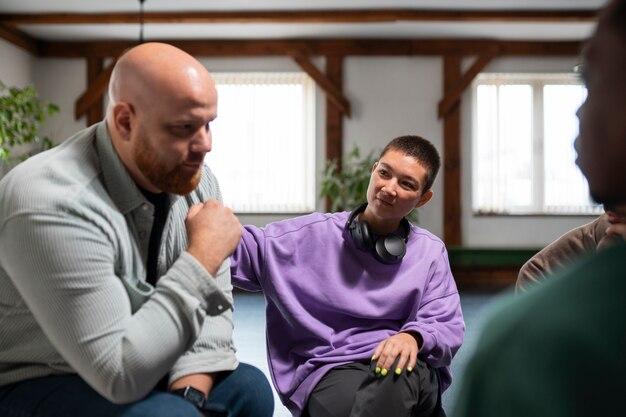
The majority of mental health rehabilitation centers allow the continuation of counseling in a manner consistent manner that you would get in a traditional setting. People often perceive mental health rehabilitation as the involvement of psychiatric wards with dangerous patients. However, mental health rehabilitation is a safe and effective method to create a range of mental illnesses.
You May Also Like: Jewish and Kosher Drug Rehab Program in Florida
Are You a Good Fit for Mental Health Rehab?
Many mental health conditions can be effectively treated through mental health rehabilitation. Here are some of the common illnesses commonly treated at mental health rehab.
- Bipolar disorder
- Panic attacks
- Grief & loss
- Mood disorders
- Depression
- Anxiety
- Affective disorders
- Phobias
- Psychiatric disturbances
The majority of rehabilitation centers are equipped to treat common mental health disorders, while the specific services and treatment options may differ from one facility to another.

It is crucial to recognize that the symptoms of mental illness not only affect the individual but can also strain the family and friends’ relationships.
Despite the overwhelming impact of these conditions, many people delay seeking help. In fact, research shows that in some regions, only a fraction of those living with mental illness receive the care they need.
The Benefits of Kosher Mental Health Rehabilitation
Choosing to enter a mental health rehabilitation center can be a life-changing decision. The programs offered at kosher mental health rehabs go beyond traditional therapy, providing a range of services that can significantly improve a person’s quality of life.
Patients at a specialized facility benefit from treatments designed to address both their mental health challenges and spiritual needs. Many kosher rehab centers offer the following services:
Cognitive Behavioral Therapy (CBT): A highly effective form of therapy that helps patients reframe negative thoughts and behaviors.
Dialectical Behavioral Therapy (DBT): A form of therapy that focuses on emotional regulation, mindfulness, and interpersonal skills.
Family Therapy: Support for both the patient and their loved ones, helping to heal relationships and create a supportive home environment.
Trauma Therapy: For individuals whose mental health challenges are rooted in past traumatic experiences.
Medication Management: It ensures that patients receive the appropriate medications to support their treatment.

How to Know If You Need Psychiatric Treatment?
It can be challenging to find out on your own whether mental health rehab is right for you. However, there are several signs that indicate that you need a supportive environment may be beneficial:
- Persistent feelings of sadness without any apparent cause
- Excessive feelings of fear, worries, or guilt.
- Isolation from friends and family
- Extreme mood swings, which could range from emotional highs to lows
- Loss of interest in activities you once enjoyed
- Drastic changes in appetite or sleeping patterns
- Difficulty coping with everyday stress
- Struggles with substance abuse
- Suicidal thoughts or behaviors
Mental health rehabilitation provides a comprehensive and effective pathway to sustained recovery for those who require additional support.
Mental Health Rehab or Kosher Sober Living?

Mental health rehab helps people recover from mental health problems in a supportive environment. Kosher mental health rehab combines traditional therapies with spiritual guidance and kosher practices for those who want to heal spiritually. This approach helps people feel like they belong and are emotionally well in a place that is in line with their beliefs.
More About Kosher Sober Living: Choose Kosher Sober Living In Delray Beach for Deaddiction
Kosher sober living is a good option for people who need a stable and supportive place to live after rehab. We at Rocklay offer sober living homes that are safe spaces for people to continue their recovery journey. Our Kosher sober living offers community support within a religious framework and helps individuals sustain their recovery without the intense clinical interventions of a mental health rehab.
Give us a call at 561-917-8355
Start your journey to health and comfort at Rocklay Sober Living Homes in Florida. Search us on Google to begin today.
FAQs for Mental Health and Kosher Mental Health Rehab
Q1. How is Kosher Mental Health Rehab Different from Traditional Rehab?
Kosher mental health rehab incorporates spiritual and religious practices, particularly following kosher dietary guidelines, along with traditional therapeutic approaches. It provides a faith-based environment that supports emotional, mental, and spiritual healing, tailored specifically for individuals who seek recovery within their religious values.
Q2. Who is a Good Candidate for Mental Health Rehab?
Anyone struggling with severe or persistent mental health issues such as mood disorders, panic attacks, anxiety, or substance abuse may benefit from rehab. If you find daily life overwhelming or have difficulty managing emotions, rehab could offer the support needed for recovery.
Q3. Can My Family Be Involved in the Rehab Process?
Yes, many mental health rehab programs include family therapy to help heal relationships and provide loved ones with the tools to support the patient. A strong family support system is often crucial for sustained recovery.
Q4. How Long Does Mental Health Rehab Last?
The length of stay in mental health rehab varies depending on the individual’s condition and needs. It can range from a few weeks to several months. Your treatment plan will be tailored to ensure you get the necessary support for long-term recovery.
Q5. What Happens After Mental Health Rehab?
After rehab, individuals often transition to less structured environments such as kosher sober living homes. This helps them maintain the progress made in rehab while continuing to receive community support.


