


Rekindling Faith in Recovery: Jewish Rehab Approaches That Resonate in 2026
February 2, 2026
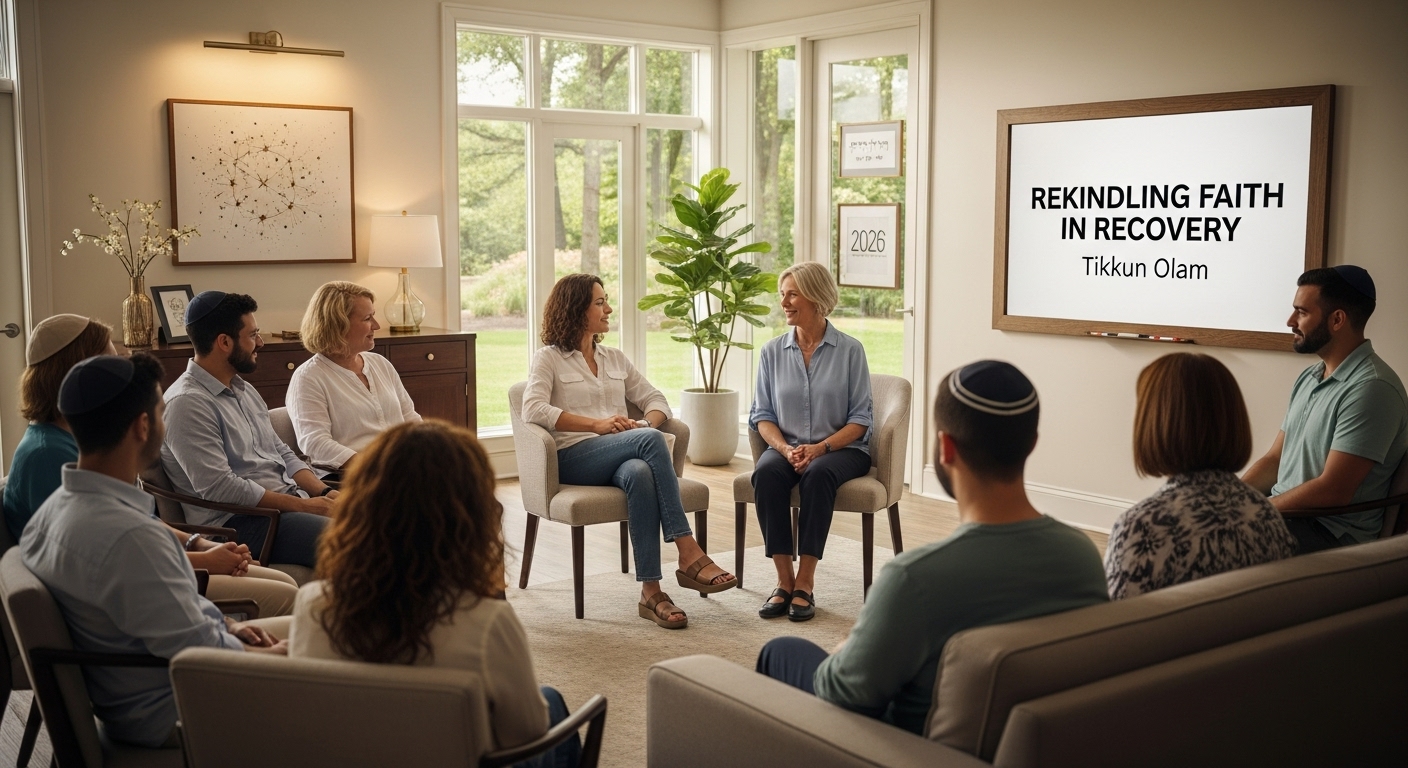
Choosing recovery can feel like starting over, and many people want that fresh start to include their spiritual identity. However, in most recovery institutions, it often feels like you need to choose between your recovery and religion. However, for Jewish individuals and families, Jewish rehab can offer more than cultural comfort; it can restore meaning, routine, and connection at a time when life feels unsteady.
In 2026, the most effective programs have a combination of evidence-based care and considerate Jewish life practices, hence faith does not override clinical treatment. This blog post will clarify what to seek, what to enquire, and how Judaism could be in harmony with long-term healing.
Why Faith Can Strengthen Recovery?
Addiction often disconnects people from community, purpose, and self-respect. Jewish practice can help rebuild those foundations through structure, reflection, and belonging.
A well-designed Jewish rehab environment can also reduce the “split life” feeling some people experience in treatment, where spirituality and clinical care sit in separate boxes. When values and care plans match, many clients find it easier to stay engaged.
What a Jewish-Centered Program Actually Includes?
A good Jewish and Kosher drug rehab program normally does not just serve kosher meals. This can involve arranging Shabbat-appropriate schedules, acquiring Jewish literature or educational possibilities, and opportunities to meet with a rabbi or Jewish chaplain.
It must also be accommodating of various degrees of observance. Being strict is unnecessary to gain, and you should never feel forced into doing what is not part of your beliefs.
Clinical Care Still Leads the Plan
Judaism has the potential to sustain recovery, but treatment still requires a clinical foundation. Find licensed clinicians, personalized care plans, and a treatment of substance use disorders that works well with you (alcohol, opioids, stimulants, prescription medications, or polysubstance use).
In 2026, numerous validated programs incorporate the combination of methods, which include CBT, DBT, trauma-informed care, family therapy, and relapse-prevention planning. In the case of opioid and alcohol use disorders, medication-assisted treatment may be a life-saving method provided that it is clinically appropriate.
Co-occurring Mental Health Needs, Addressed With Sensitivity
Many people seeking help also manage anxiety, depression, PTSD, OCD, or bipolar disorder. A true Kosher mental health rehab model means the program can treat mental health conditions with the same seriousness as addiction, while respecting religious needs (for example, modesty considerations, privacy, and culturally competent therapy).
Jewish Practice as a Recovery Tool
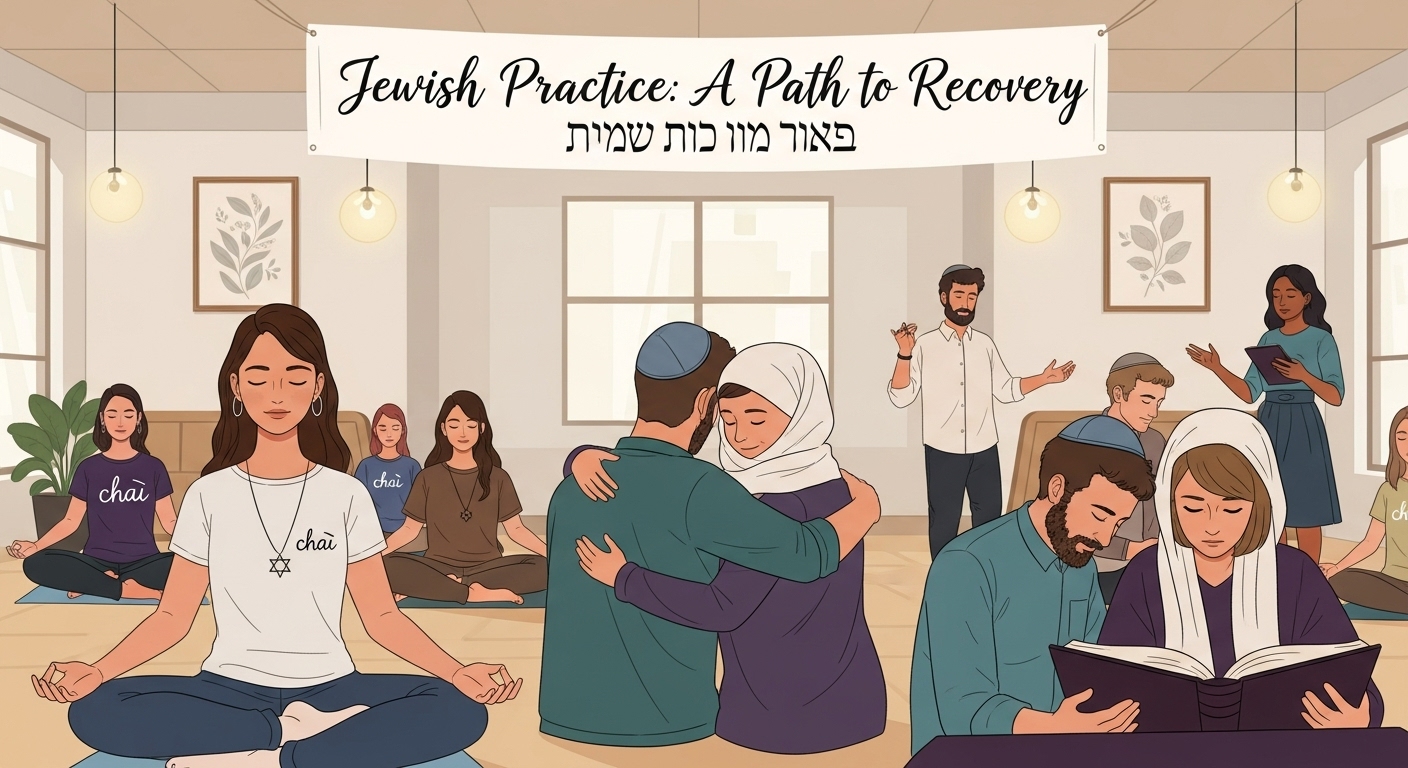
Recovery skills can be complemented in a very practical manner using Jewish traditions. Emotional management is assisted through frequent prayer or contemplation. As an example of a weekly restart, one can take Shabbat. One of the most common relapse drivers is isolation which can be mitigated by community.
In Jewish rehab settings, the goal is often to translate values into daily coping strategies. For example, cheshbon hanefesh (a personal moral inventory) can pair naturally with therapy homework, journaling, and accountability planning.
Food, Routine & Dignity in Treatment
For many families, kosher standards are not just dietary rules; they represent continuity and dignity. Programs that take this seriously tend to think carefully about daily life details that matter during vulnerable periods.
If you are considering Kosher living in Florida while in treatment or during aftercare, ask how kosher food is sourced, how cross-contamination is prevented, and what happens on Shabbat and holidays. A program should answer these questions with specifics, not vague assurances.
Checklist: How to Choose a Program That Fits
- Confirm licenses and accreditation, and ask which clinicians (not only “staff”) provide therapy
- Ask what therapies are used weekly, how progress is measured, and how relapse prevention is taught
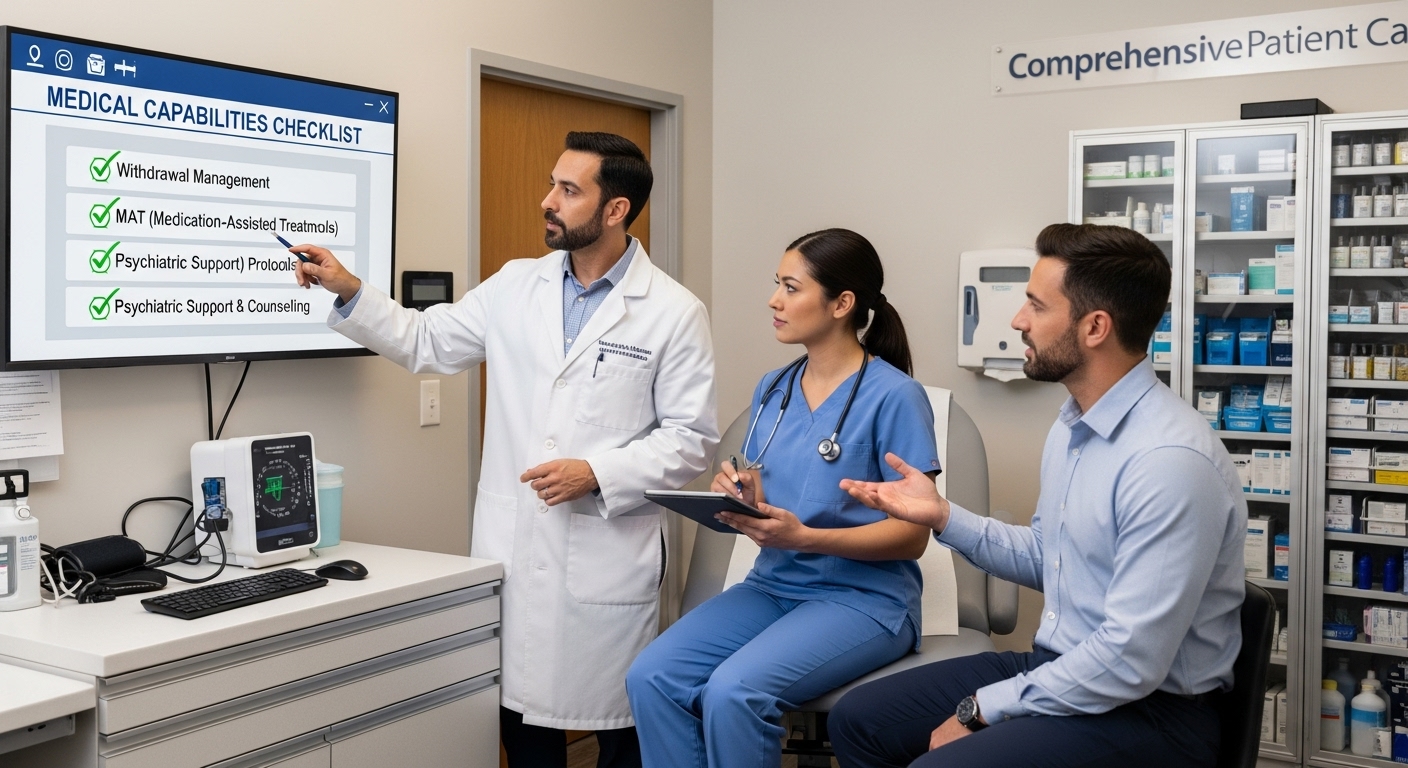
- Verify medical capabilities, including withdrawal management, MAT when appropriate, and psychiatric support
- Ask how Jewish support is offered (rabbi/chaplain access, Shabbat accommodations, holiday planning)
- Review the food plan, kitchen standards, and what “kosher” means in daily operations
- Request a written aftercare plan, including outpatient coordination, family support, and community connections
- Ask about privacy, boundaries, and policies for visitors, phones, and work or school obligations
Florida-Specific Considerations in 2026
If you are searching for a Jewish sober program in Florida, consider both clinical quality and practical logistics. Florida’s large recovery ecosystem can be helpful, but it also means quality varies widely between facilities.
Think through transportation, family visitation, and aftercare continuity. If you will stay locally after discharge, Kosher living in Florida may shape where you live, which outpatient clinic you use, and how easily you can plug into supportive community routines.
Finding the Right “Jewish Fit” Without Losing Clinical Rigor
A good Jewish drug rehab program should be able to explain how it integrates Jewish life with therapy schedules, groups, and medical appointments. Integration is the key word, because recovery improves when support systems work together.
You can also ask how the program handles sensitive situations, such as Shabbat and emergency medical needs, fasting days when someone has a medical risk, or participation expectations for clients from different denominations.
Aftercare That Keeps Faith Connected to Progress
The post-discharge activities determine the long-term recovery. Outpatient therapy, support groups, alumni programs, and sober housing help many people, and routines help them, making them less prone to decision fatigue. The second consideration, a re-examination of Kosher mental health rehab support, can be relevant here as well, since stress, sleep problems, and unresolved trauma tend to reappear in the process of reintegration. Strongest plans integrate clinical aftercare with community supports in realistic and non-judgmental manner.
Final Words
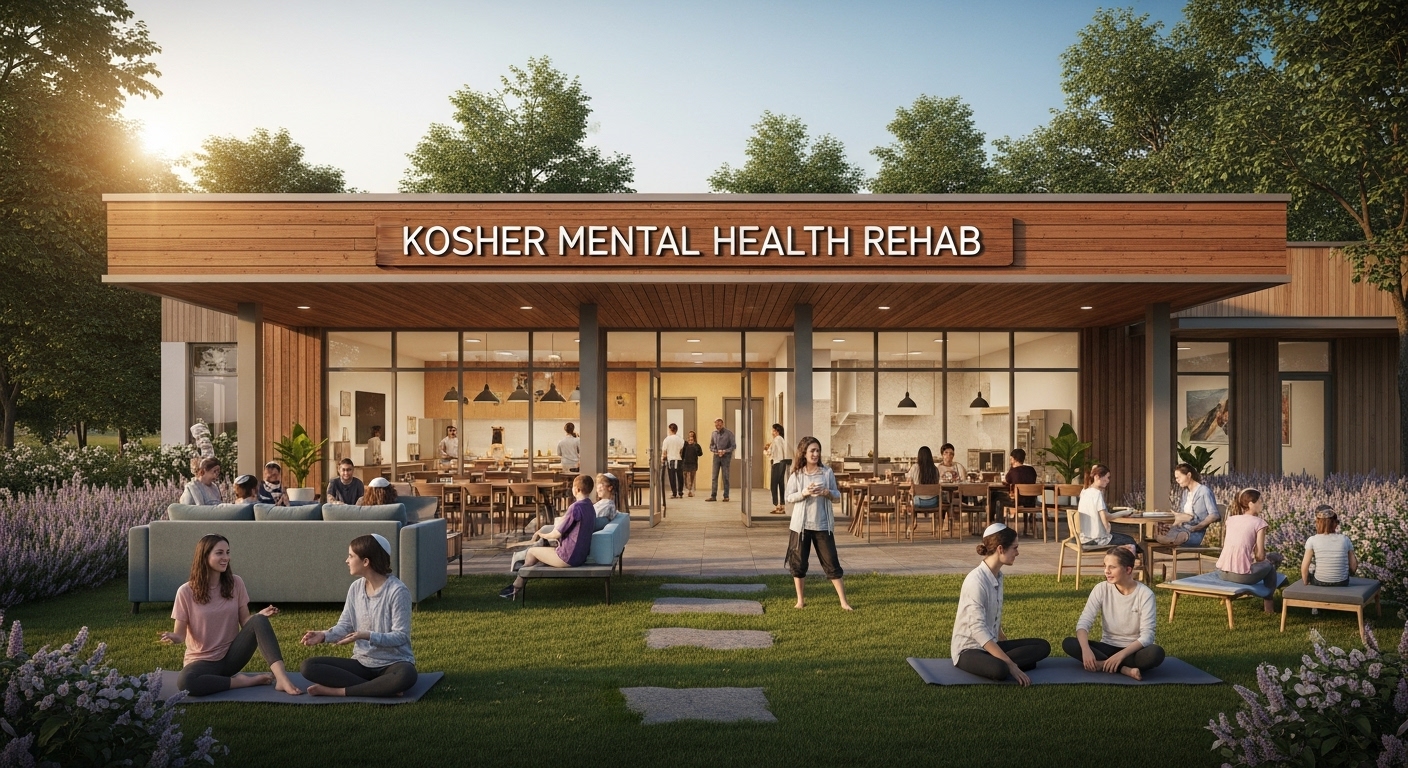
If you are planning a recovery process that aligns both- the clinically proven treatments and your Jewish faith, it is necessary to know all the basics of how Jewish rehab works, and how it can support you in achieving a fulfilling life after your recovery.
If you are looking for a Jewish and Kosher drug rehab facility in Florida, check out t Rocklay Recovery to start your recovery journey.
FAQs
Q1. What is Jewish rehab?
It is an addiction treatment that combines licensed clinical care with Jewish-informed support such as kosher food options, Shabbat accommodations, and access to Jewish spiritual resources.
Q2. Do I need to be observant to join a Jewish program?
No. Most programs serve people across denominations and tailor spiritual support to your comfort level.
Q3. Is a Jewish and Kosher drug rehab program only about food?
No. Food is one part; stronger programs also support routines, holidays, and culturally competent care.
Q4. How do I know if a program can treat anxiety or depression too?
Ask if they offer dual diagnosis care, onsite psychiatry, and an individualized plan; that is central to Kosher mental health rehab quality.
Q5. Can a Jewish sober program in Florida coordinate aftercare when I return home?
Many can, but you should confirm they coordinate with your local therapist, psychiatrist, and community supports before you enroll.


