


Therapy in Addiction Recovery: Creating a Pathway for Change
August 27, 2024

Any type of substance usage can jeopardize the health and well-being of individuals and families.
Recovering from addiction is about more than just stopping the use of substances. It is about changing the way a person thinks and feels. One of the most important tools in this process is therapy.
It helps people understand their struggles and find better ways to cope. But why is therapy so important for making real, lasting changes?
Why Therapy Matters in Addiction Recovery:
Therapy is really important in addiction and mental health recovery because it looks at more than just the physical aspects of addiction. Here is how therapy is a great way to make lasting changes and support long-term recovery:
Knowing triggers: Therapy enables individuals to identify their personal triggers. These triggers are a certain set of situations, emotions or people that can lead to substance abuse. This awareness allows them to develop strategies for avoiding or managing these triggers effectively.
Develop Coping skills: The goal of effective therapy is to give people a range of healthy ways to manage cravings and challenging emotions without turning to substance abuse.
Builds self-esteem: Addiction can lead to feelings of shame, guilt, and low self-esteem. That is where therapy can help individuals rebuild self-worth and develop a positive self-image.
Prevention from relapse: Therapy in addiction recovery teaches relapse prevention techniques by enabling individuals to recognize warning signs. It also helps them develop a plan so they can stay on track in recovery.
Addressing Underlying Issues: Therapy can help people tackle the mental health issues that might have played a part in their addiction, such as anxiety or depression.
Common Therapies Used in Addiction Recovery

There are different types of therapy that can be really helpful in addiction recovery. Each approach has its own set of benefits. So, a personalized treatment plan might include a mix of different types to address individual needs.
Here’s a quick overview of some of the most common therapies:
Medical detox
Medical detox is a process designed to clear all drugs from the body of an individual addicted to them. Medical and clinical professionals are on hand to treat any physical or emotional symptoms that may arise during the course of drug withdrawal. Individual therapy during detox also helps prepare the client for ongoing treatment in rehab.
Individual Therapy
This provides a secure and confidential environment in which you can examine the underlying causes of your addiction. This therapy helps develop coping strategies and helps you work towards achieving your recovery objectives. It is where Rocklay therapists are equipped with the expertise to adapt to align with your distinctive requirements and preferences.
Group Therapy
The programme offers a supportive and empowering environment where participants can connect with others who share similar experiences. Sharing your experiences with other participants can foster a sense of belonging and hope. Relief Recovery Center offers a variety of support groups and allows clients to select a group that aligns with their specific needs.
Inpatient rehab
Inpatient rehabilitation for addiction provides a high level of structure and accountability for individuals undergoing recovery from addiction. During the rehabilitation, clients reside at the rehab center for their treatment. They also have a daily schedule with individual and group therapy. They participate in recovery group meetings, time for physical activity and meals, recreational outings, and a limited amount of personal time.
Sober living programs

Sober living programs provide a drug-free and community-supported environment for people while they are in recovery. These gender-specific homes provide peer accountability, regular drug testing and house meetings. Residents also have access to recovery support services, employment assistance and certified peer recovery support.
Aftercare
Aftercare services are the perfect solution for those who have already completed the detox and sober living but need continued support for sobriety. These programs offer peer accountability with support services and weekly meetings.
Holistic drug rehab
Holistic drug rehabilitation programmes provide a wide range of treatments to enhance clients’ overall well-being. These usually encompass their physical, mental and spiritual health. In the therapy, the treatment offerings may include services such as
- Acupuncture
- Yoga
- Meditation
- Nutritional counselling
The Benefits of Therapy in Addiction Recovery
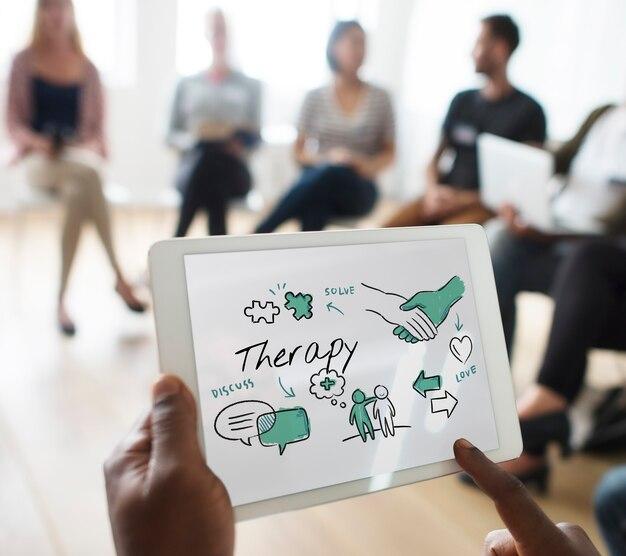
The above-mentioned therapies offer various benefits that can go ahead and beyond symptom management. It helps the individuals to:
- Cope better
- Build better relationships
- Be more aware of yourself
- Build a strong support
- Stay sober and healthy
The therapy helps you live a meaningful and fulfilling life.
Long-term sobriety through therapy.
The key focus of therapy is not only to overcome addiction but also to create the foundation for a fulfilling life. Therapy helps people recover from addiction. Our experienced support staff and therapists will work closely with you to empower you and help you reach your full potential. Contact us to learn about our therapy programs and how we can help you in your journey of recovery.
Discover the steps toward a brighter, healthier future by committing to long-term sobriety
Conclusion
Therapies play a significant role in addiction recovery and are more than just symptom control. This gives a complete solution: it works on emotional, mental, and behavioral dimensions when addiction arises. Therapy helps people recognize their triggers and teaches them healthy ways to cope with life, providing a foundation for real change and long-lasting recovery.
The best treatment methods for addiction can help people break free from chemical dependency and offer a supportive life lived in honesty. We want to be a part of your healing at Rocklay Sober Living. Don’t wait any longer; contact us today to find out how we can help you reach your recovery goals and gateway to your fullest potential.
Start your journey to health and comfort at Rocklay Sober Living Homes in Florida. Search us on Google to begin today.
Contact- 561-917-8355
FAQs for Therapy in Addiction Recovery
Q1. How Therapy Works With Addiction Recovery
Therapy is central to successful addiction treatment, providing a means of uncovering the deeply rooted causes of substance use, engaging in healthier coping methods, and working on rebuilding self-esteem. It also helps recognize and cope with potential relapse indicators.
Q2. What Are Potential Triggers Therapy Can Help to Map Out?
Triggers can include situations, emotions, and people that could lead to substance use. Therapy can help you learn to recognize your personal triggers and provide ways to deal with or avoid them entirely.
Q3. What Is Aftercare and Why Does It Matter?
Aftercare refers to the ongoing support provided after completing detox or rehab. It includes services like peer accountability and weekly meetings that help individuals maintain sobriety and avoid relapse.
Q4. How Does Therapy Fit Into Developing an Enjoyable Life in Recovery?
Therapy helps you not only break free from addiction but also build a foundation equipped with the skills and mindset needed to live purposefully. Long-term success in recovery involves relationships, self-awareness, and overall well-being, essential for lasting happiness.


