

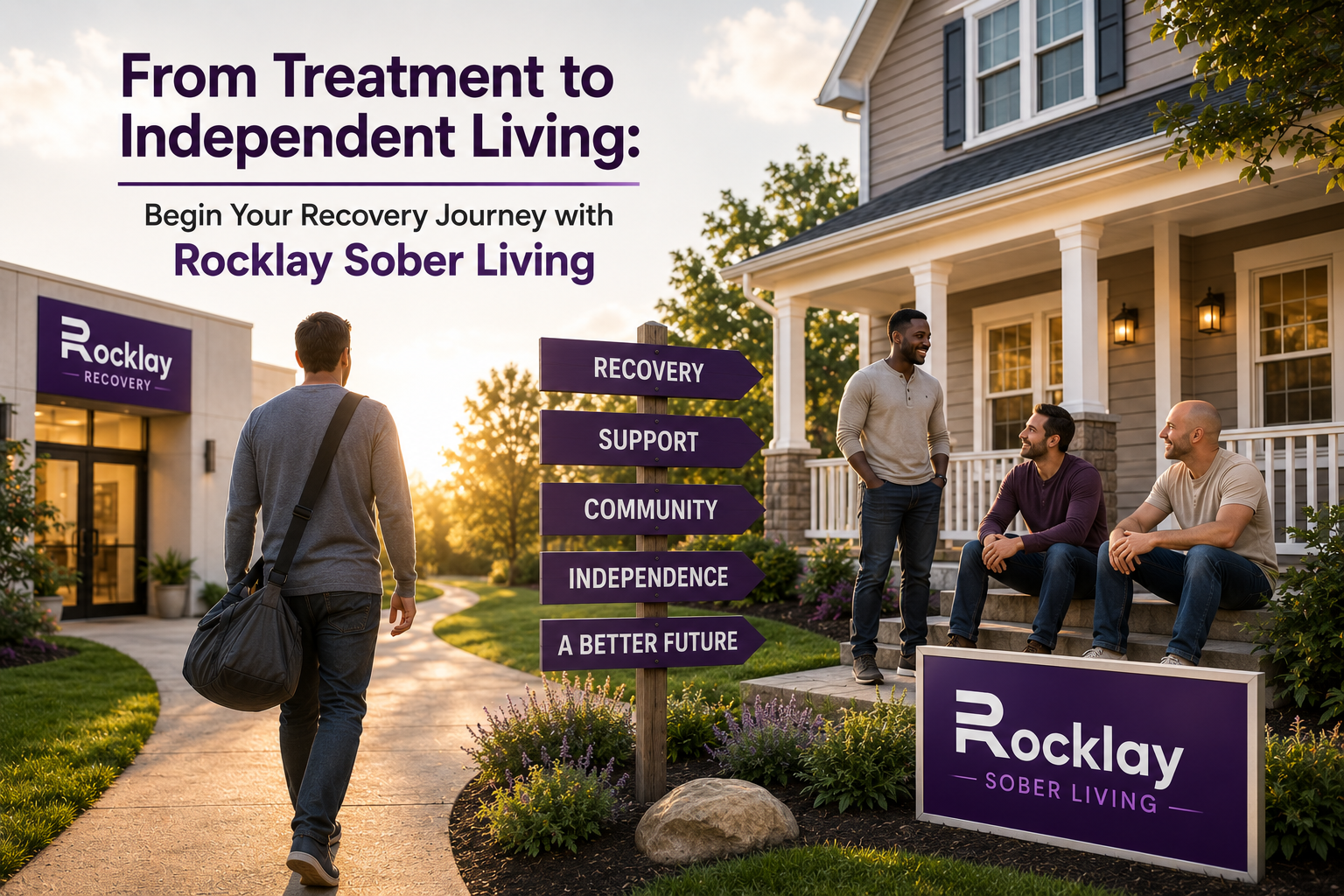
From Treatment to Independent Living: Begin Your Recovery Journey with Rocklay Sober Living
August 6, 2026
What happens the day after treatment ends? – this is a question that keeps a lot of families up at night. Rehab teaches someone how to get sober. But nobody hands out a manual for staying that way once the structured days, the counselors, and the daily check-ins are gone.
That gap between finishing a program and actually living life again is where so many people struggle. And it’s exactly where Jewish sober program in florida step in.
At Rocklay Sober Living, we help people finding the right support after treatment with the best sober program options. In this blog post, we’ve covered how to begin your recovery journey with the best sober living programs. Read on to know.
Why Choose a Jewish Drug Rehab Program After Treatment?
Here’s the thing about recovery – it works better when you don’t have to explain yourself. In a Jewish rehab or faith-based aftercare setting, you’re surrounded by people who already get it. Shabbat, kosher food, holidays, family pressure, guilt, tradition – none of it needs a footnote. You just live it. That familiarity takes one more thing off your plate at a time when your plate is already full, and it makes staying sober feel less like a battle and more like just… life.
The Journey from Treatment to Independent Living
Nobody walks straight out of rehab and into a fully independent life. It happens in stages. Skip a stage, and you’re setting yourself up to slip. Rocklay’s Jewish Sober Program covers that whole stretch – from structured sober living and halfway house support to full residential care, plus help for anyone dealing with mental health struggles alongside addiction.
Here’s what the path usually looks like:
- Finish primary treatment – This is the medical and emotional groundwork – detox, therapy, understanding what led you here.
- Move into sober living – A real home, real rules, real people – but no substances, and no going it alone.
- Practice independence – Get a job. Pay a bill. Show up on time. Small things that rebuild big trust.
- Live on your own – Carry everything you learned into a life that’s finally yours again.
If you’re looking for a Jewish treatment center or transitional home that actually understands what Jewish individuals need in recovery, this is that place. Take the first step. It’s worth it.
Advantages of Jewish Sober Living in Florida
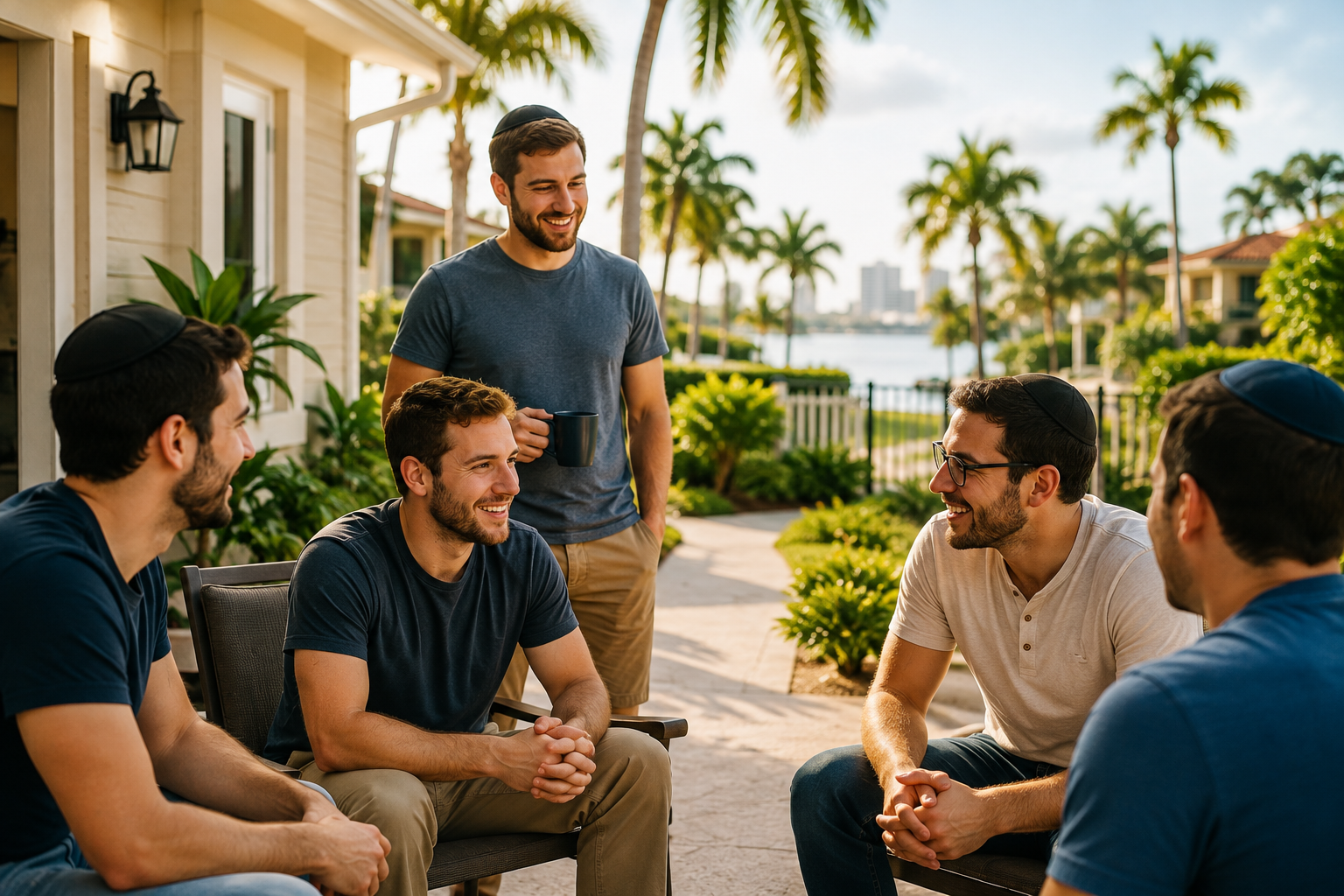 There’s a reason faith-based, culturally specific sober living has grown so much in recent years. It works because it addresses more than the addiction – it addresses the whole person.
- A Holistic and Personalized Approach
Addiction rarely shows up by itself – anxiety, depression, family stress usually tag along. A good program treats the whole person, not just the addiction. For Jewish residents, that means faith and culture aren’t extras. They’re part of the plan.
- A Supportive Community
Addiction thrives in isolation. Sober living kills that isolation. Shared meals, shared holidays, shared struggles – it builds a kind of brotherhood that’s hard to find anywhere else. In men’s sober living florida homes especially, that daily camaraderie becomes one of the strongest reasons people stay on track.
- Life Skills and Personal Growth
Sobriety isn’t just “not using.” It’s cooking dinner. Doing laundry. Managing money. Showing up when you say you will. These are small, boring skills – and they matter more than almost anything else in the long run.
- Spiritual Growth and Relapse Prevention
Faith gives people something to hold onto on hard days. Prayer, community, purpose – these aren’t separate from recovery, they’re part of it. Paired with real relapse-prevention tools, this combination becomes a genuine safety net.
Did you know?
People who move directly into structured sober living after treatment – instead of going straight home – tend to stay sober longer. Structure in that first year matters more than almost anything else.
Questions to Ask Before Choosing a Sober Living Residence
 Before you pick a home, ask:
- Is it licensed, staffed, and drug-tested regularly?
- Does it fit your values, faith, and lifestyle?
- What does a normal day actually look like there?
- Does it help with jobs, therapy, and family reconnection?
- Can you talk to someone already living there?
- Is the location right? A place offering sober living in Boynton Beach gives South
Florida residents both – closeness to family and enough distance from old triggers to actually rebuild.
Asking these questions isn’t overthinking it. It’s just being smart about your own recovery.
Why Rocklay Stands Out?
Rocklay Sober Living was made for Jewish people who’ve finished treatment and are ready for what comes next – not a rushed goodbye, but real support through the hardest transition in recovery. Jewish heritage isn’t tacked on here. It’s just part of daily life, from shared meals to shared values.
What residents actually get:
- People who understand the struggle firsthand
- Respect, with zero judgment about the past
- Real hope for what’s ahead
- Freedom to rebuild at your own pace
- A growing sense of confidence with every small win
Little by little, residents build habits and routines that actually stick – in a home that celebrates who they are instead of asking them to hide it. Contact us now for more information.
Bottom Line
Getting sober is hard. Staying sober is a different kind of hard – and it’s the part most people aren’t ready for. That’s exactly the gap sober living fills.
If you or someone you care about just finished treatment and wants a next step that actually understands Jewish identity and family life, Rocklay’s sober living community in Florida is built for exactly that. No perfect promises. Just a steady place to keep going. Reach out to us for more information.
FAQs
Q. What is Jewish sober living?
A. It’s a substance-free transitional home that combines structured recovery support with Jewish cultural and religious practices, like kosher meals and Shabbat observance.
Q. Is sober living the same as rehab?
A. No. Rehab is clinical treatment; sober living is a supportive, structured home environment for after treatment, focused on daily life skills and accountability.
Q. How long do people typically stay in sober living?
A. It varies by individual, but many residents stay anywhere from a few months to a year, depending on their progress and readiness for independent living.
Q. Do sober living homes require sobriety maintenance rules?
A. Yes. Most require regular drug testing, curfews, house meetings, and active participation in recovery-related activities.
Q. Is Jewish sober living only for religious individuals?
A. No. It’s open to anyone who identifies as Jewish and wants a recovery environment that respects and reflects Jewish culture and values, regardless of religious observance level.
Q. Can family be involved during sober living?
A. Many programs, including Rocklay, encourage family reintegration as part of the recovery process, often gradually as residents rebuild trust and stability.


