


Empower Your Path: Why a Jewish and Kosher Drug Rehab Program Changes Everything
April 22, 2025

The National Institute on Drug Abuse reports that more than 20 million Americans struggle with substance use disorders each year. Many in Jewish communities feel overwhelmed due to stigma and isolation when they seek help. A Jewish and Kosher Drug Rehab Program addresses faith-related and cultural concerns, creating a structured space for those who want to restore their well-being while honoring religious practices.
This blog examines the importance of specialized treatment centered on the Jewish faith, the challenges individuals encounter, and how a culturally mindful approach promotes enduring sobriety.
Challenges on the Path to Jewish Drug Rehab
Shared moral values often encourage Jewish communities to remain silent regarding addiction. Denial frequently arises from fear of “shame” or the assumption that faith alone can conquer substance abuse. The following factors make recovery difficult:
- Stigma and Shame: Many feel compelled to appear in control, which complicates admitting a problem.
- Cultural Expectations: Observing Shabbat, adhering to kosher rules, and attending religious gatherings can be problematic in programs that disregard Jewish customs.
- Fear of Consequences: Some hide their battle due to worry about criticism from peers or community leaders.
These concerns highlight the need for a Jewish drug rehab program that weaves faith, culture, and proven recovery approaches together.
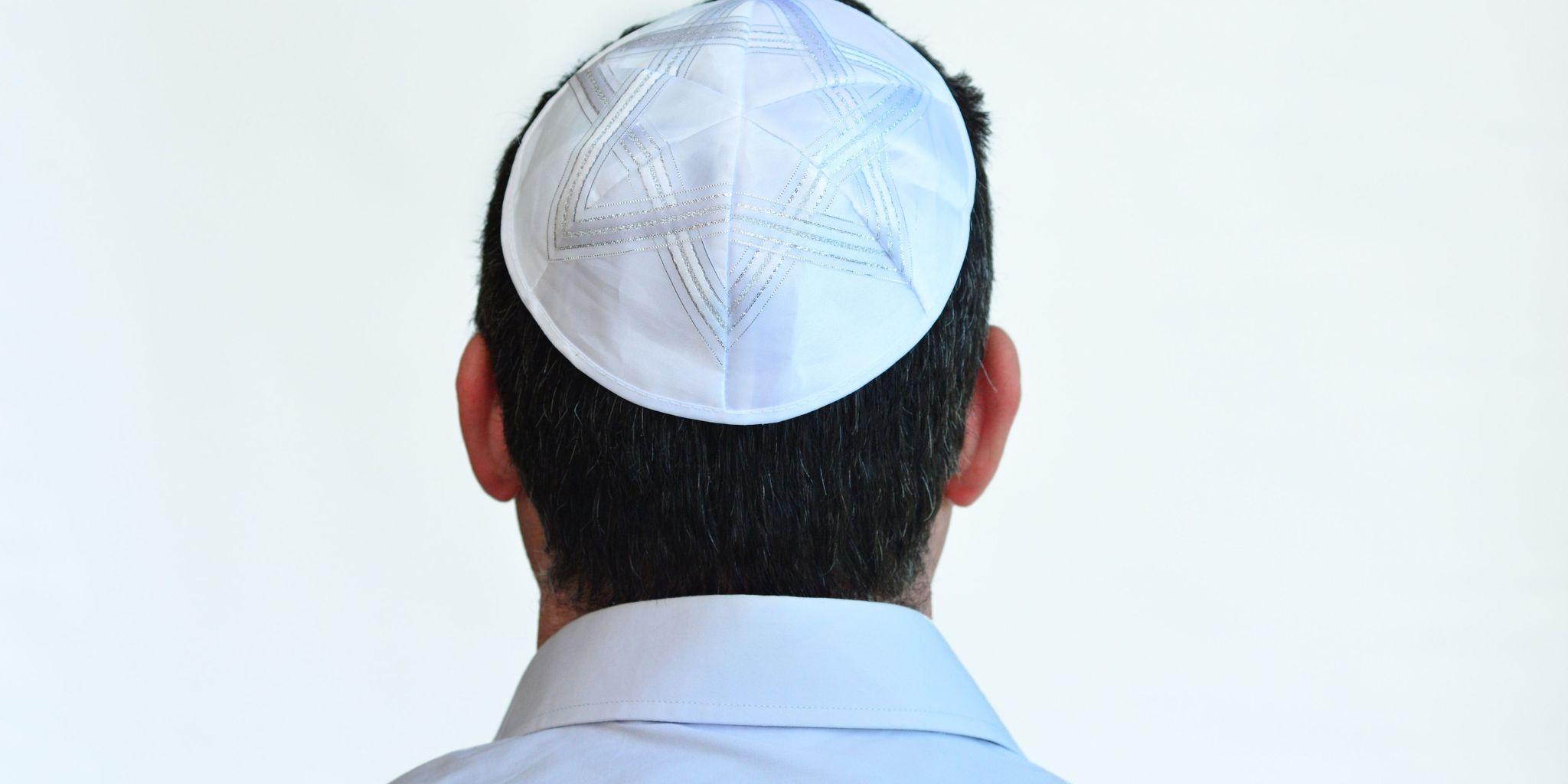
How a Jewish and Kosher Drug Rehab Program Supports Recovery
A Jewish and Kosher Drug Rehab Program integrates religious and cultural values. This inclusive atmosphere frequently features:
1. Faith-Focused Intervention
- Guidance rooted in the Torah encourages individuals to rely on a higher power and gain emotional clarity.
- Prayer, worship, and meditative practices foster spiritual renewal.
2. Culturally Inclusive Framework
- Kosher-friendly meals reduce stress among those who follow dietary laws.
- Preserving traditions like Shabbat helps individuals stay connected to familiar routines.
3. Community-Centered Care
- Group sessions among peers who share similar backgrounds promote understanding and mutual respect.
- Family participation and culturally aware clinicians alleviate stress on loved ones.
Kosher Mental Health Rehab: Healing Mind and Soul
Substance abuse often coexists with depression, anxiety, or trauma that spurs destructive behaviors. Kosher mental health rehab fuses evidence-based therapies and spiritual teachings. This collaboration involves:
- Holistic Recovery: Medical detox, guided prayer, counseling, and group support address body, mind, and spirit.
- Supportive Setting: Jewish practices remain honored, minimizing cultural isolation.
- Long-Range Strategies: Treatment emphasizes coping methods that sustain spiritual commitments after rehab concludes.
Essential Tools in Jewish Drug and Alcohol Rehab

Ongoing sobriety depends on tactics that reflect each person’s faith. Common components of a Jewish Drug and Alcohol Rehab include:
- 12-Step Enhancements: Traditional 12-step ideas combined with Torah teachings yield deeper spiritual engagement.
- Behavioral Therapies: Cognitive Behavioral Therapy, trauma-focused work, and family counseling reinforce emotional well-being.
- Relapse Prevention: Ethical living workshops, prayer routines, and reflections on spirituality tackle triggers and day-to-day pressures.
- Culturally Tuned Peer Groups: Discussions among participants who share a Jewish heritage create trust and openness.

Power of Faith-Based Recovery
Religion and community can fuel transformation. Pew Research Center (https://www.pewresearch.org/)found that people active in religious settings reach out for help with behavioral challenges at higher rates. In Judaism, participants rediscover:
- Divine Connection: Viewing the body as belonging to God promotes a stronger commitment to self-care.
- Shared Ideals: Compassion, responsibility, and self-growth anchor healthy new habits.
- Restored Bonds: Participation in religious gatherings rebuilds acceptance and identity.
Renewed Hope Through Sober Living Homes in Florida
Those transitioning from rehab often find a renewed sense of hope and stability in sober living homes in Florida. These residences provide a structured, supportive environment that fosters both emotional and spiritual growth. With its warm climate and vibrant Jewish community, Florida offers an ideal backdrop for individuals looking to maintain momentum in recovery.
Here, meaningful friendships can flourish, bolstered by shared faith, cultural observances, and a collective commitment to sobriety, all of which can be instrumental in a successful, long-term recovery journey.
Conclusion: Find Help Without Judgement at Rocklay Recovery!
Choosing a Jewish and Kosher Drug Rehab Program can ignite a profound transformation rooted in faith, tradition, and evidence-based therapies. By embracing cultural awareness and spiritual ideals, individuals are better equipped to achieve genuine change and a renewed sense of purpose.
At Rocklay Recovery, we offer specialized care from compassionate professionals who understand the importance of honoring Jewish values throughout the recovery process. Through our dedicated sober living homes in Florida, we help you or your loved ones embrace healthier habits, build essential life skills, and cultivate strong connections with peers who share the same commitment to a substance-free future.
Ready for a New Beginning?
Contact Rocklay Recovery today to learn more about our Jewish and Kosher rehabilitation programs. Reach out to us at 561-917-8355 or email info@rocklay.com to discover how our comprehensive approach paves the way toward a healthier, purpose-driven life.
FAQs
1. Do these programs accept individuals outside the Jewish faith?
They do. While the emphasis lies on Jewish customs, many centers welcome anyone seeking a culturally mindful or spiritually oriented path to healing.
2. How does a kosher diet help during addiction treatment?
A meal plan that respects dietary rules allows individuals to uphold familiar habits. This often lowers anxiety and fosters belonging.
3. What happens if someone does not consider themselves religious?
Clinicians will adapt the approach to match personal comfort levels, merging faith-guided insights and proven methods to create an inclusive recovery process.
Start your journey to health and comfort at Rocklay Sober Living Homes in Florida. Search us on Google to begin today.
Contact us now >> 561-917-8355


