


Jewish Recovery in Jewish Sober House: Addressing Addiction with Compassion and Tradition
December 27, 2024
Denying addiction does not prevent it, and addressing the issue requires fighting the stigma. We need to tackle the stigma and start talking about it openly if we want to help people who are struggling with substance abuse.
Do you know how to have a productive conversation about it if someone in your family or circle of friends is dealing with substance abuse? Are you aware and open enough to recognize that people in your family or community are struggling with addiction?
Substance use disorder is a long-term condition that causes people to use substances compulsively, even though it has a negative impact on their lives. The impact of addiction in the Jewish community is significant. One of the surveys stated that 41.2% of people in the Jewish community said they knew someone who was currently struggling with an addiction, and 23.5% said they had a family history of alcohol or drug abuse.
This highlights the urgent need for tailored support systems, such as Jewish rehab programs and Jewish sober living environments.
Denial in the Jewish Community
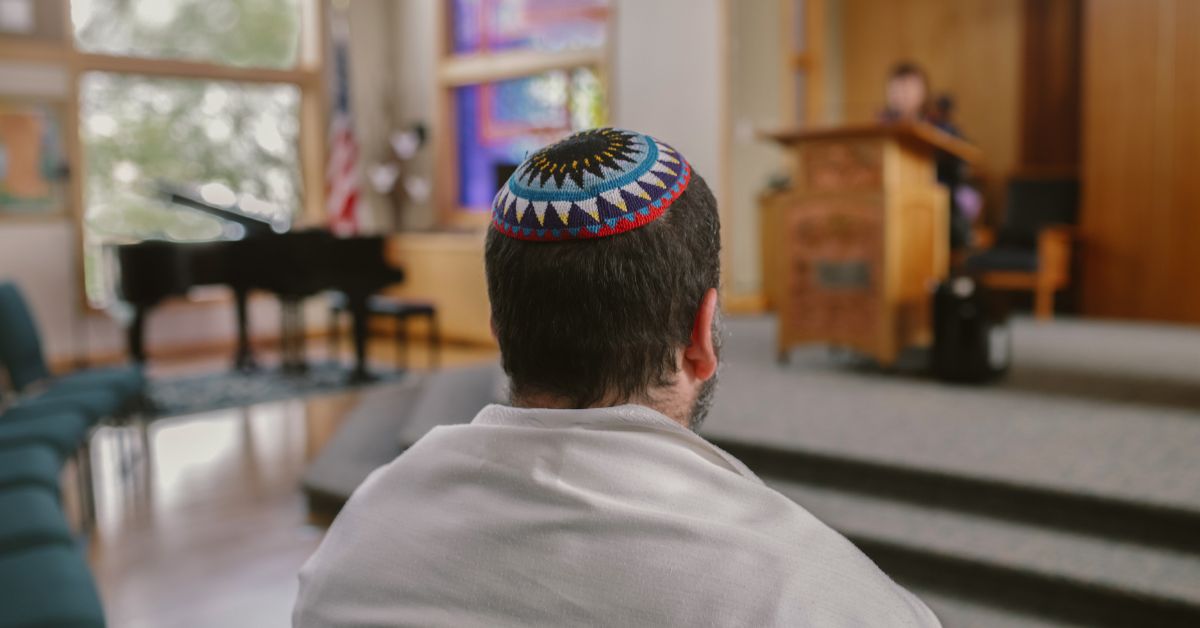
There has been a prevailing myth that addiction does not exist within the Jewish community for decades. This misconception has perpetuated stigma and denial and makes it difficult for individuals to seek help. But in reality, addiction touches all demographics, and the Jewish community is no exception.
This denial has created barriers to accessing treatment. Jewish recovery advocates stress that acknowledging the issue is the first step toward healing. The door opens to honest conversations and the acceptance of Jewish rehab services designed to address these unique challenges when myths are dismantled.
Also Read- The Role of Jewish Traditions in Keeping Your Sobriety Strong
Challenges Unique to the Jewish Community
The Jewish community has some specific challenges when it comes to addressing addiction. This includes cultural and religious influences that may make it harder for people to seek help. However, there are ways to overcome these challenges when they’re addressed with understanding and cultural awareness.
Overcoming Stigma with Jewish Recovery Services
Family reputation and societal expectations can make addiction a taboo topic in Jewish communities. The resulting fear and shame prevent many from reaching out for help. It is where Jewish Recovery Services can help. Here is how.

1. Provide a Culturally Supportive Environment
Jewish rehab programs are set up to respect and include Jewish traditions, and they provide a place where people can get better while staying connected to their cultural identity. Participants can take part in Shabbat and celebrate Jewish holidays, which helps them keep their faith and traditions alive while they’re getting better. This supportive environment helps people focus on healing in a place where they feel like they matter and that their needs are met.
2. Breaking Silence Through Open Dialogue
The stigma of addiction prevents individuals from seeking help and addressing their struggles. It is where Jewish sober living homes create safe spaces that encourage open discussions about addiction and recovery. These programs promote conversations that empower participants to confront their challenges and embrace a path to healing.
3. Kosher Food and Dietary Accommodations
The term “kosher” is used to describe food that meets the strict dietary standards set out in traditional Jewish law. A number of Jewish rehabilitation programs provide meals that comply with these standards and are consistent with their religious practices for individuals who adhere to kosher dietary laws. It ensures that participants can focus on their recovery in an environment that respects their faith and personal needs.

4. Building Strong Community Connections
It has been shown that people recover better when they feel like they belong, and Kosher recovery programs focus on the importance of community. These programs link participants with others who share their cultural values and experiences, which helps them to support each other and understand each other better. This supportive network helps people to get through the recovery journey without feeling alone.
5. Teaching Essential Life Skills for Long-Term Success
Jewish rehab programs do more than address addiction since they also prepare participants for independent living by teaching practical life skills. From job readiness training to financial literacy, these programs provide tools that help individuals build stable and fulfilling lives beyond recovery.
6. Educating Families and Communities
Addiction affects not only individuals but also their families and communities, which makes education essential. Jewish recovery programs offer workshops and family counseling to help loved ones understand addiction and its impact. It strengthens family relationships and equips communities to support recovery with compassion and understanding.
7. Support Sustainable Recovery
Jewish sober living homes provide a structured environment with a focus on accountability and healthy habits. The idea is to give people spiritual guidance and professional support so they’re ready for long-term success. These homes help people keep on track with their recovery by creating a safe and encouraging atmosphere.
Hope for the Future
The Jewish community possesses a deep resilience and capacity for healing, which is rooted in its traditions and collective strength.
Community can pave the way for recovery that is both compassionate and effective by addressing addiction with culturally informed solutions.Addiction is a challenge that requires an honest and united response.The Jewish community can support individuals on their journey to recovery by fostering hope and resilience for future generations.
Connect with Rocklay for more information about recovery services that are aligned with Jewish values.
Start your journey to health and comfort at Rocklay Sober Living Homes in Florida. Search us on Google to begin today.
Contact us now >> 561-917-8355


