


Finding Sobriety and Recovery Through Jewish Sober Living
January 21, 2025
Living a life free from addiction requires more than just avoiding substances. It requires a commitment to healing and transformation. Jewish sober living homes offer a unique combination of structure and community for individuals who want a supportive environment that aligns with their values and traditions. These homes provide a safe space that allows people to explore the difference between sobriety and recovery while working toward a future free from addiction.
What is Sobriety?
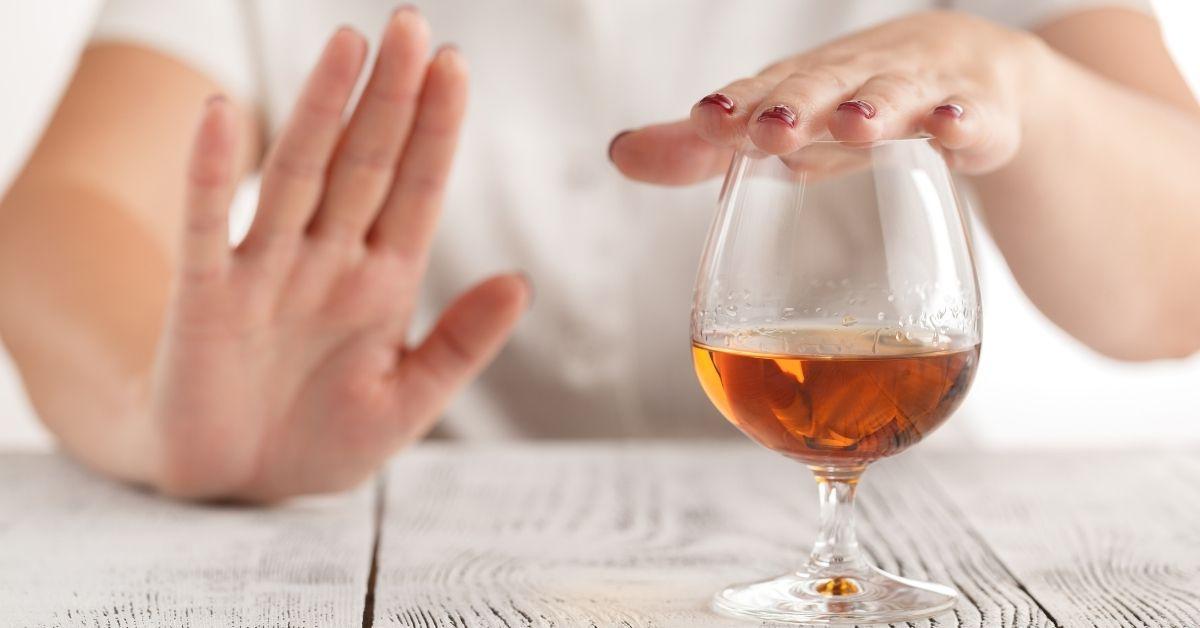
Sobriety is the state of living without using substances like drugs or alcohol. It means that a person has completely stopped using these substances and aims to maintain physical and mental clarity. Sobriety is often seen as the first step in overcoming the addiction because it requires a person to stop the behaviors that cause dependency. Sobriety is when someone
- Abstains from substances.
- Achieved by stopping the use of drugs or alcohol.
- Does not necessarily involve emotional or behavioral changes.
- Relapse is more likely without deeper healing.
People can achieve sobriety through personal willpower or by seeking professional treatment programs and support groups. Maintaining sobriety requires continuous effort and making changes in daily life that reduce the chances of relapse.
What is Recovery?
Recovery is the process of healing and rebuilding life after someone has overcome addiction. It focuses on helping a person improve their mental health, emotional well-being, and physical health. Recovery is not just about stopping the use of substances because it also involves addressing the deeper problems that caused the addiction. It teaches individuals to find healthier ways to deal with challenges in life. Recovery usually involves:
- Healing the mind, body, and emotions.
- A lifelong journey of personal growth and well-being.
- Focuses on resolving the causes of addiction.
- Builds strong support networks and reduces relapse risks.
The process of recovery involves learning about addiction and triggers that can lead to relapse. It also includes taking care of oneself to maintain overall well-being. People in recovery work on creating meaningful relationships and forming a support system that helps them through difficult moments.
Key Differences Between Sobriety and Recovery:
| Duration | Achieved once substances are removed from the body. | A lifelong process of self-improvement and maintaining a healthy lifestyle. |
| Purpose | To stop substance use. | To address the reasons behind addiction and create a fulfilling life. |
| Support Needed | May involve personal willpower and limited external support. | Requires structured support like therapy, group sessions, and healthy routines. |
| Emotional State | May still involve emotional struggles like guilt, shame, or unresolved trauma. | Focuses on resolving emotional pain and replacing it with hope, strength, and confidence. |
| Behavioral Changes | Does not necessarily involve changes in behaviors or habits. | Involves adopting healthier coping mechanisms and positive lifestyle habits. |
| Relapse Risk | Higher risk if no recovery process is pursued. | Reduced risk due to ongoing self-awareness and support systems. |
| Community Connection | May lack a sense of belonging or purpose. | Builds strong relationships and support networks for long-term success. |
| Ultimate Goal | To remain substance-free. | To live a purposeful, independent, and empowered life. |
Understanding Sobriety in the Jewish Sober Lifestyle
Sobriety is the foundation for living a life free from addiction, and it means eliminating substances entirely from your life. In the Jewish sober lifestyle, sobriety involves creating a clean and substance-free life. Achieving this step requires strength and determination because mental and physical cravings can make the process challenging.
However, sobriety does not address the deeper causes of addiction. Sobriety is just the starting point of a journey that focuses on emotional, physical, and spiritual healing. Jewish sober living homes provide the structure and guidance needed to maintain sobriety while helping individuals take their first steps toward recovery.
How Jewish Sober Living Homes Support Sobriety and Recovery?
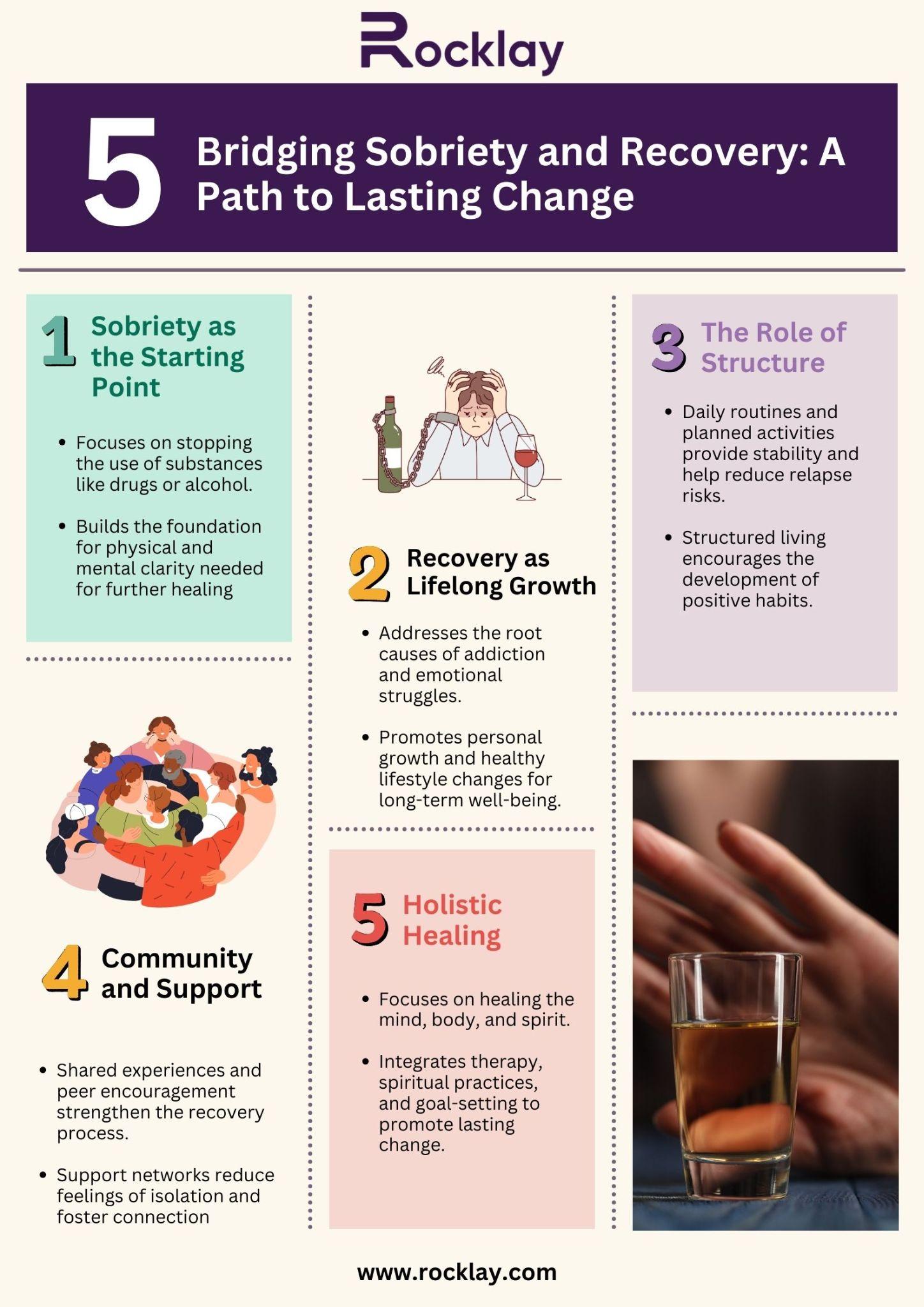
Jewish sober living homes provide a nurturing environment that combines faith-based practices with modern recovery techniques. These homes are designed to help individuals so that they can achieve sobriety and recovery by focusing on several key aspects:
Structured Living
Residents here have a clear daily schedule that they need to obey with planned activities and responsibilities. This structure helps them develop habits that reduce the chance of relapse and create a sense of stability.
Faith-Based Practices
Jewish rituals and teachings are incorporated into recovery programs that help to provide spiritual support. Activities such as prayer, celebrating Shabbat, and studying Jewish texts foster a sense of purpose and belonging for residents.
Therapeutic Support
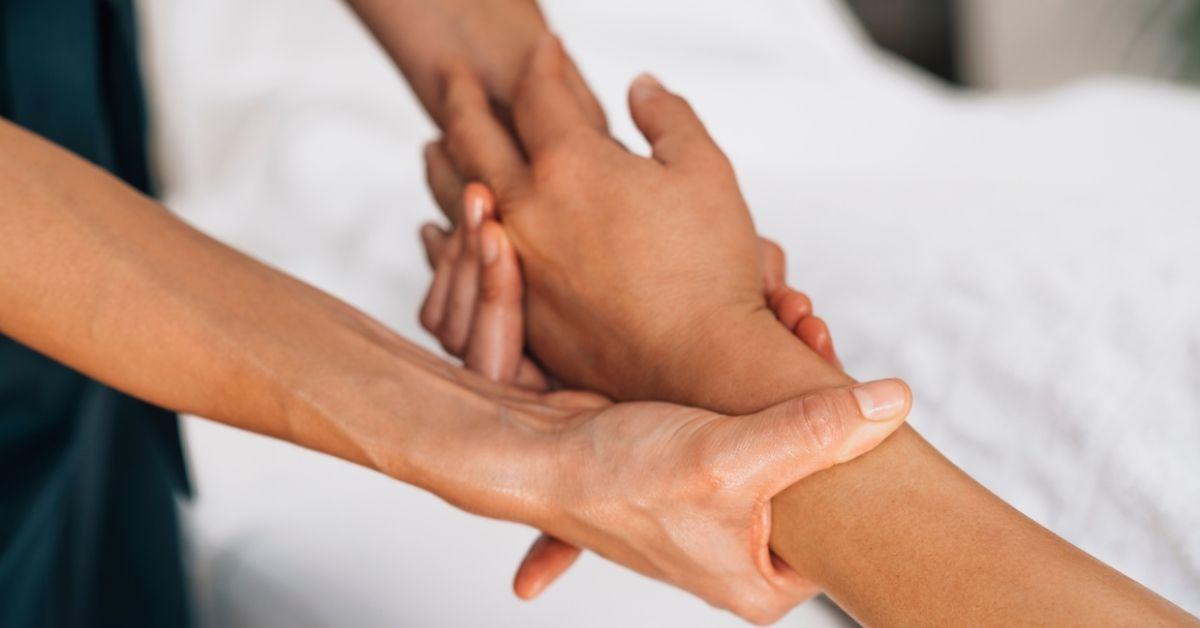
Professional counselling and group therapy sessions are essential parts of Jewish sober living. These services help residents explore the underlying causes of addiction and learn skills for managing their triggers.
Community Connection
People here live with those who have similar life experiences and values. This creates a supportive community where people encourage one another during difficult times.
Focus on Personal Growth
Jewish sober living homes emphasize personal development through goal-setting and skill-building. Residents are encouraged to explore their interests and work toward an addiction-free future.
Bridging Sobriety and Recovery
Sobriety and recovery are closely related, but they are not the same. Sobriety involves abstaining from substances, and recovery is about addressing the deeper issues behind addiction and making positive changes in life. Jewish sober living homes bridge this gap by supporting both sobriety and recovery.
These homes help individuals achieve sobriety by offering structured routines and a supportive environment. They also help residents work toward recovery by providing therapy and activities that focus on emotional healing and personal growth.
Conclusion
The journey to an addiction-free future begins with a commitment to make meaningful changes. It is where Jewish sober living homes provide the tools and guidance you need to make this transformation possible. These homes empower individuals to rebuild their lives and move forward with confidence by focusing on both sobriety and recovery.
If you are looking for a supportive environment to overcome addiction, you can learn more about Jewish sober living homes by visiting Rocklay.
Start your journey to health and comfort at Rocklay Sober Living Homes in Florida. Search us on Google to begin today.
Contact us now >> 561-917-8355


