


Do Jewish Sober Living Homes Provide Therapy or Counseling?
September 9, 2025
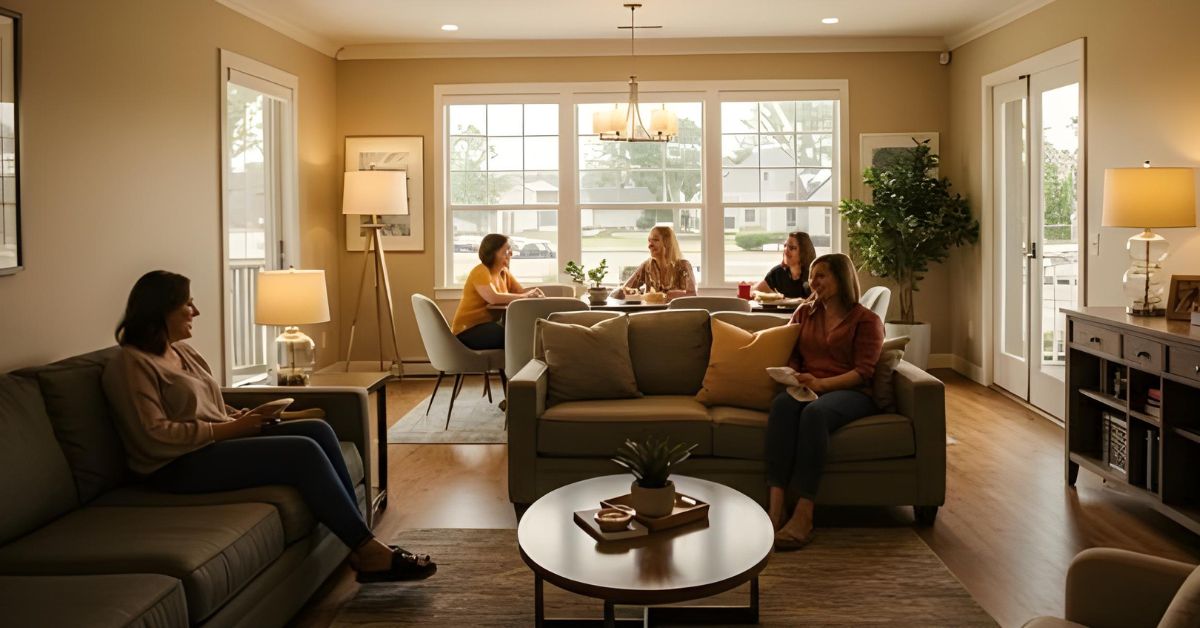
One of the biggest questions is whether sober living homes provide counseling or therapy whenever people transition out of rehab. Many think that these are just places of stay, but uncertainty about support services that can make the decision stressful.
Choosing the wrong environment can slow the recovery process. Many residents struggle with isolation or relapse risks without the right balance. If you do not know if the therapy is included, it may leave families and individuals wondering about the care they are really getting.
In this post, we will find out what you can expect from a sober living home, if therapy or counseling is part of their program. And how you can choose the right one for lasting recovery, so that you can make a confident decision that supports long-term sobriety.
Are you looking for a Jewish drug and alcohol rehab that understands your cultural and spiritual needs? Find out more at Rocklay
What is a Jewish sober living home?
A Jewish sober living home is a recovery residence designed for individuals who want to maintain sobriety in an environment that also respects and supports Jewish faith and traditions. Like other sober living homes, it provides a drug- and alcohol-free space, structure, and accountability. However, what makes it unique is the integration of Jewish values, culture, and sometimes kosher living practices into daily life.
- Peer support
- Kosher kitchens and meals
- Community support
- Creating healthy routines.
The goal of a Jewish sober living home is not only to help individuals remain free from drugs and alcohol, but also to provide a faith centered community where residents feel understood and motivated to build a meaningful sober life.
Do you want a Jewish and kosher drug rehab program that combines faith-based care with effective treatment? Explore your options at Rocklay.
The Role of Therapy in Recovery?
Even though the sober living homes do not provide therapy, counseling remains a key part of the recovery. Therapy can help individuals to :
- Address underlying mental health conditions, such as anxiety or depression
- Work through trauma or past experiences that contribute to substance use.
- Develop coping strategies for cravings and triggers.
- Rebuild relationships damaged by addiction.
- Develop and strengthen resilience and self-esteem
- Therapy helps maintain long-term sobriety for many individuals.
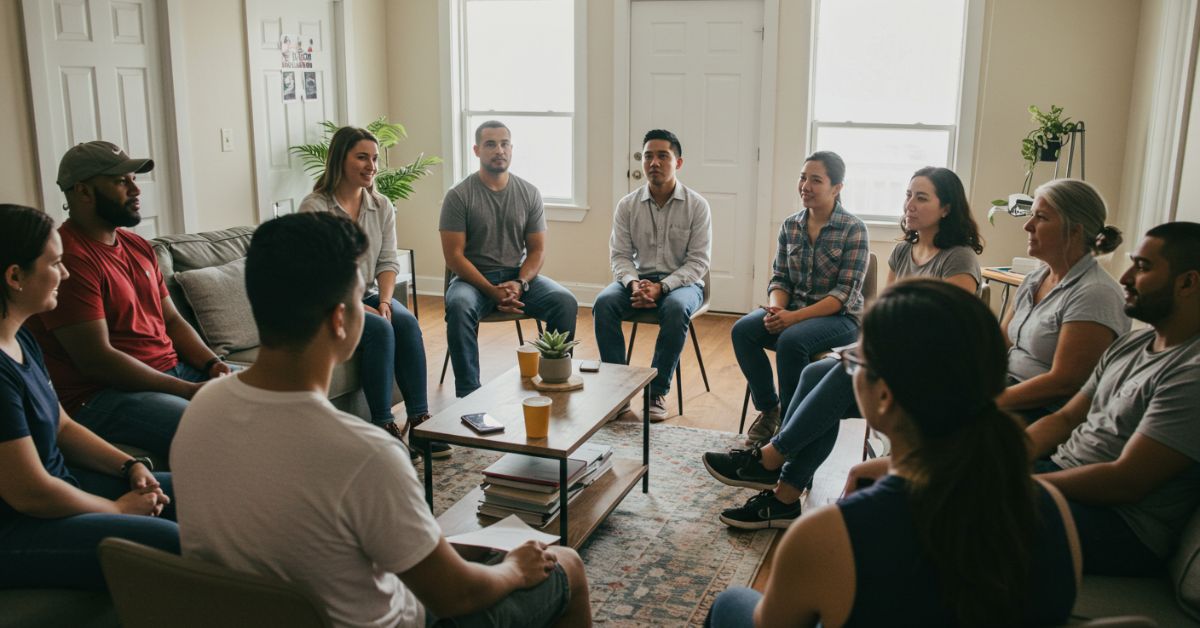
Do Sober Living Homes Encourage Therapy?
Yes, even though many sober living homes do not provide therapy themselves, most sober living homes strongly advocate that residents participate in counseling therapy outside of the home.
- Residents may be required to attend
- Outpatient treatment programs for structured therapy
- Individual counseling sessions with licensed therapists
- Group therapy or peer support groups like AA or NA
- Specialized counseling for dual diagnosis or trauma recovery
This combination of external therapy and internal peer support often creates the balance residents need to succeed.
Types of Support You Can Expect in a Sober Living Home
The recovery does not end when the treatment is over, but the transition from a structured rehab program back into daily life can be overwhelming. It is where sober living homes become an essential step. They provide a safe and structured environment that bridges the gap between treatment and complete independence. But what can you really expect from a sober living home? The answer to this question lies in the support these homes provide.
Peer Support and Community:
One of the biggest benefits of sober living homes is that they are built in a peer community. When you live along with people who share the same goals, it creates a sense of belonging and mutual encouragement. Residents often find comfort in knowing that they are not alone in their struggles.
Conversations around shared experiences and challenges can provide emotional relief that is difficult to find outside of recovery-focused environments.
The peer support also works as a powerful motivator. It creates accountability and encourages everyone to stay committed when they know that others in the home are working hard to stay sober.
Do you need specialized care at a Jewish mental health rehab that addresses both addiction and emotional wellbeing? See what’s available at Rocklay.

House Rules and Accountability
Sober living homes have structure. In fact, the accountability and rules are what make them so effective. Residents are encouraged to follow
- Curfews
- Participate in household chores
- Attend regular meetings.
Many homes conduct random drug tests to ensure a safe and sober environment.
Connection to Therapy and Counseling
Sober living homes usually do not provide in-house therapy or counseling. But this does not mean that residents are left without professional support. Many homes encourage residents to attend counseling sessions or group therapy outside of the home.
It ensures that residents receive the professional guidance they need to continue healing and also benefit from the structured living environment.
Support Groups and 12-Step Participation
Many sober living homes include recovery programs like Alcoholics Anonymous (AA) or Narcotics Anonymous (NA) as part of their requirements. Residents may need to attend meetings every week or even every day. These programs make residents more accountable and help them make friends outside of their homes.
The fact that they always go to meetings helps them remember the principles of recovery, for them to stay sober.
Life Skills Development
Recovery is not only about avoiding substances but about rebuilding a life. Sober living homes often help residents develop essential life skills that may have been neglected during active addiction. This can include
- Manage their finances
- Preparing healthy meals
- Look for employment
- Improving communication skills
Residents gain confidence and independence by practicing these skills in a supportive environment. They leave the home better prepared to handle the responsibilities of daily life.
Prevent relapses and cope with them.
Another important part of supporting people in sober living homes is that they help prevent relapses. People learn to find out what causes their problems and develop ways to deal with difficult situations. The home itself reinforces these lessons by providing a stable and substance-free environment.
These homes help people stay sober and offer a structure and support from outside experts. This combination helps people avoid relapse and stay sober long-term.

Conclusion:
Jewish sober living homes are not treatment centers but they provide a good mix of structure and independence. People in the program can practice sober living in real life while still having access to the support they need.
This step is the bridge that allows them to move from treatment into a sustainable lifestyle. These homes combine peer support and continued access to therapy. This creates a foundation where long-term recovery can truly take root.
It may seem a drawback that sober living homes do not always provide direct therapy or counseling. But these homes teach an essential recovery skill which helps residents to build and maintain support systems in the real world.
Sober living homes create the structure and community needed for daily stability. These homes form a partnership that creates a balance with most people’s needs in long-term sobriety.
The true healing is not found in one place, but it is built step by step, through many sources of strength.


