


Jewish Sober Living in Florida: Kosher Housing, Structure, and Support Post Rehab
September 23, 2025
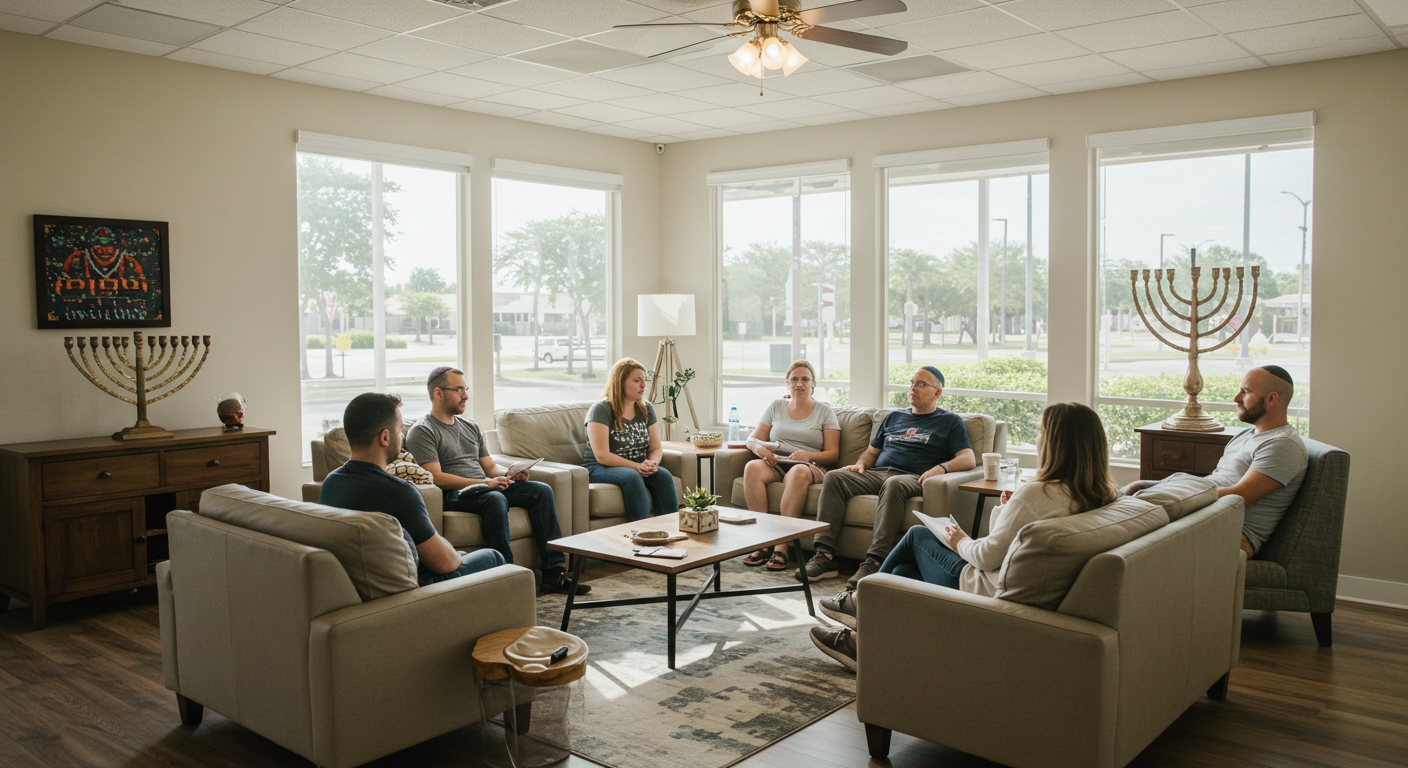
A Jewish and kosher drug rehab program aligns clinical care with Jewish values and kosher practice, which can improve engagement, reduce friction, and help people follow through in early recovery. In parallel, Jewish sober living in Florida offers structured, values-based housing that steadies life after treatment with routine, accountability, and community. Early recovery is fragile, and research commonly notes relapse rates in the 40 to 60 percent range, which is why consistency, culture, and structure matter.
What A Jewish And Kosher Drug Rehab Program Includes
Clinically Guided Care with Jewish Values
A Jewish and kosher drug rehab program blends evidence-based treatment with cultural safety so residents do not have to choose between faith and recovery. Core elements typically include:
- Comprehensive assessment, individualized care planning, and case management
- Individual and group therapy, with family sessions when appropriate
- Relapse prevention, skills coaching, and dual-diagnosis support
- Clear milestones, outcome tracking, and ethical discharge planning
Jewish learning, prayer opportunities, and spiritual care complement therapy without replacing it, which helps residents integrate meaning and motivation with practical clinical tools. This integrated approach also reduces value conflicts that can trigger resistance or drop-out, especially during the first 30 to 90 days.
Kosher Compliance and Observance in Treatment
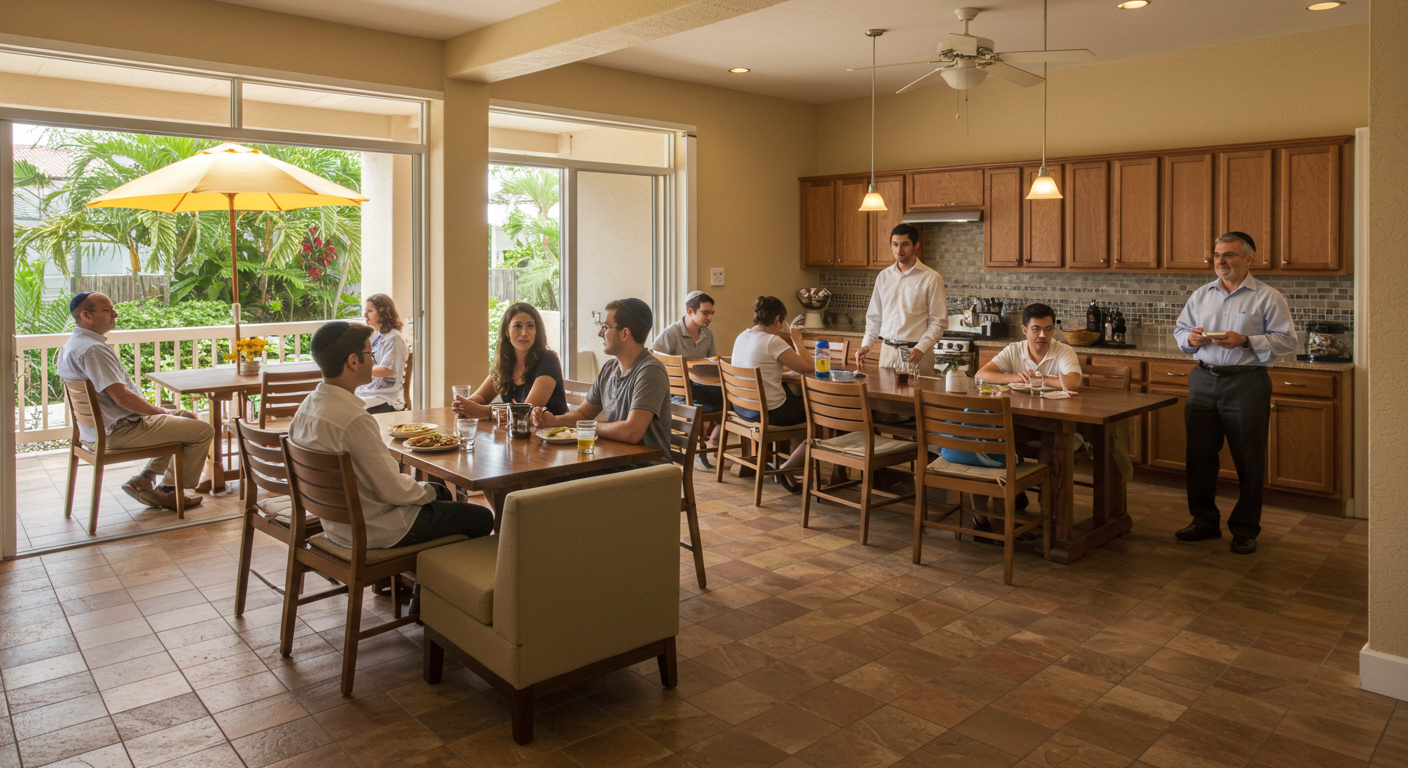
Kosher meal plans and supervised kitchens keep kashrut clear and simple day to day. Programs that honor observance typically provide:
- Transparent sourcing, labeling, and kitchen protocols for kosher practice
- Shabbat and holiday accommodations, schedule sensitivity, and access to prayer
- Connection to community contacts or chaplaincy for additional support
Clarity on these details prevents avoidable stress, which often improves participation and retention
Jewish Sober Living in Florida As Step-Down Support
Housing, Structure, And Peer Accountability
After clinical care, consistent structure helps new habits stick. Jewish sober living in Florida typically includes:
- Daily routines such as curfews, UA and BA testing, meeting attendance, chores, and house meetings
- Documented progress checks so residents can see momentum and adjust quickly
- Peer mentorship, sponsor engagement, and community links between outpatient sessions
This model protects time for recovery tasks and reduces decision fatigue. Many studies show that sober living residents report higher abstinence and employment at follow-ups, suggesting structured housing supports real-world stability.
Why Delray Beach and South Palm Beach, Florida
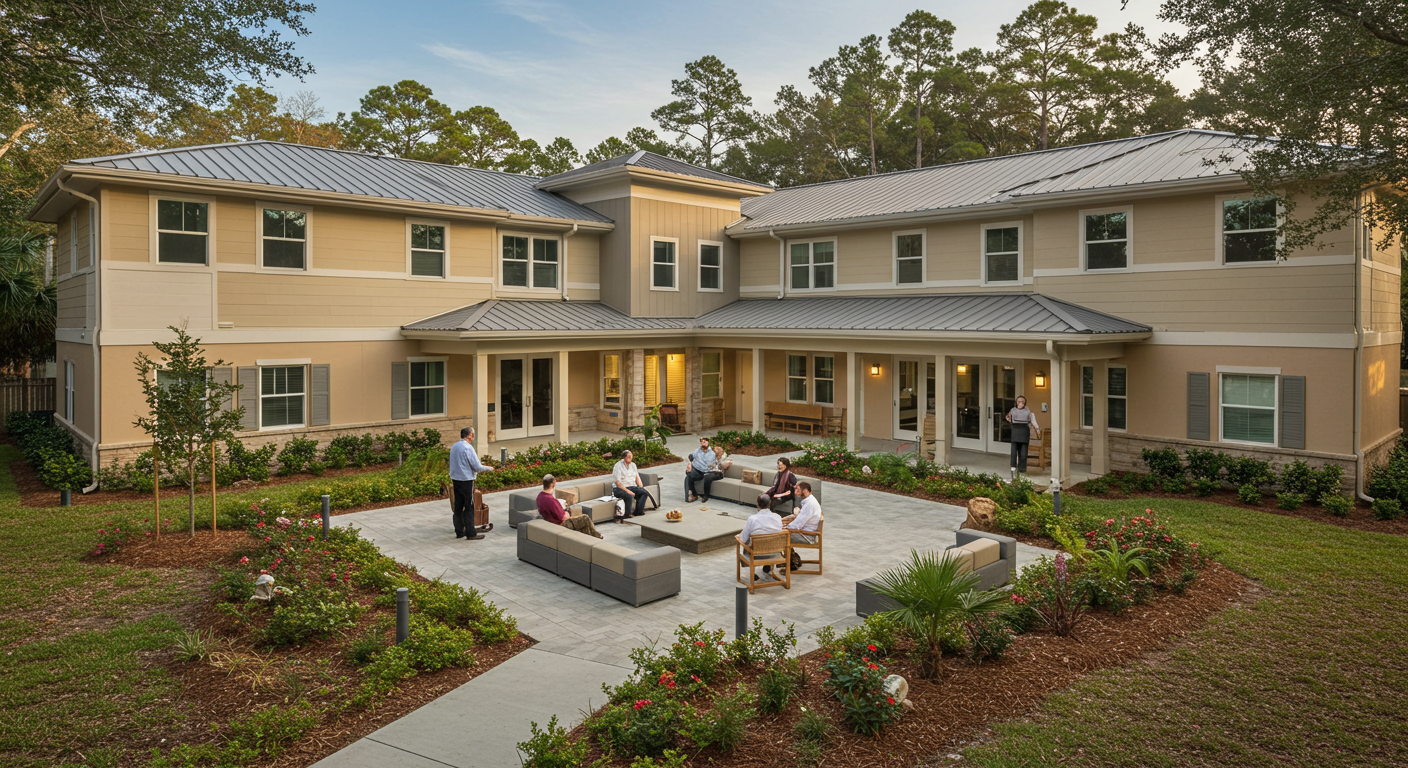
Florida has a dense recovery ecosystem, and communities like Delray Beach and South Palm Beach provide meeting-rich neighborhoods, synagogue and JCC proximity, and employment pipelines that reduce isolation. Transportation convenience and year-round consistency make it easier to maintain routines. If location friction is low, routines are more likely to hold. This is especially useful for those interested in Jewish rehab pathways that require steady access to both recovery and faith communities.
How Both Levels Work Together
Coordinated Transitions and Continuity
The handoff from a Jewish drug and alcohol rehab clinic to sober living should feel seamless. Strong providers align:
- Discharge planning, direct introductions, and move-in timelines
- Proximity to outpatient therapy, psychiatry, and community meetings
- Simple logistics such as calendars, transportation, and reminders
This lowers the risk of gaps that can lead to relapse during a high-risk window. It also keeps goals aligned across therapists, house managers, and residents.
Tangible Outcomes of a Combined Path
A coordinated path often leads to:
- Faster stabilization of sleep, nutrition, and daily schedule
- Fewer missed appointments and stronger relapse prevention
- Improved employment readiness and steady re-entry to school or work
- Durable habits secured through repetition in real-life settings
Programs that report clear outcomes, plus sober living that documents progress, give residents and families confidence in the path forward.
Choosing the Right Fit: Program and Housing Checklist
Program Essentials to Verify
Before enrolling in any Jewish and kosher drug rehab program, confirm:
- Licensing, credentials, trauma-informed training, and use of evidence-based care
- Family involvement options and clear kosher and observance policies
- Outcomes transparency, aftercare planning, and alumni connection
Request written policies and sample weekly schedules so expectations are unambiguous.
Sober Living Criteria to Confirm
For Jewish sober living in Florida, especially if considering Jewish sober living in Delray Beach or nearby, look for:
- Kosher kitchen standards in writing, including labeling and supervision
- House rules, testing cadence, curfews, visitor policies, and incident response plans
- Job search help, transportation or rides to meetings, and structured daily planning
Shortlist homes that can articulate how they reinforce outpatient treatment tasks and sponsor work.
Family Involvement and Community Support
Family Education and Boundary-Setting
Families thrive when expectations are explicit and roles are healthy. Workshops and resources can help loved ones:
- Learn communication and boundary skills that support recovery without enabling
- Understand how relapse prevention plans and accountability tools actually work
- Coordinate with providers and house managers in appropriate ways
Simple check-ins, agreed-upon privacy boundaries, and shared goal reviews reduce friction at home.
Community Partnerships and Support Groups
Strong networks make recovery sustainable. Residents often benefit from:
- Synagogue and JCC connections for holiday support and year-round community
- Jewish peer groups, service projects, or learning opportunities to anchor identity
- Meeting networks across 12-Step and alternatives, with regular sponsor contact
A practical tip is to map meetings, work, and worship within a small travel radius, then build a weekly routine that removes guesswork.
Conclusion
A Jewish and kosher drug rehab program, paired with Jewish sober living in Florida, creates a reliable, faith-aligned continuum where clinical care and structured housing work together with accountability and community. The result is less friction, clearer routines, and better odds that recovery holds through real-world stress.
For culturally aligned, structured sober living in Delray Beach and South Palm Beach County, consider Rocklay Recovery for values-driven residences that support long-term stability and growth.
FAQs
What’s the difference between a Jewish and kosher drug rehab program and Jewish sober living in Florida?
A rehab program delivers licensed clinical treatment and medical care, while sober living provides structured housing, routine, and peer accountability. They are designed to work together in a coordinated step-down plan.
Do programs and homes require full kosher and Shabbat observance?
Policies vary. Ask for written kosher kitchen standards and observance expectations so the program and home match personal practice and comfort.
How long should someone remain in sober living after completing treatment?
Length depends on stability and goals. Many residents stay until consistent routines, work or school milestones, and sponsor engagement are firmly in place.


