


What Is Sober Living in South Florida? A Complete Beginner’s Guide
April 6, 2026
“Sober living homes” – it is a term you might have heard a lot, but do you actually know what it really means? Whether you are familiar with this term or not, we are here to help. Sober living basically provides homes that let people live and heal with one another in order to continue their substance abuse recovery process fully. The South Florida area has become one of the top places to go for sober living in Florida because it has so many supportive homes for recovery, including some options that are specifically for Jewish people.
This guide will shed light on what sober living means and why South Florida happens to be one of the best places to recover from alcohol and drugs. Also, we will give you the insight and information necessary for you to make an informed decision about getting into a sober-living home. Let’s dive in!
What Is a Sober Living Home?
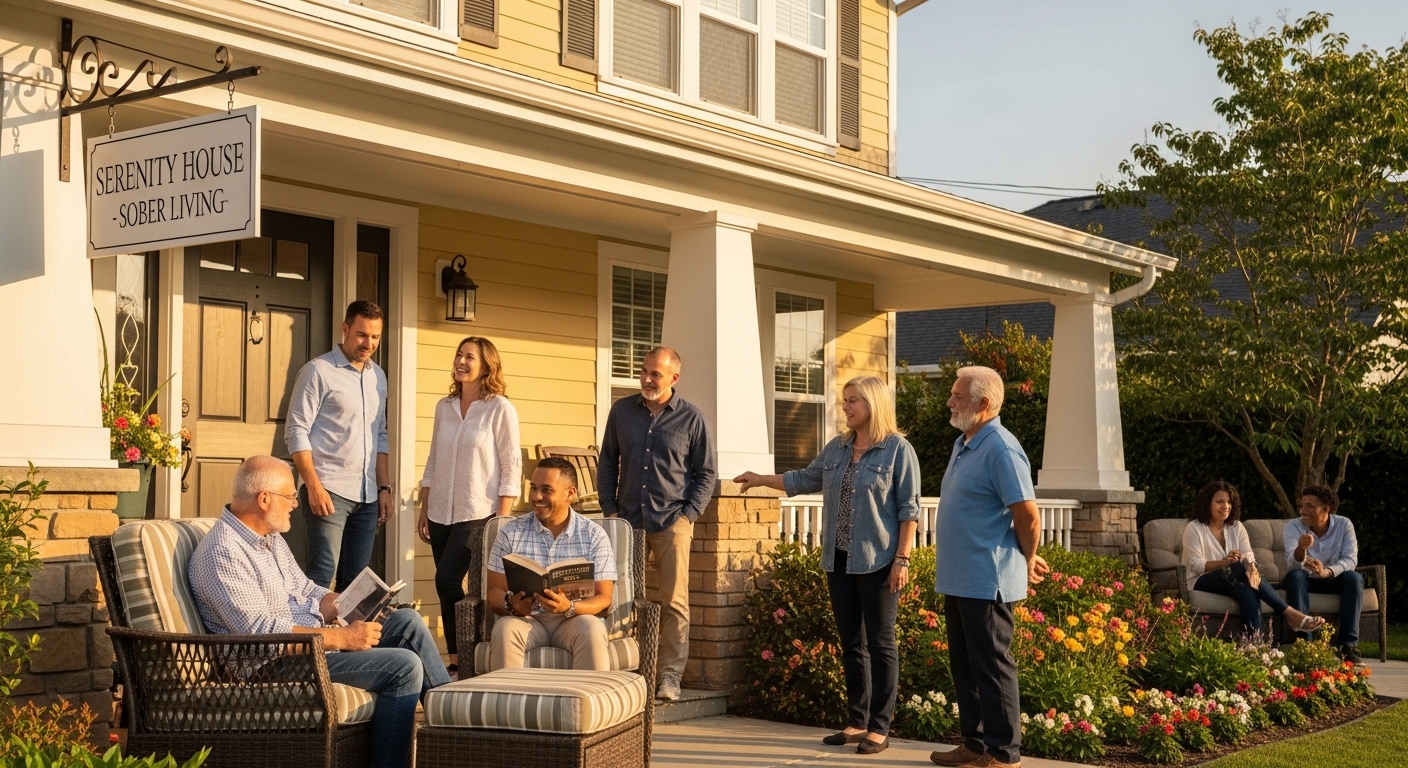
A sober living environment is a place with a group of members who take the same pledge of not consuming alcohol or drugs anymore. This home helps them stay clean and sober while supporting each other. This is exactly what sober living homes are all about. Each individual sets their own schedule, does their own chores, and helps one another be accountable as they rebuild their lives on a daily basis.
- Sober living homes put the focus on peer encouragement and real-world routines instead of clinical therapy.
- Rehab centers deliver round-the-clock medical care and structured counseling in a more hospital-like setting.
- Halfway houses often feel more official, sometimes tied to courts or short-term programs with stricter oversight.
These small differences can make a big impact on where you feel most at home during recovery.
Why South Florida Is a Popular Location for Sober Living
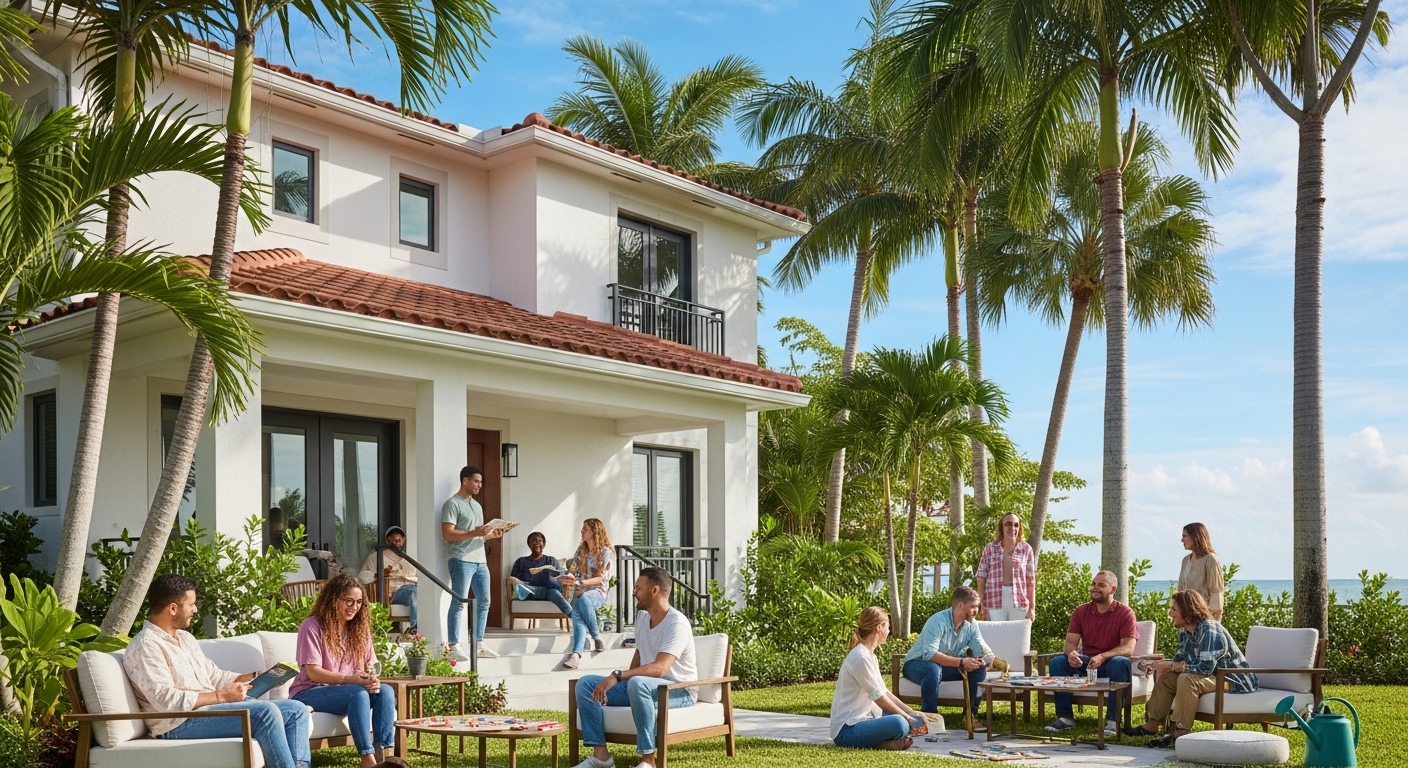
People choose South Florida sober living because the area makes it easier to stay sober while rebuilding their lives. The community, weather, and access to help all play a big role.
- Recovery Community and Support Networks: Strong groups like AA, NA, and even Jewish Rehab communities that understand your background.
- Climate and Environment Benefits: Warm weather and beaches make it easier to stay active and feel better every day.
- Access to Meetings and Treatment Centers: Many meetings and care centers in Miami, Fort Lauderdale and Palm Beach offer recovery homes.
- Strong Recovery Infrastructure: Plenty of counseling, case managers, and sober living Palm Beach County programs ready to help.
How Sober Living Homes Work
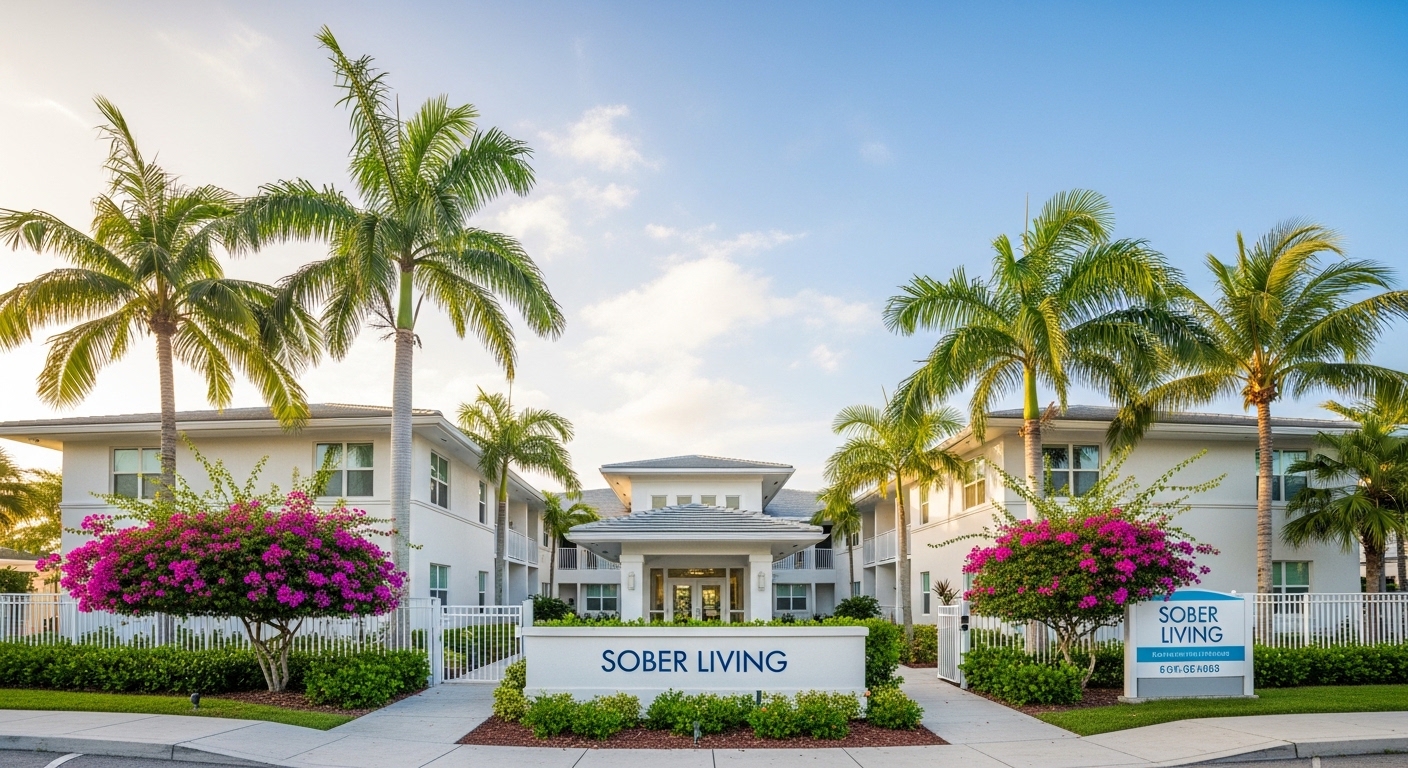
Sober living homes operate with clearly defined expectations and a shared sense of accountability. All residents live together, support each other in achieving sobriety and have the opportunity to practice their sobriety in a real-life environment.
- Structure and daily schedule – Residents follow a daily schedule including times to wake up, do chores, attend meetings and have free time for themselves.
- Rules (i.e., curfews, sobriety, and responsibilities) – No use of drugs or alcohol, curfews are enforced for all residents, and everyone is responsible for doing their share of the housework.
- Peer accountability and community living – Residents hold each other accountable for their sobriety and share their feelings and experiences with each other.
- Drug and alcohol testing (if applicable) – Random testing will be conducted to ensure that all residents are practicing honesty and safety in their sobriety.
Key Benefits of Sober Living in South Florida
When you start living in sober living homes in Florida, it gives you real advantages that help you stay on track long after treatment ends. Here are some common benefits to consider:
- Once you get there, you will experience a smooth transition after rehab
- There won’t be any relapse risk, making you clear and clean from substance use.
- You will get enough peer support and accountability
- Get access to local recovery resources
- Building independence gradually
- Cultural or faith-aligned options like Jewish Rehab
Access to luxury sober living Florida if you want more comfort
Who Should Consider Sober Living?
Sober living is great for anyone who has finished treatment but still needs a stable place to focus on recovery without the pressure of full clinical care.
- Individuals leaving inpatient rehab
- Those needing structured support
- People at risk of relapse
- Professionals seeking a stable recovery environment
Individuals who want Jewish sober living that matches their faith
Types of Sober Living Homes in South Florida
South Florida has many kinds of sober living homes, so you can find one that fits your needs, budget, and beliefs. Here are the types of sober living homes:
- Men’s sober living homes
- Women’s sober living homes
- Luxury sober living options
- Affordable/shared housing
- Structured vs. semi-structured homes
There are also homes that welcome Jewish Rehab clients, offering kosher meals and faith-friendly support for those who want Jewish sober living.
Common Mistakes to Avoid When Choosing Sober Living
Some people rush into choosing a home and end up in a place that doesn’t support their recovery. Avoid these common errors.
- Picking a home just because it’s cheap, without checking quality or structure
- Overlooking house rules that might not fit your lifestyle or recovery plan
- Failing to check credentials, reviews, or references from others who have lived there
- Moving into a home with little supervision, no routine, or weak accountability
How Rocklay Supports Sober Living in South Florida
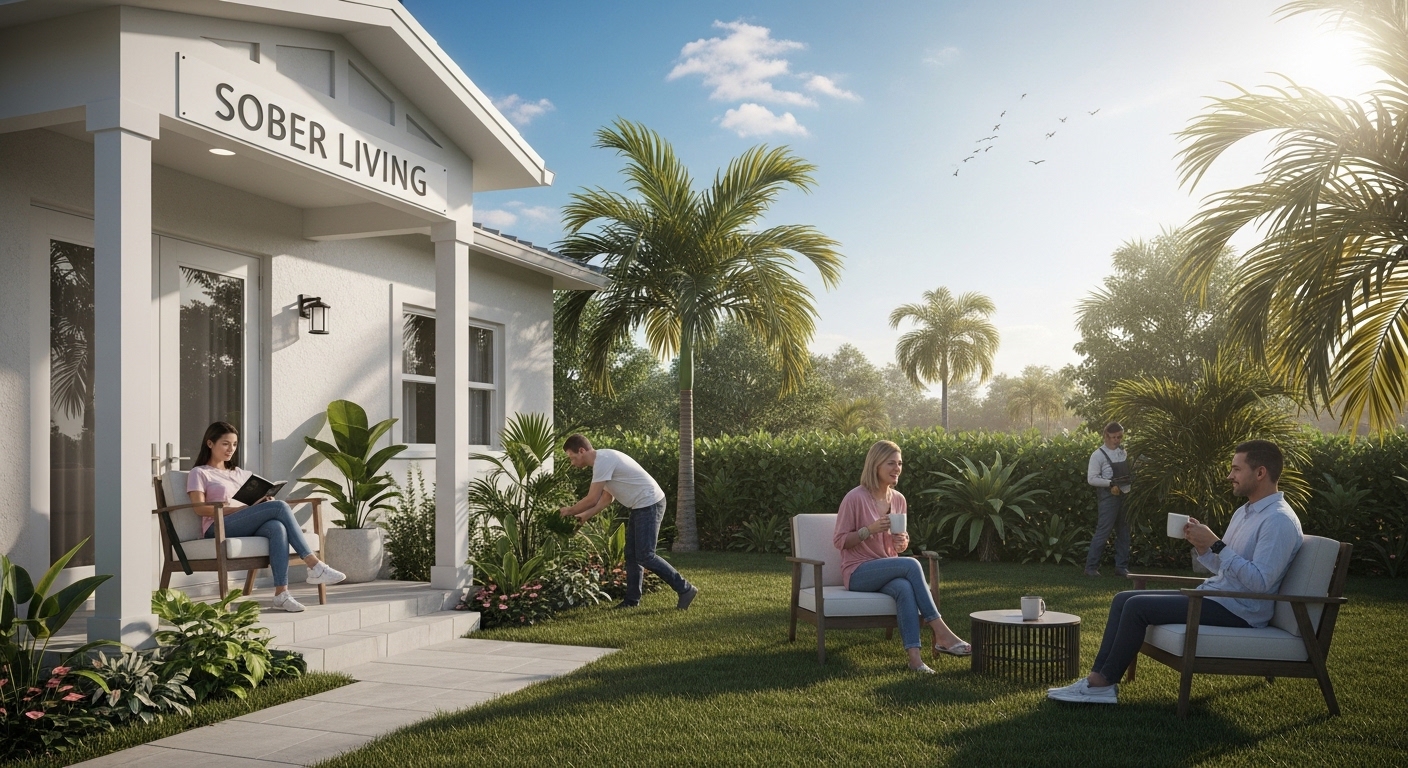
Rocklay runs sober living homes that observe the Jewish dietary restrictions of kosher. The sober living facilities are located in the calm communities of Delray Beach and Boynton Beach, Florida, Palm Beach County. Our facilities provide separate accommodations for men and women and incorporate the values of Judaism practiced through mindfulness, gratitude, and community.
We offer the serenity needed to foster friendships and achieve a lifestyle dedicated to long-term sobriety. Anyone seeking more information or wanting to discuss their options may contact us, and the conversation may start.
Key Takeaway
- Sober living gives you a safe, structured place to live after rehab
- South Florida has many options, including luxury sober living Florida and Jewish Rehab homes
- The right home has clear rules, good support, and matches your values
- Rocklay makes it easier to find safe, supportive sober living in Florida that works for you
Final Thoughts
Sober Living Housing in South Florida represents more than just someplace to live – it is an avenue for recovery to sobriety and stable living. Whether looking for sober living in Palm Beach County, looking for luxury sober living in Florida or looking for a place you can live your faith while being Jewish and sober, the area of South Florida has something available that will give you a fit.
When you understand how these different types of homes operate, what each offers, and how to select the best one, you set yourself up for lasting recovery. When in need of assistance in selecting appropriate Sober Living Homes in Florida, Rocklay is always there for you to assist throughout your journey.
FAQs
Q1: What’s the point of sober living homes?
They’re a safe spot without drugs or booze where you build sober habits alongside people who get it.
Q2: How long do you stay there?
Usually 3 to 12 months, based on how you’re doing and the house rules.
Q3: Are they regulated in South Florida?
Not everyone is licensed in Florida; always check their credentials and ask around first.
Q4: How’s sober living different from rehab?
Rehab means doctors and therapy to treat the addiction; sober living is your next step, practicing real-life sobriety without the hand-holding.
Q5: Does it really help with long-term recovery?
Absolutely, folks in these homes relapse way less thanks to the routine, buddies, and someone keeping you accountable.


