

How Does Jewish Sober Living in Boynton Beach Help Build a Strong Recovery?
July 20, 2026
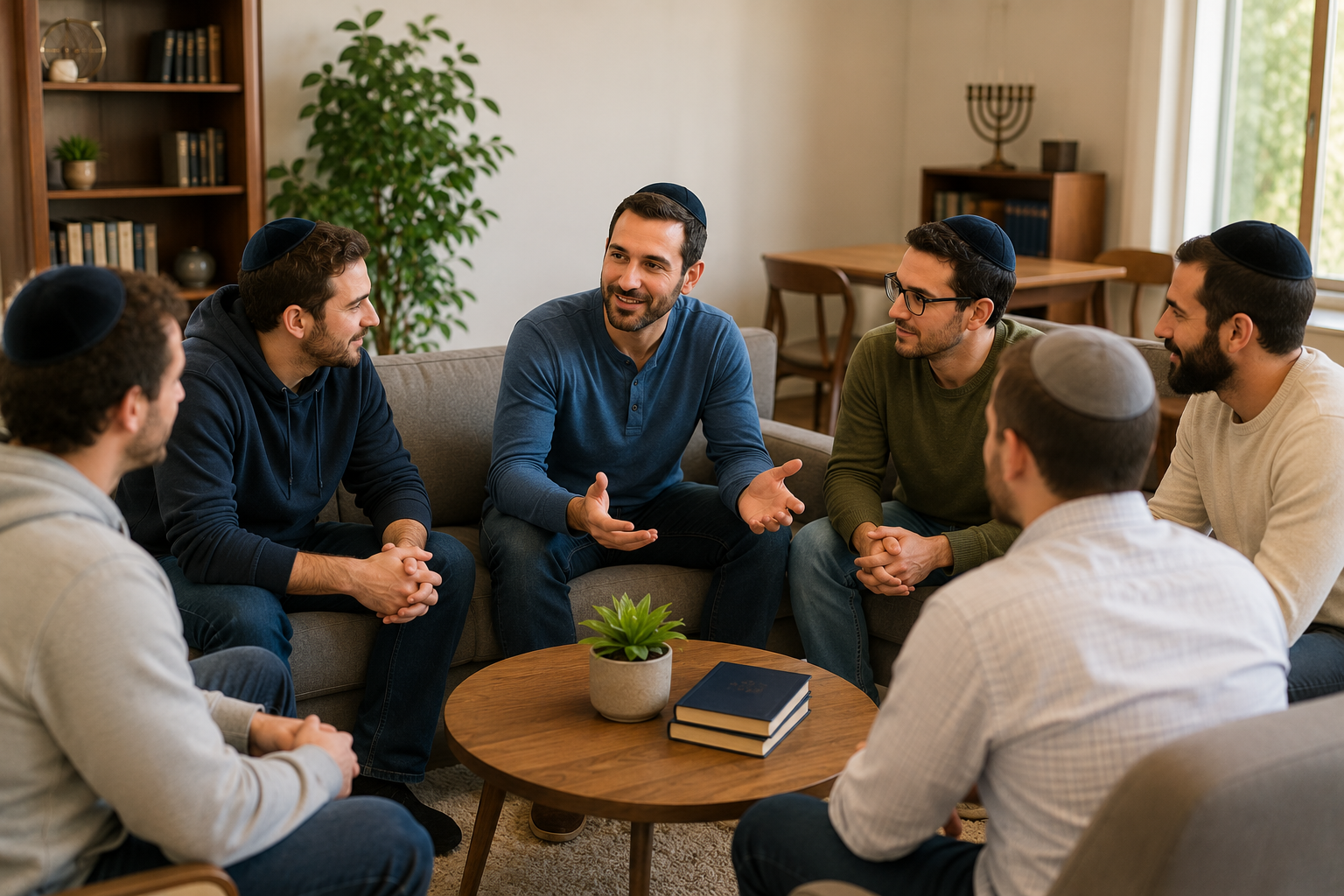
Recovery is hard enough on its own. Now imagine trying to heal while also feeling like you have to hide who you are, what you believe, and how you were raised. That’s the quiet struggle a lot of Jewish people face when they walk into a generic treatment center. The clinical language is there. The medical staff is there. But something is missing – a sense of home.
This is why more people are searching for Jewish sober living in Boynton Beach instead of settling for a one-size-fits-all program. This isn’t about religion for the sake of ritual. It’s about giving people a recovery environment where their culture, their values, and their sense of identity are treated as strengths – not side notes.
So, what actually makes this kind of sober living different, and why does it work so well in a place like Boynton Beach? Read on to know.
How Jewish Sober Living Is Different?
Most sober homes run on the same basics: curfews, house meetings, drug testing, chores. That’s normal, and it’s needed. But a Jewish and Kosher Drug Rehab Program adds something most homes skip entirely- real cultural and religious grounding. Residents keep Shabbat. They eat kosher. They talk to people who already get their background without a long explanation. That might sound small, but it isn’t.
Addiction tends to cut people off from their community and their roots. A Jewish-focused home hands that connection back instead of asking someone to pause it during treatment. It’s basically saying, “Your faith and your recovery aren’t in competition. They’re on the same team.” And once someone feels that, they tend to stick around longer, try harder, and open up more.
Why Is Boynton Beach a Supportive Location for Recovery?
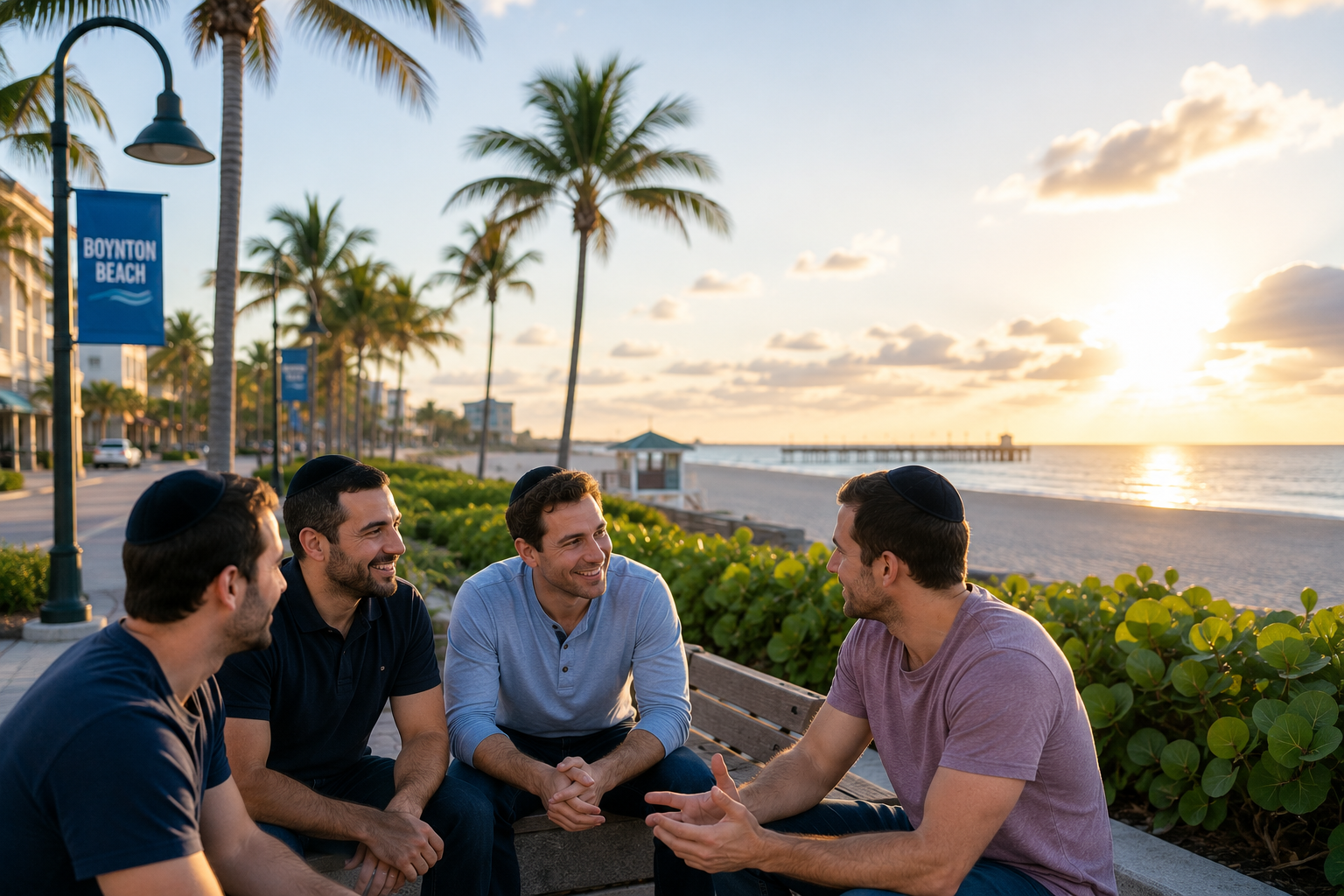 Where someone recovers matters a lot for people. Boynton Beach, in Palm Beach County, has quietly become one of the better spots in South Florida for long-term, structured sober living. A few reasons why:
- Good weather almost year-round –This makes it easier to get outside, walk, exercise, and just clear your head
- Close to Delray Beach- Often called the recovery hub of the country, so there’s no shortage of meetings, sober events, and support groups nearby.
- A real Jewish community already in place – Synagogues, kosher stores, cultural events, all within reach instead of hours away
- Distance from old habits- Especially for people coming from out of state, giving them room to breathe without running into the same people or places
- A slower, calmer pace of life- Compared to bigger cities, which helps people actually focus on healing instead of jumping back into stress mode too soon
Basically, you get beach-town calm with big-city recovery resources. Not a bad combo.
How Does Jewish Sober Living in Boynton Beach Build a Strong Recovery?
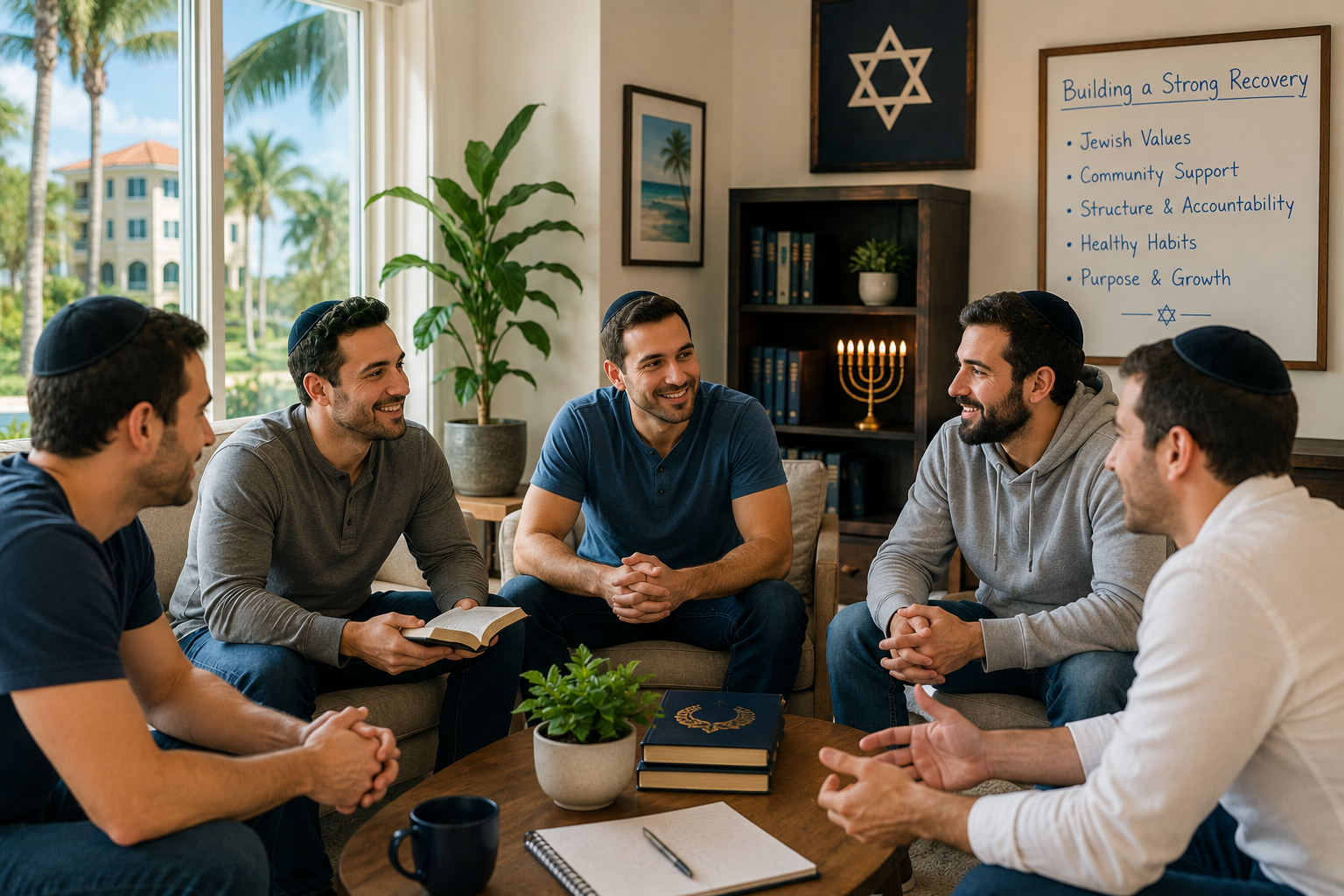 This is really the core of it. Saying a program is “faith-based” is easy. Showing how that turns into real, lasting recovery is the part that matters.
- Structure that means something –
Every solid sober home has a schedule – wake-up times, chores, curfews. A sober living Boynton Beach home built around Jewish life adds another layer on top: morning prayers, Shabbat dinners, holiday observance. This isn’t structure for the sake of rules. It’s structure tied to purpose, and that hits different.
- Belonging from day one-
Shame keeps people stuck. Many people entering a Jewish Drug and Alcohol Rehab program have hidden their struggle from family or their synagogue out of fear of judgment. Walking into a home where people already understand Jewish holidays, family dynamics, and traditions removes a huge weight almost instantly. No one has to explain their whole life story first.
- Kosher food, real healing-
Nutrition gets ignored a lot in early recovery, but the body needs support after what substances put it through. A true Jewish and Kosher Drug Rehab Program means residents don’t have to choose between keeping kosher and eating well. Steady meals also help stabilize mood during the toughest early weeks.
- Peers who feel like family-
Shared holidays and shared meals build bonds that go past your average roommate relationship. When someone’s having a rough day, they’re not just answering to a house manager – they’re answering to people who feel more like cousins.
- Therapists who actually get it-
Counselors who understand Jewish family expectations and guilt can dig into that directly instead of treating it like some vague, generic stress. That difference matters in therapy sessions.
- An identity, not just a countdown-
A Jewish rehab environment helps people build a life around who they’re becoming, not just what they’re avoiding. Celebrating a sober Passover or a clean Rosh Hashanah gives recovery real meaning, not just a number of days.
What Role Does Jewish Community Play in Recovery?
Community isn’t a nice extra here. It’s part of the actual treatment. Here’s how it shows up:
- Local synagogues often welcome residents into services and events, no questions asked.
- Community members tend to see addiction as something a family and community deal with together, not something to be ashamed of
- Holidays like Yom Kippur naturally push reflection and forgiveness – themes that line up perfectly with recovery.
· Sabbath gives everyone a built-in weekly break from phones, stress, and daily noise. - Alumni often stay close to the same synagogue or community group long after leaving the sober home, which lowers the risk of isolation – one of the biggest relapse triggers there is.
What Should Families Look For in a Jewish Sober Living Home?
Picking the right home is a big deal. Here’s what families should actually check for:
- Real kosher food, not just a “kosher-friendly” label slapped on
- Licensed staff working alongside spiritual support, not instead of it
- Clear structure – curfews, drug testing, chores, accountability
- Access to Jewish life nearby, like synagogues and holiday events
- Family therapy options, since recovery affects the whole family, not just one person
- A real aftercare plan, because what happens after treatment matters just as much
- Straight answers from staff about progress and next steps, no vague updates
If a home can’t answer these clearly, that’s worth noticing.
Bottom Line
Nobody should have to choose between their faith and their recovery. Jewish sober living in Boynton Beach proves you don’t have to. When culture, community, and real clinical care work together instead of against each other, people don’t just get sober – they get their life back, roots and all. At Rocklay Sober Living, we offer a transformative recovery residence for sober individuals seeking a new beginning. For more information, explore our website right now.
FAQs
Q1. What is Jewish sober living in Boynton Beach?
A. Jewish sober living is a substance-free residential environment that supports people in recovery while also offering access to Jewish traditions, values, meals, holidays, or community connections.
Q2. Is Jewish sober living the same as addiction treatment?
A. No. Sober living provides housing, structure, and peer accountability. Clinical treatment is typically provided separately through therapists, outpatient programmes, physicians, or treatment centres.
Q3. Do residents have to be religious?
A. Requirements vary by home. Some programmes welcome Jewish residents with different levels of religious observance, while others may follow specific traditions or expectations.
Q4. Are kosher meals provided in Jewish sober living homes?
A. Some homes provide kosher meals or kosher kitchen arrangements, but this should be confirmed directly before admission.
Q5. How long can someone remain in a sober living home?
A. The length of stay varies. Some residents stay for several months, while others remain longer based on their recovery progress, financial readiness, and future housing plans.
Q6. Does sober living help prevent relapse?
A. Sober living may reduce relapse risks by providing structure, accountability, peer support, and separation from substance-using environments. However, it cannot guarantee that relapse will not occur.
Q7. Can residents work while living in a sober home?
A. Many sober homes encourage or require residents to work, study, volunteer, or participate in outpatient treatment as part of rebuilding independence.
Q8. How can I know whether a Jewish sober living home is reputable?
A. Ask about house leadership, written policies, resident safety, testing procedures, treatment connections, fees, relapse protocols, and support for Jewish practices.


