

Jewish and Kosher Drug Rehab Program: A Faith-Aligned Path to Addiction Recovery
July 13, 2026
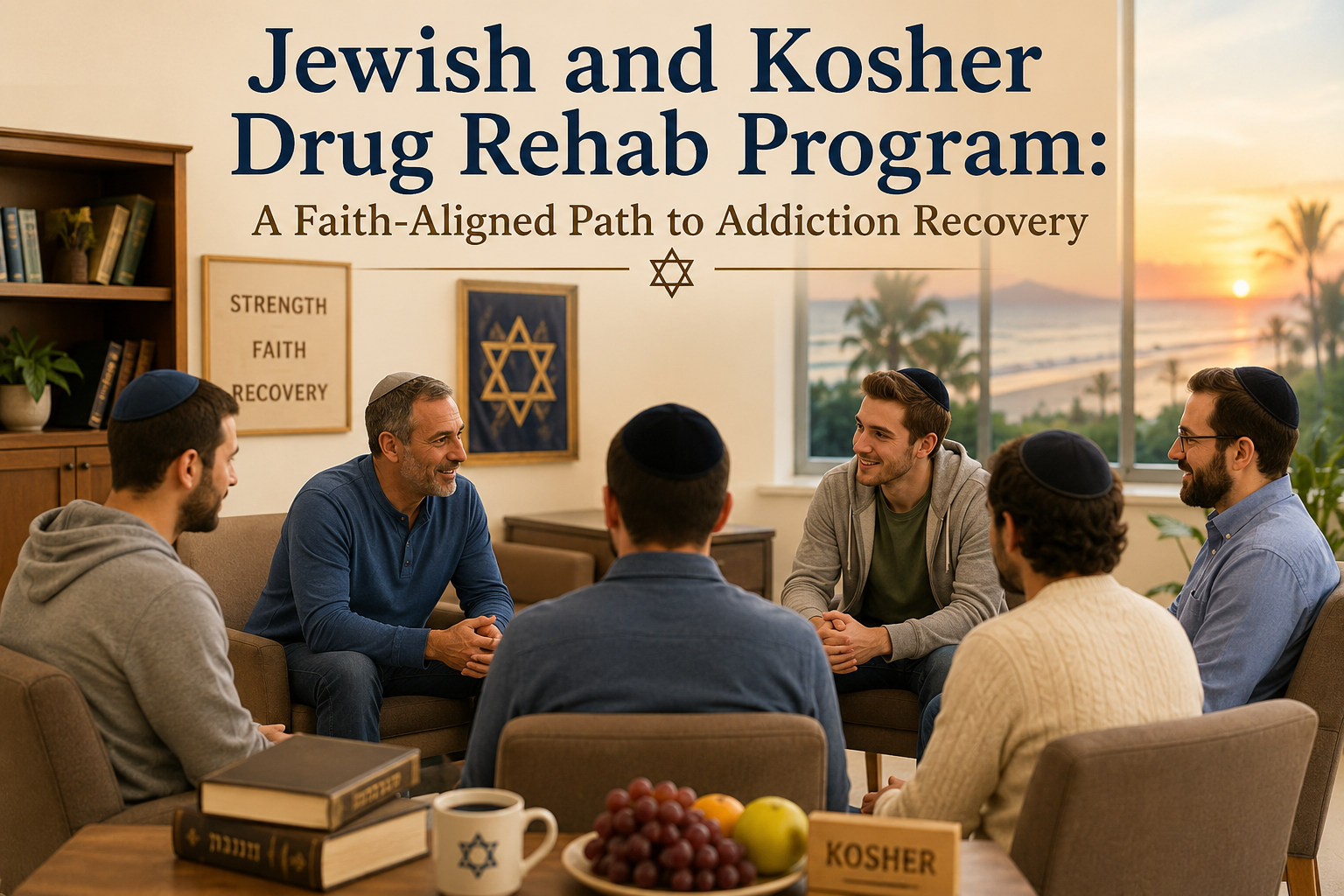
Recovery from addiction rarely follows a predictable route. It involves setbacks, reflection and gradual progress. Many Jewish individuals find that healing feels more natural in an environment that reflects their beliefs and daily practices. A Jewish and Kosher Drug Rehab Program brings together medical care and spiritual familiarity — offering a space where individuals can rebuild their lives without feeling disconnected from their identity.
Understanding the Importance of a Jewish and Kosher Drug Rehab Program

A Jewish and Kosher Drug Rehab Program focuses on treating addiction while honoring Jewish traditions and values. Cultural alignment becomes part of the healing process rather than an afterthought.
This includes:
- Kosher meals prepared in line with Kashrut laws
- Observance of Shabbat and Jewish holidays
- Access to prayer spaces, Torah learning, and rabbinical guidance
- Therapy approaches shaped with cultural awareness
In many standard rehab settings, individuals may feel a quiet sense of disconnection from their routines. That gap can make an already difficult process feel heavier. In a Kosher drug rehab or Jewish rehab setting, familiar practices bring a sense of stability — something that quietly supports emotional recovery.
Faith as a Stabilizing Force in Recovery
Faith often becomes a steady anchor during uncertain times. A Kosher mental health rehab environment integrates spiritual practices into everyday life, allowing individuals to draw strength from long-standing traditions.
Several benefits stand out:
- Prayer and rituals introduce structure into daily routines
- Teachings around accountability encourage reflection and responsibility
- The concept of teshuvah offers a path toward renewal and growth
- Spiritual practices create moments of pause during emotional stress
Imagine a moment of intense craving — rather than reacting immediately, an individual turns to prayer or quiet reflection. That pause creates space to think, to breathe and to choose differently. Over time, these small interruptions build stronger coping patterns.
Core Elements of a Jewish-Centered Rehab Experience
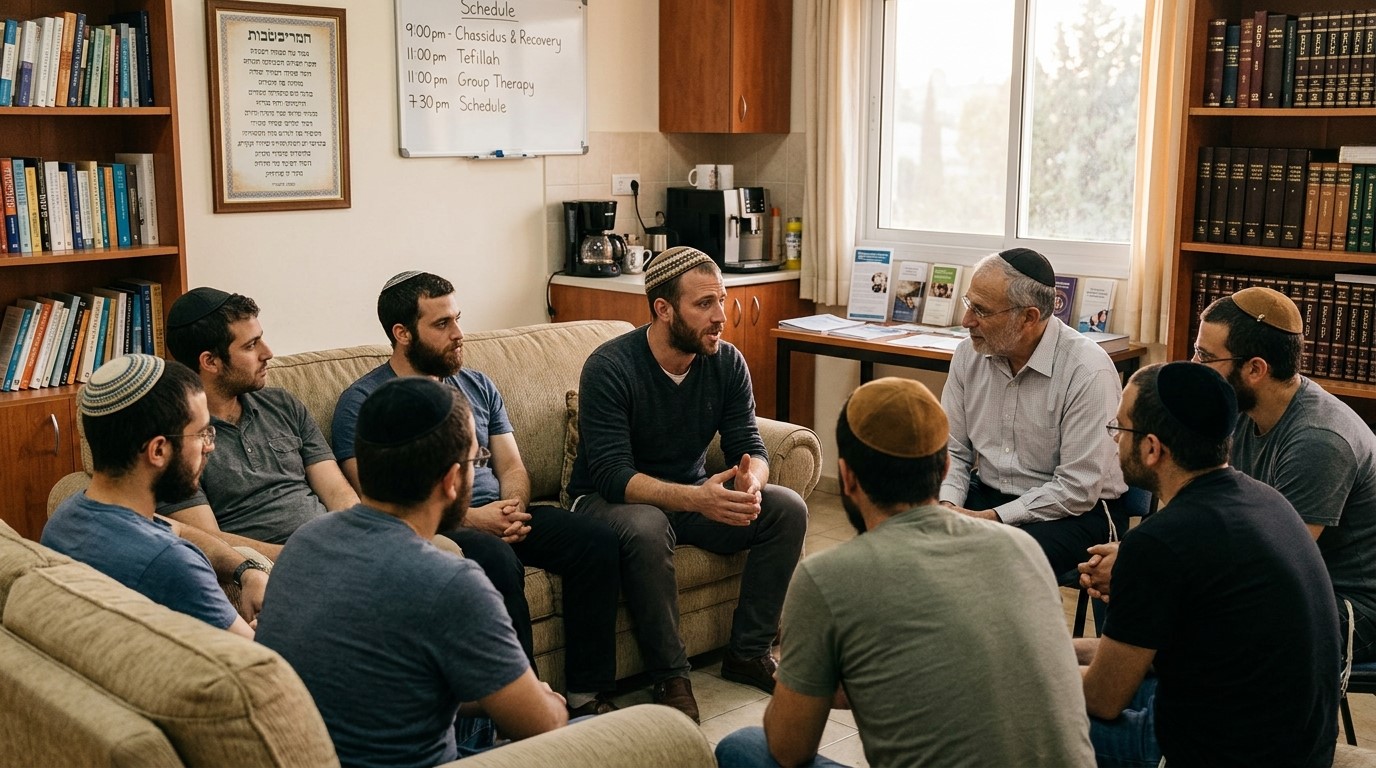
A strong Jewish rehab program combines clinical treatment with spiritual guidance. Each element supports a different aspect of recovery, creating a balanced approach.
Key components often include:
- Evidence-based therapies such as CBT, DBT, and trauma-focused counseling
- Guidance from rabbis or mentors familiar with Jewish teachings
- Peer groups made up of individuals who share similar backgrounds
- Daily schedules that reflect traditional rhythms — structured yet calming
Routine plays a meaningful role here. Mornings may begin with prayer — followed by therapy sessions and shared meals. Evenings often include reflection or group discussions. That steady rhythm reduces uncertainty and helps individuals stay focused on their progress.
Identity Safety — A Missing Piece in Many Rehab Models
An important, often overlooked factor in recovery is identity safety — the ability to feel comfortable being oneself without explanation. In a Jewish and Kosher Drug Rehab Program, that comfort tends to come naturally.
Several subtle but powerful effects emerge:
- Religious practices do not require explanation or justification
- Cultural familiarity reduces emotional tension
- Shared values help individuals connect more easily with one another
Feeling understood without needing to explain background or beliefs creates emotional ease. That sense of belonging often leads to deeper participation in therapy. Individuals become more open, more willing to engage, and more committed to change.
Individuals actively seek spaces where identity and recovery can coexist.
A Glimpse into Daily Life in Kosher Rehab
Life inside a Kosher drug rehab setting follows a thoughtful structure — steady but not overwhelming. Each day offers a blend of therapy, community, and personal reflection.
A typical day may look like:
- Morning prayers or quiet time for reflection
- One on one therapy sessions
- Group discussions and peer support meetings
- Fresh, kosher meals shared in a communal environment
- Torah study or guided spiritual learning
- Evening check-ins or mindfulness practices
Shabbat often becomes a meaningful pause in the week. The slower pace, shared traditions and sense of togetherness bring a kind of calm that many individuals have not felt in a long time.
Holiday observances add another layer of connection — reminding participants that they remain part of a larger cultural and spiritual story.
Physical well-being also plays a role. Nutritious meals, proper rest, and light physical activity support the body as it recovers alongside the mind.
Breaking Stigma Within the Community
Addiction can still carry stigma, even in close-knit communities. Within some parts of the Jewish community, that stigma may lead individuals to delay seeking help.
Modern Jewish mental health rehab programs are actively working to shift that perception:
- Addiction is treated as a health condition rather than a personal failure
- Open conversations are encouraged within families and communities
- Safe, private environments allow individuals to seek help without fear
Education continues to play a key role in this shift. As understanding grows, more individuals begin to see recovery as a sign of strength. That change in perspective makes it easier for people to step forward and ask for support.
Conclusion – Discover Recovery Rooted in Meaning and Connection

A Jewish and Kosher Drug Rehab Program offers more than a path away from addiction — it offers a return to identity, purpose, and connection. Healing becomes more meaningful in a setting where personal beliefs and daily practices are respected and supported. Spiritual grounding, clinical care, and community all come together — creating a recovery experience that feels both steady and deeply personal.
Rocklay Recovery provides that kind of environment, where individuals can move forward without leaving their values behind. Taking the first step may feel difficult but the right support can make that step feel possible.
Reach out to Rocklay Recovery today — your path toward clarity, strength and renewal can begin now.
FAQs
1. What is a Jewish and Kosher Drug Rehab Program?
It is an addiction treatment program that combines medical care with Jewish traditions, kosher dietary practices and spiritual support.
2. Do kosher rehab centers offer professional therapy?
Yes, they include therapies such as CBT, DBT and group counseling alongside faith-based guidance.
3. Can religious practices continue during treatment?
Most programs allow full participation in Shabbat, prayer routines and Jewish holiday observances.
4. Are kosher meals provided every day?
All meals follow Kashrut laws, allowing individuals to maintain their dietary practices throughout recovery.
5. Who should consider Jewish mental health rehab?
Individuals seeking addiction or mental health treatment in a culturally familiar and faith-aligned setting may find it especially helpful.
Key Takeaways
- A Jewish and Kosher Drug Rehab Program supports addiction recovery while respecting Jewish beliefs, traditions, and daily practices.
- Kosher meals, Shabbat observance, prayer, Torah learning, and rabbinical guidance help create a familiar and supportive healing environment.
- Faith-based structure can give individuals emotional stability, helping them manage cravings, stress, and difficult moments during recovery.
- Jewish-centered rehab combines clinical therapies like CBT, DBT, and trauma-focused counseling with spiritual and cultural support.
- Identity safety plays an important role, allowing individuals to focus on healing without feeling the need to explain or defend their background.
- Programs like Rocklay Recovery help reduce stigma by treating addiction as a health condition and offering private, compassionate, faith-aligned care.


