


Complete Jewish Drug Rehab Guide: How Values, Community, and Structure Boost Recovery
September 30, 2025
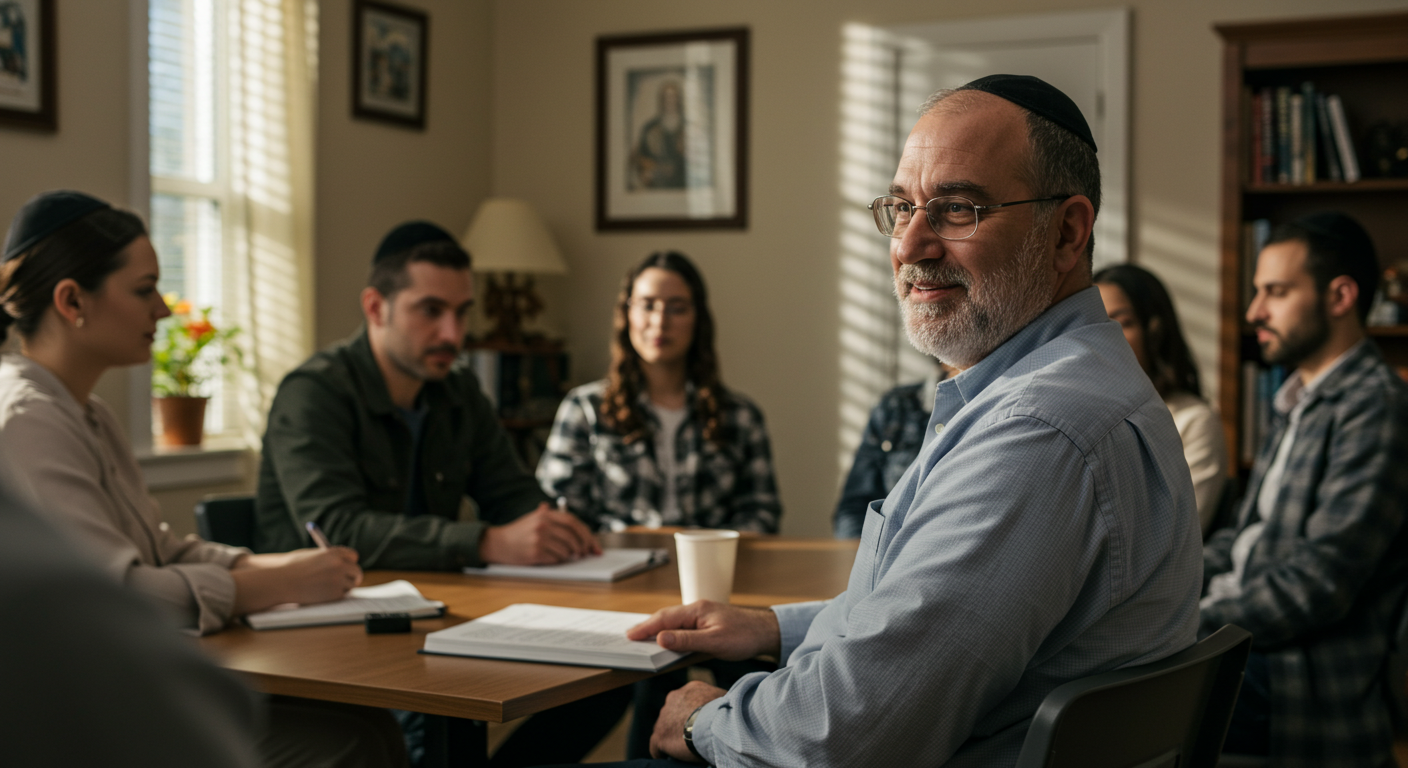
Jewish drug rehab combines evidence-based treatment with Jewish values so clinical progress, ritual, and identity support each other rather than compete. By pairing therapy with culturally aware routines, residents build momentum and reduce friction in early recovery. Many find that this alignment improves engagement, strengthens motivation, and helps turn short-term gains into durable habits.
Why Jewish Drug Rehab Works
A Jewish and Kosher drug rehab program respects observance while maintaining rigorous clinical standards. Care plans integrate kosher guidelines, Shabbat sensitivity, and holiday scheduling with therapies like CBT, DBT, and relapse prevention. Family education and boundary-setting encourage healthy support systems, while clear milestones and outcome tracking protect progress.
- Culturally Competent Structure: Kashrut clarity, observance-aware calendars, and written expectations reduce confusion.
- Integrated Healing: Clinical work runs alongside Jewish learning, guided prayer, and meaning-centered practices.
- Family-Forward Care: Loved ones learn how to support recovery without enabling.
- Step-Down Planning: aftercare, alumni links, and sober-living referrals keep momentum beyond discharge.
Mapping rituals to recovery tasks turns observance into an anchor. For example, using Erev Shabbat prep as a weekly time-management drill helps build predictable rhythms that spill over into work, sleep, and meeting attendance.
From Treatment to Daily Life: Jewish Sober Living in Florida
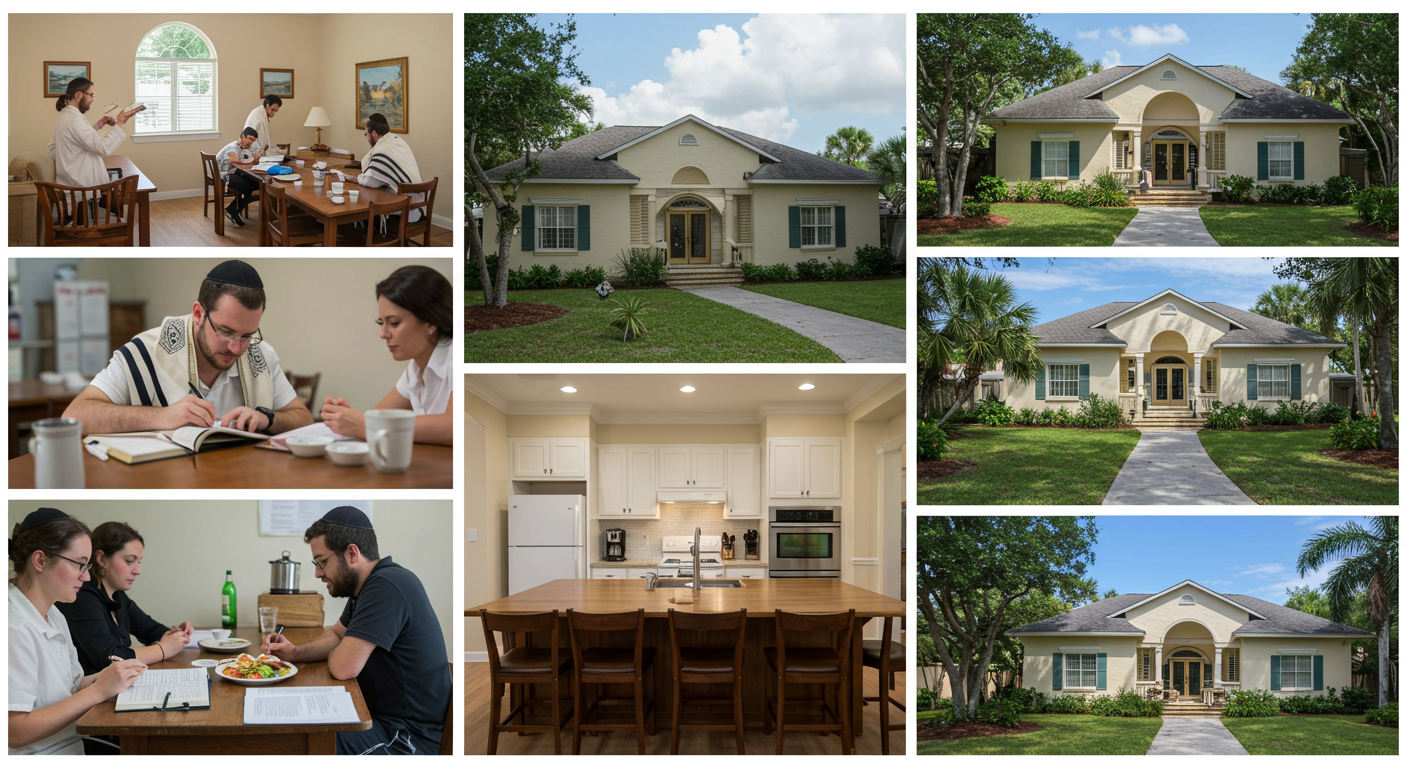
After formal care, consistency is the bridge to long-term stability. Jewish sober living in Florida provides routine, peer accountability, and proximity to meetings and synagogues so recovery tasks are easier to execute.
- Daily Reviews: Curfews, UA/BA testing, meeting attendance, chores, house meetings, and documented check-ins.
- Social Accountability: Sponsor engagement, mentorship, and community groups make recovery a shared effort.
- Location Advantages: meeting density, JCC and synagogue access, employment pipelines, and practical transit reduce isolation and lower relapse risk.
Jewish sober living in Florida helps residents practice skills in real environments with faith-aligned support close by. When supports are nearby, residents keep more commitments and small wins compound faster.
Jewish Mental Health Rehab and Dual-Diagnosis Support
Addiction and mental health commonly intersect. Strong Jewish mental health rehab tracks address anxiety, depression, trauma, and other conditions alongside substance use. This dual focus strengthens relapse prevention and improves day-to-day functioning.
- Coordinated therapy and psychiatry with observance-aware scheduling
- Skills for mood regulation, stress tolerance, and sleep hygiene
- Gradual step-down from higher to lower intensity with continuity of care
Stacking micro-habits to existing rituals reduces cognitive load. Brief nightly reflections tied to evening prayers or gratitude lists after Mincha can consolidate gains without adding complexity.
Community Networks and Real-World Support
Why Culturally Aligned Networks Matter
Recovery momentum often rises when care links to familiar community anchors like synagogues, JCCs, and Jewish peer groups that normalize help-seeking and reduce isolation. These touchpoints make it easier to keep appointments, attend meetings, and sustain routines that protect early gains in a Jewish drug rehab pathway.
How Jewish Sober Living in Florida Leverages the Ecosystem
Many homes map weekly schedules around nearby meetings, Shabbat timing, and kosher resources so habits form with less friction. This practical scaffolding helps residents uphold observance while staying active in counseling, which is crucial for continuity after a Jewish and Kosher drug rehab program.
Choosing the Right Fit: Programs and Homes That Truly Align
What to Verify in a Jewish Drug Rehab Program
- Licensing, trauma-informed training, and evidence-based modalities
- Clear scope for dual-diagnosis and family involvement
- Written kosher and observance policies
- Outcomes transparency and ethical billing
- Realistic aftercare and alumni support
What to Confirm in Jewish Sober Living
- Written kosher kitchen standards, labeling, and supervision
- House rules, testing cadence, curfew, visitor policy, and incident protocols
- On-site manager presence and safety measures
- Job search help, rides to meetings, and proximity to synagogues and providers
- Links to a Jewish Recovery Center and community resources
Conclusion
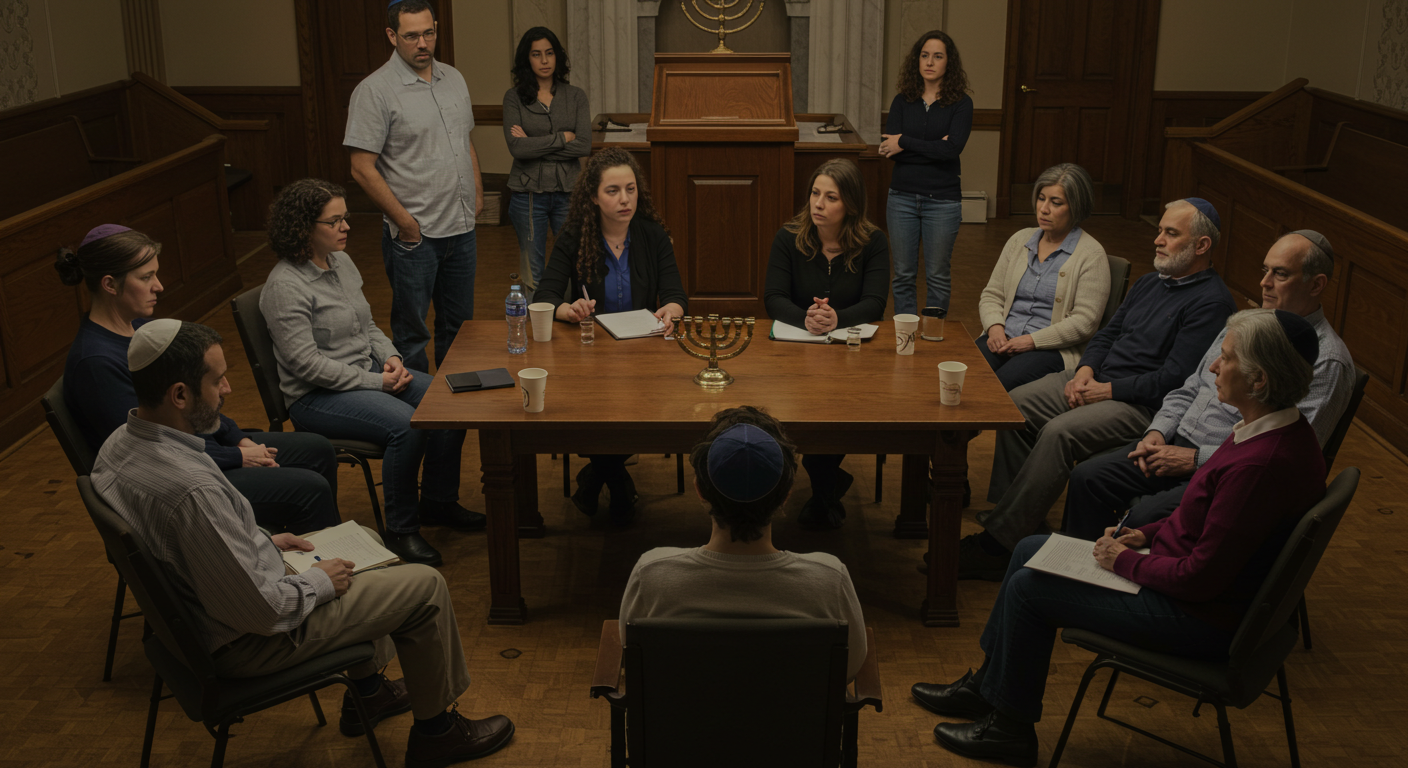
Jewish drug rehab works because it aligns clinical care with Jewish identity, ritual, and community, reducing barriers that commonly derail early recovery. When this approach is paired with Jewish sober living, residents gain routine, peer accountability, and close access to faith and recovery supports that make progress stick.
Rocklay Recovery offers culturally aligned Jewish sober living in Florida that reinforces gains from Jewish rehab with structure, consistency, and values-driven routines geared for long-term stability.
Contact us today for a free confidential consultation!
FAQs
1. How does a Jewish and Kosher drug rehab program differ from standard treatment?
It blends evidence-based care with kosher practice and observance-friendly scheduling, adding Jewish learning and spiritual support while keeping clinical methods central.
2. Do Jewish rehab programs address mental health conditions too?
Yes. Many offer fully integrated dual-diagnosis care, combining therapy, psychiatry, and relapse prevention with observance-aware planning.
3. Is Jewish sober living in Florida necessary after rehab?
While not mandatory, structured housing often improves adherence, reduces friction, and helps translate treatment gains into stable daily routines.


