

Leaving Rehab Isn’t the Finish Line: Why the First 90 Days in Sober Living Matter
September 10, 2026
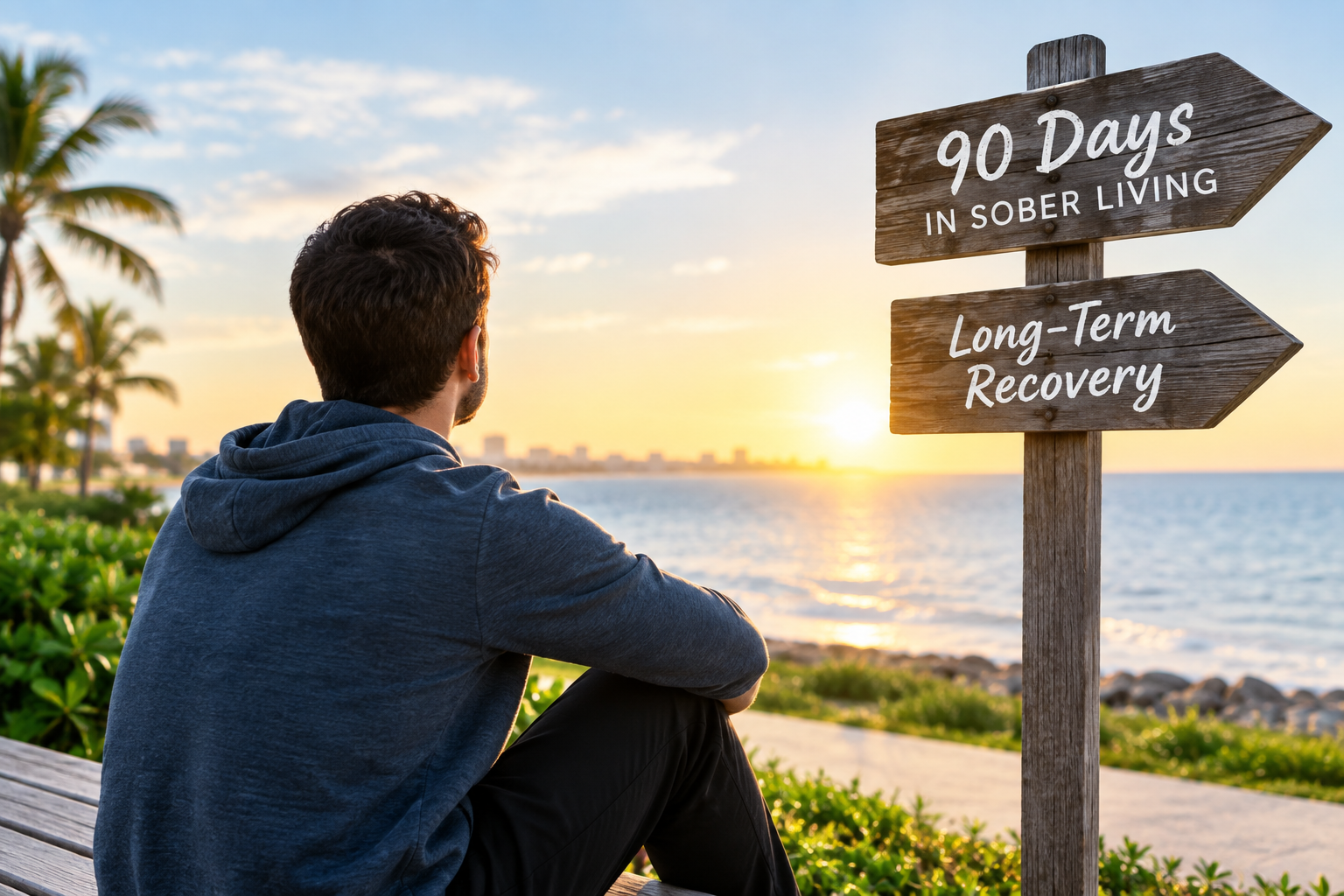
Most relapses don’t happen on day one. They happen weeks later, once life gets loud again and the daily structure disappears. That’s why the first 90 days matter so much, and why so many families look into sober living in Delray Beach the moment treatment ends. Rocklay Sober Living was built around one simple idea: recovery doesn’t stop the day you walk out of rehab; it just moves into a new phase. In this blog, you’ll learn why this early window is so risky, what a good sober home actually gives you, and how to spot one worth trusting.
Why the First 90 Days Feel So Hard
Ask anyone who’s been through it. Leaving rehab feels like relief and fear rolled into one. The safety net is gone, and your brain hasn’t quite caught up yet.
Your brain needs time to catch up.
Chemicals like dopamine and serotonin take months to settle down, so cravings and mood swings can show up out of nowhere for a while.
Old triggers come back fast.
A familiar street, an old friend, even a song on the radio can bring old habits rushing back if there’s nothing standing in between.
Coping skills sound easy in rehab.
They get a lot harder once bills, work, and family show up again, and practicing them for real takes way more than just talking about them.
Loneliness creeps in without warning.
People who leave without real support often skip meetings and check-ins within just a few weeks, sometimes without even realizing it’s happening.
Too much free time is risky.
An empty schedule gives cravings room to grow, which is exactly why routines and curfews matter more than most people expect going in.
What a Sober Living Home Really Does

A sober living home isn’t rehab, and it isn’t a regular apartment either. It sits right in the middle, and that middle ground is what makes recovery houses in Delray Beach so useful during this stretch.
The house stays completely substance-free.
No gray areas, no exceptions, which means you’re not constantly fighting temptation the way you might be back home on your own.
Routines get rebuilt from the ground up.
Set times for meals, chores, and house meetings sound small, but they bring back the kind of discipline addiction tends to wear down.
Other residents keep you honest.
Nobody wants to be the one who skips a meeting when everyone else is showing up, and that little bit of pressure actually helps.
Case managers
They help with the boring but important stuff, things like finding a job, managing money, and figuring out what comes next once you’re back on your feet.
Meetings and outpatient care stay close by.
Being near a 12-step group or a therapist removes one more excuse to skip something that actually matters.
Why Florida Makes a Real Difference
Recovery doesn’t happen in a bubble. Where you live, the weather, even the local job market, all play a part in whether sober living in Florida actually works for you long-term.
- Warm weather helps more than people think. Year-round sunshine means you can walk, exercise, and get to meetings without winter slowing anything down for months at a time.
- Florida’s recovery community is huge. You won’t have to look far for a meeting, an alumni group, or someone who’s walked the exact same road you’re on.
- Local employers are used to hiring people in recovery, which makes finding steady work a little easier than it might be in other parts of the country.
- Therapists and outpatient clinics tend to be close by, so treatment doesn’t require long drives or missed appointments just to stay on track.
- A big recovery community means real friendships, not just people who happen to live under the same roof for a while and nothing more.
A Jewish Sober Program in Florida: Faith Included, Not Set Aside

For a lot of people, faith isn’t separate from recovery; it’s part of the foundation. A Jewish sober program in Florida lets you keep that connection instead of putting it on hold.
- Meals are kosher, made the right way, so you’re never stuck choosing between your faith and your daily life while you’re trying to heal.
- Rabbis and spiritual guides are part of the program, not an extra, giving you someone to talk to beyond the standard counseling sessions.
- Shabbat and Jewish holidays are observed right inside the house, so you don’t have to skip them just because you’re in recovery right now.
- A Jewish rehab setting puts you around people who actually get the shame and pressure that can come with addiction inside your own community.
- The 12 steps blend with Jewish teaching on community and accountability, so the spiritual side of recovery feels whole instead of borrowed.
How to Spot a Good Sober Home
Not every sober house is run well, and that difference matters more than people realize going in. Here’s what separates real Florida sober homes from ones that just look good online.
1. Check for FARR accreditation.
This one certification tells you the home follows real safety and ethics standards, not just good marketing on a homepage.
2. Ask for the house rules in writing.
A serious program has clear policies on curfews, drug testing, and chores, not vague promises made over a phone call.
3. Find out who’s actually on staff.
Case managers who are reachable day to day make a real difference when something goes wrong late at night.
4. Look for separate housing for men and women.
It keeps the focus on recovery instead of adding another distraction nobody really needs right now.
5. Ask about the alumni network.
A home tied to a strong local Jewish rehab community tends to get better long-term results than one that works alone.
Wrapping up
The first 90 days aren’t something to just survive; they’re what decides everything that comes after. Structure, community, and a little accountability during this time often make the difference between a short streak of sobriety and a life that actually holds together.
Whether that’s through general sober living in Delray Beach or a program built around faith, the right home should feel like support, not supervision. That’s the idea behind Rocklay Sober Living, and it still shows in how residents are treated every single day. Visit our website now and contact us for a free, confidential consultation!
Frequently Asked Questions
Q1. How long should someone stay in sober living?
Most residents benefit from staying at least 90 days, though many choose to remain six months to a year for stronger, more lasting recovery outcomes overall.
Q2. What makes Delray Beach good for recovery?
Delray Beach offers an established recovery community, year-round mild weather, and easy access to meetings, outpatient care, and sober-friendly employers nearby.
Q3. Is a Jewish sober program only for religious residents?
No, these programs welcome all backgrounds and levels of observance, simply offering kosher meals, spiritual guidance, and cultural understanding for those who want it.
Q4. What rules do sober living homes typically have?
Most homes require curfews, routine drug testing, chores, meeting attendance, and respectful conduct to maintain a safe, accountable household environment.
Q5. How do I choose the right sober home?
Check for proper licensing such as FARR accreditation, clear house rules, accessible staff support, and genuine ties to the local recovery community nearby.


