

Halfway Houses in Boynton Beach, FL: A Complete Guide to Choosing the Right One
September 16, 2026

Stepping out of intensive treatment and back into everyday life is often the hardest part of recovery. Suddenly, the structured safety net is gone. That is exactly why finding a solid transitional environment changes everything. Finding the right halfway houses in Boynton Beach offers that perfect balance of necessary structure and newfound independence. The coastal setting provides a calming backdrop. But picking the perfect fit can easily feel overwhelming.
From evaluating house rules to understanding daily accountability, every little detail matters. The right environment protects your progress. A mismatched one can quickly trigger a relapse. This guide breaks down the essential features of a quality home, the exact steps to evaluate the best options, and how to make the right choice for lasting recovery.
What Should You Know About Halfway Houses in Boynton Beach?
What Exactly Is a Halfway House?
When leaving an inpatient facility, the real world can feel overwhelmingly loud. Almost too loud. The intense structure that kept things safe is simply gone. Everyday stressors rush back in. And that is where transitional housing bridges the dangerous gap between rehab and full independence.
A halfway house is basically a highly structured residential space explicitly designed for people in early recovery. It offers a safe, strictly substance-free environment. Residents live together. They share daily responsibilities. And they support each other in the shared goal of staying clean.
But it is far more than just a place to sleep. It is a real-world training ground. These homes use specific rules designed to rebuild personal accountability and healthy habits.
- Mandatory drug testing- Keeps the entire environment secure, honest, and completely accountable.
- Strict curfews- Helps establish a predictable routine mirroring normal working life.
- House meetings- Encourages open communication and builds strong peer support systems.
- Assigned chores- Builds a profound sense of responsibility for shared living spaces.
The thing is, not all facilities offer the same quality of care. Pinpointing the best halfway houses near me means looking way beyond just the zip code. It is about the house culture. The vibe. The specific level of structured support provided by the management staff.
Did you know?
Individuals who spend at least 90 days in a structured transitional living environment have significantly lower relapse rates compared to those returning straight home after inpatient treatment.
What Are the Daily Life and Expectations Like?

Living in halfway houses in Boynton Beach means adopting a highly structured daily routine. Free time is limited, especially in the very beginning. This design intentionally prevents boredom because boredom is a notoriously dangerous trigger for relapse.
Mornings start early. Residents wake up, finish their hygiene routines, and tackle house chores before leaving for the day. This simple, repetitive morning routine sets a highly productive tone.
Attending intensive outpatient programs (IOP) or specialized private therapy.
- Going to a full-time or reliable part-time job.
- Actively applying for work if currently unemployed.
- Participating in meaningful community service or volunteering.
Evenings are just as structured. After coming back home, residents often cook meals together. Then, attendance at a local 12-step meeting or similar recovery support group is usually mandatory. The day wraps up with a house meeting to check in on everyone’s emotional state.
This rigorous routine leaves almost no room for idle hands. It effectively teaches residents how to balance work, social life, and an ongoing recovery program safely.
Why Should You Consider Sober Living in Florida?
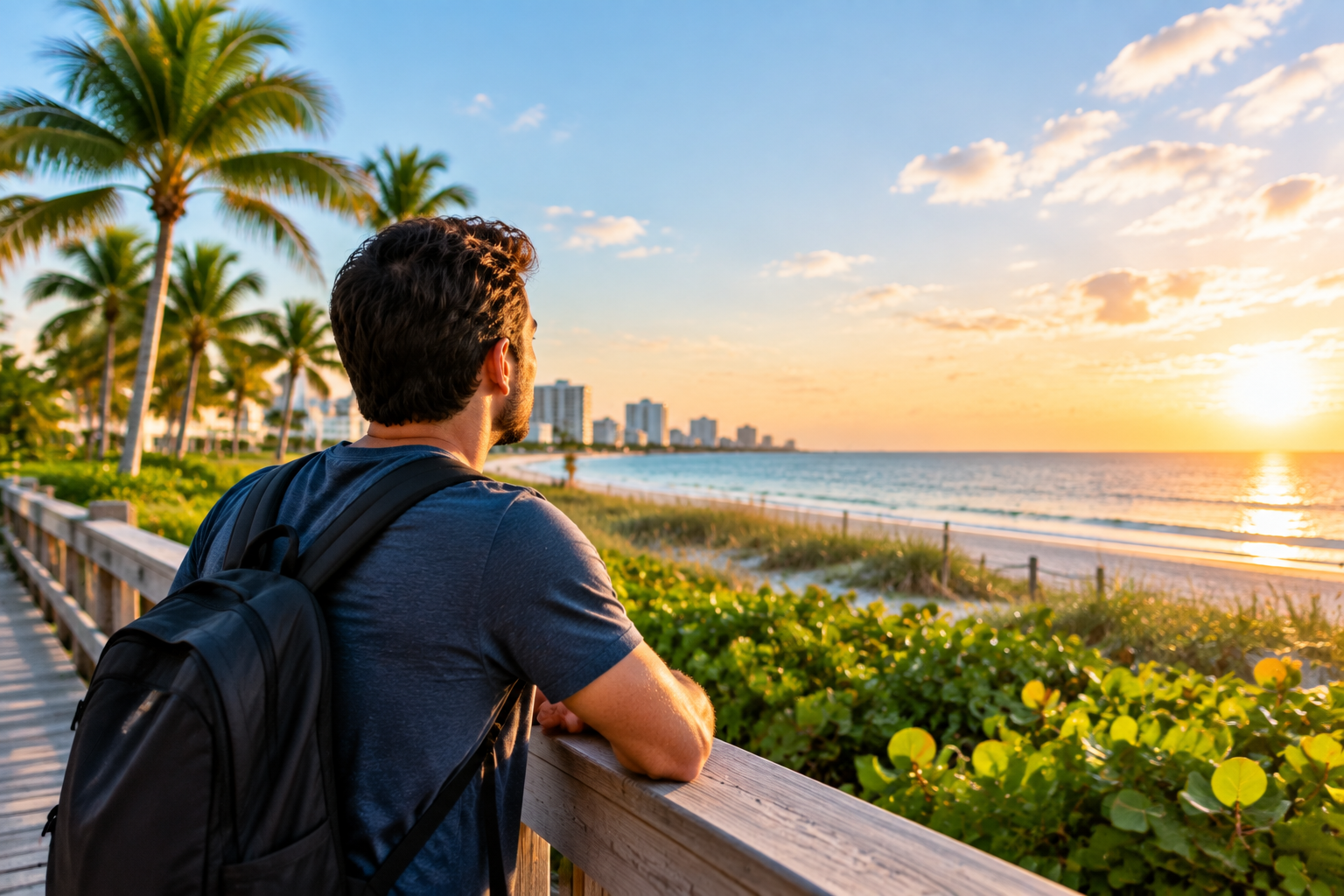
The Power of Community Support
Florida is a massive national hub for addiction recovery. But why? The sunshine and beautiful beaches are great, sure. The real draw is the incredibly robust and highly developed recovery infrastructure.
When exploring the available options for sober living in Florida,it quickly becomes obvious that the state offers an unmatched network of support. Specialized therapists, recovery-friendly employers, and experienced medical staff are everywhere. The entire ecosystem is explicitly designed to help people succeed.
Plus, the sheer number of available programs means anyone can find specialized care fitting their exact demographic. You are never truly isolated. The recovery community here is massive, highly welcoming, and deeply active.
- Access to hundreds of weekly support meetings and diverse group therapy sessions.
- Proximity to world-class outpatient clinics and specialized trauma counselors.
- A favorable climate that constantly encourages outdoor, holistic healing activities.
- A strong, localized network of program alumni who understand the exact journey.
Finding top rated sober living in Florida options is much easier simply because the local industry is so well-developed. This level of professional oversight brings profound peace of mind.
How Can You Find the Right Fit Step-by-Step?
Creating Your Evaluation Checklist
Figuring out how to choose a sober living home requires a clear, actionable strategy. You cannot just pick the very first option that pops up in a search engine. You must meticulously verify that the home completely aligns with specific clinical and personal needs.
A disorganized house can actively harm the recovery process. A well-run house can quite literally save a life. Here is a highly effective, step-by-step checklist to properly evaluate the available options:
- Verify official licensing- Ensure the home meets strict state health and safety standards by asking to view their active certifications.
- Review all house rules- Ask for a physical copy of the specific rules regarding curfews, overnight visitors, and random drug testing.
- Tour the entire facility- Check for basic cleanliness, comfortable living arrangements, and the overall baseline atmosphere of the home.
- Interview the management staff- Ask directly about their personal experience, professional qualifications, and exactly how they handle a resident’s potential relapse.
- Evaluate the resident community- Speak privately with current residents to get a true, unfiltered feel for the house culture and daily peer dynamics.
- Check the surrounding location- Ensure the house is reasonably close to daily support meetings, solid job opportunities, and reliable public transit.
- Review all financial obligations- Understand all monthly costs, deposit requirements, and what specific amenities are included in the baseline price.
Following these precise steps makes evaluating addiction recovery housing in Boynton Beach a much less stressful and far more successful experience.
How Does a Jewish Rehab Approach Recovery Differently?
Faith-Based Healing and Kosher Living
Sometimes, standard recovery programs miss a truly crucial element. Faith. For many individuals, reconnecting with cultural and spiritual roots is the absolute key to unlocking lasting sobriety.
A Jewish rehab seamlessly integrates evidence-based recovery methods with core Jewish values, deep spirituality, and daily cultural practices. This creates an incredibly supportive and highly resonant healing environment that just feels like home.
When a person feels spiritually disconnected, clinical therapies only go so far. Reintroducing faith provides a powerful anchor during moments of intense craving.
Here is why specialized faith-based housing matters so much:
- Provides daily access to a strictly kosher kitchen and culturally aligned lifestyle.
- Encourages regular prayer, guided meditation, and the dedicated study of sacred texts.
- Observes Shabbat and all other important cultural holidays as a fully united community.
- Surrounds residents completely with peers who share the exact same core beliefs and general worldview.
Facilities offering kosher sober living environments deeply understand that addiction affects the soul just as much as the physical body. By leaning heavily into faith, residents often find a newly renewed sense of life purpose.
But finding a facility that actually understands this delicate balance can be tough. This is why prioritizing specific Rocklay behavioral health practices makes all the difference. These specialized environments seamlessly blend traditional recovery protocols with a culturally rich, faith-based setting to provide the exact support required without compromising on high-quality clinical care.
What Common Mistakes Should You Avoid?
Choosing a sober home is a massive life decision. Rushing the entire process is the most common mistake people make. Pure desperation usually leads to poor, uneducated choices.
Another major red flag is choosing a home purely based on the absolute lowest monthly cost. Budget absolutely matters. But ultra-cheap homes often lack necessary management oversight, random drug testing, and highly qualified staff. That is an incredibly dangerous combination.
- Ignoring the direct staff-to-resident ratio, which dictates exactly how much personal attention residents actually receive.
- Failing to actively ask about the home’s strict relapse policy and standard emergency protocols.
- Overlooking the sheer importance of location, overall neighborhood safety, and daily public transportation options.
- Dismissing the profound need for specialized clinical care or necessary cultural alignment.
Take time with this process. Ask the hard, uncomfortable questions. Finding the right halfway houses in Boynton Beach requires extreme diligence and very careful research. Finding the absolute best sober living houses in Florida is entirely possible if patience remains the priority and the focus stays strictly on core clinical needs.
5 Key Takeaways
- Transitional housing safely bridges the critical gap between inpatient rehab and full independent living.
- Florida undeniably offers one of the most robust, active, and highly supportive recovery communities in the country.
- Always use a strict step-by-step checklist to thoroughly evaluate a home’s safety protocols, rules, and daily culture.
- Faith-based programs offer unique spiritual support and deep community alignment that standard facilities might lack.
- Never rush the final decision; prioritize strong accountability and staff qualifications over a remarkably low price tag.
What Is the Next Step?
The right setting can make a world of difference on the road to recovery. It’s all about finding a secure place to rebuild life with all confidence. The structure, community and accountability of a quality halfway house in Boynton Beach can make early sobriety a lifelong habit. But with the proper guidance, no one ever has to take that hard road alone.
When it’s time to make the next important move in a positive and supportive setting, based in a faith context, professional assistance is only a phone call away. Contact Rocklay Sober Living to discuss customized sober living options, availability, and to find a place that cares about your success.
FAQs About Halfway Houses in Boynton Beach
1.What is the main purpose of a halfway house?
It provides a safe, structured, and completely substance-free environment to help individuals seamlessly transition from rehab back to daily life.
2.How long do people usually stay in transitional housing?
Most individuals stay anywhere from 90 days to a full year, heavily depending on their personal recovery needs and clinical progress.
3.Are residents required to work or go to school?
Yes, most homes require residents to be actively employed, seeking work, or enrolled in educational programs to build vital independence.
4.What exactly happens if a resident relapses?
Policies vary, but a relapse typically results in immediate discharge to firmly protect the overall safety and sobriety of the other house residents.
5.Do these residential homes provide direct medical or clinical treatment?
No, they are strictly residential environments, though many require residents to consistently attend outside therapy and active support meetings.


