


Alcohol-Free High Holidays: A Jewish Recovery Guide to Sober Living
December 24, 2024
The Jewish faith marks the High Holy Days in the month of Tishrei in the Jewish calendar, which usually falls in September or October. These holidays honor concepts such as forgiveness, freedom, and joy.
These celebrations are a great chance to reflect on your spirituality, pray, and bond with your community. However, for people in recovery, it can be tricky to stay committed to sobriety when it comes to these holidays.
Luckily, there is a way to connect with the High Holidays without alcohol and find a deeper spiritual connection. People can honor their faith while staying sober to grow and heal with the help of a Jewish Recovery Centre or Jewish Sober Living Centre.
Understanding the High Holidays
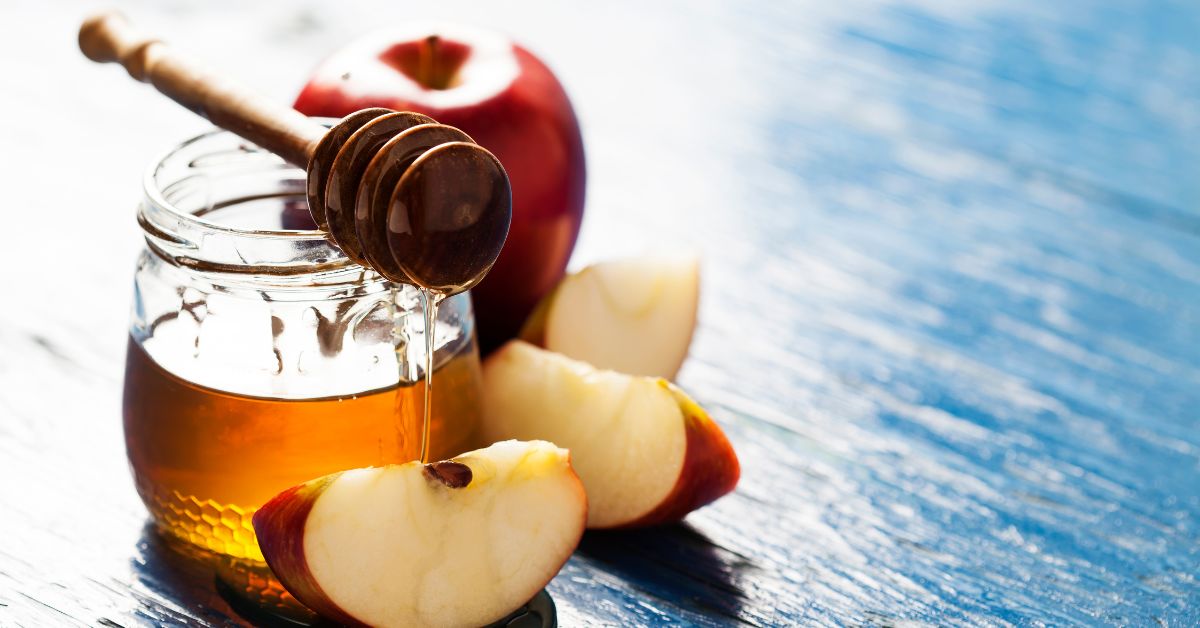
The Jewish High Holidays center around two significant observances:
Rosh Hashanah (The Jewish New Year):
It is marking the beginning of the year; Rosh Hashanah invites introspection and serves as a time to set intentions for personal and spiritual growth.
Yom Kippur (The Day of Atonement):
Yom Kippur focuses on repentance and forgiveness ten days after Rosh Hashanah. It is considered the holiest day in the Jewish calendar, observed with fasting, prayer, and communal reflection.
The High Holiday season also includes Sukkot (Festival of Booths), Shemini Atzeret (Eighth Day of Assembly), and Simchat Torah (Rejoicing in the Torah). These holidays encourage joyous celebration, spiritual reflection, and community connection.
The Role of Alcohol in Jewish Celebrations
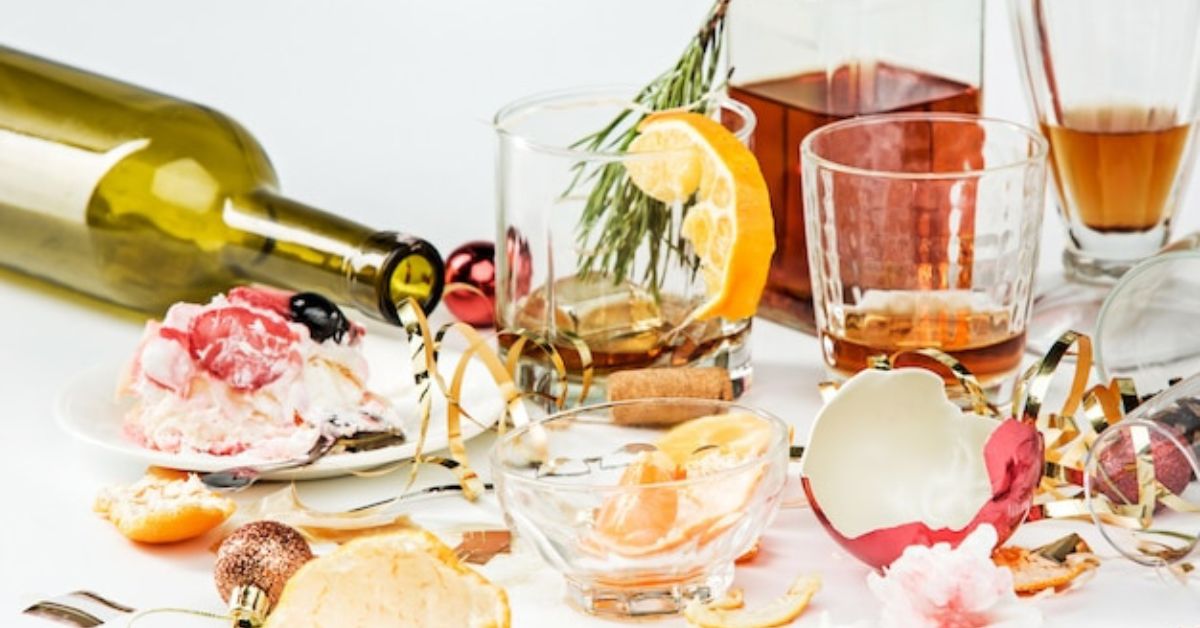
Alcohol is an important part of many Jewish celebrations. Wine holds a symbolic role in many Jewish rituals, such as the Kiddush blessing, which is recited during Shabbat and holiday meals. This is especially true during the High Holidays when meals with family and friends can lead to more drinking.
Also Read- The Role of Jewish Traditions in Keeping Your Sobriety Strong
You can honor Jewish customs without alcohol. Grape juice can be used instead of Wine in rituals like Kiddush. This lets people follow the tradition while staying committed to their recovery. The holidays are about reflection, prayer, and connection to God and community, not drinking. Some people believe Wine is essential, but it can cause distress. Working with professionals who understand Jewish tradition can help people who want to stay sober during the holidays.
The Importance of Jewish Sober Living
The holidays can be a great chance for people in recovery to deepen their spiritual practices and celebrate traditions. A Jewish Sober Living Centre offers a supportive environment where people can observe the High Holidays without the pressure of alcohol consumption.
How Jewish Recovery Centers Make a Difference

A Jewish Recovery Center, such as Rocklay, offers a unique approach to sobriety by integrating cultural and spiritual practices. We offer programs that are tailored to Jewish traditions to ensure that individuals can honor their faith while prioritizing their recovery.
- Culturally Sensitive Care: Jewish recovery centers provide to the specific needs of the community by incorporating kosher dietary practices and adherence to Jewish values.
- Spiritual Alignment: Recovery is based on the themes of the High Holidays, such as Teshuva (repentance) and renewal. These programs bring together prayer, studying the Torah, and meditation as part of the recovery process, which is a great way of looking at healing as a whole.
- Community Support: It is great to have people around you who get what you are going through and share your values. This shared connection is even more meaningful during the holidays when we celebrate unity, togetherness, and the strength of coming together as a community.
- Kosher Meals: These centers provide meals that follow the rules of Jewish dietary law, so it is easy for participants to keep up their religious observances.
- Spiritual Guidance: We make sure that participants get the guidance they need for their recovery and spiritual development by providing access to rabbis and spiritual advisors.
Tips for Celebrating the High Holidays Without Alcohol
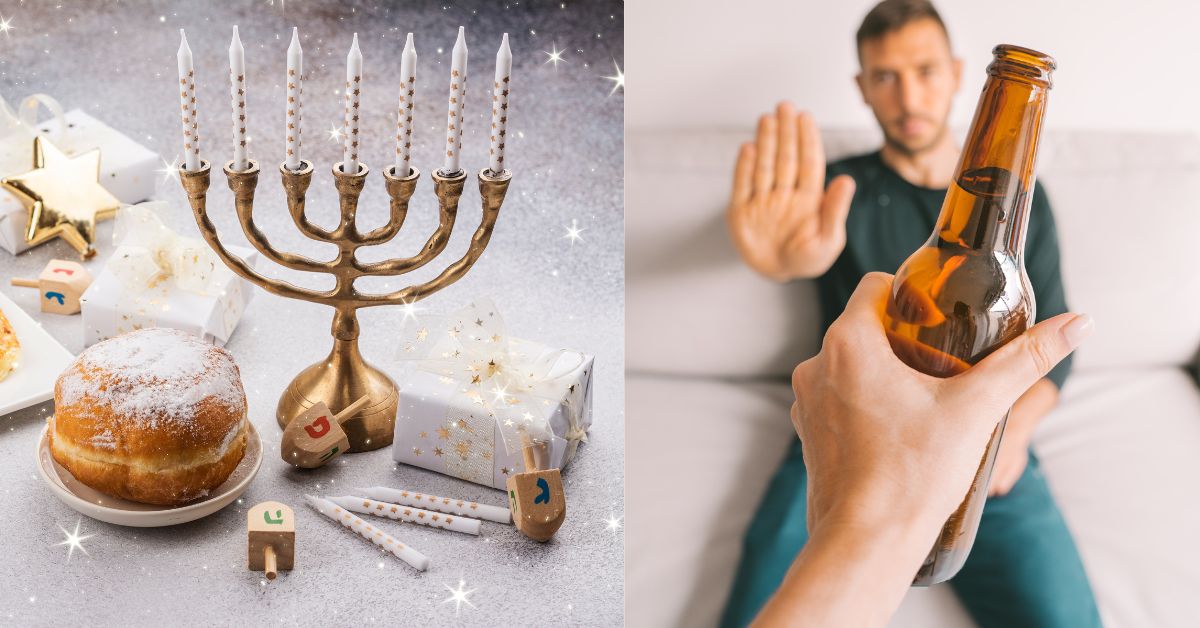
Choosing sobriety during the High Holidays does not mean sacrificing joy or connection. Here are practical tips for maintaining sobriety while fully embracing the holiday season:
- Plan Ahead: Planning ahead of the holiday season mean you can be better prepared for the season. You need to prepare for gatherings by bringing your own non-alcoholic beverages, such as grape juice or sparkling water. This ensures you feel included in the rituals without feeling pressured to drink.
- Set Boundaries: It is okay to step back. If certain environments or individuals threaten your sobriety, choose celebrations that respect your decision to remain sober or create new traditions with supportive friends and family.
- Focus on Spiritual Growth: Dedicate time to prayer, Torah study, and reflection. You can deepen the connection to your faith by centering your celebrations around the spiritual core of the holidays.
- Leverage Your Support Network: Stay in touch with your recovery community, whether that is through group therapy, one-to-one counseling, or speaking with a rabbi. Having a network that gets what you’re going through can give you a boost.
Conclusion
Avoiding alcohol during the High Holidays not only helps you to stay sober but also makes these special days even more meaningful. If you or someone you know is dealing with the difficulties of addiction, a Jewish & Kosher Sober Living Centre can offer the resources and support needed to stay sober while still celebrating traditions.
Programs designed for the Jewish community offer a safe and culturally sensitive space to heal. Sobriety during the High Holidays is not a limitation—it is an opportunity to deepen your faith and honor the core values of renewal and joy.
Start your journey to health and comfort at Rocklay Jewish Sober Living in Florida. Search us on Google to begin today.
Contact us now >> 561-917-8355


