


Jewish Sober Living in Florida: How a Jewish Relapse Prevention Plan Achieves Lasting Sobriety
April 7, 2026
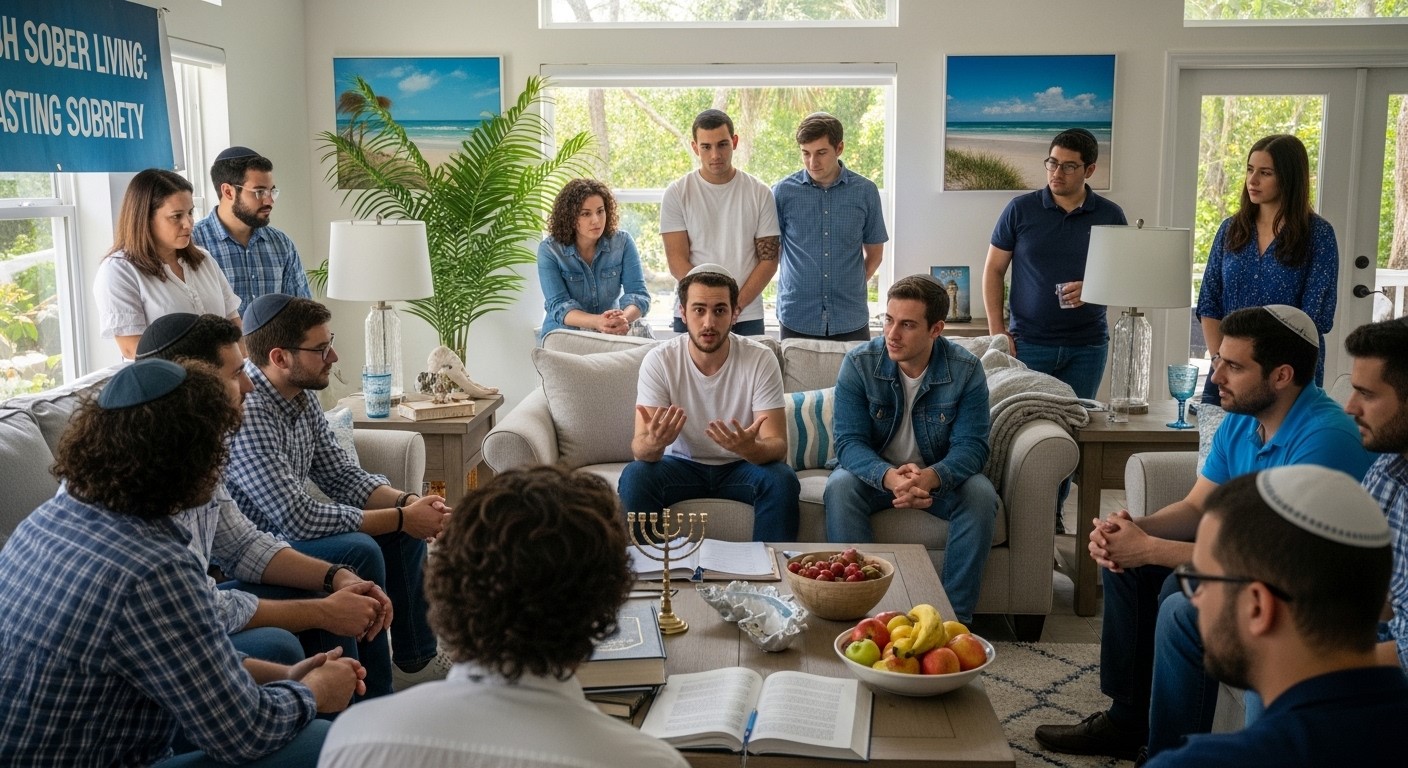
Recovery is usually more sustainable in an environment that embodies a person’s identity, values and daily living patterns. This is why Jewish sober living remains of interest to people seeking a more practical way forward. In Florida, where recovery housing and support services are widely available, culturally aligned sober homes can offer structure, belonging and emotional steadiness during a vulnerable stage of healing.
Defining Jewish Sober Living in a Recovery Setting
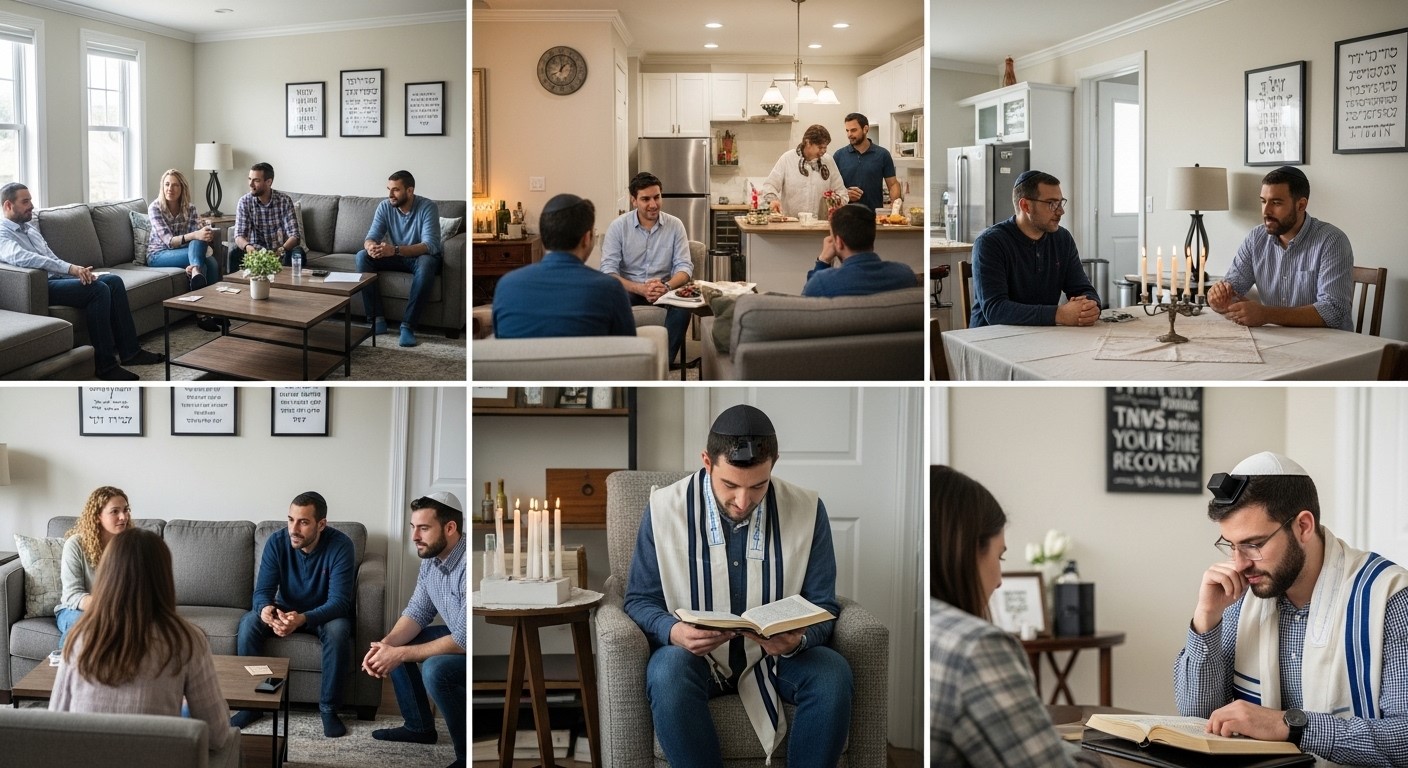
In its most basic form, Jewish sober living is designed as recovery housing that facilitates sobriety and honors Jewish traditions, values and community life. The residents are placed in a sober environment where they comply with house expectations and engage in routines supporting long-term recovery.
Such an environment can be very reassuring to a person who does not wish to feel that recovery is unrelated to faith, heritage or family culture.
How Faith, Tradition and Community Support Recovery
Shared practices often create a sense of stability that feels hard to replace. Shabbat meals, prayer, kosher living, holiday observance and familiar customs can bring comfort during a period that may otherwise feel uncertain or lonely.
Several benefits stand out:
- A stronger sense of identity during early recovery
- Less isolation and more peer connection
- Daily structure rooted in meaningful habits
- Greater motivation through shared values
- A community that understands the emotional side of recovery
Did You Know – Social isolation is one of the most common warning signs before relapse? A familiar spiritual and cultural environment can help reduce that risk early.
Jewish Sober Living vs. General Sober Houses in Florida
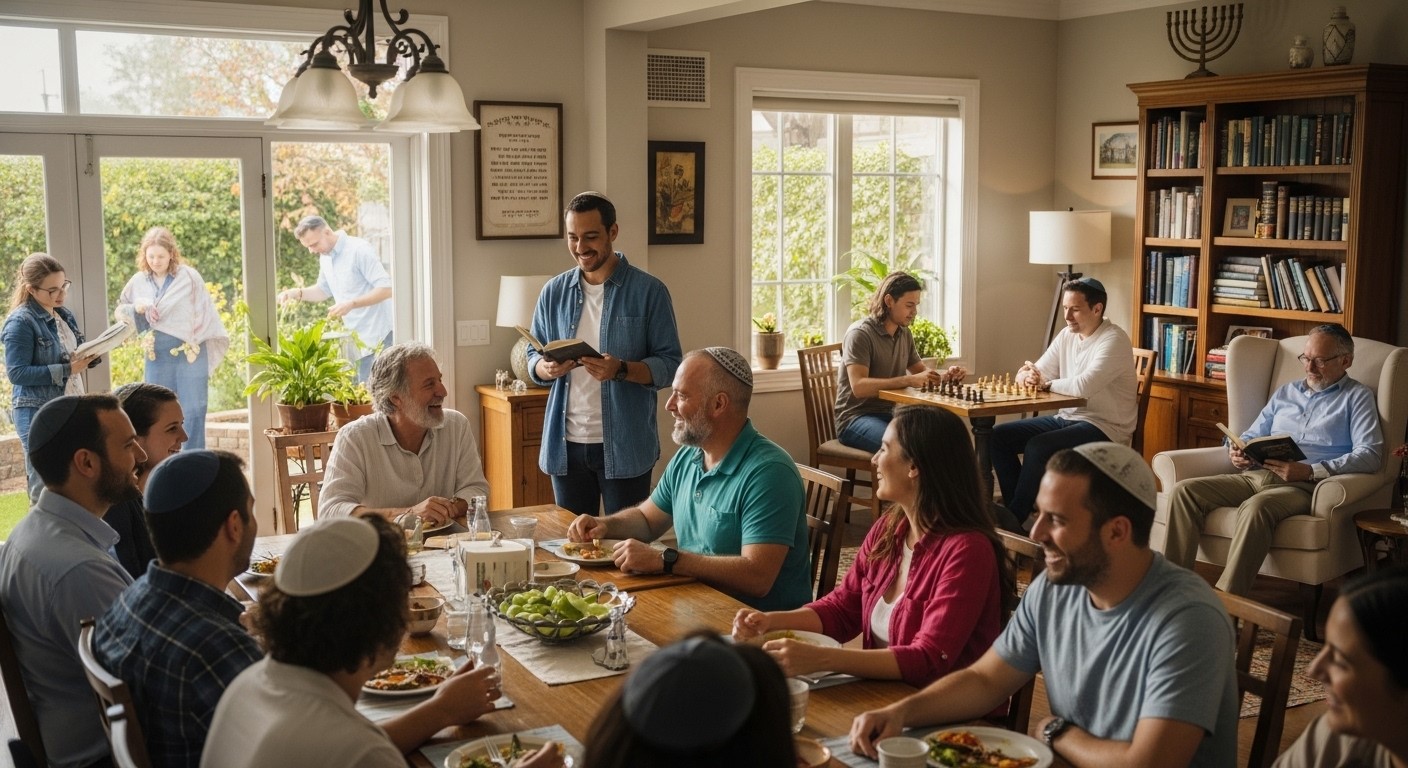
Many sober houses in Florida offer solid accountability and a stable place to live. A Jewish-centered home adds another layer of support by recognizing how culture, spirituality and tradition shape a person’s recovery experience.
That added support does not replace therapy, outpatient care or peer recovery work. It fits alongside those recovery tools and may help residents stay more connected to the process.
Why Florida Is a Popular Choice for Jewish Sober Living

Access to Established Recovery Communities
Florida remains a major destination for recovery because it offers a broad network of meetings, outpatient programs, recovery coaches and step-down housing. Someone leaving detox or a residential program often needs more than motivation alone. Continued support, accessible care and sober peers can make the next stage feel more manageable.
That is especially relevant for people stepping down post-rehab, where continuity between treatment and housing can support stronger outcomes.
The Advantages of Sober Living Facilities in Florida
Quality sober living facilities in Florida help bridge the gap between treatment and independent life. Residents gain more freedom than they would in rehab, but they still live within a framework built around recovery.
Typical features include:
- House rules and curfews
- Drug and alcohol testing
- Shared accountability
- Meeting attendance expectations
- Peer support and daily routine
Areas such as sober living Palm Beach County are often attractive as residents can stay close to recovery resources while gradually transitioning to everyday life.
Climate, Routine and Environment in Early Recovery
A new environment can support a new pattern of living. Distance from old triggers, combined with a calmer daily routine, often gives people more room to focus on sleep, work, exercise, meetings and emotional regulation. Small habits repeated consistently tend to matter more than dramatic changes.
How a Jewish Relapse Prevention Plan Supports Lasting Sobriety

What a Relapse Prevention Plan Should Include
A strong relapse prevention plan needs to be realistic and personal. General advice rarely works unless it connects to daily life.
Core elements often include:
- Personal triggers and high-risk situations
- Coping strategies for stress and cravings
- Emergency contacts
- A meeting or therapy schedule
- Wellness habits such as sleep, nutrition and exercise
- Clear steps to take after a setback or warning sign
Recovery becomes more stable once a person knows what to do before a crisis grows.
Integrating Jewish Values into Daily Recovery
Jewish values can bring depth and consistency to a relapse prevention plan. Reflection, gratitude, personal responsibility, service and honest self-assessment all support recovery in practical ways.
Some people find strength in prayer or study. Others reconnect through acts of service, family repair or quiet spiritual reflection. In Jewish Rehab settings, those practices can reinforce discipline and meaning.
Building Accountability Through Community and Structure
Long-term sobriety rarely develops in isolation. Rabbis, sponsors, house managers, mentors and sober peers each contribute something important. One person may notice mood changes. Another may challenge avoidance. A trusted community can interrupt the slide toward relapse before substance use begins.
Preventing Emotional, Mental and Behavioral Relapse
Relapse usually starts well before drugs or alcohol reappear. Emotional exhaustion, irritability, secrecy, skipped meetings and withdrawal from others often show up first. Daily check-ins can help people catch those patterns early and respond with honesty rather than denial.
Who Can Benefit Most from Jewish Sober Living in Florida?

Individuals Seeking Recovery in a Culturally Familiar Environment
Some individuals feel safer and more open in a space that respects their spiritual background and daily practices. Familiarity can lower stress and make recovery feel more personal.
People Transitioning from Detox, Rehab or PHP/IOP Care
A sober living space can serve as a bridge between intensive treatment and independent life. That transition period often calls for structure, support and steady accountability.
Families Looking for Safe, Structured Sober Houses in Florida
Families comparing sober houses in Florida usually want the same essentials – safety, routine, communication and a clear recovery plan. House rules, relapse protocols, staff involvement and connection to outpatient care all deserve close attention.
Conclusion – Choosing the Right Path to Jewish Sober Living in Florida
Individuals seeking Jewish sober living, post-rehab often receive a recovery journey that honors clinical requirements as well as individual values. Identity, accountability, routine and a relapse prevention plan that is practical in day to day life can be provided by the right setting.
People searching for Jewish sober living often benefit from a recovery path that respects both clinical requirements as well as individual values. Rocklay Recovery offers a thoughtful option for individuals and families seeking structured, culturally aware support in Florida.
Ready to move toward a more stable and meaningful recovery experience? Connect with Rocklay Recovery today.
FAQs
1. What is Jewish sober living and how does it help with recovery?
It is sober housing that supports abstinence while honoring Jewish values, traditions and community, which can strengthen belonging and routine.
2. What are the benefits of choosing Jewish sober living over general sober houses in Florida?
A Jewish-centered setting can offer cultural familiarity, spiritual connection and shared understanding alongside standard recovery structure.
3. How do sober living facilities in Florida help prevent relapse after rehab?
They provide rules, accountability, peer support and daily routine, all of which help residents practice recovery skills outside treatment.
4. Who is the best fit for Jewish sober living in Florida after detox or residential treatment?
People who are medically stable, motivated to stay sober and looking for structure plus cultural support often benefit most.
5. What should families look for when comparing sober living in Florida for a loved one in recovery?
Families should review house rules, staff involvement, relapse policies, safety standards and access to outpatient care or meetings.
Key Takeaways
- Jewish sober homes combine accountability with cultural and spiritual familiarity.
- Florida offers strong recovery networks and a wide range of housing options.
- Relapse prevention works best when it is practical, personal and consistent.
- Community support can help identify warning signs before relapse escalates.
- Families should look for structure, safety and continuity of care.


