


Jewish Sober Living in Florida: Kosher Housing, Daily Structure, and Support Post Rehab
September 18, 2025
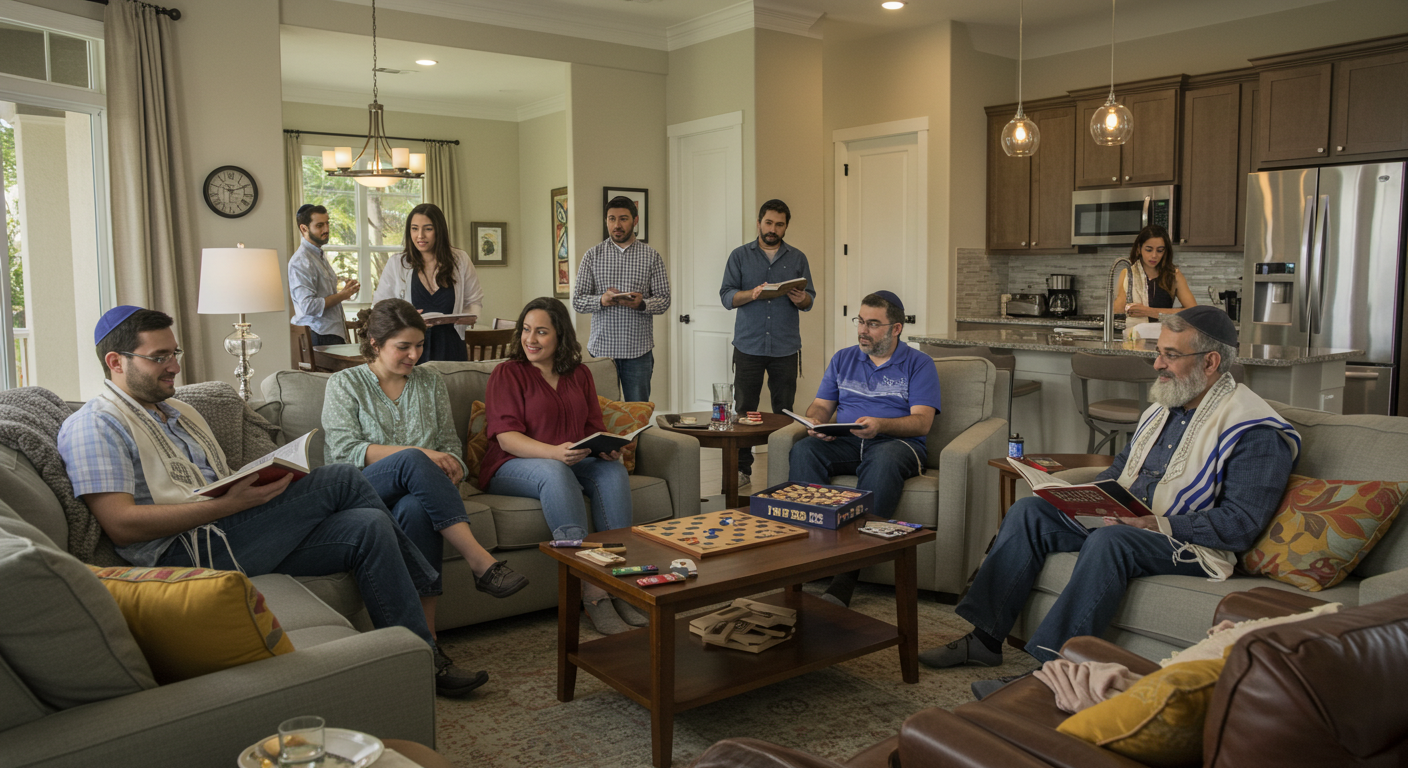
Transitioning from treatment to everyday life is the most fragile phase of addiction recovery. The National Institute on Drug Abuse notes that 40–60% of people experience relapse in early recovery, making structured housing and community a practical necessity. Jewish sober living in Florida bridges the gap by providing faith-aligned recovery housing that stabilizes life after recovery by combining kosher standards, daily structure, and peer accountability within supportive homes and communities.
Additionally, peer‑reviewed research on sober living shows statistically significant improvements in abstinence and functioning at 6 and 12 months, highlighting the value of structured recovery housing during re-entry to independent living.
What Jewish Sober Living in Florida Looks Like Day-to-Day?
Jewish sober living in Florida upholds Kosher standards, which in practice typically cover food sourcing, preparation, and storage with separate utensils and cookware to maintain kashrut in shared kitchens. Homes also set clear guidelines for Shabbat and holiday observance, respecting different levels of practice while keeping the house culturally aligned. Typical house structure features curfews, UA/BA testing, meeting attendance requirements, completing daily chores, house meetings, and documented progress checks to create consistency, reinforce accountability, and reduce relapse risk during high‑transition periods.
Programs with Jewish focus facilitate individual case management that respects religious practices, reinforcing a faith-based routine that supports daily stability and recovery goals.
How It Complements a Jewish Drug Rehab Program?
Sober living provides housing, peer accountability, synagogue access, and routines that extend gains made in clinical treatment, while licensed providers continue therapy and medical care in a coordinated step‑down continuum for stronger outcomes.
For those transitioning after a Jewish drug rehab program, kosher‑compliant homes and culturally sensitive routines reduce friction between faith and recovery tasks, helping residents sustain change while reconnecting with community life.
Florida Locations That Strengthen Recovery
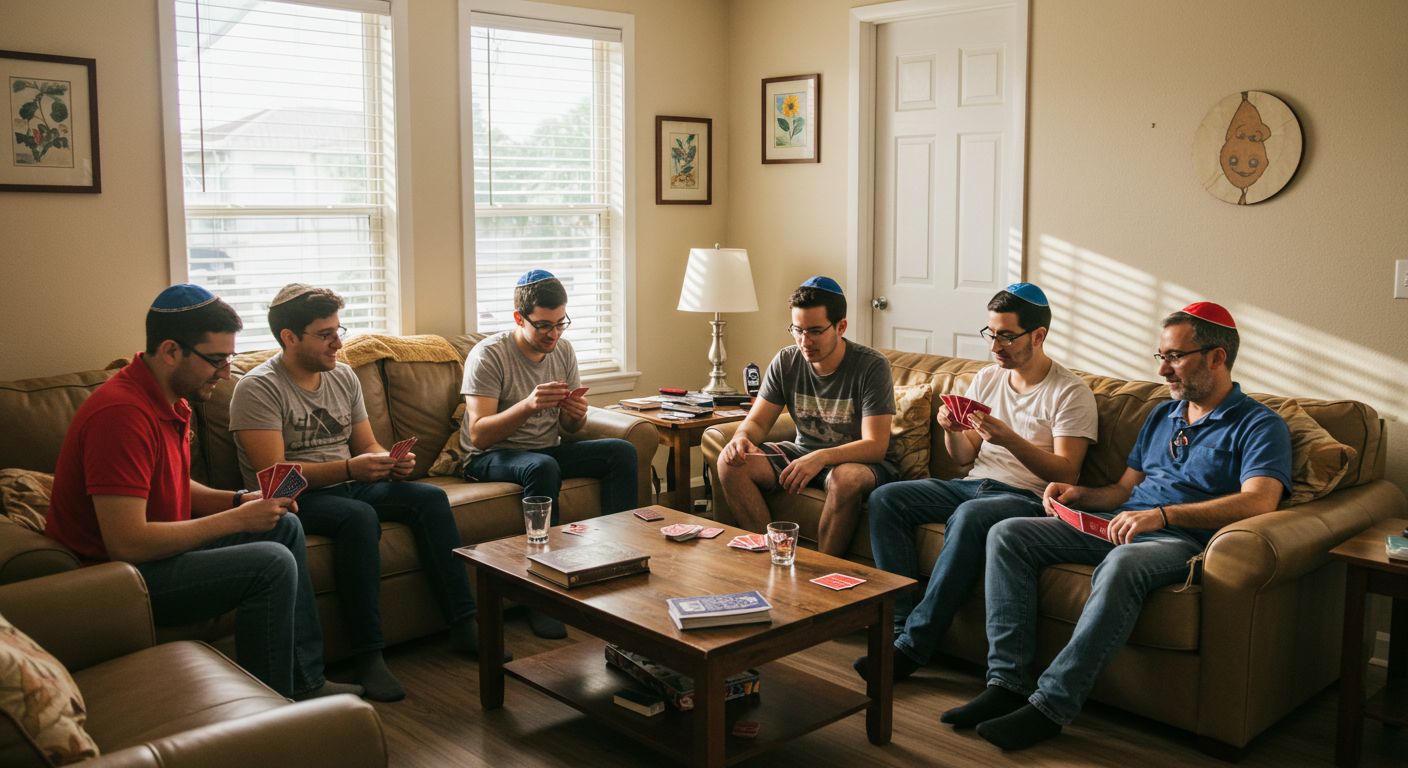
Delray Beach and South Palm Beach County offer a dense recovery ecosystem with abundant 12‑Step and alternative meetings, recovery-friendly employers, and community services that reduce isolation and support daily structure for residents. Convenient transportation, Jewish community centers, and steady year-round conditions make it easier to keep routines and access support for successful sober living. Residents specifically seeking Jewish sober living in Delray Beach benefit from community familiarity with recovery needs and culturally aligned networks that can smooth the transition into local life.
Those exploring Jewish sober living in Boynton Beach similarly gain from broader South Palm Beach resources while staying connected to a faith-aware environment and regional meetings. Because Jewish sober living in Florida is embedded in a statewide recovery hub, residents can scale clinical supports while maintaining structure in housing as needs change.
Admission Readiness and Resident Expectations
Readiness signals include meeting initial sobriety benchmarks, agreeing to testing and meeting schedules, and demonstrating a genuine commitment to house rules that support safety and cohesion.
Residents are expected to follow routine, pursue job or school goals, complete chores, and honor kosher and cultural practices.
Choosing a Jewish Sober Living Home: A Practical Checklist
- Kosher Compliance and Cultural Fit: Confirm kitchen standards, labeling, supervision, Shabbat sensitivity, and holiday observance policies in writing before admission to avoid conflicts or confusion.
- House Leadership and Safety: Look for present managers, clear testing routines, visitor and curfew rules and incident response protocols.
- Daily Life Integration: Ask about job search help, scheduling structure and integration with local recovery groups and Jewish resources that reinforce routine and community.
- Faith Alignment: Ensure expectations around prayer, learning, and synagogue involvement are transparent and voluntary or required as appropriate to the residence model being offered.
- Local Access: Assess commute times to meetings, care providers, and work to reduce friction that can disrupt momentum during early stabilization phases.
Measuring Progress and Maintaining Accountability
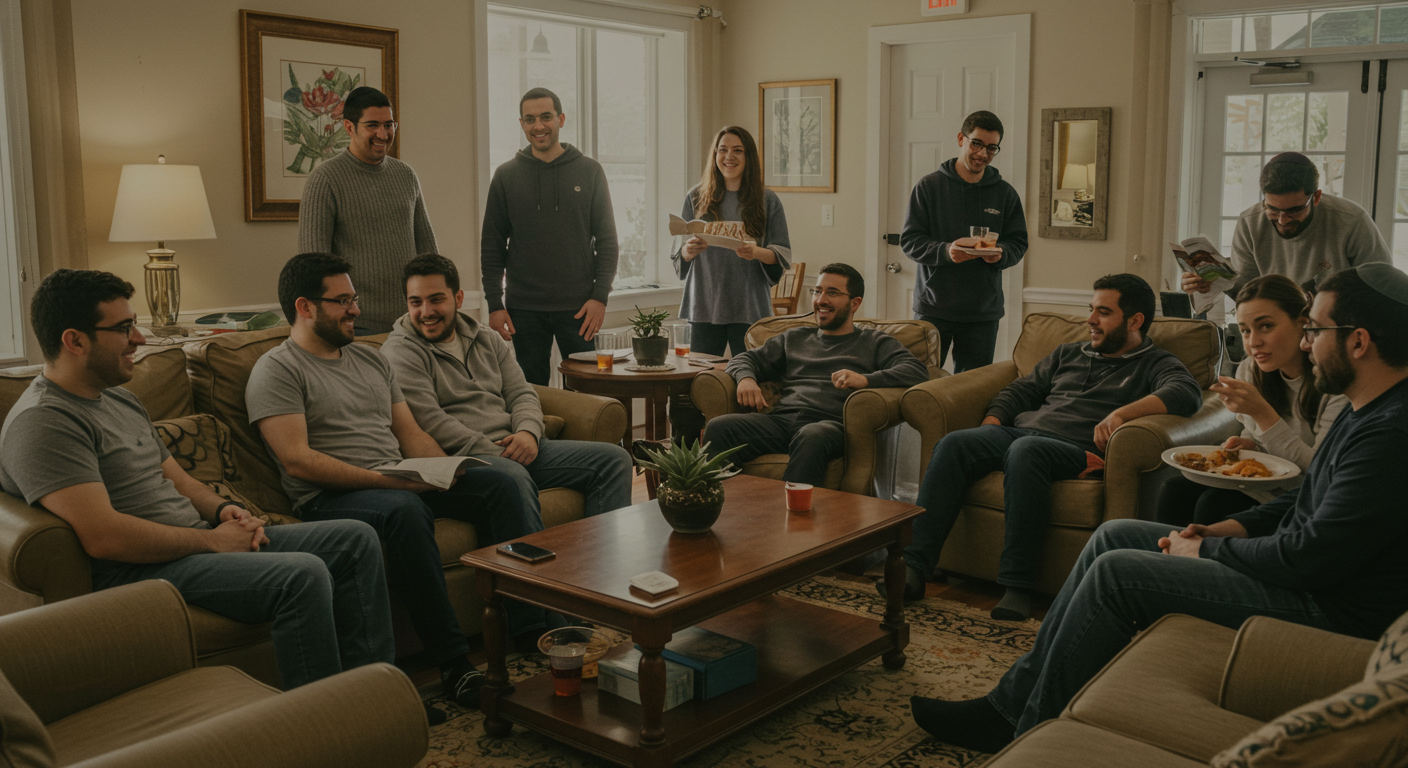
Track clear markers like meeting attendance, clean drug and alcohol screens, progress in school or work, and house feedback to show momentum and guide next steps. Implement house journals and short weekly goal reviews to build habits and catch issues early for timely support.
Broad research on sober living links structured housing plus community accountability with sustained improvements in substance use, employment, and legal outcomes over 6–12 months, validating these practical measures.
Conclusion
Jewish sober living in Florida helps extend the gains made in a Jewish drug rehab program by embedding kosher standards, daily structure, and peer accountability within a robust regional recovery network in Delray Beach and South Palm Beach County.
For culturally aligned, faith-based sober living that emphasizes routine, accountability, and community support,Rocklay Recovery offers values‑driven residences in Florida designed to sustain long‑term stability and growth while honoring Jewish traditions.
Start Your Recovery in a Kosher, Supportive Home!
Contact Rocklay Recovery to check openings and begin your structured, values‑driven recovery path.
FAQs
1. How does Jewish sober living differ from a Jewish drug rehab program?
Sober living is structured housing with routines and peer accountability whereas a Jewish drug rehab program provides licensed clinical services and medical oversight.
2. Do residents have to keep kosher or observe Shabbat?
Policies vary by home, so confirm kosher kitchen standards, Shabbat expectations, and holiday observance in writing to ensure a good fit with personal practice, expectations and comfort.
3. How long is the typical stay in a Jewish sober living home?
The length of stay in a Jewish sober living home depends on individual progress, with residents often staying until stable routines, employment or school milestones, and community supports are firmly in place.


