

Finding Purpose and Peace – A Guide to Jewish Sober Living in Florida
July 27, 2026
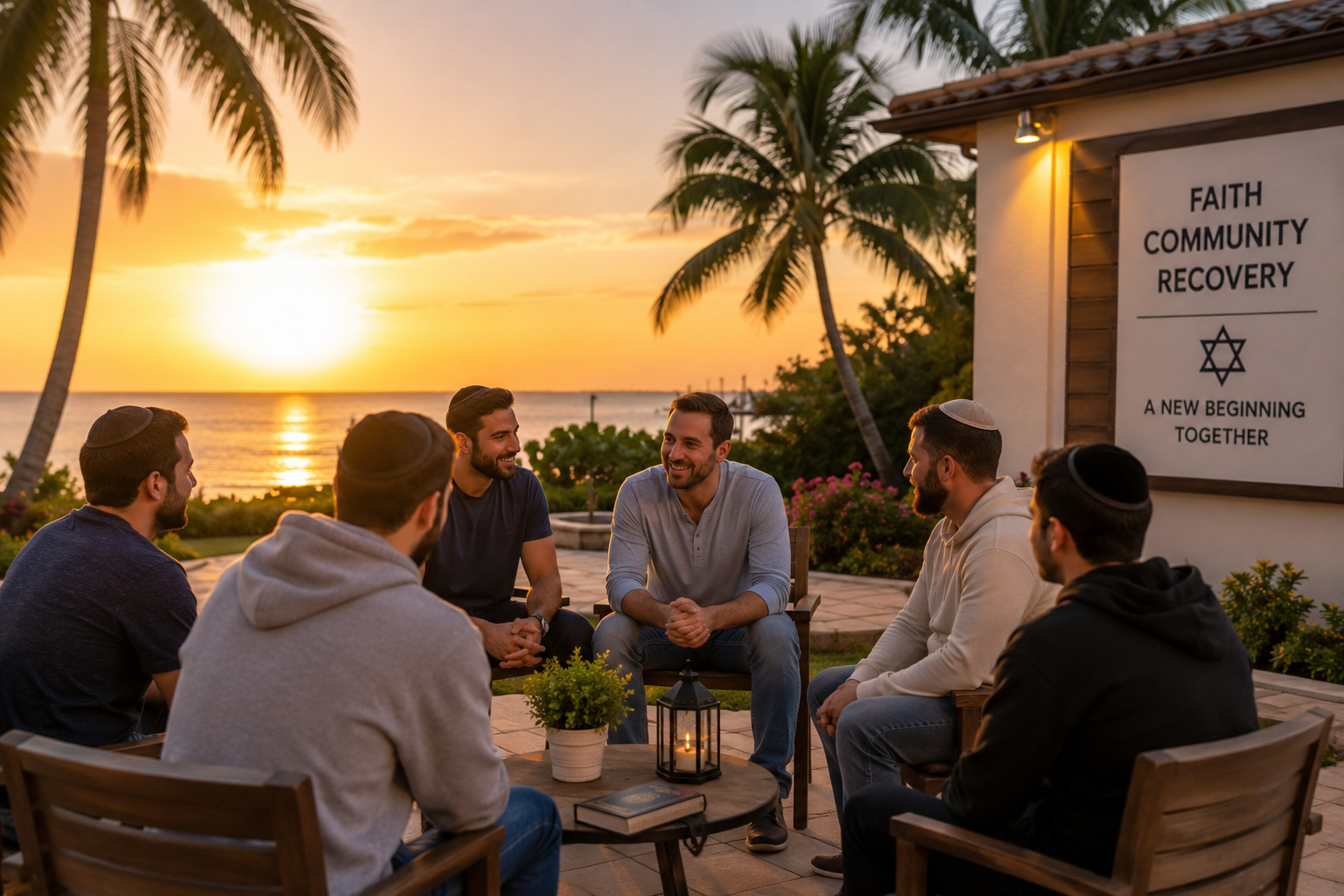
Stepping out of an inpatient facility and back into the rhythms of everyday life is a monumental milestone — one that often brings a mix of profound hope and quiet anxiety. Re-entering society without a safety net can be overwhelming — which explains why transitioning into a structured residential community is often the most critical phase of the recovery journey.
Entering Jewish sober living in Florida provides many individuals the exact blend of accountability, spiritual grounding, and community needed to turn fragile newly found sobriety into a lifelong foundation.
Jewish Sober Living in Florida – The Bridge Between Treatment and Real Life
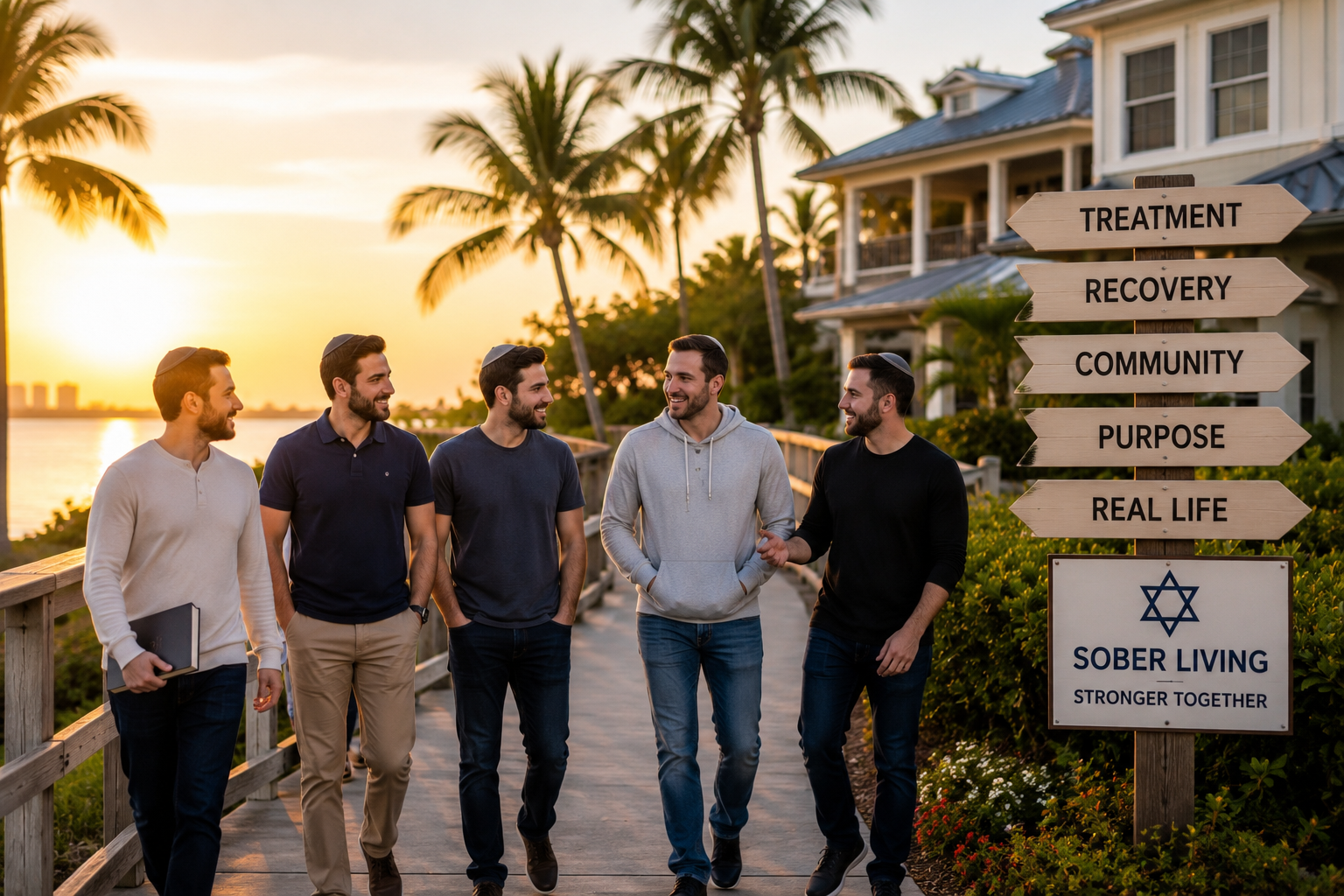
Life after clinical care is not merely about abstaining from substances; it is about completely rebuilding your habits, routines, and mindset. Individuals in recovery receive the time and space to practice coping mechanisms in real-world scenarios while they remain shielded from extreme triggers through living in a shared, structured environment.
This is where Jewish Sober Living in Florida offers the right support for individuals looking to make a seamless transition to everyday life.
Structure and Accountability – The Foundation of Healing
Chaos and unpredictability are often hallmarks of active addiction. Establishing a predictable, structured environment serves as the first order of business in any recovery home. People stepping down from a secular program or a dedicated Jewish rehab will find that communal living requires mutual respect and adherence to house guidelines.
These rules are not designed to stifle freedom — they exist to create a secure harbor where true healing can take place. Residents can expect a framework built on the following pillars:
- Zero-Tolerance Policies – Maintaining a drug and alcohol-free environment is paramount. Regular, randomized testing secures the physical safety of the entire household and builds a culture of absolute transparency.
- Shared Responsibilities – From maintaining common areas to rotating kitchen duties, chore systems teach essential discipline. Taking pride in one’s living space translates directly to taking pride in one’s personal recovery.
- Curfews and Routine – Regulating sleep schedules and verifying residents are home at a safe hour helps reset the body’s internal clock, reducing the late-night restlessness that often leads to relapse.
Active participation in the shared social contract helps the house stop being just a temporary living situation and transforms it into a vital support system.
What to Expect from Jewish Sober Living in Florida
Recovery is an incredibly personal experience, and healing the physical body is only half the battle — the soul requires nourishment, too. Jewish sober living in Florida merges the proven principles of long-term addiction recovery with the rich traditions and spiritual scaffolding of a kosher lifestyle. Combining these elements creates an environment of profound cultural belonging. The daily routine naturally aligns with mindfulness and faith inside these specialized kosher recovery homes. Meals are prepared according to dietary laws, turning the simple act of eating into a mindful practice of intention and self-respect.
Furthermore, the observance of Shabbat offers a mandatory, beautiful pause at the end of the week — a time to disconnect from the chaos of the modern world, reflect on the week’s progress, and connect deeply with peers.
What Makes South Florida a Sought-after Choice

Because South Florida is a major hub for recovery, individuals have access to incredible local resources. Residents utilizing Jewish sober living in Delray Beach or attending support meetings near sober living Boynton Beach are surrounded by a vibrant, robust community of like-minded individuals.
The regional density of faith-based addiction recovery Florida programs means that residents never have to look far for a culturally aligned sponsor, a specialized therapist, or a welcoming synagogue.
Navigating the Real World – Vocational Training and Financial Literacy
Transitioning back to the workforce is one of the most daunting but essential steps in the recovery process. While emotional and spiritual healing are prioritized, practical life skills are equally critical for sustained independence. A major gap in early recovery is often the lack of financial literacy and vocational stability — areas that may have been severely neglected during active addiction. Quality residential programs actively encourage residents to rebuild these neglected aspects of their lives systematically.
The focus shifts toward outward independence during the later phases of a resident’s stay. The transition phase typically includes the following milestones:
- Employment Integration – Residents are encouraged to seek part-time or full-time work, volunteer, or enroll in educational courses. Learning to handle workplace stress without turning to substances is a vital, practiced skill.
- Budgeting and Financial Planning – Relearning how to manage a paycheck, pay rent on time, and budget for groceries helps residents regain their dignity and financial autonomy.
- Time Management – Balancing a job with mandatory house meetings, therapy, and 12-step commitments teaches residents how to effectively manage their time without becoming overwhelmed.
Practicing essential life skills within the safety of a residential community helps individuals build the necessary confidence to eventually sign their own leases and thrive independently.
Emotional Resilience, Therapy & Peer Support
Triggers and intense cravings are a natural part of the recovery process, even alongside the best structure. The true magic of residential recovery lies in the immediate availability of peer support. Facing a difficult day does not mean a resident is isolated in an empty apartment.
Group dynamics play a massive role in emotional regulation, and daily house meetings and participation in Jewish 12-step programs allow residents to voice their struggles and share their victories. Conflict resolution is handled communally, teaching residents how to communicate their needs healthily and assertively, and mentorship is highly encouraged.
Partnering with a sponsor or leaning on senior house members provides a vital sounding board. The peer dynamic often evolves into lifelong fellowship in the context of Jewish sober living in Florida, making certain that long after a resident moves out, they retain a network of brothers or sisters who are deeply invested in their ongoing success.
Embracing A Brighter Future with Rocklay Recovery
The journey from addiction to lasting health is a marathon, not a sprint, and you do not have to run it alone. Bridging the gap between clinical treatment and full independence requires a community that honors both your recovery needs and your cultural values. Jewish sober living in Florida offers precisely that — a compassionate, culturally rich space where your spirit and body can heal in tandem.
As a transformative recovery residence, Rocklay Recovery serves as a haven of serenity for individuals looking for a new beginning. Rocklay sober living merges the principles of sobriety with a kosher lifestyle, providing the spiritual strength and structured support needed for holistic healing.
Contact Rocklay Recovery today for a free, confidential consultation and step into a brighter, healthier tomorrow!
FAQs
1) What is a kosher sober living home?
It is a structured residential recovery environment that integrates evidence-based sobriety practices with Jewish traditions, including adherence to kosher dietary laws and Shabbat observance.
2) Are residents allowed to work while living in the home?
Yes, residents are highly encouraged to work, volunteer, or attend school, as reintegrating into the workforce helps build financial literacy, time management, and everyday life skills.
3) How are relapses handled in sober living communities?
Safety is the priority; therefore, failing a random drug or alcohol test typically requires a resident to leave the home immediately and often results in a referral to a higher level of clinical care.
4) Do I need to have completed a Jewish rehab to join?
No, many transition from faith-based clinical programs, but individuals from secular treatment centers are completely welcome provided they are willing to respect and participate in the cultural guidelines of the house.
5) What makes sober living different from rehab?
Clinical rehab provides intensive, highly supervised medical and psychological treatment, whereas sober living offers a transitional, peer-supported environment where individuals can practice independence while maintaining strict accountability.
Key Takeaways
- Jewish sober living in Florida bridges the gap between treatment and independent living by providing a safe, structured, and substance-free environment.
- Daily routines, curfews, shared responsibilities, and accountability help residents rebuild discipline, confidence, and healthy habits.
- Kosher living, Shabbat observance, and Jewish traditions provide spiritual grounding and strengthen cultural connection throughout recovery.
- Peer support, therapy, mentorship, and recovery meetings help residents manage cravings, resolve conflicts, and build emotional resilience.
- Vocational training, budgeting, and time-management support prepare residents to return to work and live independently.
- Rocklay Recovery combines structured sober living with Jewish values, helping individuals build a stable foundation for long-term sobriety.


