

Sober Living in Boynton Beach: What Helps Residents Stay Focused on Long-Term Recovery?
August 25, 2026
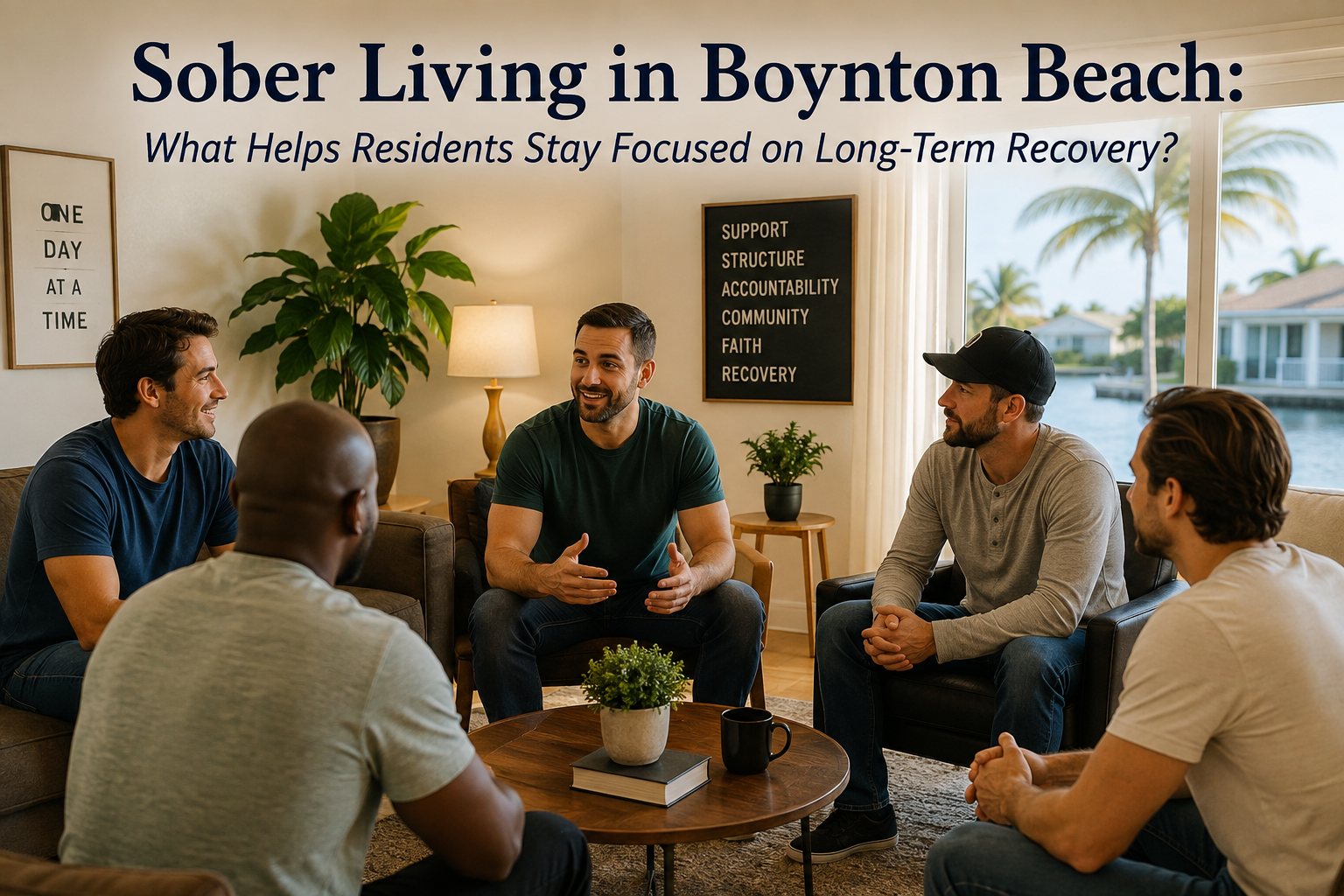
Leaving early treatment and stepping back into everyday life is rarely smooth. A structured environment effectively bridges that massive gap. Finding reliable sober living in Boynton Beach gives individuals a rock-solid foundation to rebuild from the ground up. The right setting provides strong accountability, peer support, and clear boundaries during those vulnerable early days. It hands residents a genuinely safe space to test out new coping skills far away from old triggers.
Relapse prevention takes a lot more than sheer willpower. It demands a dedicated community and daily habits that lock in positive choices. That crucial transition phase largely dictates the trajectory of long-term sobriety. This guide covers the core parts of sober housing, the daily routines that build resilience, and the steps needed to stay on track.
Core Benefits of Sober Living in Boynton Beach
Moving into a recovery residence brings real stability when it matters most. Residents suddenly find themselves living alongside people chasing the same goals and fighting the same battles. That shared grind completely strips away the deep isolation people usually feel in early recovery.
Did you know?
Individuals who commit to at least six months inside a structured sober living home experience significantly higher rates of long-term abstinence than those rushing straight back home.
A rigid schedule cuts out idle time. Idle time is exactly what fuels intrusive thoughts and intense cravings. A packed daily routine keeps residents using their time productively. Here is what residents actually get out of this setup-
- Round-the-clock peer support from fellow housemates
- Strict, mandatory drug and alcohol screening for ultimate safety
- Direct oversight from battle-tested house managers
- A totally substance-free zone to practice basic life skills
- Hands-on help with securing steady local jobs
Finding the Right Sober Living Housing Near You
Picking the right facility takes serious vetting. A quick online search for sober living housing near me pulls up dozens of results almost instantly. But you cannot expect every single home to operate with the same standard of care. Vetting these places takes actual effort.
A poorly managed property can absolutely derail your progress. You need a place that enforces the rules consistently and puts resident safety above everything else. Top-tier homes never compromise their standards.
Keep these exact factors in mind when sizing up local options-
- Proper Licensing- Double-check that the property meets all state or local recovery housing standards.
- House Rules- Review curfews, guest policies, and weekly meeting requirements.
- On-Site Staff- Confirm a house manager actually lives on the property to handle late-night emergencies.
- Proximity- Map out the distance to bus stops, job centers, and outpatient clinics.
- Testing Protocols- Ask point-blank how often they run random drug screenings.
And a trustworthy operation always operates with total transparency. They expect tough questions from applicants and their families. Using Florida addiction recovery housing search strategies makes it easier to filter out bad actors and find a solid fit.
Why Choose Sober Living in Florida?
 South Florida is basically ground zero for addiction treatment. The sheer volume of resources makes sober living in Florida incredibly effective for many people. The climate and coastal environment also naturally push people toward a healthier, more active lifestyle.
Here is exactly why this specific region stands out so much-
- Massive Meeting Density- You can easily find hundreds of support groups running every single week.
- Forgiving Job Market- Local businesses are highly accustomed to hiring people actively working a program.
- Built-In Networks- Most treatment centers maintain huge, active alum groups for constant support.
- Outdoor Lifestyle- Having immediate access to the beach and local parks makes physical fitness much easier.
A strong local community acts like a giant safety net. When a resident hits a rough patch, they instantly have access to people who know exactly what that pain feels like.
Exploring Alternative and Specialized Care
Different people need different approaches to stay focused. While a standard home works for most, others need specialized care to make it work. Exploring every available option gives you the best shot at lasting success.
The Role of a Halfway House in Delray Beach
Some situations require much heavier supervision. Moving into a halfway house in Delray Beach usually means residents have to attend specific day programs or intensive outpatient sessions. These spots essentially act as a direct step down from a residential inpatient center. They run on a highly restrictive schedule. This kind of intense structure works perfectly for individuals who tend to slip up when given too much free time in a standard sober home.
Benefits of a Jewish Rehab Program
Cultural and spiritual alignment plays a massive role in recovery outcomes. Committing to a Jewish rehab or a culturally specific track gives people a deeply familiar framework for putting the pieces back together. These specialized programs blend clinical practices with faith-based traditions, kosher dietary laws, and strict Sabbath observance. Connecting back to faith gives many residents a profound sense of accountability and purpose.
Checklist: Steps to Maintain Focus in Recovery
 Staying completely on track boils down to intentional daily action. The most effective structured sober living environments practically force residents to adopt a rigid personal routine. Run through this step-by-step checklist to build real, lasting resilience.
Step 1: Lock Down a Morning Routine
Wake up at the same time every single morning. Make the bed, do a quick meditation and mentally map out the next 24 hours.
Step 2: Hit Required Meetings
Lock in a specific number of groups to attend every week. Showing up consistently builds a heavy network and forces the brain to stay dialed into recovery principles.
Step 3: Get to Work
Find a paying job or lock in a solid volunteer gig. Putting in a hard day’s work rebuilds shattered self-esteem and acts as a massive distraction from random cravings.
Step 4: Use a Sponsor
Talk to a sponsor every single day. Getting honest about the small stuff keeps minor resentments from blowing up into full-blown relapses.
Step 5: Handle the Money
Draw up a basic, no-nonsense budget. Paying rent on time and covering personal expenses builds real independence.
Step 6: Wind Down Properly
Shut off the screens an hour before bed. Think about the day’s wins, jot down a few things to be grateful for, and get to sleep on time.
Daily Routines and Accountability
Routines are the glue that keeps early recovery intact. When someone first moves into sober living in Boynton Beach, the house schedule naturally dictates a huge chunk of their day. But personal accountability has to kick in when the house manager isn’t looking.
Cementing actual long term sobriety strategies comes down to doing the right thing on a Tuesday afternoon when nobody is watching. Motivation always fades. Discipline is what keeps you sober when that motivation completely tanks.
Residents build that tough discipline by-
- Knocking out daily chores without needing a reminder
- Taking personal hygiene and physical health seriously
- Cooking real food instead of hitting the drive-thru every night
- Handling housemate arguments without losing their temper
- Giving roommates their space and respecting their property
Plus, sharing a house with strangers forces you to learn basic tolerance. Figuring out how to set firm boundaries without being a jerk is a massive win in personal growth.
Overcoming Triggers in Early Recovery
Triggers are going to happen. The objective isn’t to hide from the real world forever. The goal is to build a toolkit heavy enough to handle extreme stress without picking up a drink. Top-tier Boynton Beach recovery programs drill trigger management into their residents every single day.
Money problems. Fighting with family. Sheer boredom. These usually top the trigger list. A recovery house acts as a thick buffer zone against that noise.
Here is exactly how successful residents handle the tough moments-
- Immediate Action- Dialing a sponsor or a roommate the second a craving hits.
- Physical Movement- Walking out of the room or hitting the gym to break a negative thought loop physically.
- Playing It Out- Honestly visualizing the absolute disaster that will happen if they decide to use.
- Double Dipping- Hitting an extra meeting to vent about whatever is dragging them down.
The thing is, a craving loses almost all its power the second you talk about it out loud. Keeping secrets is hands down the fastest way to relapse.
Building a Lifelong Support System
Nobody stays clean entirely on their own. Making this stick for years depends on the network you build during those first twelve months. Sober living in Boynton Beach is the ultimate training ground for building healthy relationships.
People finally figure out how to trust others. More importantly, they learn how to become trustworthy themselves.
A rock-solid support system looks like this-
- House managers offering blunt, objective advice
- Sponsors dragging residents through step work
- Therapists digging into the heavy mental health stuff
- Alums showing up to prove long-term sobriety is actually real
- Family members finally learning how to set healthy boundaries
And fixing the wreckage of the past takes a very long time. Leaning hard into the immediate house community lets people heal without rushing the process. Maintaining focus in recovery means knowing exactly who to call when life throws a curveball.
Key Takeaways
- Structured housing delivers mandatory accountability and slashes the odds of an early relapse.
- Strict routines kill off idle time and replace it with actions that build genuine self-worth.
- Living in a dense recovery hub gives you immediate access to hundreds of crucial support groups.
- Picking a safe facility means aggressively checking their licensing, rules, and management style.
- Surrounding yourself with the right peers and mentors is the only way to make sobriety stick.
Final Words
Walking away from addiction and stepping into a completely clean life takes serious guts, iron discipline, and the absolute right environment. Sober living in Boynton Beach delivers that exact mix of rigid structure and tight-knit community needed to turn early recovery into a permanent lifestyle. By respecting house rules, grinding out daily routines, and trusting the people around them, residents build a rock-solid foundation that holds up against real-world pressure.
If you are ready to make a serious change and secure a supportive environment, reach out to the team at Rocklay Sober Living today to find a housing setup that matches your specific needs.
FAQs About Sober Living in Boynton Beach
Q1: How long do people usually stay in a sober living home?
Most residents stick around for six to twelve months to really lock in their foundation.
Q2: Are residents allowed to have cell phones and cars?
Yes, most places let you keep your car and phone once you pass the initial blackout period.
Q3: What happens if a resident fails a drug test?
They get packed up and discharged immediately to keep the rest of the house safe.
Q4: Do residents have to pay rent?
Yes, paying weekly or monthly rent is absolutely mandatory to build up financial responsibility.
Q5: Is treatment provided inside the sober living house?
No, these homes are strictly for living, while actual clinical therapy happens at outside facilities.


