

Sacred Sobriety: How Jewish and Kosher Drug Rehab Programs Restore Body and Soul
June 5, 2026

Addiction does not check your religious affiliation before taking hold. Across Jewish communities — where roughly 2.4% of the United States population identifies — an outdated myth persists – substance abuse is a problem for other people, never the family gathered around the Shabbat table. The reality is far more complicated. Chemical dependency and behavioral addictions fracture lives in every community.
That is exactly why a Jewish and Kosher Drug Rehab Program carries such profound importance. It rejects the false choice between clinical excellence and cultural fidelity. Instead, it braids together medical detox, evidence-based psychotherapy and the spiritual cycle of Jewish life, creating a sanctuary where recovery feels like returning home rather than abandoning identity.
Breaking the Silence – Addiction and Stigma in Jewish Life
Generations of silence have wrapped addiction in Jewish spaces like a thick fog. Community standing, tight-knit social networks and public shame often make secrecy feel safer than honesty. These forces harden into painful stigma — especially in Orthodox settings where reputation feels fragile and silence feels compulsory.
Several damaging myths still bar the door to treatment:
- The assumption that religious observance itself prevents addiction, leaving observant Jews immune.
- The belief that substance use signals moral failure rather than a treatable medical condition.
- The conviction that only those who have “left” the tradition develop dependency.
- The idea that addiction barely touches Orthodox neighborhoods.
Research tells a different story. Young Jews encounter drugs and alcohol through social media, campus culture and mounting academic pressure just as frequently as their peers. Once shame replaces compassion, delays turn deadly — and too many suffer in isolation.
What Is a Jewish and Kosher Drug Rehab Program?

What is a Jewish and Kosher Drug Rehab Program exactly? It is a clinically robust environment that treats Jewish identity as a healing asset — not an obstacle. Unlike generic centers where religious obligations become awkward exceptions, these programs synchronize medical models with Torah values and communal rhythm. A Kosher drug rehab model respects kashrut and creates space for Shabbat observance. It pairs clinical therapy with deeply meaningful spiritual practice.
Spiritual Integration
Here, recovery echoes the concept of teshuvah — a return to one’s authentic self. Morning minyan, meditation rooted in Jewish mystical tradition and guided text study replace generic spirituality with intentional connection. Surrendering to a Higher Power resonates more deeply when that framework shaped your childhood vocabulary.
Cultural Sensitivity in Daily Life
Gender-specific housing arrangements, holiday observance and rabbinic availability mean every detail honors tradition.
Kosher Mental Health Rehab – Treating the Whole Person
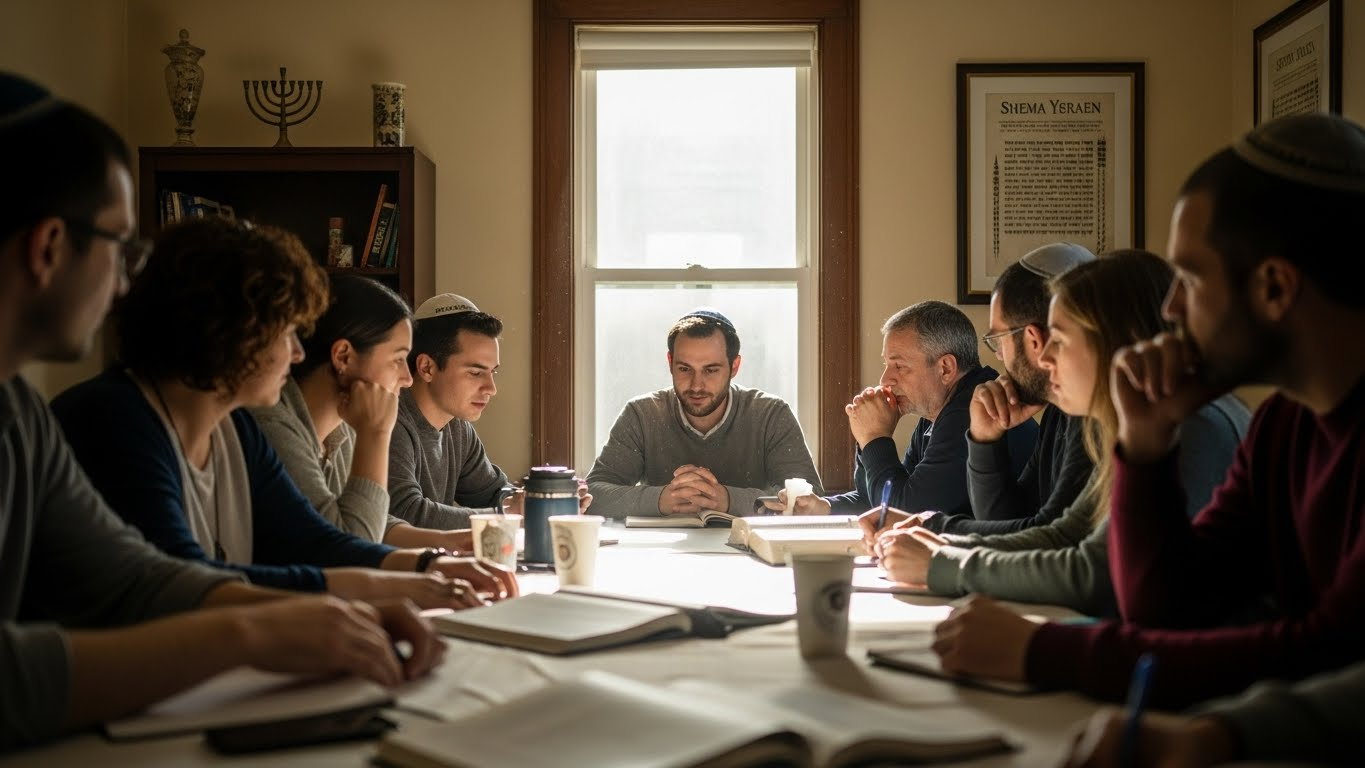
Detox stabilizes the body, yet untreated anxiety or depression often whispers a person back toward relapse. That is where Kosher mental health rehab enters. It addresses co-occurring disorders through a lens respecting psychiatric science and community nuance.
Clinicians familiar with Jewish family dynamics understand that perfectionism, intergenerational trauma or obsessive-compulsive patterns sometimes fuel the very substances clients are trying to escape.
When Addiction Meets Anxiety and Depression
Jewish mental health rehab components begin with thorough dual-diagnosis screening. Rather than isolating sobriety from psychological stability, therapists and psychiatrists coordinate medication management, grief processing and trauma care. The goal is simple but radical – stop treating the substance as the sole problem when the mind beneath it is screaming for help. Faith-based Jewish mental health treatment follows exactly this model.
Rabbinical Guidance Alongside Clinical Care
What separates these programs is genuine collaboration. Licensed counselors address neural pathways and coping mechanisms while spiritual mentors reframe guilt within the grammar of teshuvah and chesed. Anyone seeking observant Jewish addiction treatment discovers a partnership that bridges the gap between white coats and ancient wisdom.
Pillars That Define Effective Jewish Rehab

Sustainable sobriety requires scaffolding that lasts far beyond the first thirty days. Quality Jewish rehab programs build that lasting structure through several distinctive elements
- Communal accountability – Healing unfolds alongside peers who understand withdrawal symptoms and parental expectations. Shared meals and group sessions forge bonds that outlast residential care.
- Family restoration – Shalom bayit matters deeply. Family education weekends teach boundary-setting, communication and forgiveness using a culturally familiar vocabulary that secular programs rarely provide.
- Vocational rebuilding – Resume workshops, job training and mentorship restore financial dignity, personal routine and confidence, filling the idle hours that too often trigger relapse.
- Kosher wellness – Nutritious, rabbinically supervised meals replenish bodies depleted by chemicals while reinforcing a daily practice of identity.
- Aftercare with continuity – Discharge planning connects graduates with local shul networks, alumni groups and outpatient resources, making the transition home feel supported rather than abrupt.
Conclusion
Healing should never force you to choose between your health and your heritage. A Jewish and Kosher Drug Rehab Program proves that recovery and identity can advance together — fortifying body and mind in equal measure. These programs dismantle age-old stigma, honor ancient wisdom and embrace evidence-based psychiatry — transforming isolation into community and despair into forward motion.
Ready to reclaim your life? Discover compassionate, culturally grounded care at Rocklay Recovery. Contact Rocklay Recovery today — your journey toward wholeness begins with one faithful step.
FAQs
1) What exactly makes a rehab program kosher?
A kosher program provides rabbinically supervised meals, observes Shabbat and Jewish holidays and weaves Torah values into daily therapy — allowing clients to maintain observance while pursuing recovery.
2) Can secular or non-practicing Jews benefit from this model?
Absolutely. Jewish culturally competent rehab centers welcome anyone who feels safest healing among shared heritage, regardless of present practice.
3) Do these programs treat mental health conditions alongside addiction?
Yes. Most facilities offer kosher mental health rehab services that simultaneously address anxiety, depression and substance use through integrated dual-diagnosis care
4) Are kosher residential addiction recovery programs only for Orthodox clients?
Not at all. While fully observant Jews find natural alignment, Reform and Conservative individuals equally benefit from culturally sensitive surroundings.
5) Who can benefit from a Jewish and Kosher Drug Rehab Program?
Anyone within the Jewish community observant or secular struggling with alcohol, opioids, prescription medications or behavioral addictions like gambling.
Key Takeaways:
- Jewish and Kosher drug rehab programs combine clinical excellence with cultural and spiritual sensitivity, allowing recovery without compromising religious identity.
- Addiction in Jewish communities is often hidden due to stigma, myths, and societal pressures, making culturally tailored treatment essential.
- Spiritual integration, including Shabbat observance, minyan, and Torah study, enhances emotional and psychological healing.
- Co-occurring mental health conditions like anxiety and depression are addressed alongside addiction, ensuring holistic care.
- Family involvement, communal accountability, and vocational support strengthen long-term sobriety and reintegration.
- Aftercare and continuity programs connect graduates to community resources, promoting sustained recovery and well-being.


