

Jewish Drug Rehab vs. Traditional Rehab: What’s Actually Different (And Why It Matters)
August 27, 2026
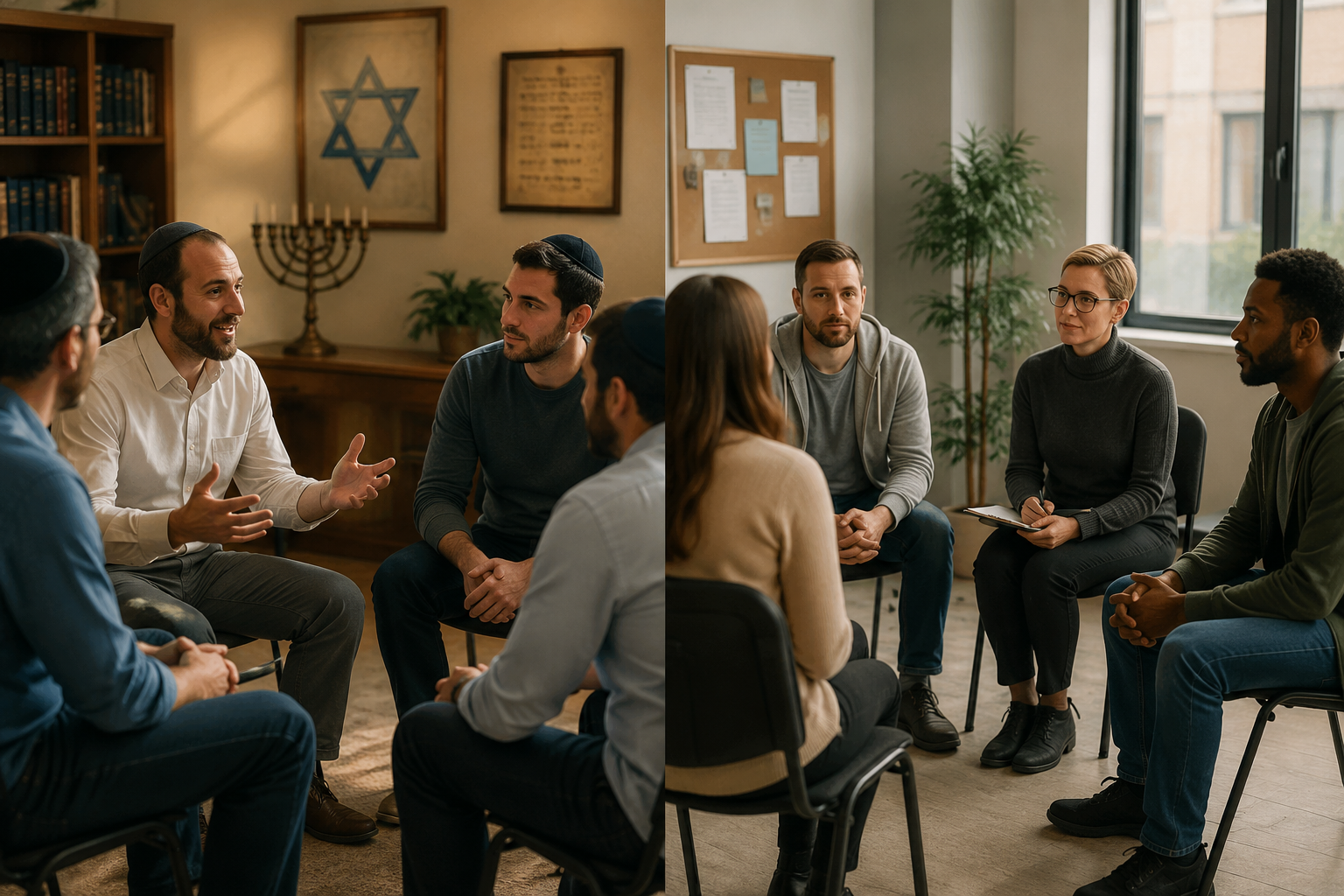
Finding the right treatment environment often determines long-term success. And for many individuals, standard clinical centers do not address deeply rooted cultural needs. That is where a Jewish drug rehab steps in. These facilities blend evidence-based care with essential faith-based elements. They provide a familiar, supportive space that honors ancient traditions while tackling the modern realities of addiction.
But what truly separates these centers from traditional ones? The differences go far beyond offering a few prayer sessions. They shape the daily schedule, the community, and the healing philosophy. It is about treating the whole person in a setting where they feel entirely understood. Here is a detailed look at what this blog will cover regarding the distinct features and vital benefits of these specialized recovery programs.
The Core Approach of a Jewish Drug Rehab
Traditional rehabs focus heavily on standard clinical therapies and the generic 12-step model. They offer excellent medical support. But they often overlook specific cultural nuances.
A specialized Jewish drug rehab changes that dynamic entirely. It integrates culturally competent addiction treatment into every single aspect of care. The approach addresses shame and stigma directly within the community context.
- Focus on Shalvah- Meaning peace and restoration- this core concept drives the therapeutic process.
- Spiritual Alignment- Therapy aligns with Torah principles and historic ethical teachings.
- Familiarity- Clients do not have to explain their customs. The staff already understands.
- Holistic Healing- The mind, body, and spirit heal together through a unified clinical approach.
The thing is, clinical care alone is sometimes not enough. Adding spiritual depth accelerates the healing process immensely.
Did you know?
Individuals participating in culturally aligned recovery programs are significantly more likely to stay engaged in treatment, leading to lower relapse rates and stronger long-term sobriety outcomes.
Healing Family Dynamics and Generational Trauma
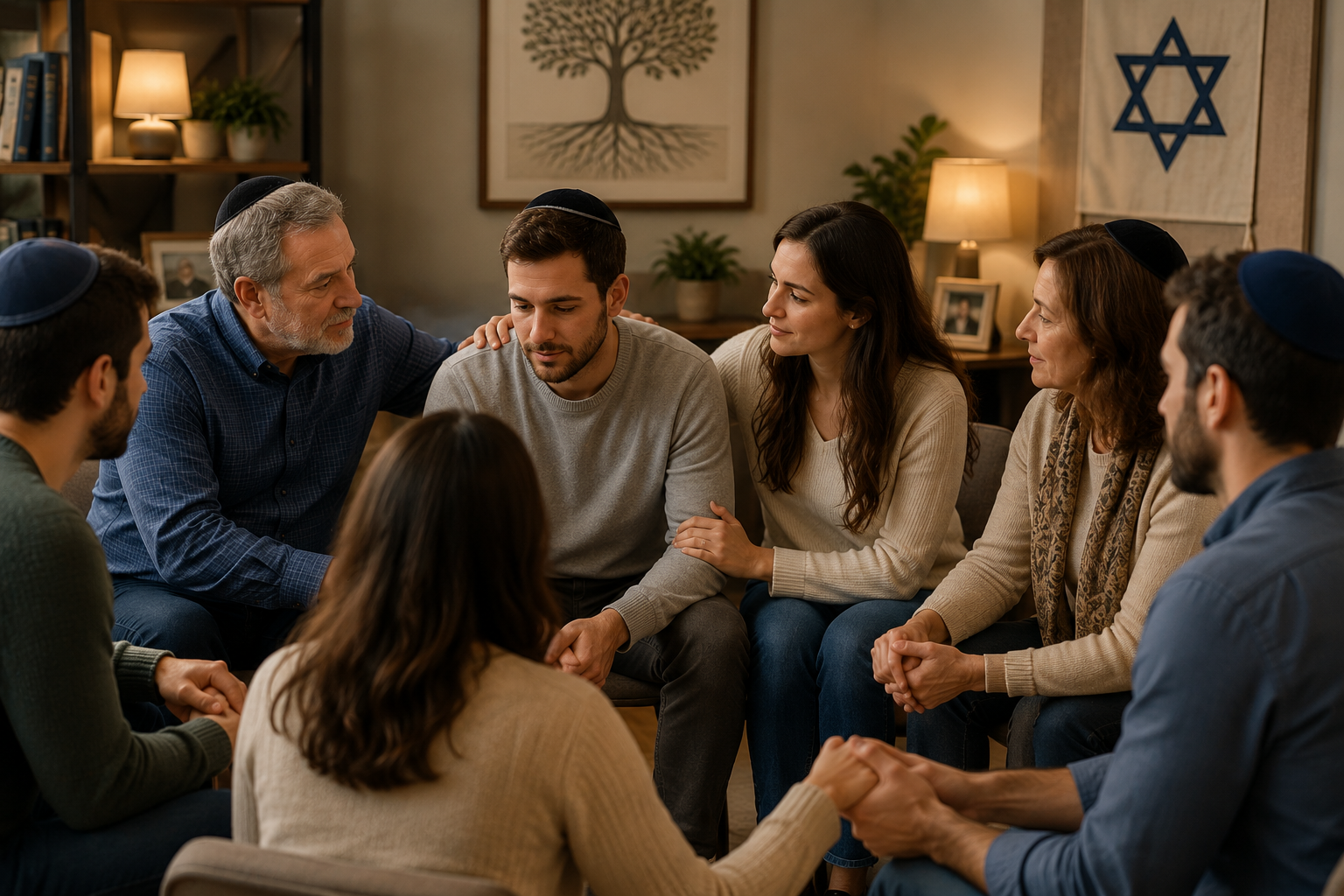 Standard rehabilitation centers certainly provide family therapy. However, they might miss the specific familial expectations present within certain communities.
Generational trauma plays a huge role in addiction. A specialized center understands this heavy burden.
- Addressing High Expectations- Therapists help dismantle the immense pressure to project perfection.
- Rebuilding Trust- Families learn to actively support recovery without enabling destructive behaviors.
- Cultural Context- Counselors carefully navigate the unique dynamics of the traditional household.
- Unified Healing- The entire family heals as a cohesive, supportive unit.
When the family heals, the individual has a much stronger chance of lifelong sobriety. It creates a unified front against relapse.
The Role of the 12 Steps in a Jewish Context
The traditional 12-step program sometimes uses language that feels foreign to specific religious beliefs. This can create a massive barrier to complete surrender.
A culturally aligned program adapts these steps beautifully.
- Higher Power- The concept of a higher power is firmly rooted in Hashem.
- Teshuvah- The act of making amends aligns perfectly with the concept of Teshuvah, meaning repentance.
- Mitzvot- Helping others in recovery translates directly to performing Mitzvot, or good deeds.
- Prayer- Meditation and daily prayer utilize familiar Hebrew texts and traditional Psalms.
This alignment makes the steps feel less like a clinical requirement. They become a natural extension of faith.
How Jewish Drug and Alcohol Rehab Programs Structure Daily Life
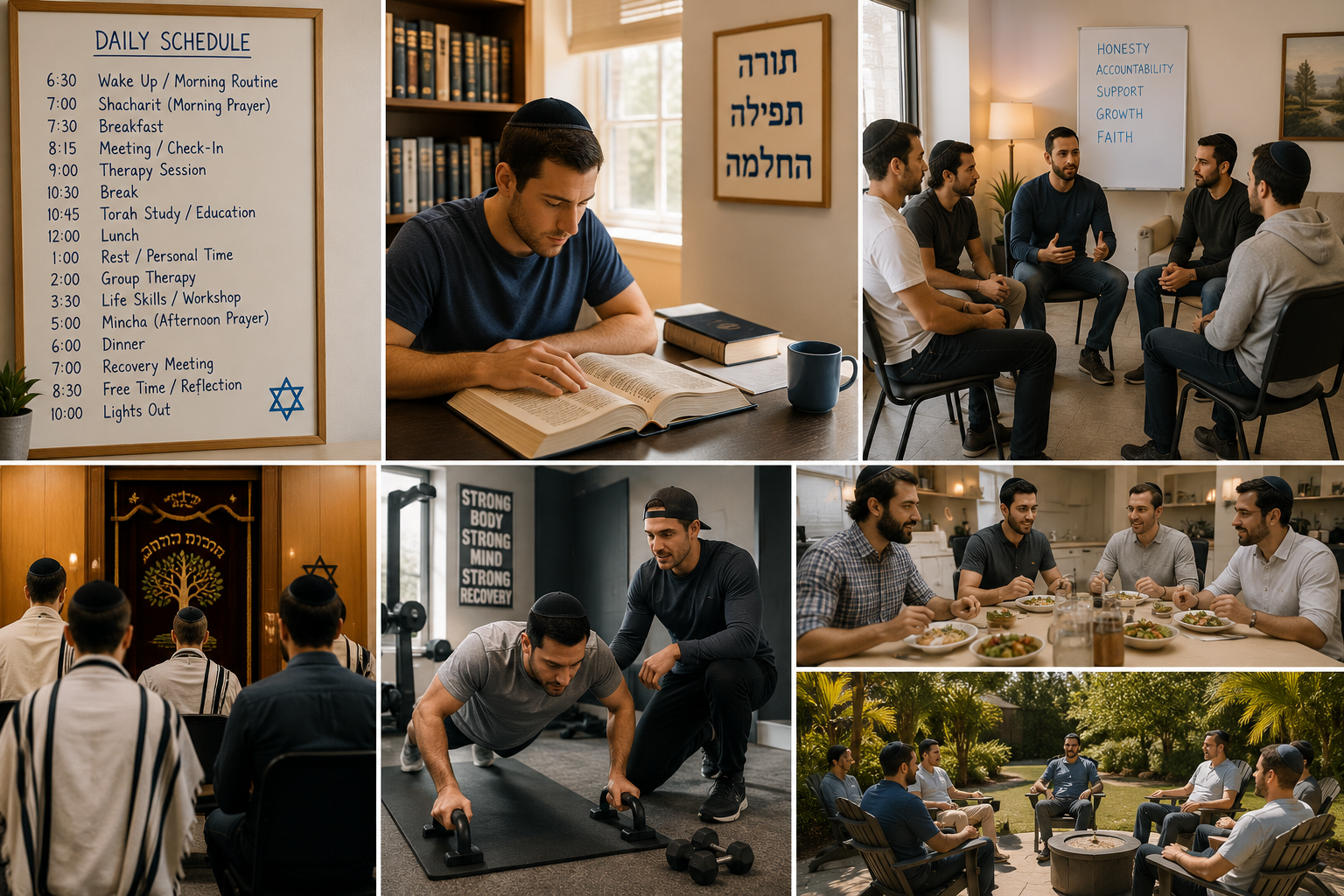 Routine is everything in early sobriety. Traditional centers build routines around group therapy, individual counseling, and recreation. They keep clients busy.
But a Jewish drug and alcohol rehab builds its routine around both clinical requirements and religious observances. This dual focus creates a comforting, predictable rhythm.
- Morning Prayers- Days often begin with Shacharit, grounding the individual before intensive therapy starts.
- Therapeutic Blocks- Mid-mornings include evidence-based clinical care grounded in Jewish values, such as cognitive behavioral therapy paired with rabbinical counseling.
- Kosher Meals- Nutrition is strictly monitored to ensure complete adherence to dietary laws.
- Evening Reflection- The day concludes with Maariv and peer-led reflection groups.
Plus, recognizing the religious calendar brings profound meaning to the passage of time. The holiday cycle provides natural milestones for personal recovery.
The Power of Shabbat in Recovery
Traditional rehabs treat weekends as standard downtime. A time to watch television or have casual family visits.
In a dedicated Jewish rehab, the weekend centers entirely around Shabbat. This is a crucial distinction.
- Complete Disconnect- Unplugging from technology reduces anxiety and mental clutter.
- Community Bonding- Friday night dinners foster deep, lasting connections among peers.
- Spiritual Renewal- A strict day of rest gives the brain vital time to process the week’s intensive therapy.
- Unwavering Focus- The emphasis shifts entirely to gratitude and profound spiritual connection.
Providing Shabbat-observant substance abuse support means clients never have to compromise their deeply held beliefs to get sober.
Why Jewish sober living in Florida Offers a Unique Advantage
After inpatient treatment, the transition back to regular life is a highly vulnerable period. Standard halfway houses offer a bed and random drug testing. But they completely lack a cohesive cultural community.
That’s why Jewish sober living in Florida is becoming a top choice for sustained recovery. South Florida boasts a massive, thriving recovery community alongside a rich cultural infrastructure that supports every single stage of the healing journey.
Here is a step-by-step look at how these transitional homes secure long-term sobriety-
Step One: Safe Relocation
Moving to a recovery-dense area removes the individual from old triggers and toxic hometown environments.
Step Two: Structured Accountability
Residents rigorously adhere to curfews, mandatory house meetings, and random testing while comfortably maintaining their religious lifestyle.
Step Three: Access to Synagogues
Living within easy walking distance of local shuls keeps residents connected to the broader religious community.
Step Four: Employment Support
Many programs help residents find local jobs that respect the Sabbath and fully accommodate religious holidays.
Step Five: Lifelong Fellowship
Creating unbreakable bonds with other sober individuals forms a permanent, life-saving safety net.
These homes blend Florida’s sunny, healing environment with rigorous transitional support.
The Importance of Kosher Living in Florida
 Dietary restrictions can cause massive friction in standard rehabs. Trying to maintain a strict diet in a facility that does not prioritize it is utterly exhausting.
A facility fully dedicated to kosher living in Florida eliminates this stress.
- Certified Kitchens- Food is prepared according to strict Halachic standards without exception.
- Nutritional Healing- Recovery requires immense physical rebuilding through high-quality nourishment.
- Shared Meals- Eating together without dietary anxiety strengthens the essential community bond.
- Cultural Comfort- Traditional foods provide massive emotional comfort during a highly vulnerable time.
Providing a kosher-friendly recovery environment shows profound respect for the individual’s core identity. It removes another barrier to fully engaging in treatment, allowing the individual to focus on clinical and emotional recovery without added external stress.
Overcoming the Stigma of Addiction
Standard support groups are undeniably effective. But they can sometimes feel overly generic.
A specialized Jewish drug rehab introduces peers who share the same background. They intimately understand the specific family dynamics and the intense community expectations.
- Shattering Stigma- Discussing addiction openly breaks down the intense shame often felt in tight-knit communities.
- Charity as Therapy- Engaging in acts of Tzedakah becomes a core tool for rebuilding shattered self-worth.
- Shared Vocabulary- Clients use familiar terms and cultural references, making communication completely seamless.
- Rabbinical Guidance- Spiritual leaders who understand addiction science build trust.
Here’s why this matters. Healing happens much faster when people don’t feel like outsiders. Offering faith-based recovery programs for the Jewish community bridges the critical gap between clinical psychology and spiritual wholeness. That connection saves lives and builds a deeply rooted network that stands resilient against future challenges.
Key Takeaways
- Specialized centers tightly integrate traditional faith directly into clinical addiction therapy.
- Standard facilities often lack the resources to accommodate strict dietary and Sabbath requirements.
- Shared cultural backgrounds among peers drastically reduce feelings of severe shame and isolation.
- Structured transitional homes provide the perfect bridge between inpatient care and fully independent living.
- Healing the spirit is just as critical as treating the physical symptoms of severe substance abuse.
Final Words
Recovery is never a simple, one-size-fits-all process. Choosing a facility that truly honors your traditions can make all the difference in achieving lasting sobriety. While standard centers offer solid medical care, they often miss the vital spiritual nuances required for total healing. Finding the right Jewish drug rehab ensures that your faith remains the unbreakable foundation of your recovery, not just an afterthought.
If you or a loved one is ready to build a substance-free life in a completely supportive, culturally aligned environment, reach out to Rocklay Sober Living today. Let the expert team guide you toward a brighter, healthier, and fully sober future.
FAQs About Jewish Drug Rehab
1.What is the main difference between a traditional rehab and a faith-based one?
Faith-based centers integrate religious observances and cultural values directly into standard clinical addiction therapies.
2.Do these specialized facilities offer medical detox?
Yes, they provide evidence-based medical detox alongside comprehensive spiritual and emotional support.
3.Can I maintain my dietary restrictions during treatment?
Absolutely, dedicated facilities provide fully certified kitchens to ensure complete adherence to strict dietary laws.
4.Is therapy still conducted by licensed clinical professionals?
Yes, all therapeutic sessions are led by highly trained, licensed professionals who deeply understand cultural nuances.
5.Do these programs accept standard health insurance?
Many specialized recovery centers actively work with major insurance providers to help heavily offset the costs of addiction treatment.


