

Kosher Drug Rehab for Observant Jews:How to Protect Faith While Getting Help
May 28, 2026
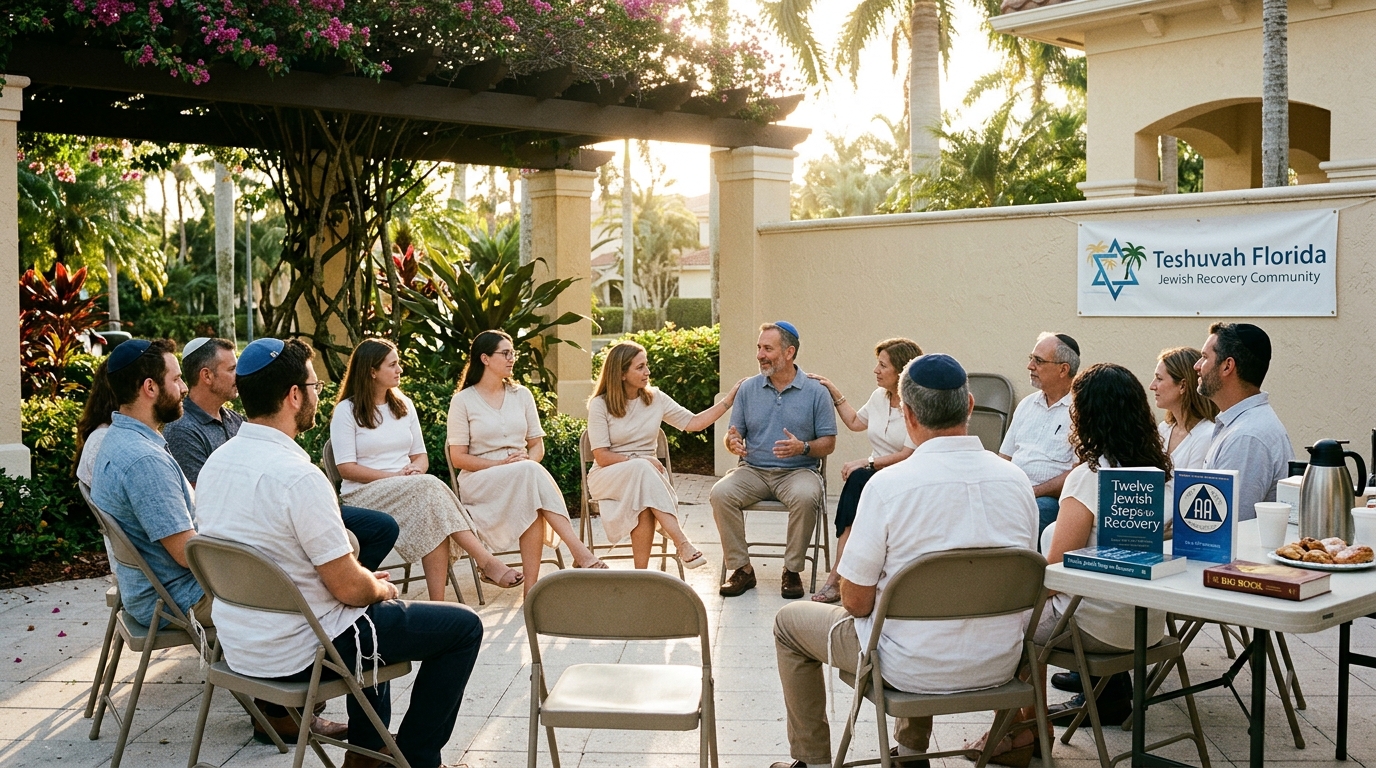
Addiction reaches into every community- including observant Jewish families who are quietly struggling and unsure whether treatment even exists that won’t ask them to abandon their faith. For many, the thought of ending up somewhere that ignores Shabbat or serves non-kosher meals is enough to delay getting help entirely. That hesitation is understandable. But kosher drug rehab was built to remove it.
Recovery and religious observance are not in conflict. The right program holds space for both. This blog covers what kosher drug rehab looks like, what a quality Jewish rehab program actually includes, and how to find faith-aligned care in Florida that supports real, lasting sobriety.
What Is Kosher Drug Rehab?
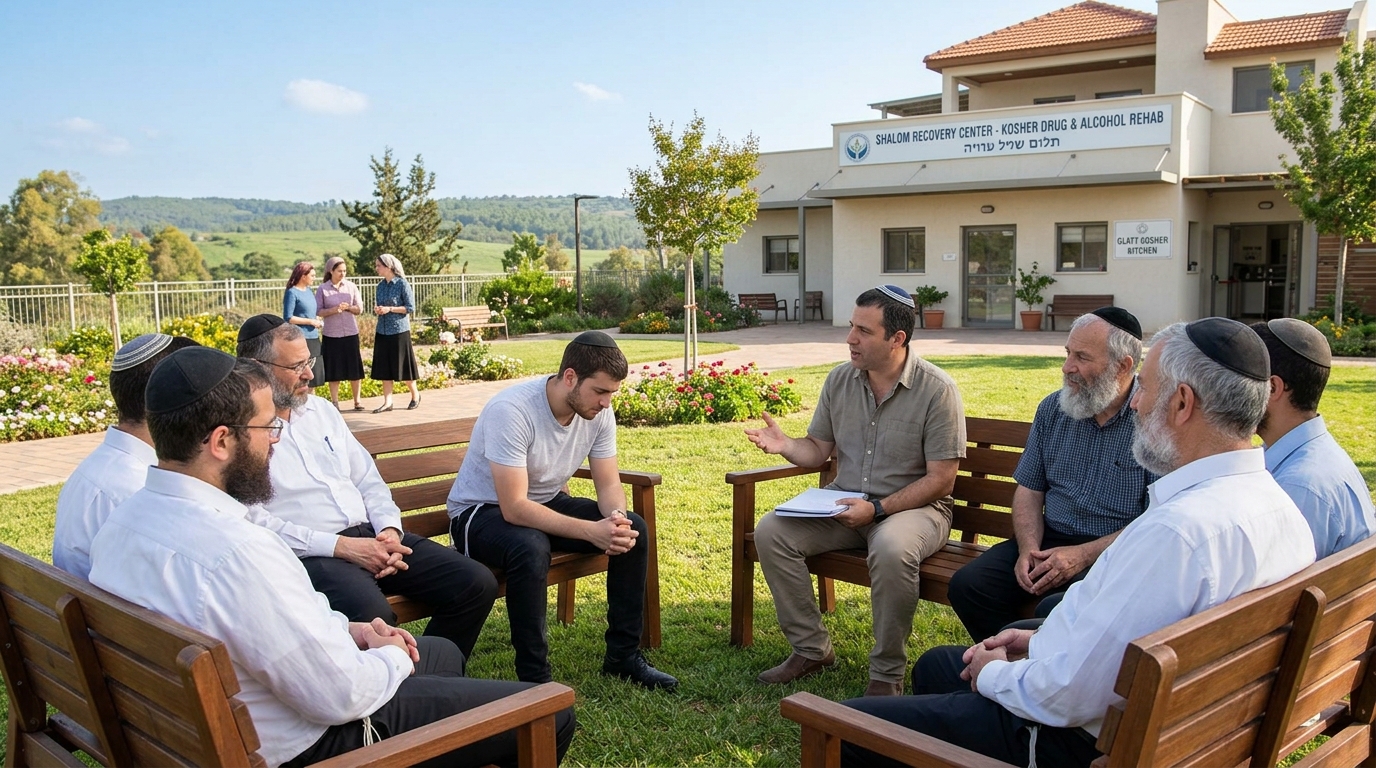
Kosher drug rehab is addiction treatment built around observant Jewish life- not retrofitted to accommodate it, but designed that way from the ground up.
That means kosher meals under rabbinical supervision, full Shabbat observance, and clinical care informed by Torah values. It also means a rabbi accessible throughout treatment as an integrated part of recovery- not a one-time visit.
What these programs typically include-
- Certified kosher meals under qualified rabbinical oversight
- Shabbat and Jewish holidays fully honored- no therapy sessions scheduled, no administrative interruptions
- Individual and group therapy guided by Jewish ethical frameworks
- Rabbinical support throughout the entire treatment process
- Staff trained in Jewish religious and cultural sensitivities
Faith-based addiction treatment for Jewish adults is not a niche add-on. For observant patients, it is often what determines whether they engage with treatment at all.
Did You Know?
Faith-integrated addiction programs consistently report stronger long-term sobriety outcomes- for observant Jews, cultural and religious alignment isn’t secondary to treatment. It is the treatment.
Why Faith Cannot Be Pulled Out of Recovery?
For observant Jews, religious practice is not something that sits alongside identity. It is identity. Placing someone in a treatment environment that dismisses prayer schedules, ignores dietary laws, or treats Shabbat as a scheduling inconvenience sends a quiet but damaging message- that who you are is not welcome here.
That message makes recovery harder. Not easier.
How Halacha Shapes Care
A genuine Jewish rehab program does not ask patients to pause their religious life during treatment.
- The halachic principle of pikuach nefesh– sanctity of life- shapes how care is framed and delivered
- Therapy runs around designated prayer times, not over them
- Halakha-compliant rehab programs treat religious structure as a therapeutic asset, not a logistical problem
- Clinical staff are trained to understand varying levels of observance and respond appropriately
Safety is where healing begins. And cultural safety is a real clinical factor- not a comfort feature.
What a Jewish Drug Rehab Program Actually Looks Like?
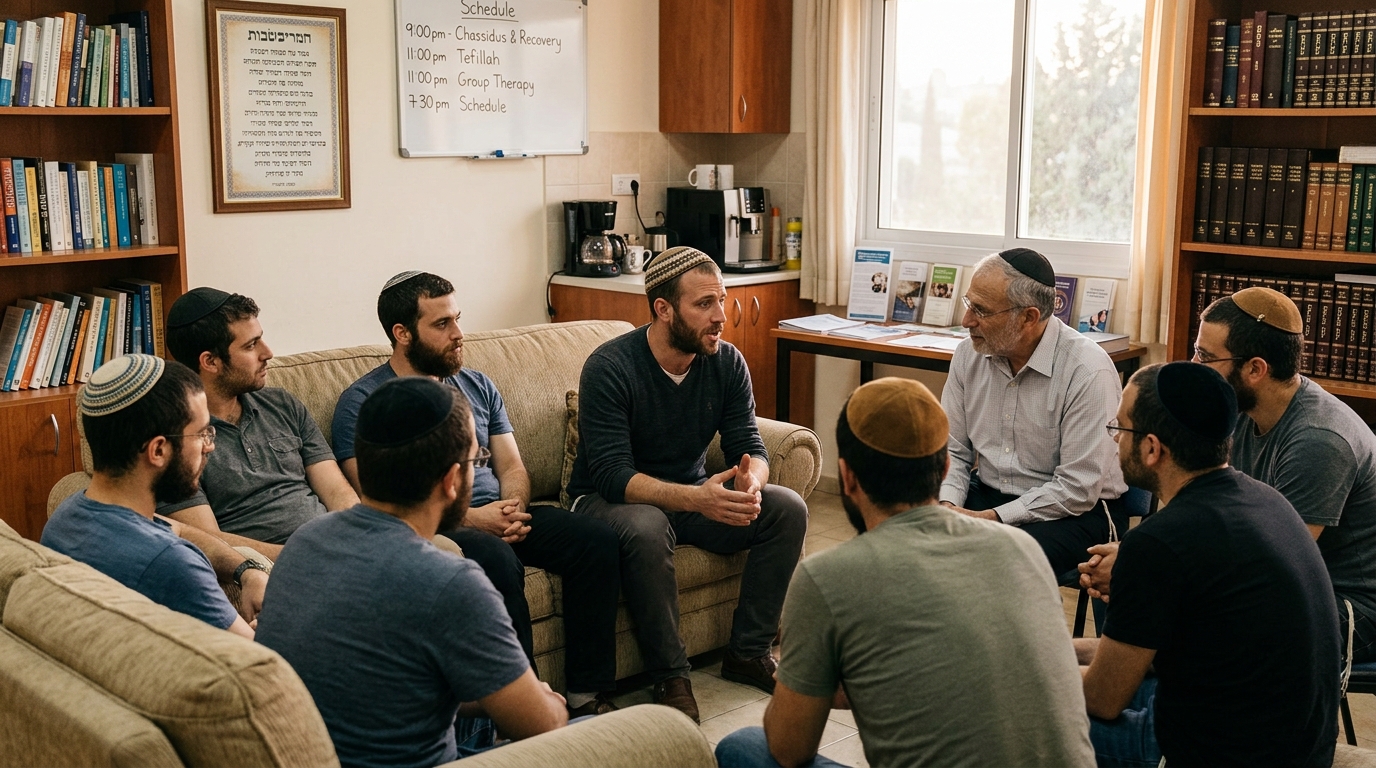
A Jewish drug rehab program is not a standard facility with a kosher option in the cafeteria. It is a fully integrated model of care built around the rhythms of observant Jewish life.
What to Expect – Step by Step:
- Culturally Informed Intake- Assessment that accounts for the level of observance and specific halachic requirements from the first conversation.
- Certified Kosher Meal Planning- All food prepared under rabbinical supervision, accommodating varying kashrut standards.
- Shabbat-Compliant Scheduling- No clinical procedures or group sessions during Shabbat or major Jewish holidays. Full stop.
- Torah-Grounded Therapy- Sessions that draw on Jewish texts and values to address shame, self-worth, and accountability in ways that actually resonate.
- Ongoing Rabbinical Access- A rabbi present throughout treatment as a consistent part of the recovery journey.
- Community Reintegration Planning- Structured support for returning to synagogue life, family, and communal obligations after discharge.
Observant Jewish recovery centers that follow this model report stronger patient engagement- because patients feel genuinely seen, not just accommodated.
Kosher Living in Florida: What to Actually Look For?
Florida has no shortage of addiction treatment options. But kosher living in Florida within a rehab setting is a specific standard- and not every facility that claims it actually meets it.
Before choosing a program, ask-
- Is the kitchen under verified rabbinical certification- or just self-reported as kosher?
- Does the facility fully pause on Shabbat, or just scale back?
- Have clinical staff received actual training in Jewish religious sensitivity?
- Is Torah-based sobriety support built into the treatment model- or mentioned only in the brochure?
These are not minor preferences. For an observant Jew, they determine whether a program genuinely supports recovery or quietly works against it.
Jewish Sober Program in Florida: Life After Discharge
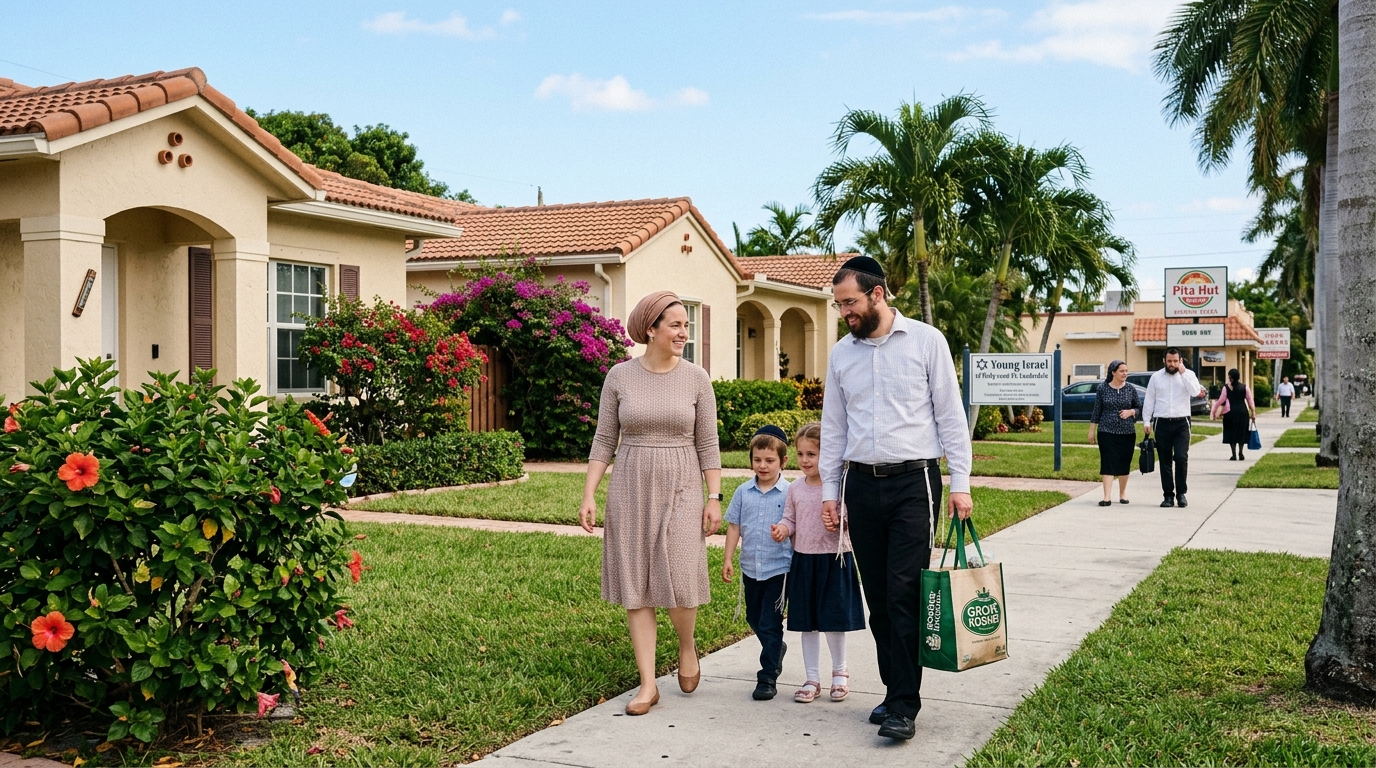
Completing inpatient treatment is one milestone. Staying sober is another- and that second chapter is far more sustainable when cultural continuity is maintained.
A Jewish sober program in Florida bridges inpatient care and independent sober living in a way that keeps faith at the center.
Post-treatment support typically includes-
- Kosher-observant sober living with appropriate Shabbat accommodations
- Torah study or shiurim embedded into sober living routines
- 12-step frameworks adapted to Jewish spiritual and ethical values
- Peer mentorship from Jewish individuals with real recovery experience
- Connection to local synagogues and Jewish community organizations
Jewish addiction treatment in Florida works best when the community waiting after discharge reflects the same values the patient carried going in.
Key Takeaways
- Kosher drug rehab means religious observance is built into treatment- not added as an afterthought.
- Cultural disconnection in rehab is a genuine clinical barrier, not a personal preference.
- A real Jewish drug rehab program structures care around halachic life from intake through discharge.
- Kosher living in Florida in a rehab setting requires verified kashrut, full Shabbat observance, and culturally trained staff.
- A quality Jewish sober program in Florida sustains community connection and faith-grounded support well beyond treatment.
Final Words
For observant Jews, healing has to include the whole person- faith and all. Kosher drug rehab is not a specialty accommodation. It is a clinically sound, culturally necessary approach that allows Jewish individuals to recover without leaving who they are behind.
If you or someone you love is looking for a Jewish rehab program that truly understands observant Jewish life, Rocklay Recovery is here. Reach out today to explore faith-aligned treatment options built around lasting recovery- and a life that honors both sobriety and belief.
FAQs about Kosher Drug Rehab
Q1.What makes a drug rehab program “kosher”?
Certified kosher meals, full Shabbat observance, rabbinical support, and Jewish values woven into the clinical model.
Q2.Is Jewish drug rehab only for Orthodox patients?
No- programs serve patients across all denominations, with care tailored to individual levels of observance.
Q3.Are there kosher drug rehab programs in Florida?
Yes. Florida has several faith-integrated treatment centers built specifically around kosher living and observant Jewish practice.
Q4.How does faith-based rehab differ from standard treatment?
It integrates Jewish spiritual values, halachic structure, and community connection alongside evidence-based clinical care.
Q5.What should someone look for in a Jewish sober program in Florida?
Certified kosher sober living, full Shabbat observance, Torah-integrated programming, and peer mentorship from Jews in sustained recovery.


