

Embracing Faith and Healing — A Guide to Kosher Sober Living in Boca Raton
August 17, 2026
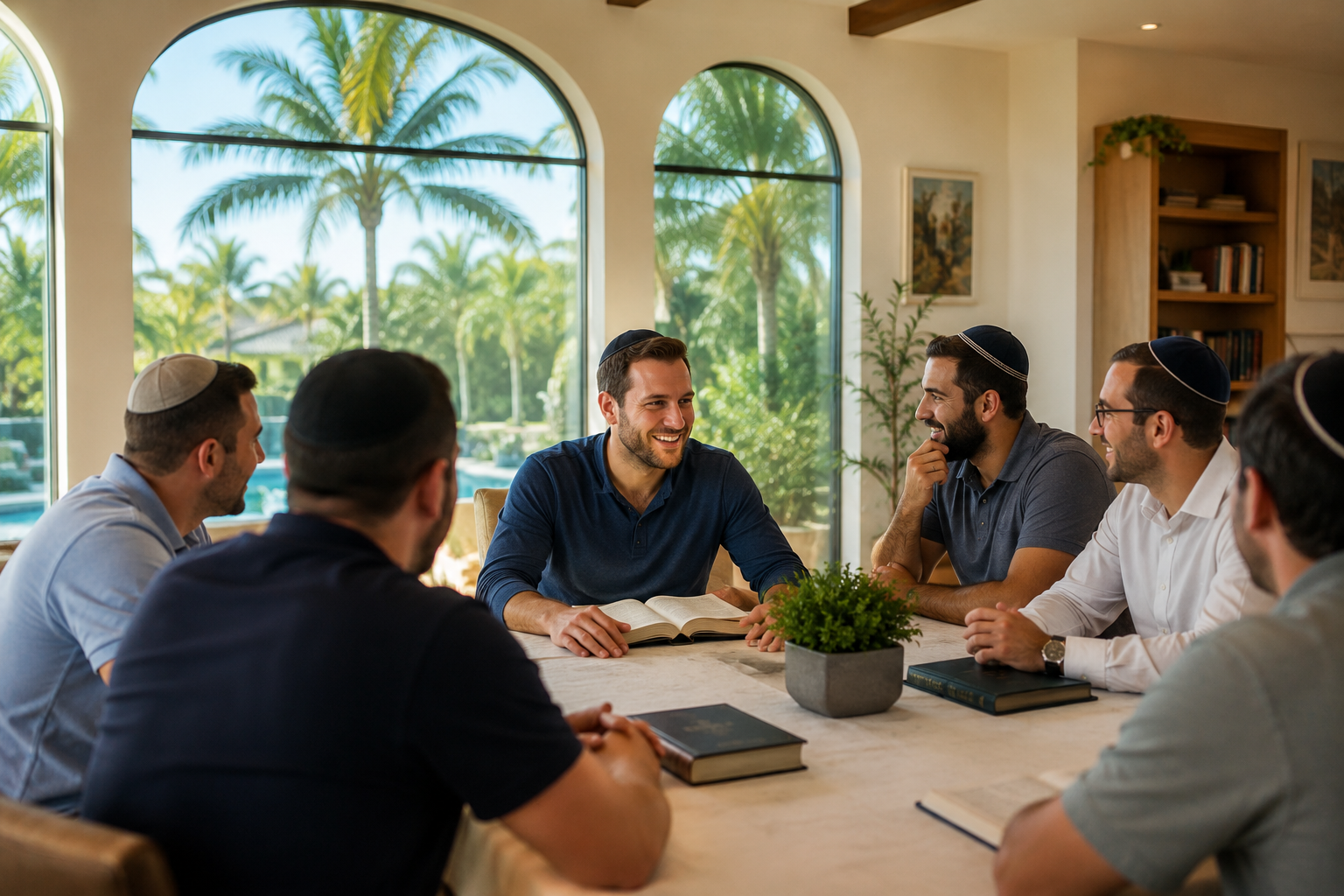
Finding strength in sobriety is a daily, intentional process requiring deep commitment. Individuals transitioning out of intensive care often discover that recovery feels more grounded running parallel to personal traditions. Jewish values provide profound structure, purpose, and meaning to the healing journey. Sobriety is not only about removing harmful substances — it is about actively building a life worth staying present to experience. Choosing a dedicated Kosher Sober Living in Boca Raton allows residents to merge clinical recovery goals directly into their spiritual identity.
Below, we explore the daily habits rooted in Jewish values that build resilience and nourish the mind, body, and soul.
Kosher Sober Living: Understanding the Approach
Recovery rarely follows a perfectly straight line. Feelings inevitably change, unexpected triggers appear, and old behavioral patterns may attempt to resurface. Jewish teachings remind us that true growth comes from steady, consistent effort rather than absolute perfection. Small, daily routines hold immense transformational power.
Incorporating morning prayer, mindful eating, acts of kindness, and intentional reflection shapes a highly resilient mindset.
Establishing Daily Rhythms at a Kosher Sober Living in Boca Raton
A meaningful recovery routine does not have to be overly complicated or rigid. The most effective schedules feel grounding, supportive, and realistic to maintain over the long haul. Jewish life naturally follows a beautiful rhythm of morning blessings, dedicated study, structured meals, Shabbat observance, and holiday celebrations. These cultural touchpoints offer constant opportunities to reset an anxious mindset and reconnect deeply to a higher power.
Waking up with clear intention completely changes the entire tone of the day. Reciting the Modeh Ani or a short personal prayer reminds individuals to remain deeply thankful for another chance at life. Gratitude actively shifts the focus of the brain from missing elements to newly possible opportunities. Inside Kosher Sober Living in Boca Raton, residents utilize simple gratitude practices to reduce stress and naturally boost their daily motivation.
Helpful morning habits to build inner strength include:
- Reciting morning prayers to anchor the mind before facing the outside world.
- Writing down one specific, achievable goal to conquer the day.
- Listing three distinct blessings to combat negative thinking patterns.
- Reading a short inspirational passage or engaging in brief meditation.
The Power of Nutritional and Spiritual Nourishment
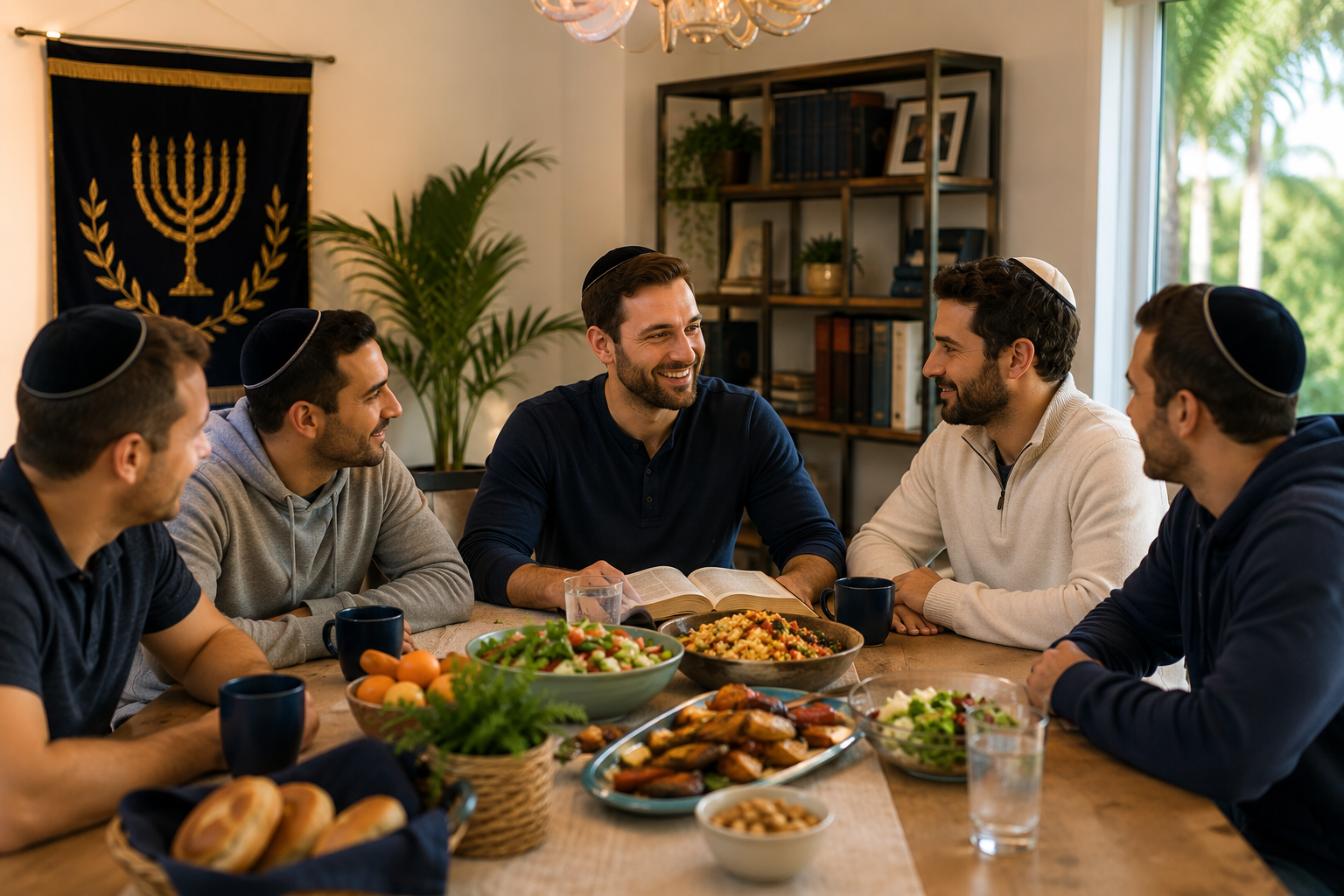 Food plays a surprisingly crucial role aiding the physical body to heal from prolonged substance abuse. Adhering to kosher dietary laws offers a unique structure perfectly aligned to a resident’s cultural identity. Mindful eating encourages true physical presence. Slowing down to bless the food and eating with clear intention creates a sense of profound calm. Addiction often drains the body of essential nutrients, making mindful nutrition a vital form of self-care.
Kashrut creates dietary boundaries that subtly strengthen personal discipline. Practicing discipline at the dining table translates directly into the discipline required to resist powerful cravings. Following a stay at a traditional Jewish rehab — continuing these dietary habits constantly reinforces personal dignity and self-worth.
Did You Know –
Dedicating even 10 minutes to Torah learning can dramatically shift a person’s perspective.
The Torah offers ancient, applicable wisdom on accountability, patience, forgiveness, and personal growth. The beautiful concept of Teshuvah teaches that absolutely no one is too far gone to rebuild their life.
Fostering Brotherhood and Accountability in Recovery
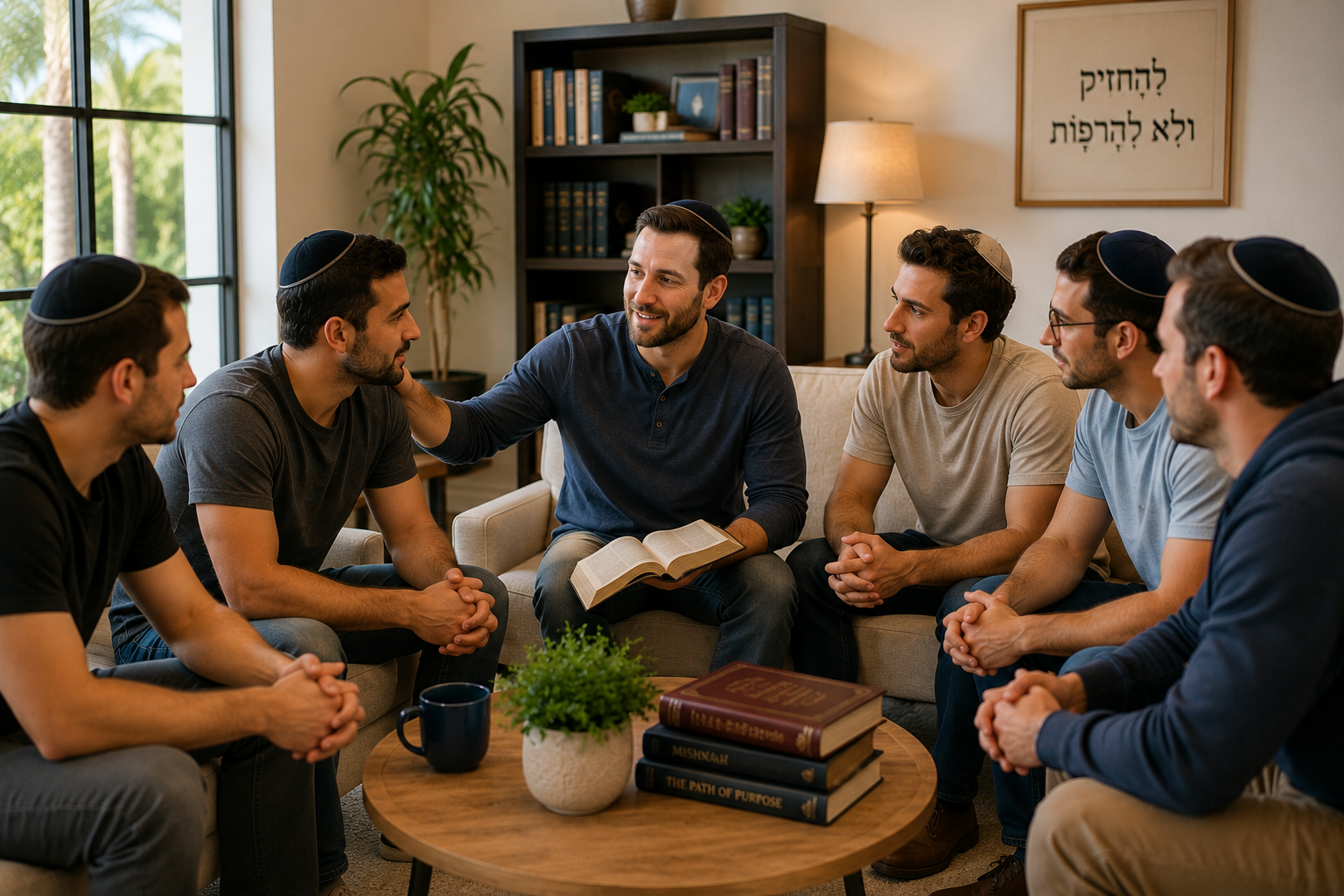 Healing grows rapidly in connection and withers completely in isolation. Recovery becomes noticeably easier to manage surrounded by peers walking the exact same difficult road. Brotherhood forms completely naturally inside faith-based environments. Shared faith, communal meals, group prayer, and collaborative study build unbreakable bonds. Men and women can talk openly about internal struggles without any fear of judgment.
Living in a recognized halfway house Florida helps individuals avoid the intense loneliness that frequently leads to relapse. Group encouragement reminds every individual that temporary setbacks do not define future success. Accountability remains gentle, deeply compassionate, and rooted entirely in core Jewish values.
Shabbat offers a sacred, weekly pause. The rush and pressure of the modern world temporarily cease completely. Residents utilize the designated time to breathe, reflect, and reconnect with their innermost soul. Entering Shabbat completely sober becomes a monumental victory worth celebrating every single week. The rhythmic balance of six days of effort followed by a day of rest perfectly mirrors the balance required to maintain lifelong sobriety.
Bridging the Gap: The Role of Transitional Housing in Florida
Transitional housing Florida acts as a necessary bridge between intensive clinical care and the real world. Integrating into society requires practicing newly learned coping mechanisms in a safe, monitored space before facing full independence.
South Florida is widely recognized as a premier recovery destination. Boca Raton boasts a vibrant, active Jewish community. Residents living in these areas have immediate access to welcoming synagogues, kosher markets, and specialized faith-based addiction recovery programs.
Community integration plays a massive role in long-term success. Volunteering locally or attending a community class shifts the focus of a person from internal cravings to external connection. Helping others builds a strong sense of purpose — a vital ingredient in maintaining lasting sobriety.
Choosing the Right Jewish Drug and Alcohol Rehab Environment
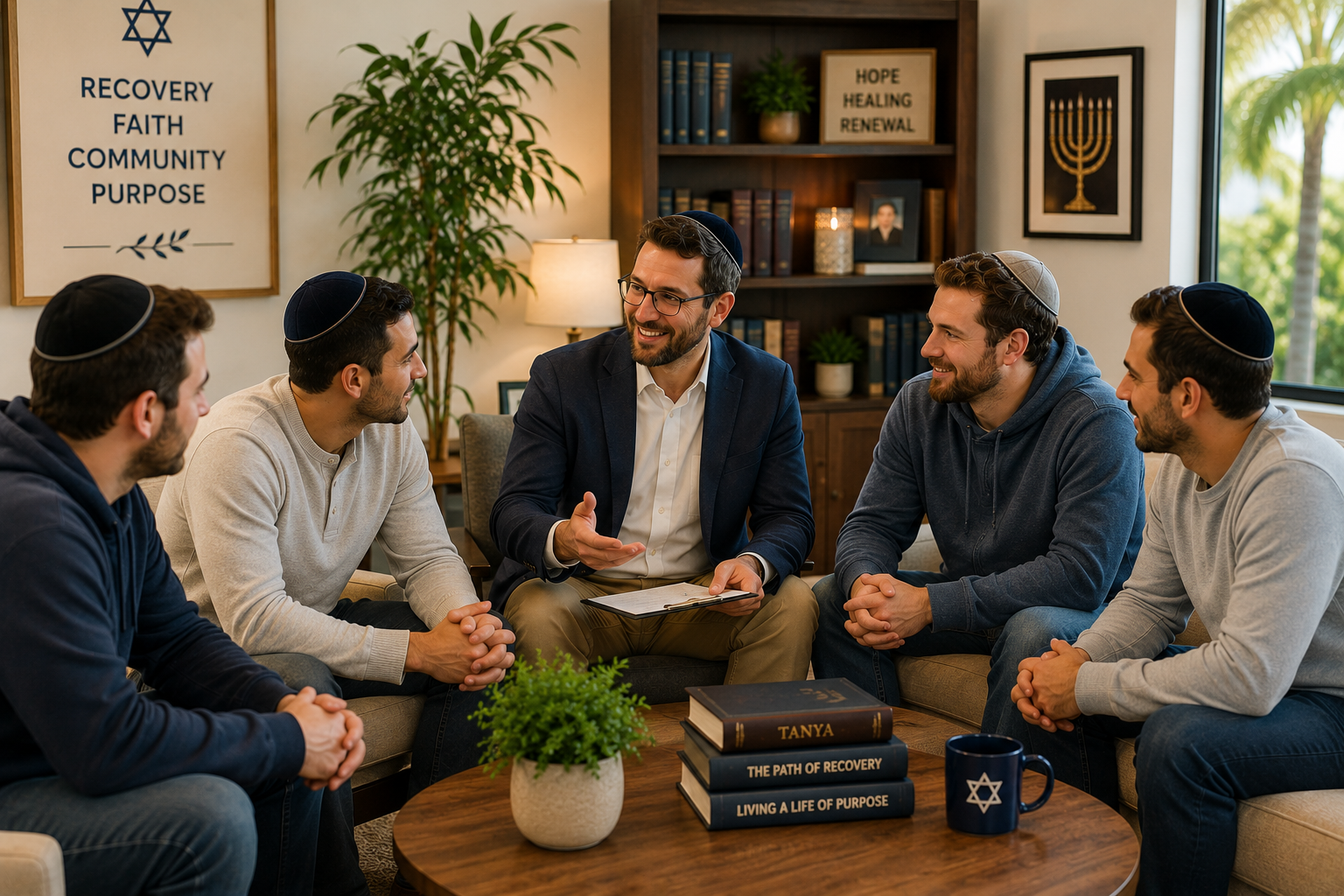 Picking the absolute right place to continue your recovery journey matters immensely. While numerous facilities exist, finding one actively supporting specific religious beliefs requires careful research. Evaluating a Jewish drug and alcohol rehab or an Orthodox Jewish sober living home requires keeping your eyes on the following critical elements:
- Safe and structured environment – The residence should feel calm, rigorously clean, and highly supportive rather than punitively strict.
- Qualified staff and support systems – Management should communicate clearly and offer immediate access to counselling resources.
- Respect for religious practices – The facility must actively honour kosher dietary rules, high holidays, and daily Jewish customs.
- Community atmosphere – Warm peers and organized shared activities create a unified environment where everyone works toward common goals.
Living sober will always present a few unexpected challenges. Keeping a robust connection to the Jewish faith allows individuals to manage inevitable struggles much more successfully.
Begin Your Journey to Lasting Sobriety with Rocklay Recovery
Sobriety is a daily, courageous path. Jewish values provide the exact compass, strength, and hope required to navigate the darkest moments. Dedicated prayer, Torah study, Shabbat observance, community fellowship, and daily reflection help individuals successfully build lives filled with genuine meaning. Recovery ultimately transforms from merely the absence of a substance into the beautiful presence of joy, connection, and divine purpose.
Anyone currently seeking a highly supportive Kosher Sober Living in Boca Raton can start the journey toward absolute freedom today. Rocklay Recovery offers top-tier luxury housing options, merging holistic addiction recovery directly alongside authentic Jewish traditions. As a transformative recovery residence located in beautiful South Palm Beach County, Rocklay provides the spiritual strength and structured support needed to achieve whole-body healing.
Contact Rocklay Recovery today for a free, strictly confidential consultation and take your first powerful step toward lasting renewal!
Frequently Asked Questions
1) What is a Kosher sober living home?
It is a structured residential recovery environment that completely integrates evidence-based sobriety practices alongside authentic Jewish traditions and strict dietary laws.
2) Do I need to be Orthodox to live in a Jewish recovery home?
Absolutely not — these specialized homes warmly welcome individuals from all denominations willing to respect the house rules and cultural guidelines.
3) How does transitional housing help prevent relapse?
Transitional homes provide a highly structured, drug-free environment — where residents practice life skills and receive peer accountability before moving out independently.
4) Are residents allowed to work while living in the halfway house?
Yes — residents are highly encouraged to seek employment, volunteer locally or attend classes to slowly rebuild their financial independence and daily routines.
5) What makes Boca Raton a good location for Jewish recovery?
Boca Raton features a massive, incredibly supportive Jewish community, offering residents immediate access to synagogues, kosher restaurants and robust fellowship networks.
Key Takeaways
- Kosher sober living in Boca Raton combines structured recovery support with Jewish faith, traditions, and daily spiritual practices.
- Consistent routines such as morning prayer, gratitude, Torah study, and reflection can help residents build discipline, resilience, and emotional stability.
- Kosher nutrition and mindful eating support physical recovery while reinforcing healthy boundaries, self-care, and personal responsibility.
- Community, brotherhood, and accountability can reduce isolation and provide residents with encouragement from others following a similar recovery journey.
- Shabbat observance and Jewish traditions create regular opportunities to rest, reflect, reconnect spiritually, and celebrate progress in sobriety.
- Choosing the right Jewish sober living or transitional housing environment can help bridge the gap between intensive treatment and independent living while supporting long-term recovery.


