

Finding the Right Jewish Drug Rehab and Sober Living Program in Florida
June 16, 2026
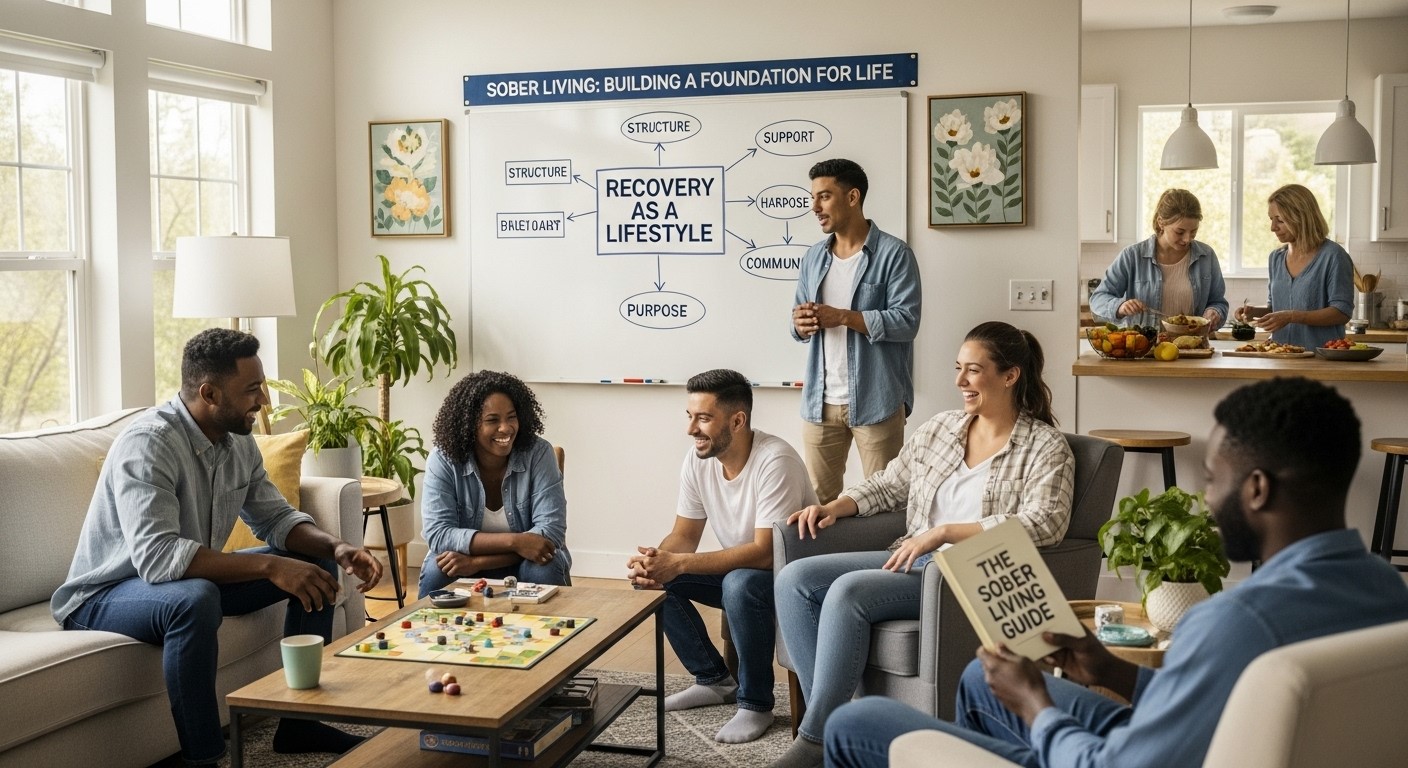
Taking that first step toward recovery is incredibly brave. But it gets even harder when you need a place that genuinely respects religious observances alongside solid medical care. Compromising on fundamental beliefs or daily prayer simply isn’t an option for many. Choosing a Jewish and Kosher drug rehab program offers a unique balance. It delivers top-tier clinical treatment without ever ignoring the spiritual side of healing.
Beating dependency brings enough stress. Add the worry of keeping kosher or a lack of community understanding, and the process feels impossible. But finding the right environment changes the whole picture. A dedicated facility makes sure those vital spiritual routines happen naturally alongside therapy. This blog will cover exactly what to look for, the advantages of faith-based care, and how to confidently choose a Jewish sober program in Florida.
What To Expect From a Jewish and Kosher Drug Rehab Program?
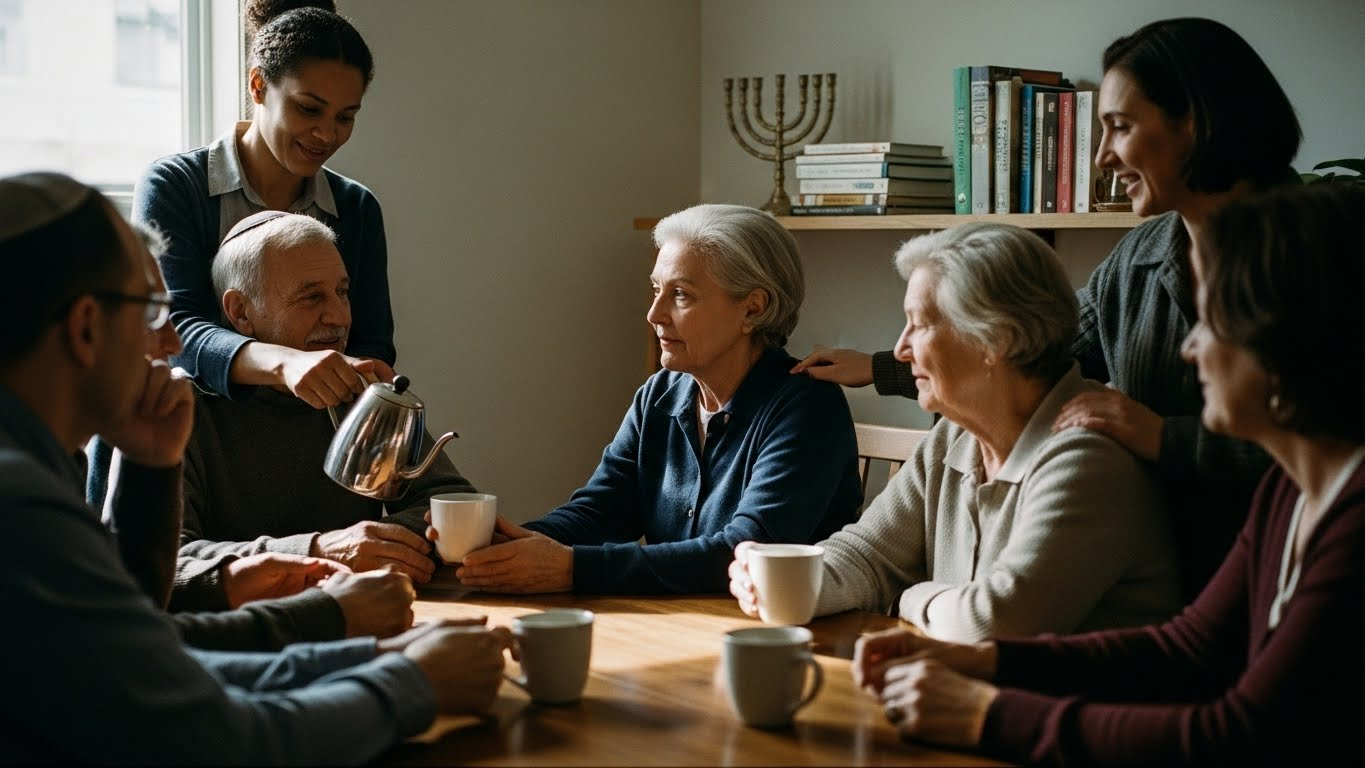
Standard clinics don’t always hit the mark. These specialized facilities are structurally different. They are built from the ground up around the religious and cultural needs of observant communities.
Did you know that participating in culturally aligned treatment significantly lowers the risk of relapse? It builds strong personal accountability through a tight-knit community that shares your exact values and traditions.
Plus, patients work directly with clinicians who actually get the nuances of a faith-oriented lifestyle.
The thing is, generic protocols often miss the heavy emotional toll of religious trauma. Or the specific shame that happens in close-knit communities. Specialized care tackles these exact issues head-on. Not just managing the physical symptoms. Healing the whole person.
Facilities focus on essential religious accommodations to keep everyone comfortable-
- Strict Glatt Kosher dietary laws are managed by trained kitchen staff.
- Proper downtime and deep respect for Shabbos and Yom Tov.
- Daily Minyan access and set blocks for Torah study.
- Therapies guided by culturally sensitive and experienced counselors.
Why Should You Choose a Jewish Drug Rehab?
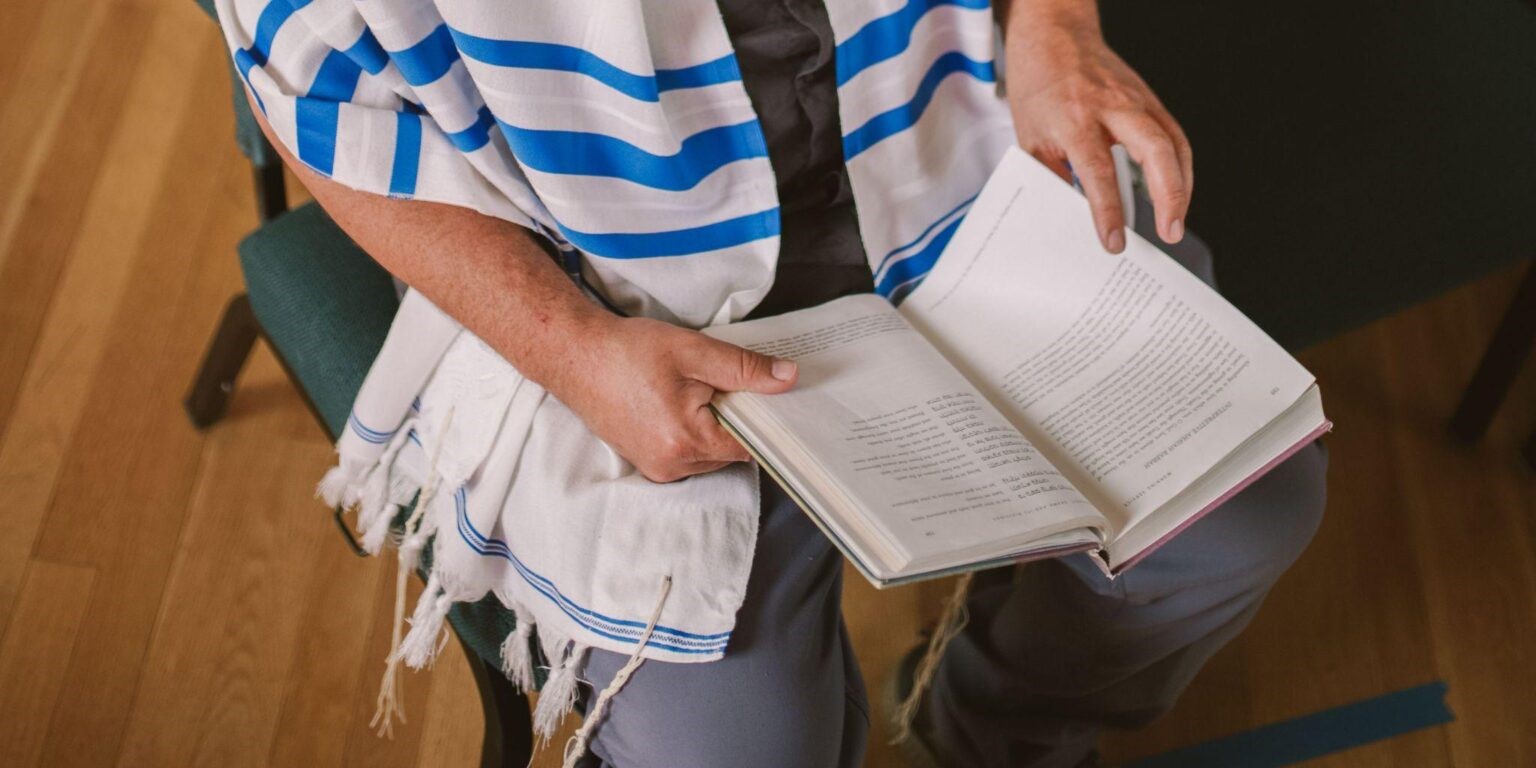
Here’s why transitioning into specialized care makes such a massive difference. The focus shifts entirely. It isn’t just about physical detox anymore. It’s about rebuilding the mind and body through a lens of faith.
The thing is, standard treatments rarely account for the intense pressures of a strict religious upbringing. A dedicated facility gives people a genuinely safe space to unpack those specific challenges.
And anchoring the day with Mitzvot brings real comfort during early sobriety. It grounds you. Mixing modern psychology with pastoral care ensures every part of a person gets attention.
Key advantages of getting specialized care-
- Connecting with peers who share the exact same cultural background.
- Family therapy that deeply respects traditional household structures.
- Access to Torah-based addiction treatment blending ancient wisdom with clinical science.
- A stigma-free zone to be completely honest about your struggles without judgment.
Incorporating Advanced Search Trends for Better Care
Families are getting much smarter about healthcare research. Many specifically search for top kosher sober living communities to narrow down the absolute best options out there. This focused approach guarantees the residence meets both long-term recovery goals and strict religious standards.
Because stepping down from inpatient care requires a rock-solid bridge, these specialized homes offer that exact stability.
How Do You Find Jewish Sober Living in Boynton Beach?
Florida remains a massive hub for recovery. And finding the right spot down here offers a pretty perfect mix. You get warm weather, highly active local fellowships, and top-tier medical professionals right down the road.
But location is just as critical as the actual therapy. The coastal vibe naturally lowers stress. Providing quiet, safe spaces to reflect and exercise.
Here’s why South Florida draws so many people in recovery. The support network is huge. The local area is packed with recovery-friendly jobs and alumni who just get it.
Why this region stands out-
- Close proximity to welcoming, highly active local synagogues.
- Direct ties to faith-based addiction recovery in South Florida networks.
- Clinicians who specialize in complex trauma and dual diagnosis.
- Safe neighborhoods make building a healthy routine much easier.
Identifying the Right Treatment Modalities
A solid Jewish rehab doesn’t just offer one type of help. They provide multiple levels of care. Ranging from partial hospitalization to intensive outpatient support.
And many maintain tight relationships with kosher-friendly detox centers to handle the rough early days of withdrawal safely.
Plus, treating co-occurring issues like anxiety is non-negotiable. Dual diagnosis care means treating mental health right alongside the addiction. Giving patients real, actionable coping skills.
Common treatments you will see-
- Cognitive Behavioral Therapy (CBT) and Dialectical Behavior Therapy (DBT).
- Trauma-focused care, including EMDR.
- Holistic practices perfectly aligned with spiritual principles.
- Group sessions built entirely on honesty, respect, and peer accountability.
Step-by-Step Guide to Choosing the Right Facility
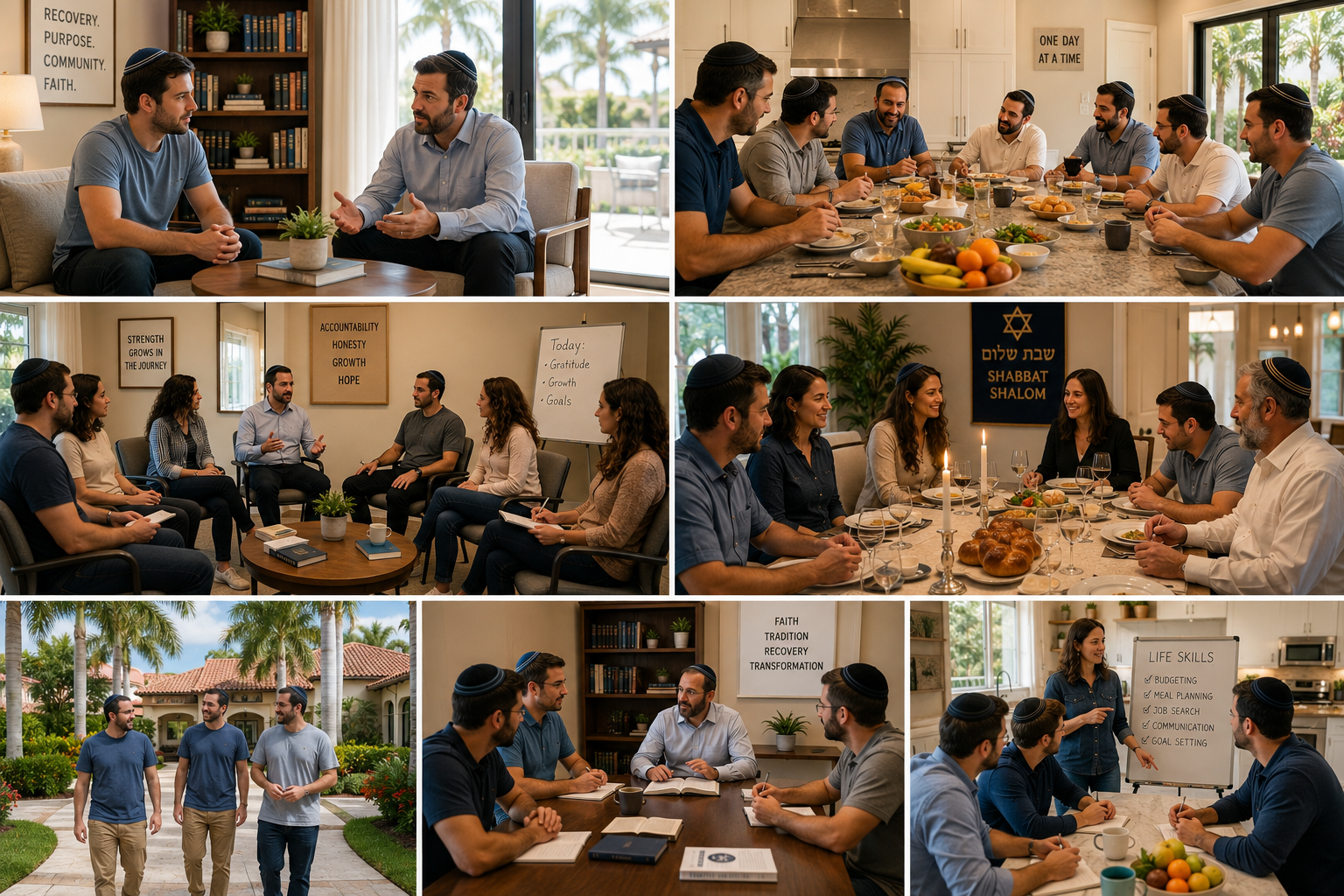
Picking a Jewish and Kosher drug rehab program takes solid research. Use this quick checklist to evaluate facilities and make sure they check all the boxes.
- Verify the licenses- Make sure the center is fully accredited by the Joint Commission or CARF.
- Check the kitchen- Confirm that all meals follow Glatt Kosher rules under real rabbinical supervision.
- Look at the staff- Ask if the clinical team has specific training in faith-based family dynamics.
- Review the care levels- Find a program offering a full continuum of care, from initial detox referrals to transitional housing.
- Ask about community- Find out exactly how they connect patients with local synagogues and alumni groups.
Establishing Long-Term Sobriety
Recovery doesn’t end the second you leave the clinic. Going back to normal life takes serious dedication to the habits learned in treatment.
The thing is, relapse usually happens when people feel isolated. Staying active in the local Jewish community acts as a massive shield against old habits.
And building a routine that balances work, family, and faith creates real stability. Staying in touch with alumni keeps the motivation high when life gets stressful. Enrolling in a Jewish and Kosher drug rehab program lays the groundwork, but the real follow-through happens at home.
Must-haves for a solid aftercare plan:
- Regularly attending 12-step or faith-based support meetings.
- Continuing individual therapy to manage daily triggers.
- Showing up for community service and weekly synagogue events.
- Living somewhere that naturally supports a healthy, balanced lifestyle.
Key Takeaways
- Faith-based rehabs successfully combine modern clinical therapy with strict religious observance.
- These centers guarantee authentic Glatt Kosher food and proper Shabbos accommodations.
- Coastal transitional housing bridges the gap between inpatient care and total independence.
- Using a structured checklist helps verify a facility’s accreditations and spiritual alignment.
- Staying active in community fellowships remains vital for maintaining long-term sobriety.
Final Words
Getting help takes serious courage. Doing it in a place that respects your spiritual roots makes the entire process much smoother. Choosing a Jewish and Kosher drug rehab program means securing elite medical care without ever compromising your personal beliefs. Mixing traditional values with modern therapy creates a highly resilient foundation for the future. If you are ready to find the right supportive environment, contact Rocklay Sober Living today to explore targeted, faith-based recovery options.
Contact us today and start your recovery journey!
FAQs about Jewish and Kosher Drug Rehab Program
1. What makes a rehab facility kosher-certified?
A kosher-certified facility operates a kitchen that strictly follows dietary laws under proper rabbinical supervision.
2. Can I observe Shabbos while in inpatient treatment?
Yes, specialized programs provide the time, space, and accommodations needed to properly observe Shabbos.
3. Do these programs accept standard health insurance?
Most faith-based centers accept private health insurance, though specific coverage depends entirely on your provider.
4. Are non-religious individuals allowed in these specific programs?
Absolutely, people across the entire spectrum of religious observance are welcomed and fully supported.
5. Does sober living include clinical therapy sessions?
While sober living is mainly transitional housing, residents usually attend intensive outpatient therapy off-site.


